Odd. Brilliant. Controversial.
The strangest people in history. Forgotten geniuses, bizarre rulers, infamous criminals, and lives stranger than fiction.
Israel offered Einstein the presidency. The awkward question: did its leaders actually want him to say yes?
In 1952, the 73-year-old physicist was approached about becoming Israel’s second president. He would have to move there and become a citizen—but was promised freedom to continue his scientific work.
Behind the scenes, the mood was reportedly less confident.
According to aide Yitzhak Navon’s later recollection, Prime Minister David Ben-Gurion asked:
“Tell me what to do if he says yes!”
Einstein declined, citing his age and lack of experience dealing with people and official duties.
But there’s another layer: a separate letter also reveals political reservations. The Max Planck Institute’s historical exhibition notes his concern about violence surrounding Israel’s founding.
Here’s the intriguing interpretation—not a proven secret plot: perhaps the offer was an honor everyone expected him to refuse. A world-famous symbol was appealing. An outspoken president with his own conscience could be considerably less convenient.
The presidency was largely ceremonial. Einstein’s voice wouldn’t have been.
Was this a genuine recruitment attempt—or the most prestigious courtesy offer in history?
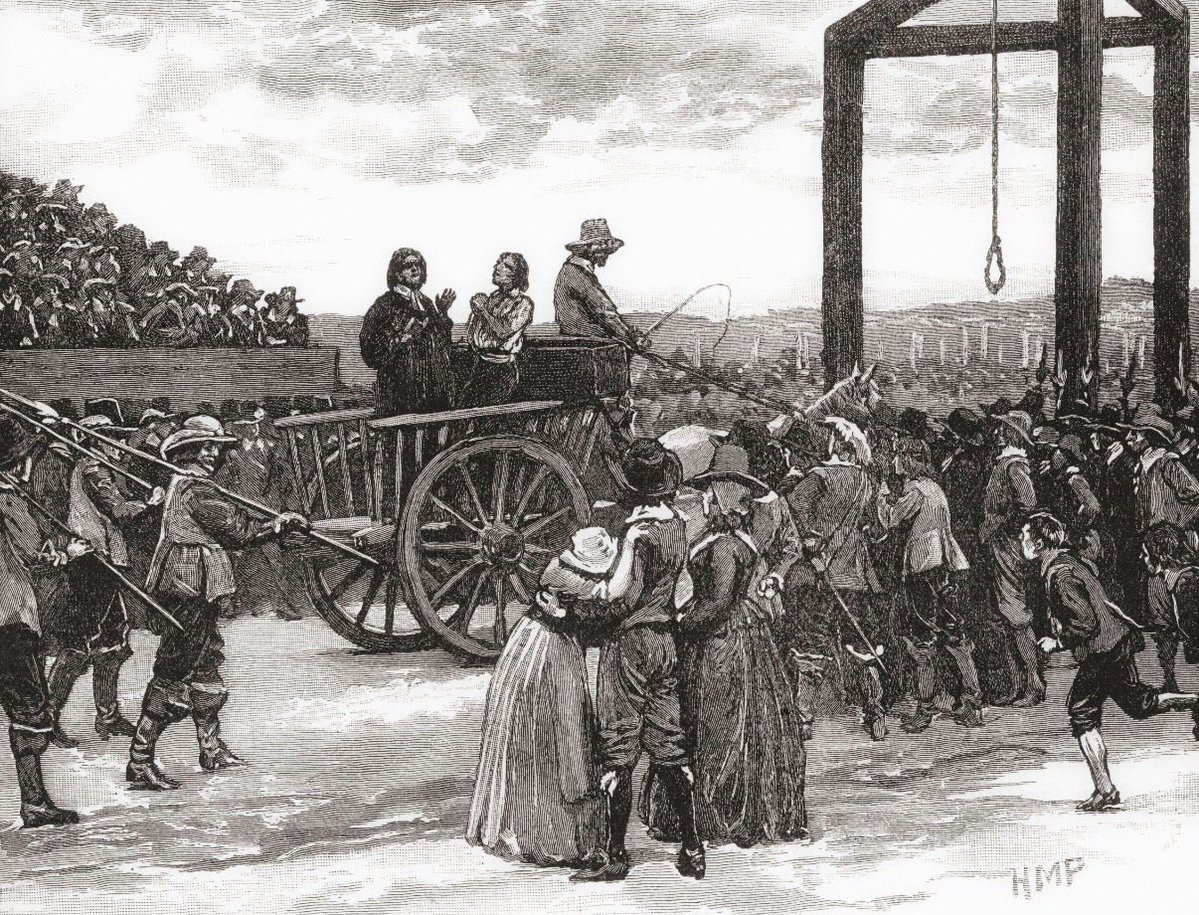
In 1740, a man was hanged for murder.
He survived.
Then he walked away and lived for another 45 years.
His name was William Duell, a 16-year-old Englishman sentenced to death for his involvement in a murder.
After being hanged at Tyburn, his body was taken to Surgeons’ Hall for dissection.
But as the surgeons prepared to cut him open, they noticed something impossible.
He was still breathing.
Duell gradually regained consciousness, and his death sentence was eventually commuted to transportation.
A teenager had survived the gallows, only to wake up on the dissection table.
Imagine opening your eyes and realizing your execution wasn’t the end of your story.
These weren’t paintings of Luigi Premazzi’s mansion. They were glimpses inside the extraordinary palaces of Russia’s imperial elite.
Born in Italy in 1814, Premazzi became one of the Russian imperial court’s most celebrated watercolorists.
He spent years documenting lavish palace interiors filled with towering chandeliers, gilded furniture, marble columns, and unimaginable wealth.
His paintings were so detailed they almost resembled photographs.
Today, some serve as priceless historical records of rooms that have since been altered or lost entirely.
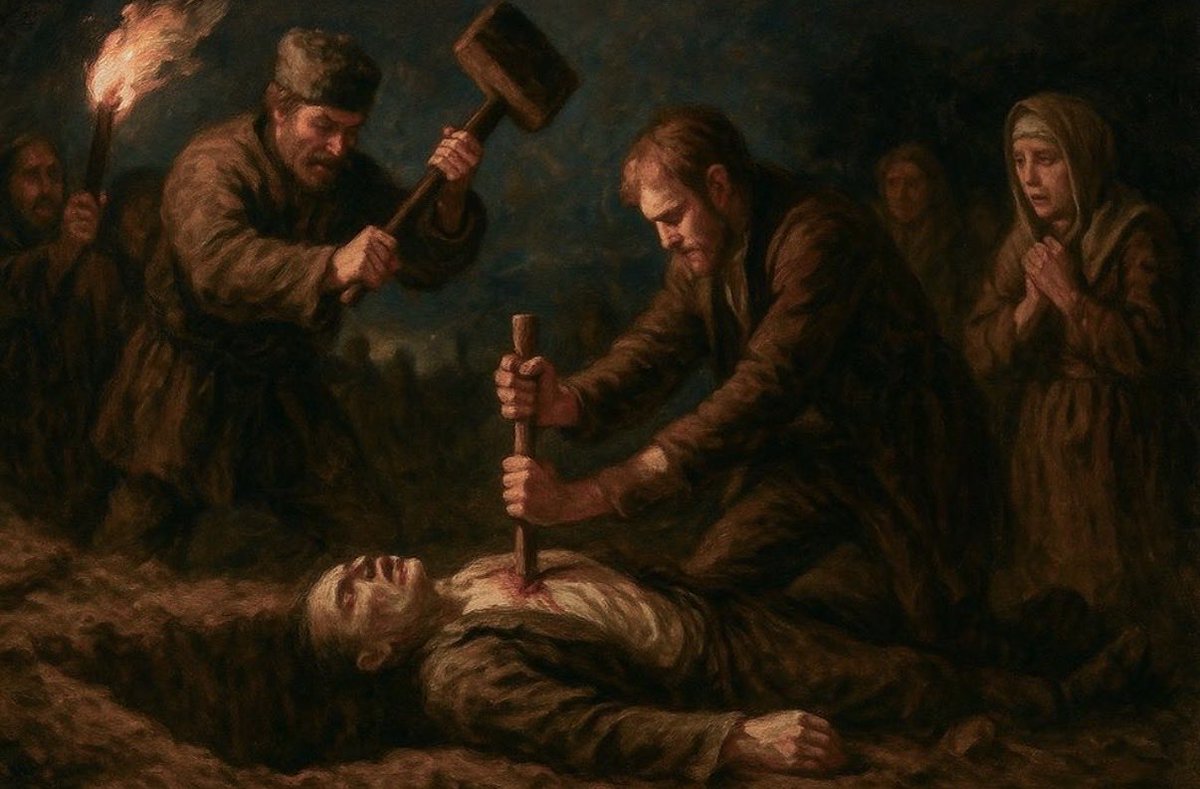
In 1725, an entire Serbian village believed a dead man was crawling out of his grave and murdering people at night.
His name was Petar Blagojević.
After nine villagers reportedly died, terrified locals dug up his corpse.
What they found horrified them: his body appeared remarkably preserved, with what looked like fresh blood around his mouth.
They drove a wooden stake through his body. Witnesses reported blood pouring from his mouth and ears.
Then they burned his remains.
This wasn’t a horror novel. An Austrian official witnessed the exhumation and documented the event in a report.
Over 300 years ago, people weren’t just afraid of vampires.
They were digging them up and killing them twice.
He tricked the Devil into sparing his soul. Then he died—and discovered the loophole.
In Irish folklore, “Stingy Jack” persuaded the Devil to turn into a coin to pay for drinks. Jack pocketed it beside a cross, trapping him until he agreed to a bargain.
But when Jack died, Heaven refused him. The Devil wouldn’t take him either.
Condemned to wander in darkness, Jack carried an ember inside a hollowed-out turnip.
“Jack of the Lantern.”
Long before smiling pumpkins, people in Ireland carved frightening faces into turnips for Halloween. The National Museum of Ireland preserves a plaster cast of one—and it looks like something you’d find buried beneath a haunted house.
Jack escaped Hell. He never escaped the consequences.
Edison promised cheap electricity. Tesla’s unfinished tower inspired a darker legend: that electricity could have been free, but financiers wouldn’t allow it.
In 1901, J. P. Morgan backed Tesla’s Wardenclyffe project. Tesla envisioned transmitting messages—and eventually power—without wires. Morgan refused further funding, and the tower was demolished in 1917.
The conspiracy says the problem was profit: how do you charge for power anyone can receive?
The catch: wireless electricity still needs to be generated. Tesla never demonstrated his proposed worldwide system.
A failed experiment became an enduring story about a future someone supposedly stole.
They came surprisingly close to video calls, automated farming and motorhomes.
Then they predicted public transport would involve strapping a bus to a whale.
But the book grinder deserves another look: they imagined destroying books to feed knowledge into students’ heads.
Over a century later, Anthropic bought millions of books, cut them apart, scanned them and discarded the originals to build its digital library.
They pictured the students learning from the machine. We made the machine the student.
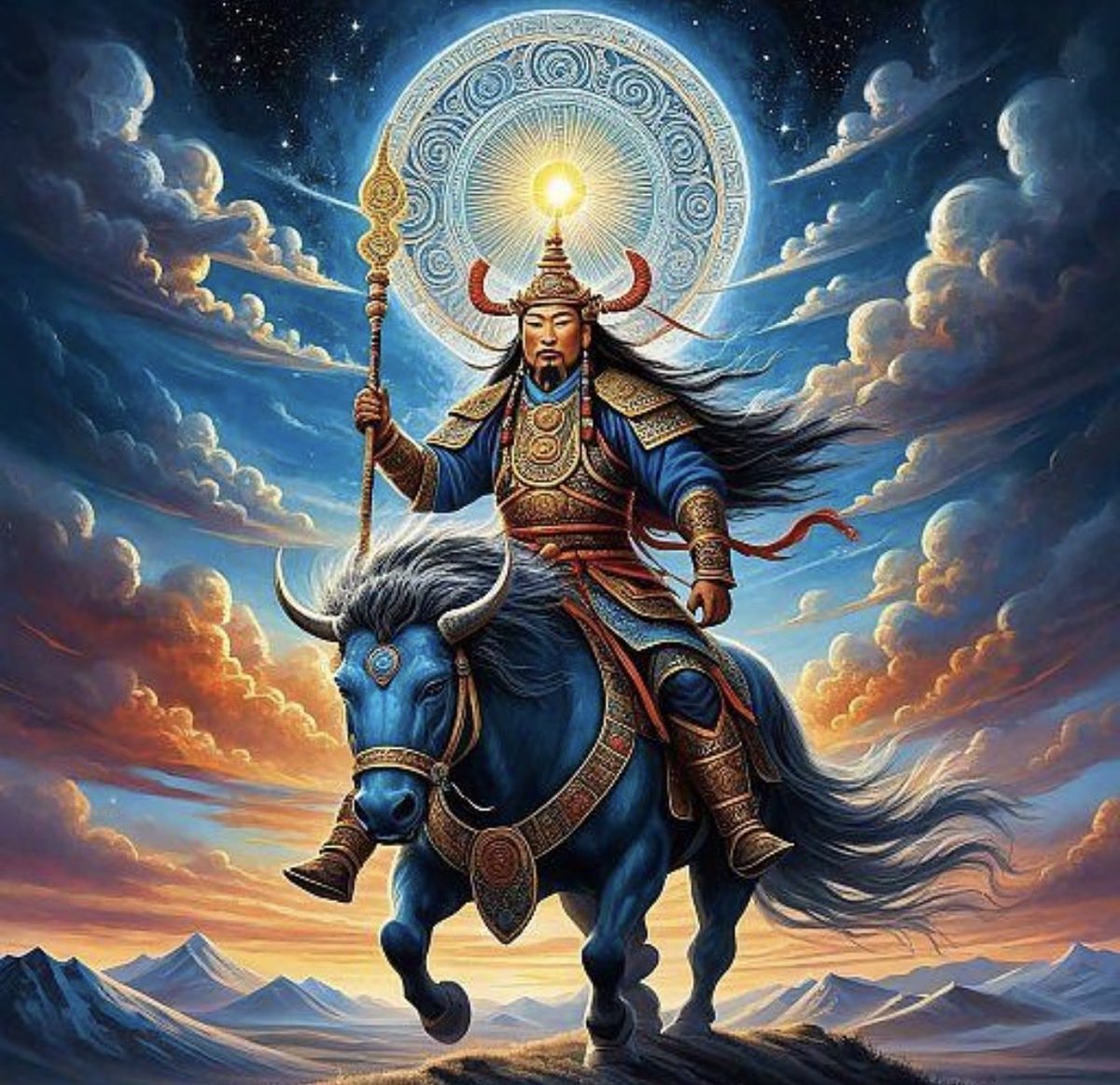
“Khan” was a title, not proof of religion.
Born Temüjin, Genghis Khan followed Mongolian shamanic beliefs often called Tengrism—revering Tengri, the Eternal Sky, alongside spirits of nature and ancestors. He wasn’t Muslim.
“Genghis Khan” is commonly translated as “universal ruler,” although the exact meaning of “Genghis” remains debated. “Khan” means ruler.
An intriguing detail: he worshipped at Burkhan Khaldun, a sacred mountain also traditionally believed to conceal his still-undiscovered tomb.
An exiled prince. An abducted wife. A ten-headed king.
The Ramayana follows Rama’s quest to rescue Sita from Ravana, aided by Hanuman and an army of allies. One of Hinduism’s great sacred epics, it explores devotion, duty, and the cost of doing what is right.
An unexpected Hollywood connection: in A Little Princess (1995), Sara tells Rama and Sita’s story, with scenes from the epic woven through her own.
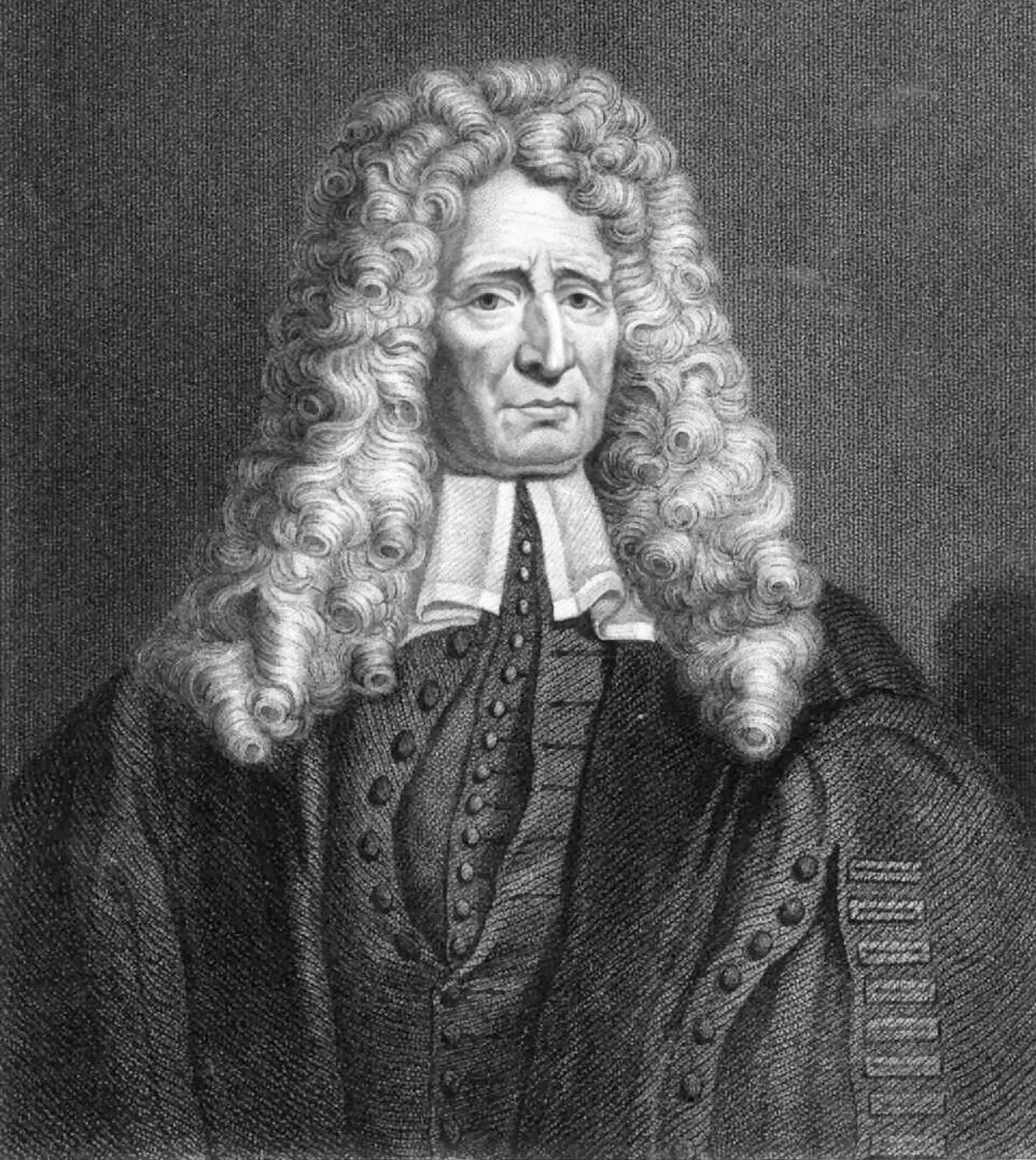
Look closely. The trees are arteries. The rocks are kidney stones. Even the handkerchiefs are human tissue.
Around 1700, Dutch anatomist Frederik Ruysch built miniature worlds using actual human remains.
He arranged fetal skeletons in elaborate scenes: mourning, holding mayflies, even playing instruments fashioned from body parts.
Those tiny skeletons wiping their eyes? Their “handkerchiefs” were membranes from inside the human body.
Ruysch was a respected anatomist whose work advanced the study and preservation of human anatomy. His medical positions gave him access to the bodies of stillborn babies and infants who had died.
He turned some of those remains into displays intended to teach anatomy—and remind visitors how briefly we live.
Then came an extraordinary customer.
In 1717, Peter the Great purchased his collection for 30,000 guilders and had it shipped to St. Petersburg.
The elaborate skeletal scenes are now known through engravings and descriptions, rather than surviving displays.
Three centuries later, the pictures still leave an uncomfortable question:
When does preserving the dead become putting them on display?
One man claimed to have a 19-inch penis.
Roberto Esquivel Cabrera of Mexico became internationally famous for the extraordinary claim.
But when doctors examined him, they reportedly discovered that much of the length was stretched foreskin.
He claimed a world record.
His doctors had a very different measurement. 💀
Mike Tyson and Hasbulla aren’t the first unlikely duo in history.
Over 300 years ago, Peter the Great kept a small-statured courtier named Iakim Volkov.
In 1710, the Russian tsar organized an extravagant wedding for him, gathering dozens of people with dwarfism from across Russia.
What sounds like a royal celebration had a darker side: Peter turned the occasion into entertainment for his court.
Even the strangest celebrity friendships have historical predecessors.
@Timmahz1@GarbageHuman24 Bro, they weren’t exactly choosing between dirt and a balanced breakfast.
The disturbing part of this history isn’t that people ate dirt. It’s that some enslavers responded with iron masks instead of addressing the conditions behind it.
The British Empire survived plagues, revolutions, two world wars, and the Black Death.
But apparently, thick thighs were where Parliament finally drew the line. 🇬🇧💀
China never produced a great footballer?
Meet Lee Wai Tong (1905–1979), the man nicknamed the “King of Asian Football.”
He captained China at the 1936 Olympics, dominated Asian football, and was credited with over 1,000 career goals.
China had a football legend nearly a century ago. Most people have simply forgotten him.
Here’s the wild historical twist:
Gay couples in Japan were using adult adoption to protect their relationships long before same-sex partnerships gained official recognition.
Under Japanese law, a man could adopt another man just ONE DAY younger than himself.
Two lovers could legally become father and son.
And the strangest part? The practice grew out of centuries-old traditions designed to preserve family fortunes and inheritance.