Plant Biologist | Studying how plants adapt to stress ⛓️🌦️ | CEA & field research 🌱🏠 | Enhancing plant resilience 🌾 | Nature lover 🌿 | Proud dad & partner
I am leaving X. The platform has seen a sharp decline in professional value, becoming a space that amplifies misinformation, conspiracy theories, and harassment.
I have moved to Bluesky, a platform that still promotes serious discourse. Follow me at https://t.co/WHXRwaLb1L
#Rhizosphere#OneHealth Did you know the area around plant roots (the rhizosphere) can teach us how to safeguard plant, animal, and human health? Dive into new findings on soil viruses, resilient microbes, and more in FEMS Microbiology Ecology. 🪴🫂🦠🧫
https://t.co/IrMfN0cqQX
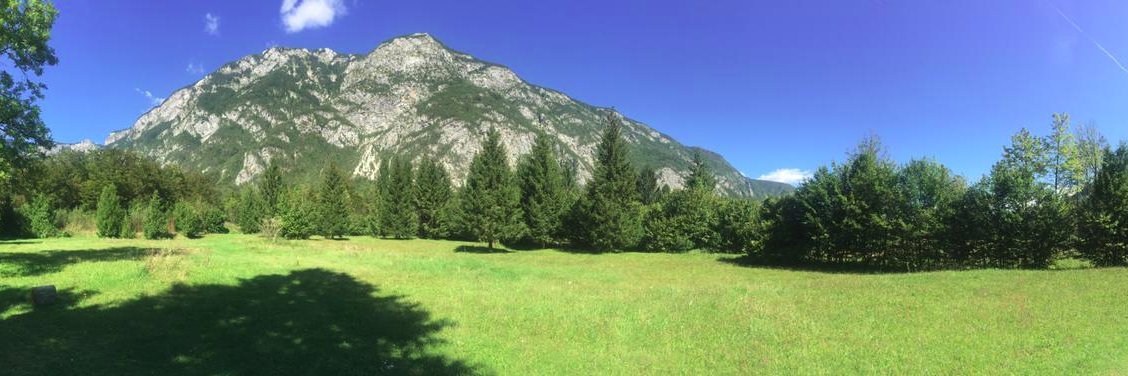
Fieldwork together with Mirko Salinitro earlier this year at Cave del Predil in Italy (and old zinc-lead mine) collecting samples of the thallium hyperaccumulator Biscutella laevigata.
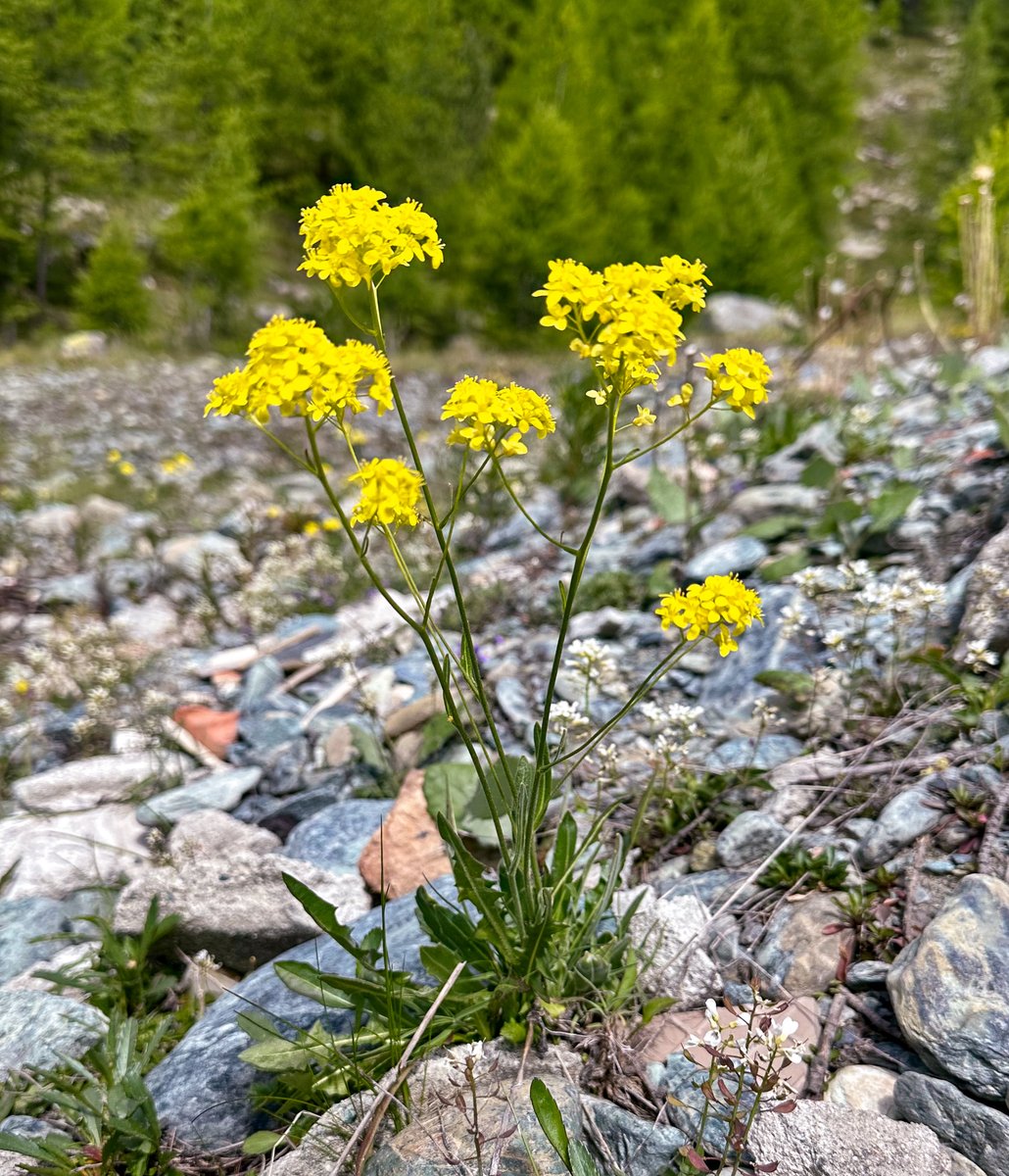
... and Biscutella laevigata, a (facultative) metallophyte widely spread throughout Europe with populations that can accumulate nickel or zinc, or hyperaccumulate thallium (populations from Ganges in Southern France and Cave del Predil in Northern Italy).
EV: Dianthus sylvestris subsp. sylvestris as a promising candidate for phytostabilization of copper-contaminated post-mining sites in Alpine ecosystems by Pošćić et al. D. sylvestris showed a Cu hypertolerance by exclusion in the Italian Alps.
https://t.co/1OxPzU6eBa
@NordicOikos
The complete Z-Spec setup of revolutionary monochromatic XRF instruments in your lab. that largely replaces ICP-AES analysis for elemental analysis of plant material samples (and a grinder for making powders on the right).
@AgBioWorld One of the following may help!
1. The balcony that bloomed
2. The empty edifice: one balcony’s rebellion
3. The last Eden of Utopia
4. The green anomaly
5. The exotic flora of apartment 121-B
6. Chlorophyll chronicles
7. Balcony of botanical wonders
Introductory Organic Chemistry (First-Semester) for Blind and Visually Impaired Students: Practical Lessons and Experiences | Journal of Chemical Education https://t.co/0Hy1XYuFgr
.... and in the herbarium to discover new metal hyperaccumulator plants, like here at the Herbarium of the Naturalis Biodiversity Center measuring nickel in Phyllanthus insulae-japen Airy Shaw. We are calling this 'Herbarium XRF Ionomics'.
🌱🌿 Tiny seeds, BIG impact! 🌳 It's not just forests - see how bushes, rangelands & other ecosystems are being brought back to life in the western U.S.! 🇺🇸
Watch for FREE 👉 https://t.co/ny5ehmSFZR
#INSR#NativeSeeds#RestorationHeroes#Ecology#ScienceForEveryone
@MarkSmedley15 It seems to me that this is a species of Clematis. If so, these are not petals but sepals (and they do vary exp. in hybrids). Genetic mutations in APETALA1 or APETALA2 genes could occur, or environmental factors such as deficiencies in water or nutrients may have been involved.
Today, New Zealand science is (Jerry Coyne’s words) circling the drain. And all because of juvenile politics & the racist canard that science is “Western” & needs “decolonising”. Science is not “Western”. It belongs to all humanity. Delved into it further (link to my blog in bio)
#CIRTL Absolutely thrilled to announce that I've successfully completed the CIRTL Postdoc Pathway Fellows Program Associate Level I and Practitioner Level II! What a journey it has been! Great support from the FLC team and truly remarkable peers 🎓🔬🌟https://t.co/CAJn8TwjeC