We've released the macOS Threat Landscape Report 2026, examining detections from August 2025 through July 2026. Its central finding: attackers often try to persuade users to take the final step themselves, with the browser providing a route to reach them: https://t.co/rgPJQt7MTk
UK's financial watchdog @TheFCA is warning banks to prepare for AI failures that could harm customers' finances, urging firms to report incidents and near-misses before damage occurs: https://t.co/4VWZwBKSvc
The US military reportedly came close to intercepting a Chinese vessel after an AI-assisted intelligence report falsely claimed the ship was carrying components for a nuclear weapons program.
https://t.co/cHtFWtu2uK
Apple Debuts ‘Background Security Improvements’ with urgent WebKit fix for iPhone and Mac. Here’s how to enable the feature:
https://t.co/hMBW2ayazz
Another (security) reason to make the jump to iOS 26 / macOS 26, if you haven't already.
New York State legislators are advancing a bill aimed at restricting what #AI chatbots can say and do when it comes to matters that traditionally require licensed professionals — such as legal counsel and medical advice.
https://t.co/nQiOQrzsQu
The European Commission has unveiled a revised Cybersecurity Act aimed at blocking “high-risk” foreign tech suppliers. #iotsecurity#SmartHome
https://t.co/Xo0ZXSn02C
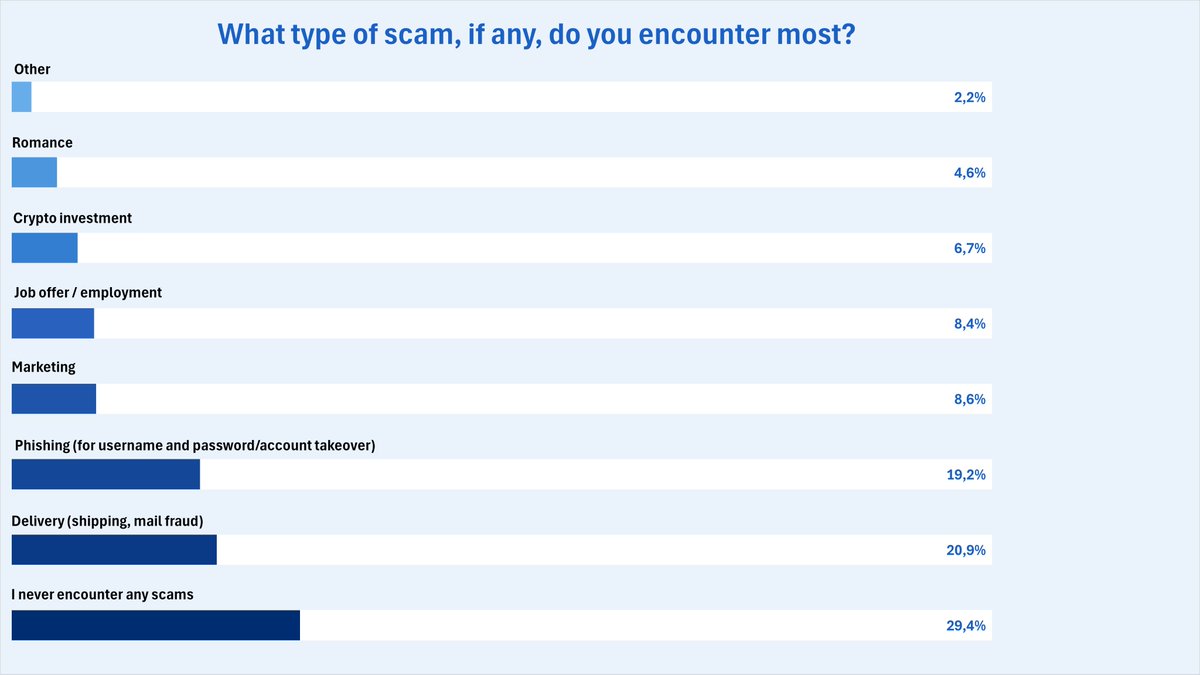
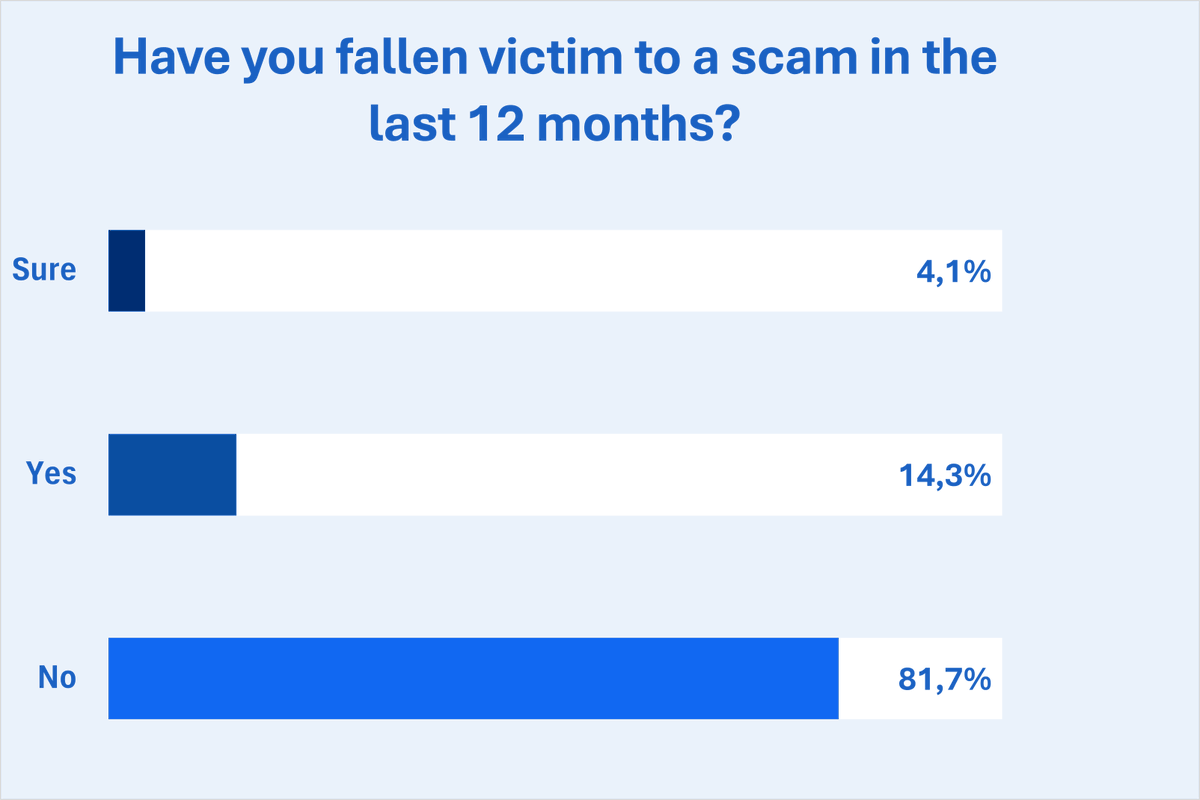
Bitdefender’s 2025 Consumer Cybersecurity Survey reveals that 1 in 7 people worldwide fell victim to a scam in the past year. Dive in to see what types of scams people encounter most, who’s most at risk, and how to protect yourself in a world where digital deception is evolving faster than ever.
https://t.co/2Qgsu1LmjE
Bitdefender Releases 2025 Consumer Cybersecurity Survey
Key findings:
· 37% of consumers say their top fear around AI is its use in creating sophisticated scams like deepfakes and voice clones.
· Nearly 7 in 10 respondents encountered scams of some type, and 1 in 7 consumers fell victim to a scam in the past year, with social media now surpassing email as the top attack vector (34%).
· Younger users, who post and share the most on social media, are twice as likely to be scammed (20%) compared to older generations (9.7%).
· 48% of consumers “accept all” cookies without review while surfing the web, and 37% still write down passwords instead of using secure managers.
· The most trusted players in Big Tech remain Google (88%), Microsoft (85%), and Apple (77%), while X/Twitter (52%), TikTok (51%), and OpenAI (45%) rank among the least trusted.
Download here: https://t.co/ZOwmyvEET9
UK Cracks Down on Scammers Spoofing Your Phone Number
The UK government, together with major mobile network operators and regulator Ofcom, has announced a landmark initiative to block phone-calls that use spoofed numbers — fake caller IDs designed to trick consumers into believing they’re hearing from banks, government departments or trusted organisations.
Full story: https://t.co/kHVxBgnmES
#Scam #ScamAlert
For years, iPhone owners have taken comfort in Apple’s reputation for security and privacy. iOS encrypts your data, blocks most malware, and updates regularly to patch vulnerabilities. Compared to many platforms, it’s one of the most secure consumer ecosystems in the world. But secure doesn’t mean immune.
Five Ways Your iPhone Can Be Hacked – And How to Prevent It: https://t.co/MiLiKNjM4v