Here I present a unified theory on the cause and mechanism of inflammatory bowel disease (IBD), and relationship between ulcerative colitis and Crohn's disease.
Xiaofa Qin, MD, PhD, founder of GI Biopharma Inc. Impaired inactivation of digestive proteases in lower gut due to low gut bacteria as primary cause of inflammatory bowel diseases (IBD) and other health problems associated with dysbiosis of gut microbiota. https://t.co/vwvmzmP7KK
A short video discussing the possible root cause of inflammatory bowel diseases (IBD, including ulcerative colitis and Crohn's disease), and possibly multiple other health problems associated with dysbiosis of gut microbiota.
https://t.co/q5jnYJZSfP
Where are we on microbiota-targeted therapies in gut disorders? This narrative review in @The_IMJ updates applications and limitations of probiotics, prebiotics and fecal transplants in IBD, IBS, colorectal cancer and C. difficile infection https://t.co/6I2WBGW9Fq
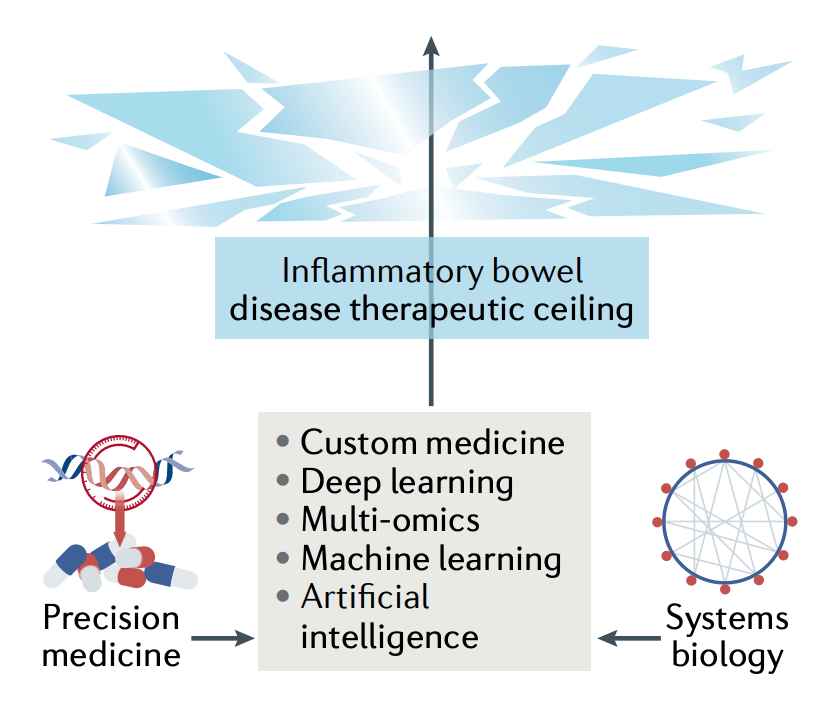
Key studies published in 2021 demonstrated mechanisms that drive pathogenicity in Crohn’s disease and potential targets to address. This Year in Review in @NatRevGastroHep explores the potential and caveats of precision medicine in IBD https://t.co/PNqFj8fSef
Our gut microbiome changes as we age. This review from @Pharmabiotic researchers & colleagues provides compelling evidence of nutritional and probiotic/prebiotic interventions that may help alleviate the effects of gut microbiota changes into old age https://t.co/30HZnbRw57
Little is known about the relationship between diet, the gut microbiota and clinical symptoms of IBS. @dorejoel & colleagues identify how IBS symptom severity is related to a higher intake of foods with poor nutritional quality https://t.co/NmPPyfpQgi
Antibiotics have a collateral damage effect on gut bacteria. This study characterizes 144 antibiotics from a previous screen of more than 1,000 drugs on 38 representative human gut microbiome species and suggest strategies to circumvent their side effects https://t.co/iHS214xmyx
Children with autism spectrum disorder appear to have a distinctive gut microbiome. This study concludes that increasing the abundance of neurotransmitter-synthesised bacteria such as Faecalibacterium should be explored for this condition via @Gut_BMJ https://t.co/HusSjax7il
A good paper, but with a gloomy prediction of the global future of IBD, to which I have a totally different view. I believe the primary cause and mechanism of IBD could be very simple and the effective treatment and prevention could come soon. https://t.co/vwvmzmP7KK
IBD is associated with decreases in gut bacteria. I believe the increased proteases in feces seen before the development of IBD is more likely due to impaired inactivation of pancreatic proteases rather than bacterial origin. https://t.co/VrcqsC5dFZ
Scientists are interested in elucidating the role of gut microbes in IBD pathogenesis. Fecal bacterial protease activity may indicate progression to ulcerative colitis https://t.co/F0GaLojlx2
@GMFHx I have a simple explanation as how gut barrier is damaged, resulting in the "Leaky Gut" along with decreases in gut bacteria in modern society. https://t.co/vwvmzmP7KK
What is the link between yogurt consumption and a reduced risk of negative health outcomes? Cross-sectional research suggests that maintaining normal gut barrier function is a new mechanism that supports the benefits of consuming yogurt https://t.co/L1jIcEawMs
Finally here comes evidence regarding the adverse effect of artificial sweetener Splenda (Sucralose) on inflammatory bowel disease (IBD) that I have suspected for a long time. https://t.co/uHScIAlytA