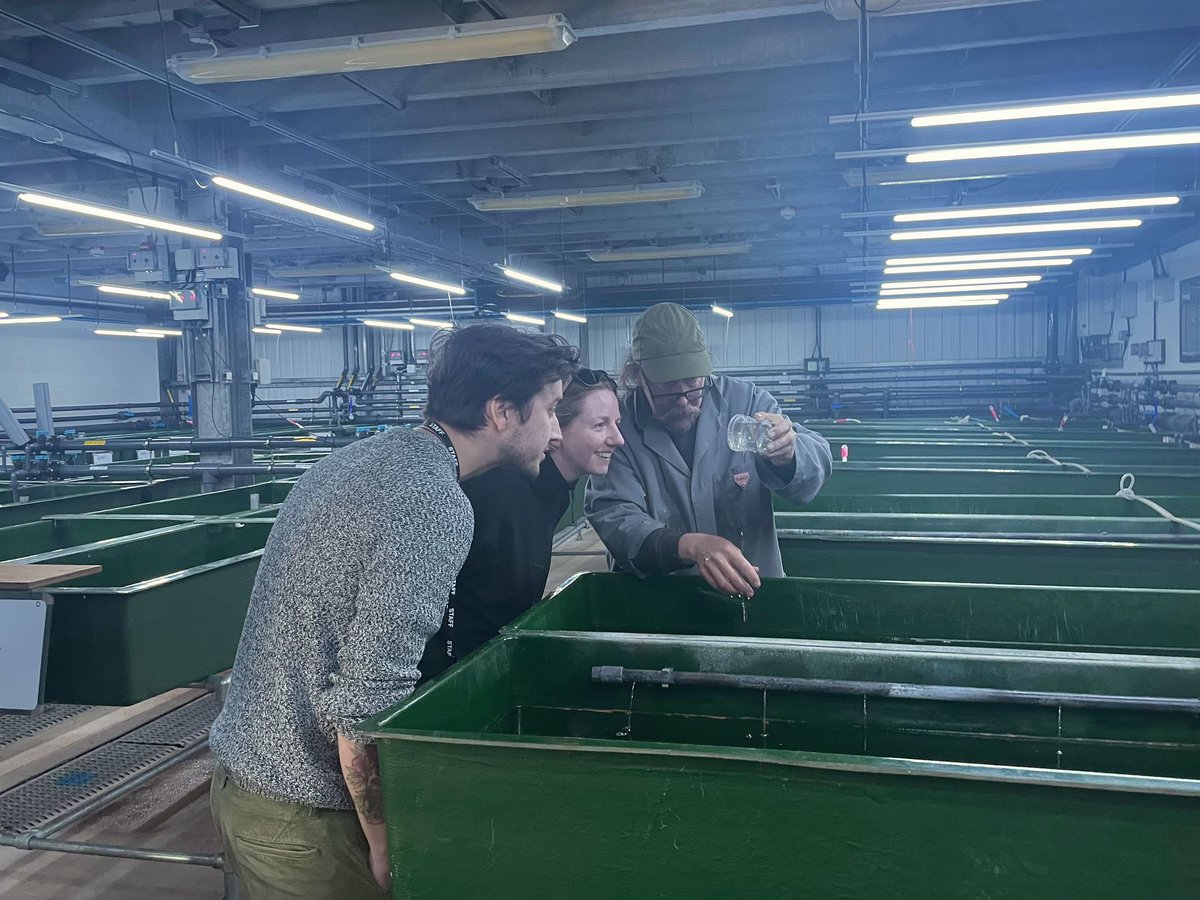
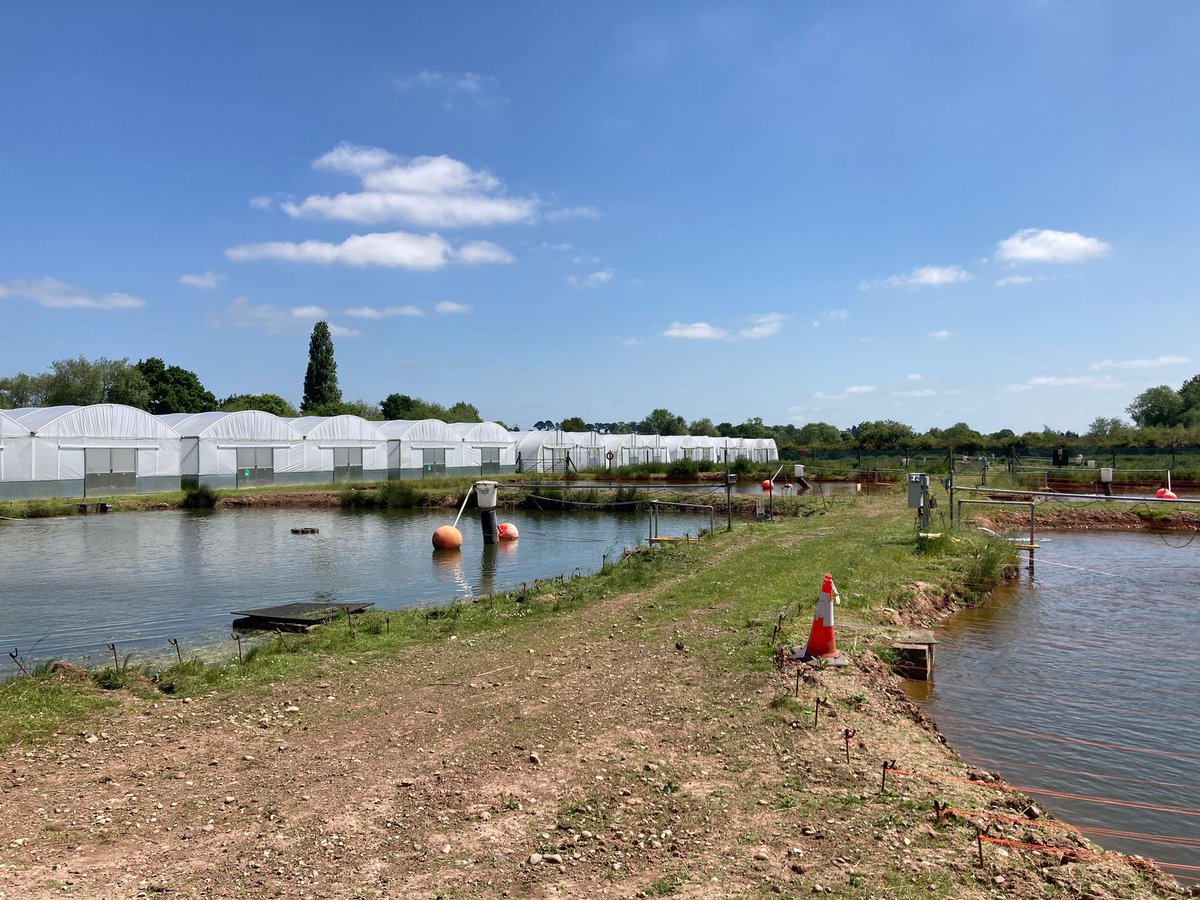
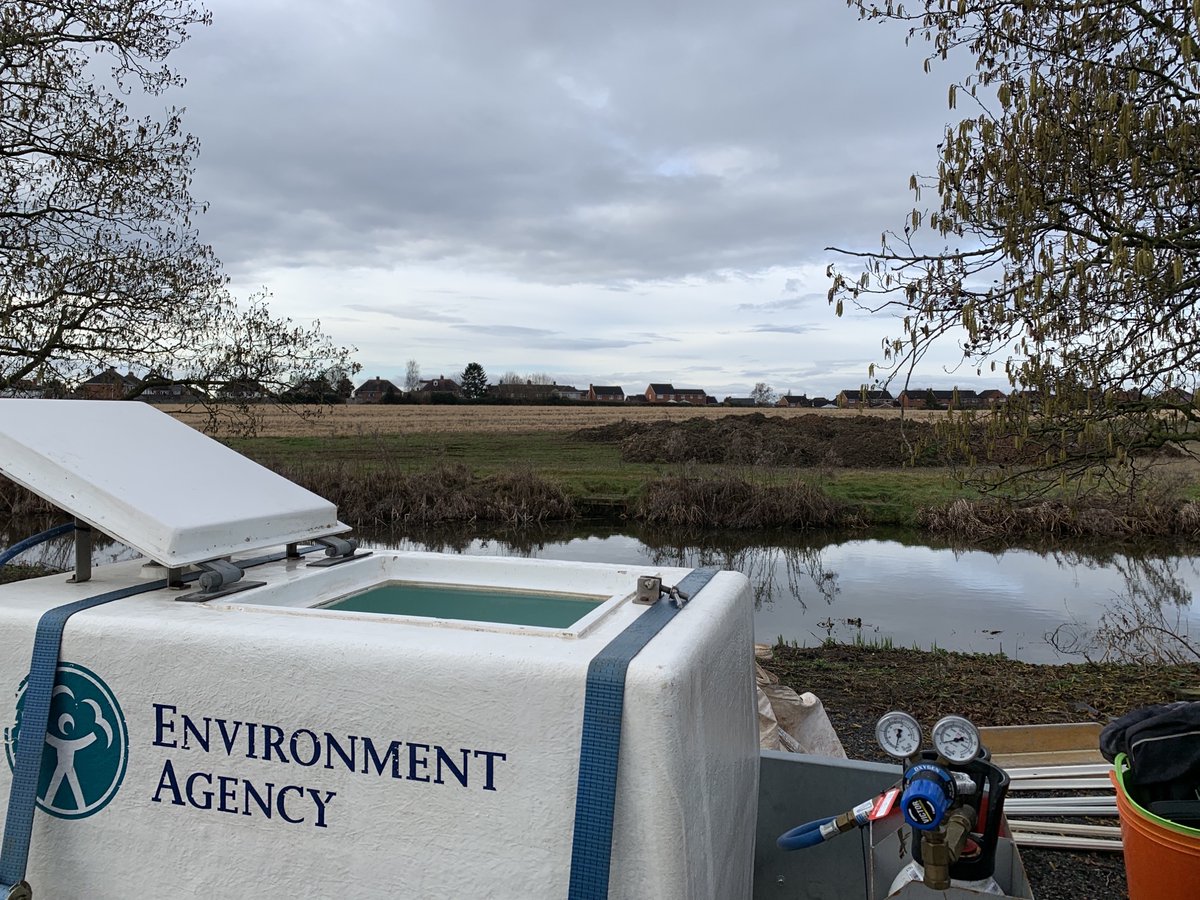
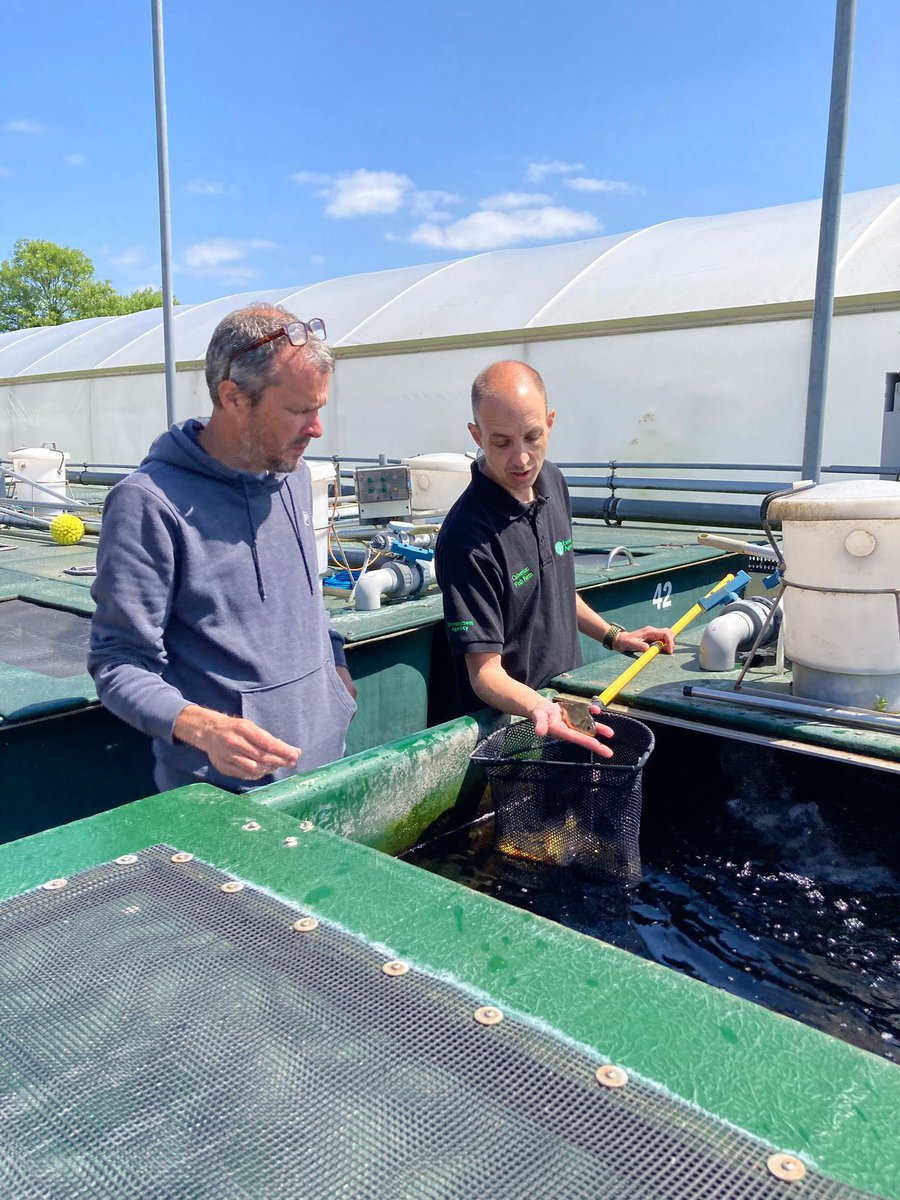
We recently visited the team at Calverton @FishFarmEA to understand what it takes to produce high quality, healthy #fish to benefit #rivers and #fisheries nationwide. It was a fantastic tour to see and understand each stage of their fish production facility. #TeamEA
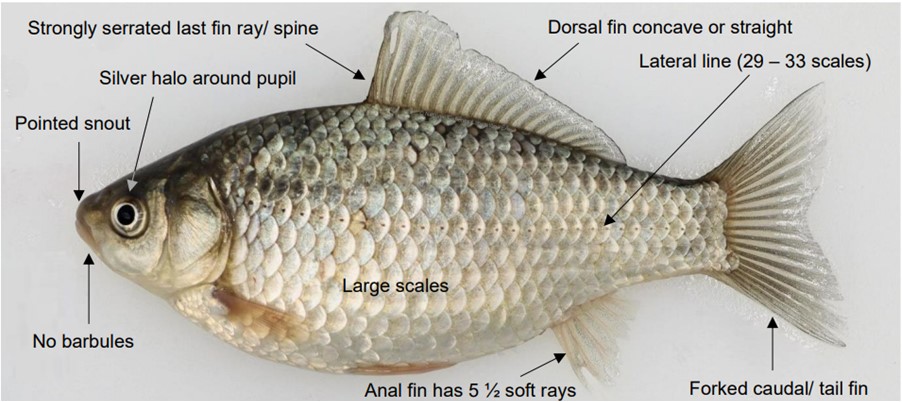
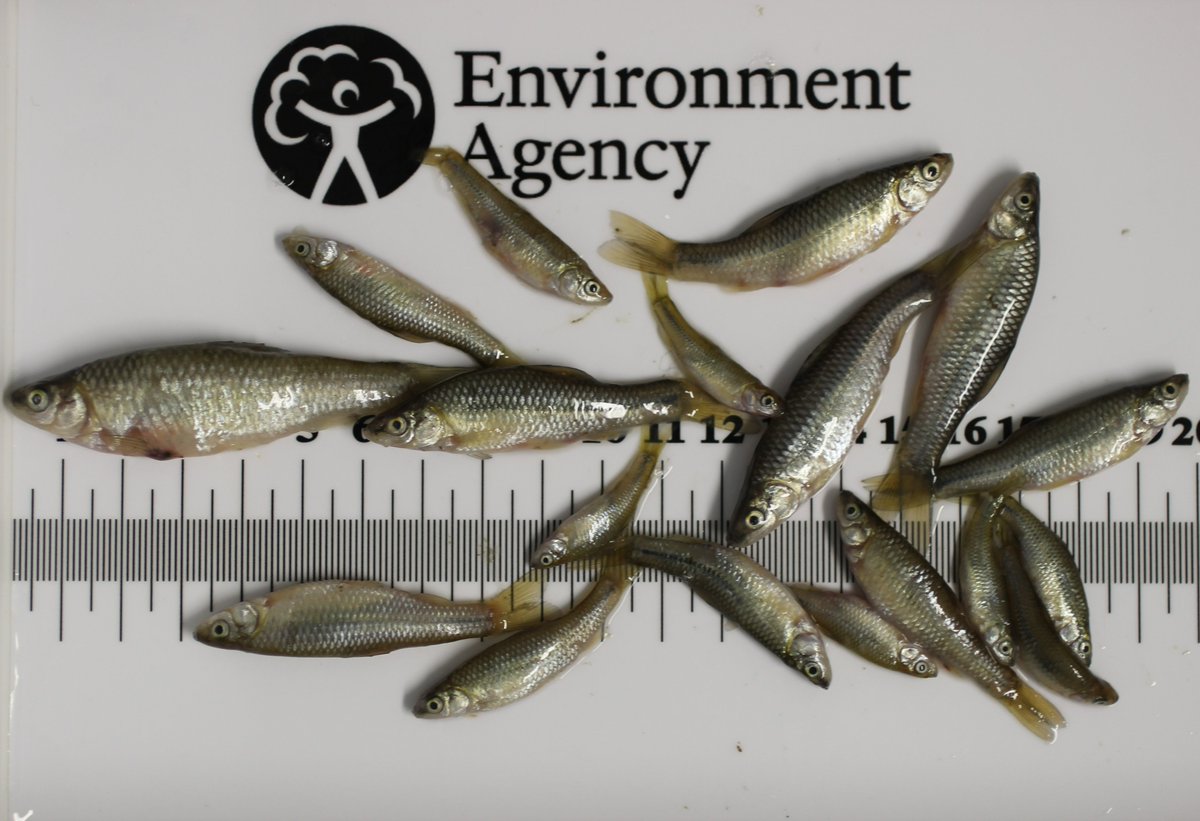
Invasive species like Prussian Carp, sometimes called #gibel carp or #carassio, are a threat to native fish and biodiversity
If you suspect you’ve spotted or caught this fish please report it to our 24 hour incident hotline ☎️0800 80 70 60
#INNSWeek
Topmouth gudgeon is a highly invasive non-native fish species and pose a significant threat to native biodiversity in our lakes and rivers. They can outcompete native species for food and resources. #INNSWeek@InvasiveSp
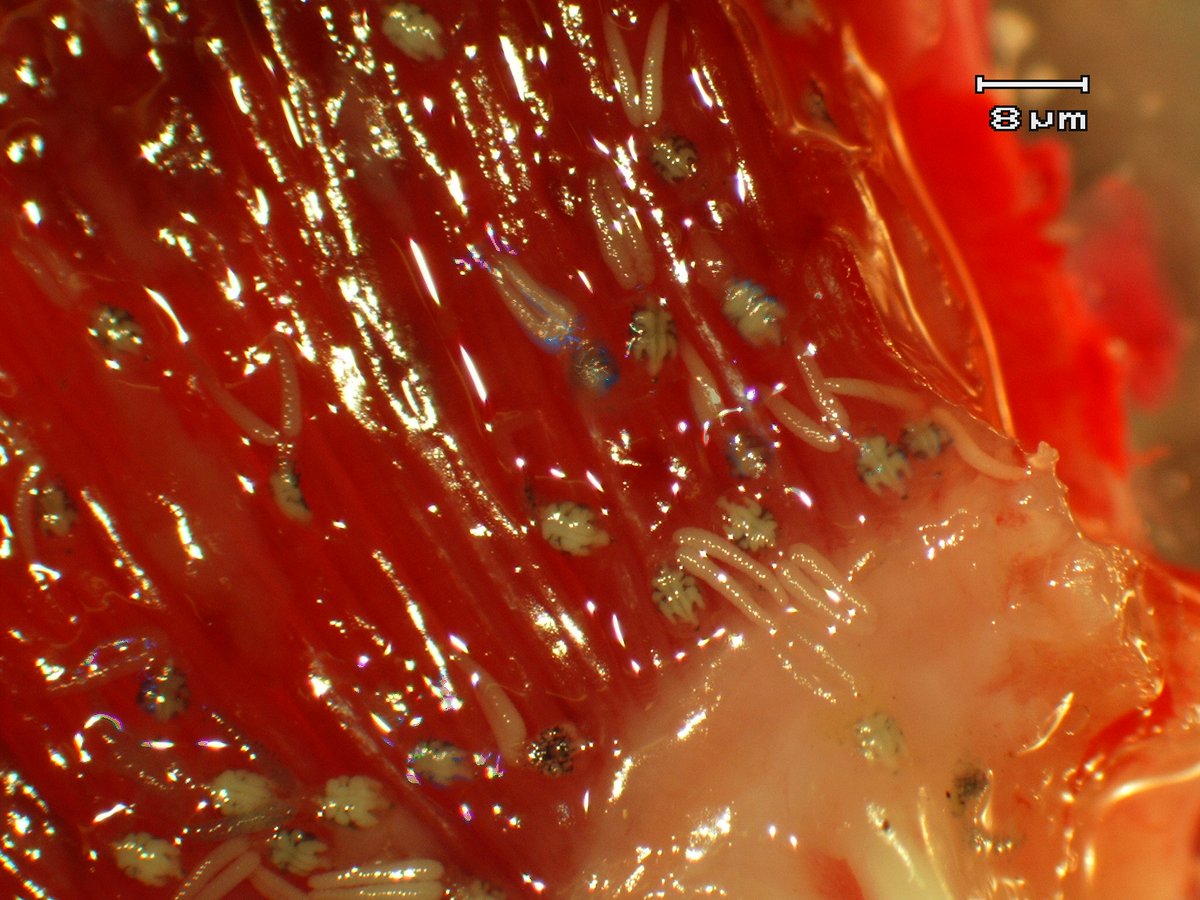
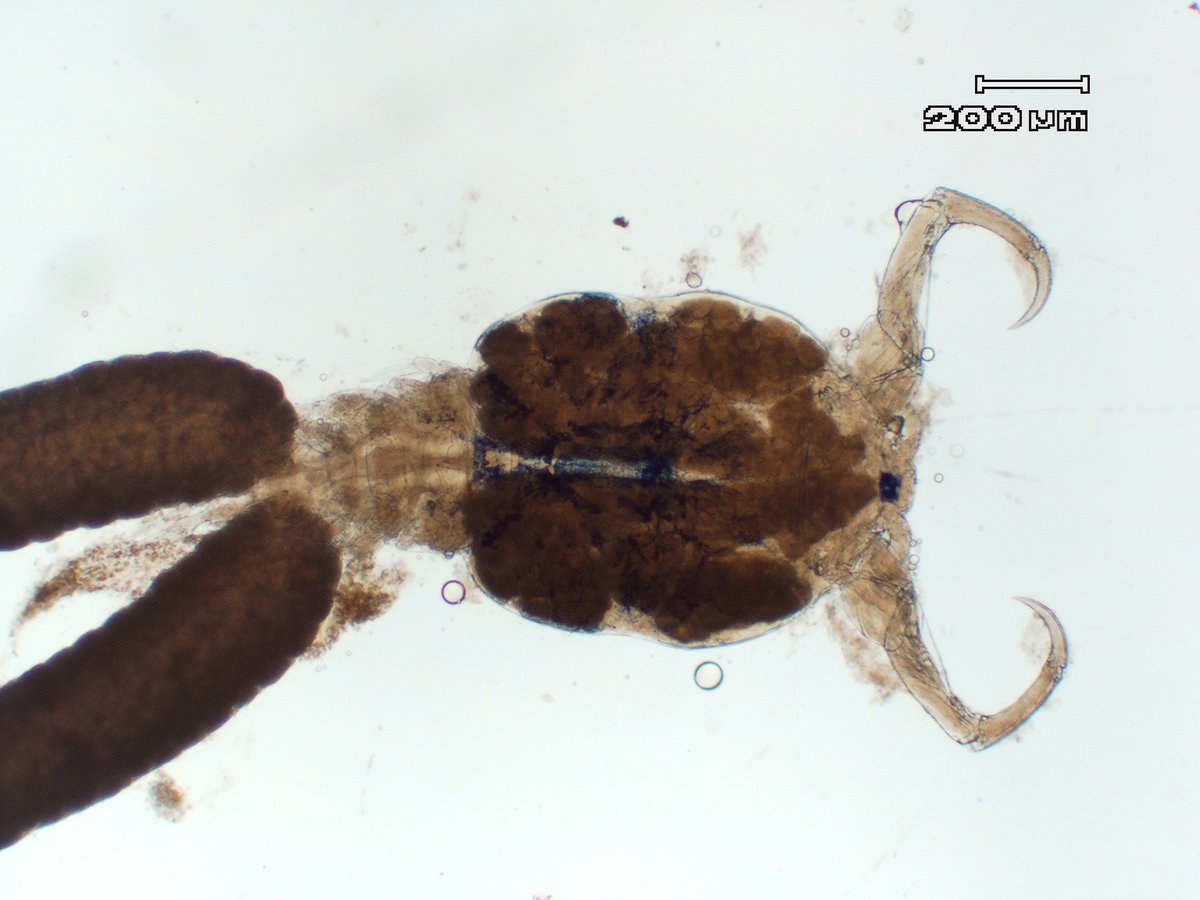
#INNS can be spread in many ways, with some being introduced deliberately, others accidentally with other species. At the @EnvAgency Fisheries Laboratory we have detected a number of invasive pathogens and work with fishery owners to protect the environment #INNSweek@InvasiveSp
It’s #INNSweek 2023!
Organisations across the #UK#Ireland#Guernsey#Jersey and #IsleOfMan are working together to raise awareness of:
- invasive non-native species🦞🌱����
- their impacts
- how you can help
Watch our video then order a free INNS guide 👇 https://t.co/h8N5WmPi0r
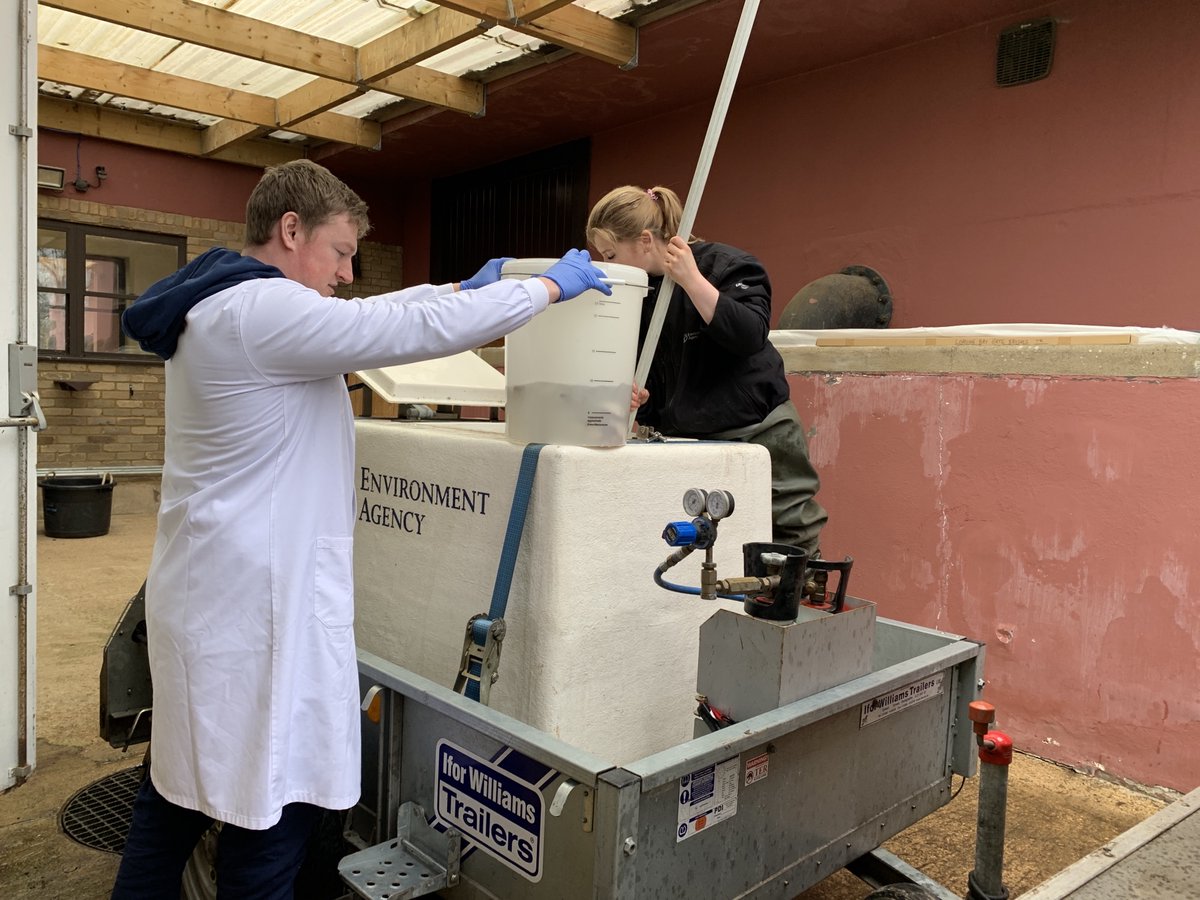
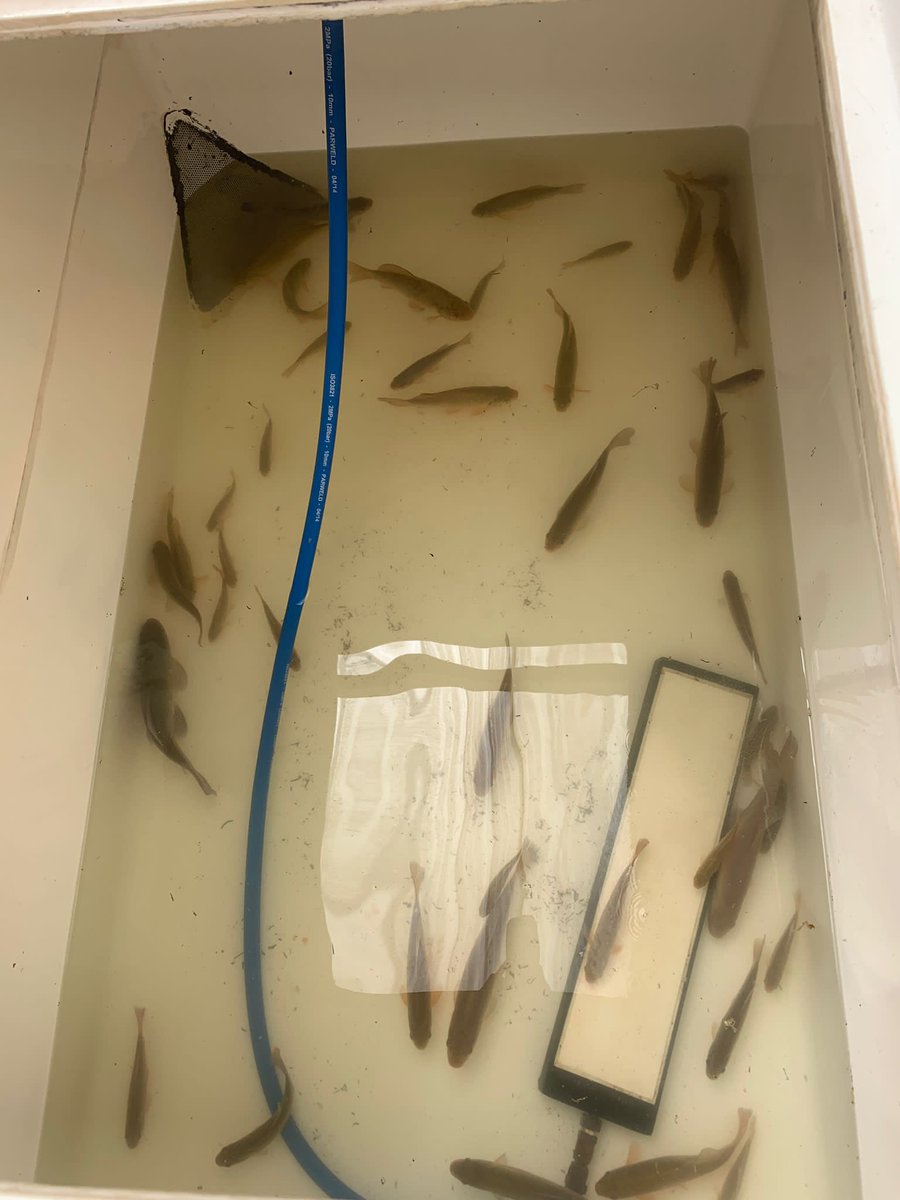
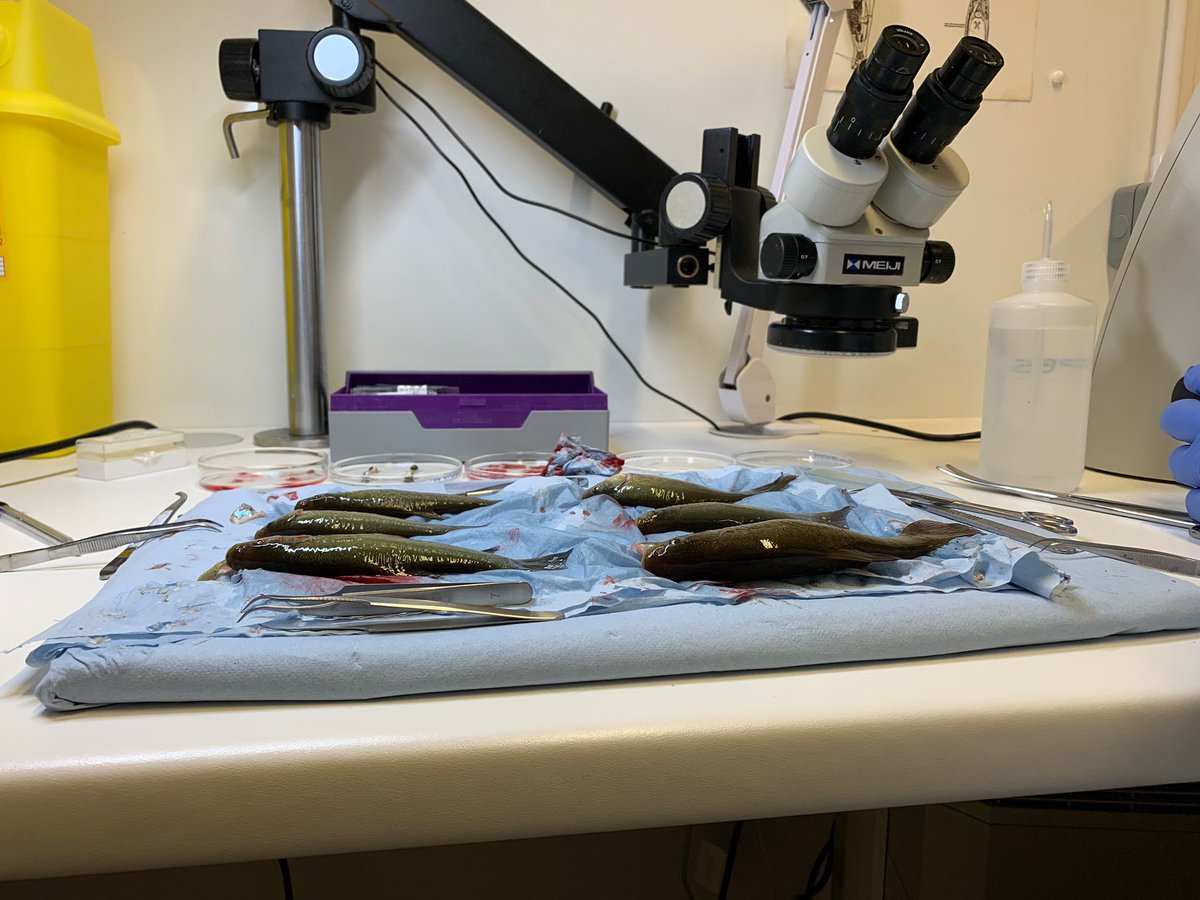
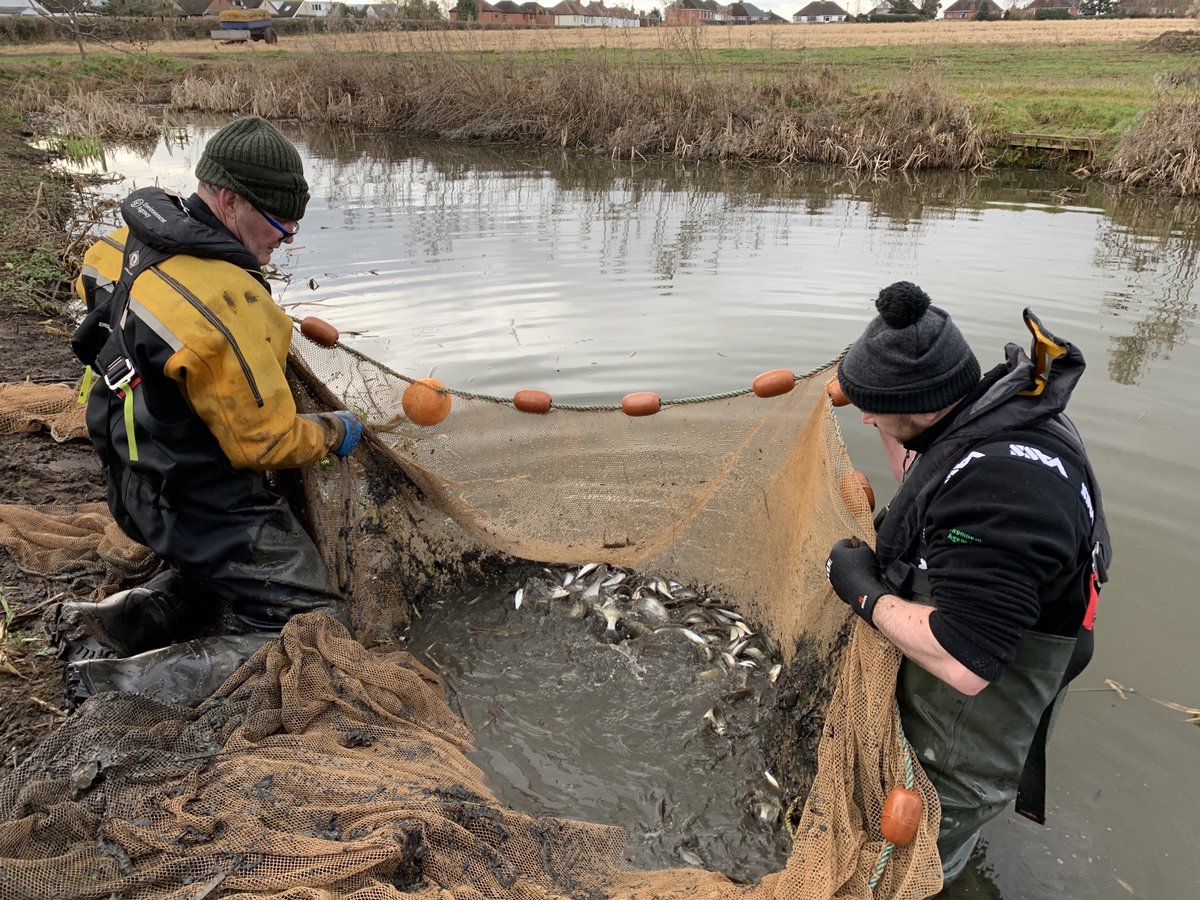
Our #fisheries team have been at a fishery near #Worcester where we have caught a sample of perch, roach & bream for a health check at @FishLab_EA
This type of fisheries management is all funded by the rod licence.
Make sure you have your licence👇
https://t.co/f5iTBUKXiq
Have you ever wondered how to age a fish and what we can learn from fish scales, check out this blog from our very own Conor McCormick
https://t.co/kvo7CwVoFK
#fishsci#fish@EnvAgency@GarethDDaviesEA
We are hiring - all permanent positions! Please get in touch if interested, deadline is 22nd February #fishsci@EnvAgencyAnglia@EnvAgency https://t.co/j0OCGrKOGh
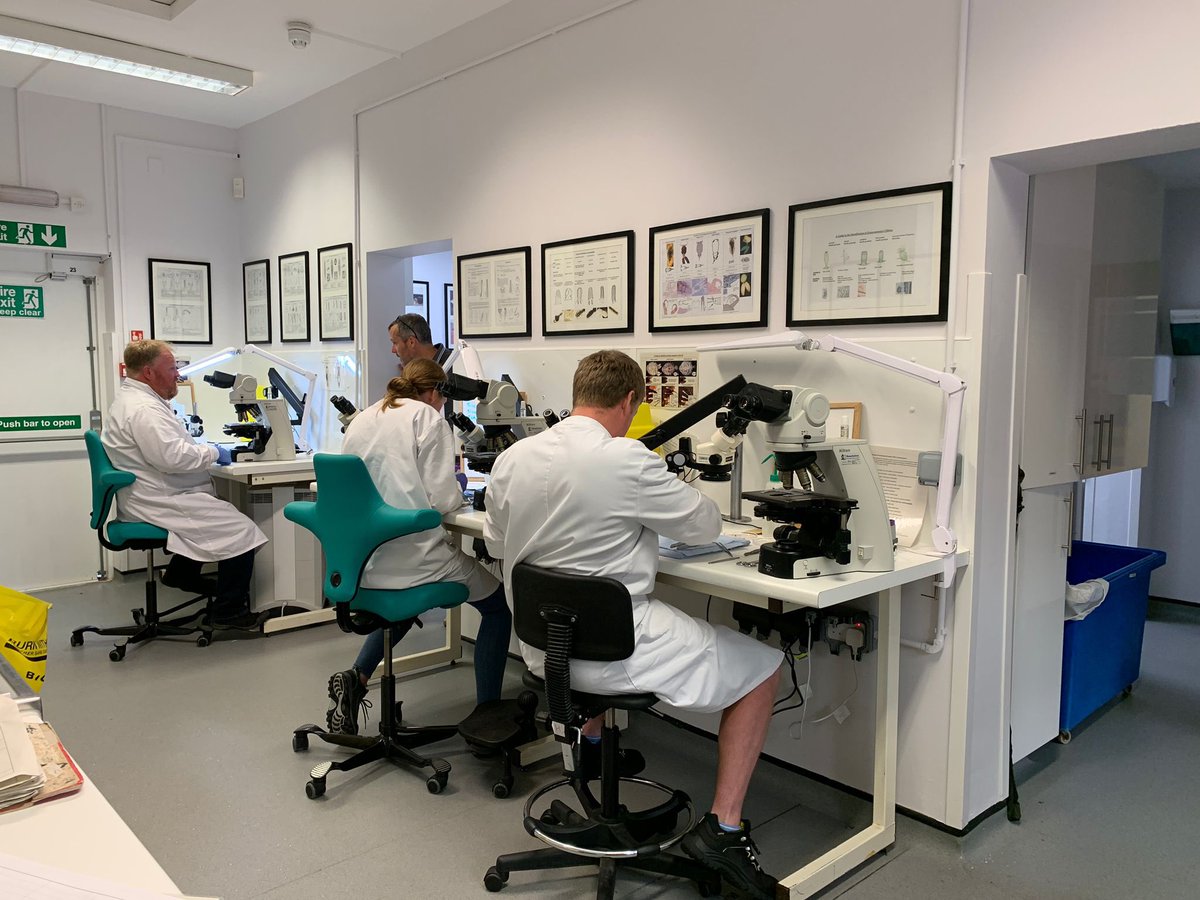
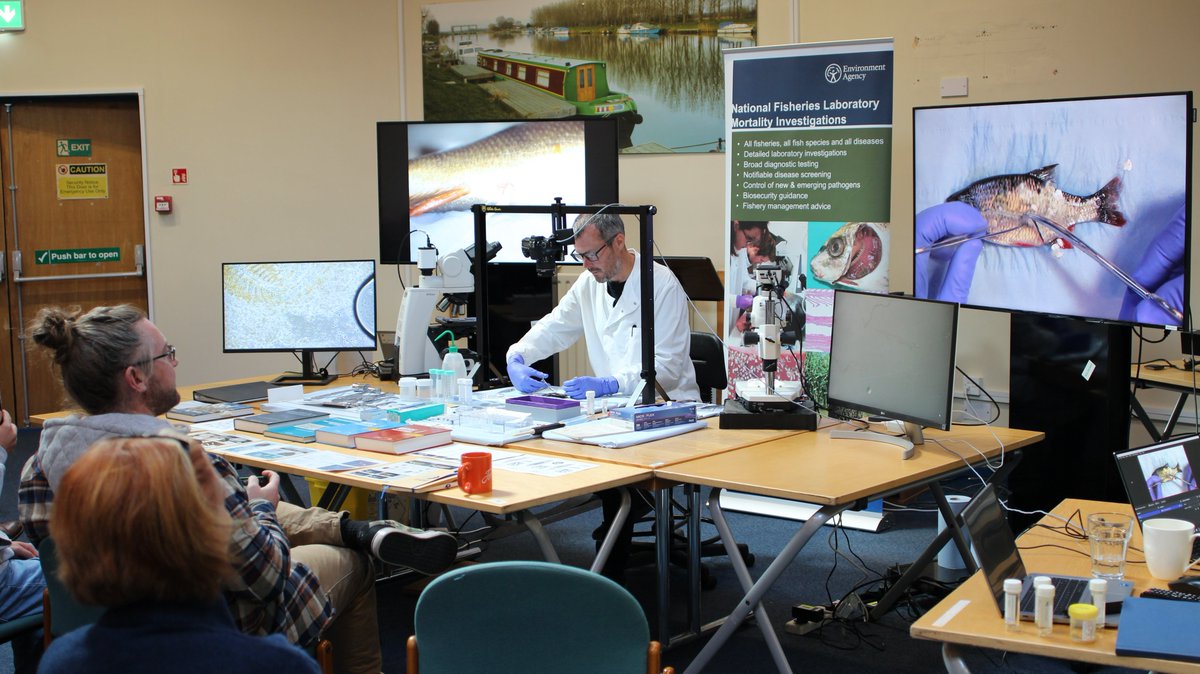
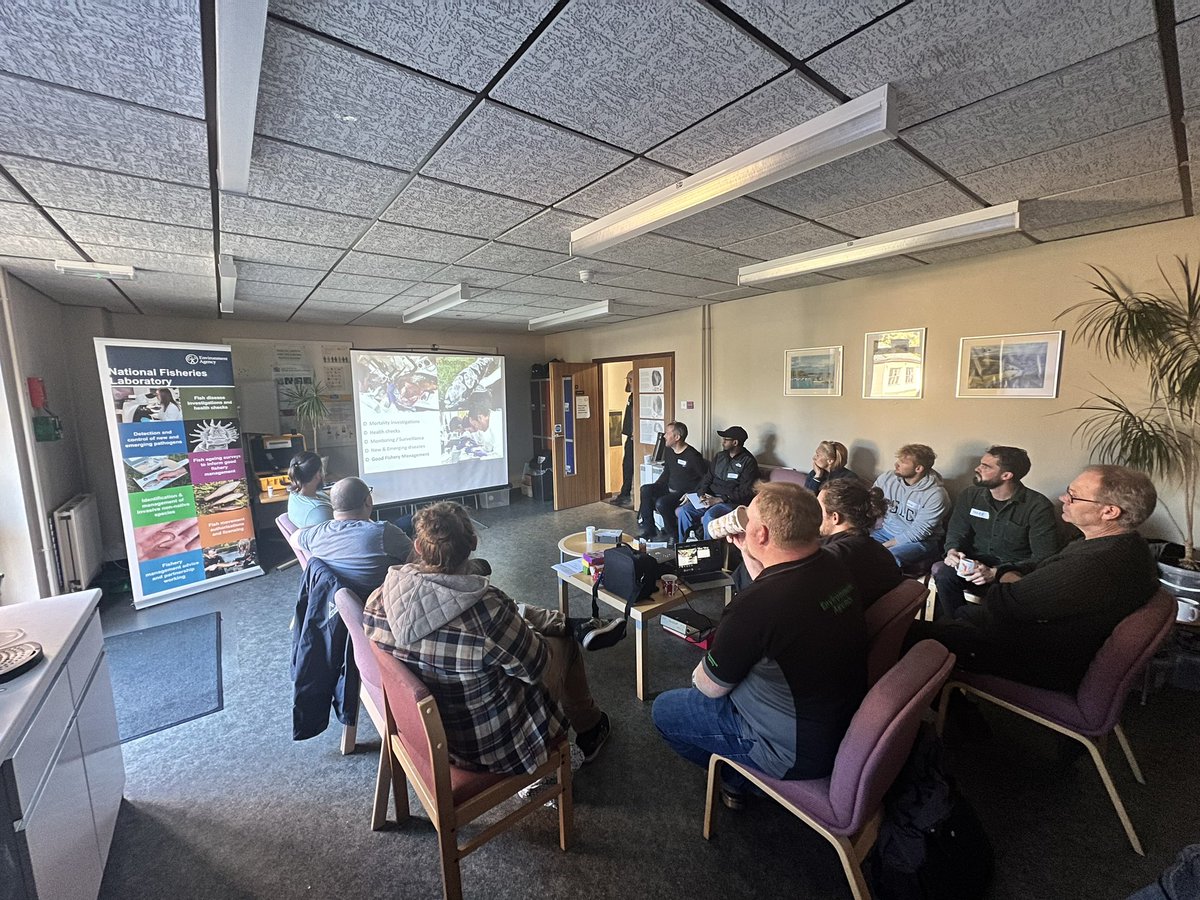
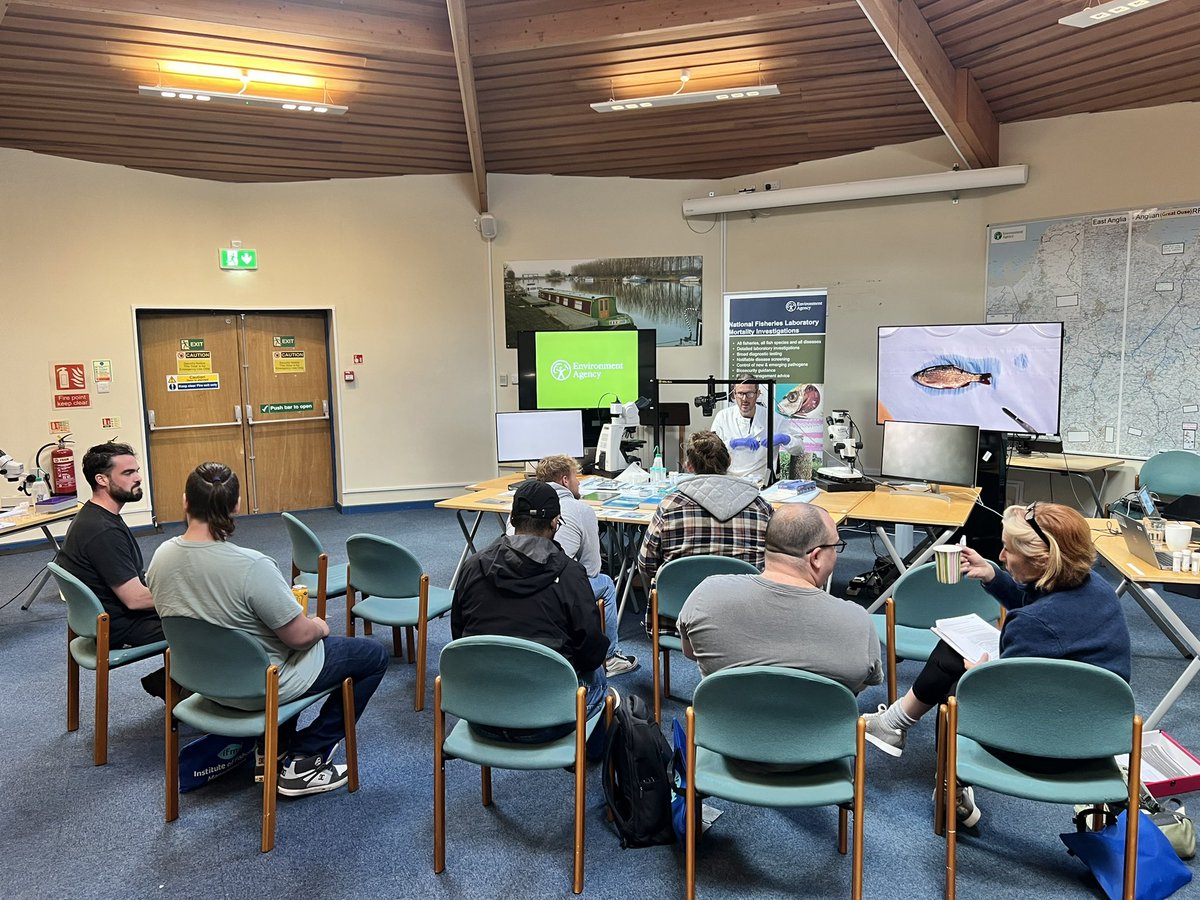
This weekend we hosted @IFMFish2 for the IFM Diploma course and showcased what we do in the lab, as well as a fish dissection! A wonderful weekend sharing and learning about fish health with keen fish enthusiasts! #FishHealth
Absolutely fantastic to be back with the amazing team at the National Fish Lab at Brampton Environment Agency for our Diploma weekend course . A fun and informative day awaits.
Primary test results allow us to select an Analytical Profiling Index (#API) test for the #bacteria in question. API strips contain up to 20 #biochemical tests. Once prepped, incubated and results read they can provide us with #species/#genus identification. #TeamEA#Fish
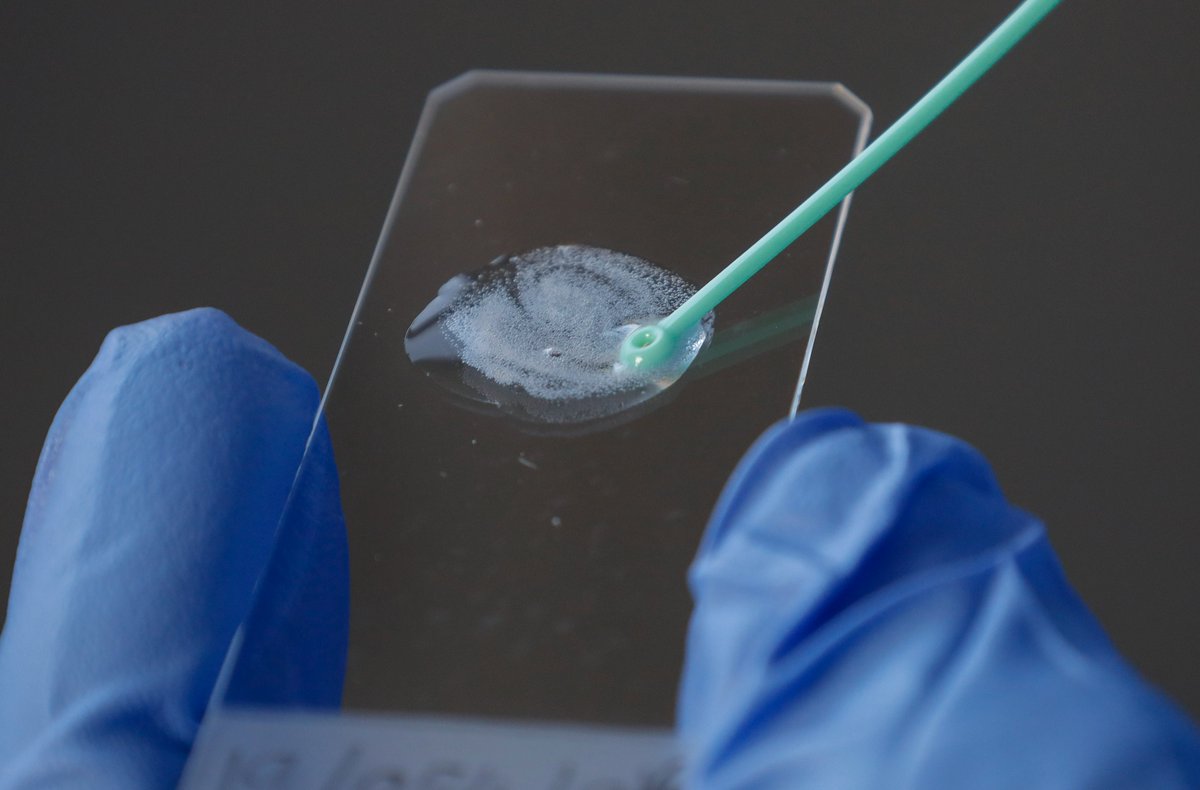
We have a motile, Gram-negative, rod-shaped #bacterium. These primary tests, as well as the #oxidase (+ve) and #catalase (+ve) reactions, help us to determine what kind of #bacteria we have growing on the plate! #TeamEA#Fish
Now the diagnostic work begins to figure out what #bacterial#species it is! We start by classifying it through biochemical/phenotypical tests to indicate the characteristics of the #bacteria we've cultured. These include Gram staining and catalase, oxidase and motility tests🦠🐟
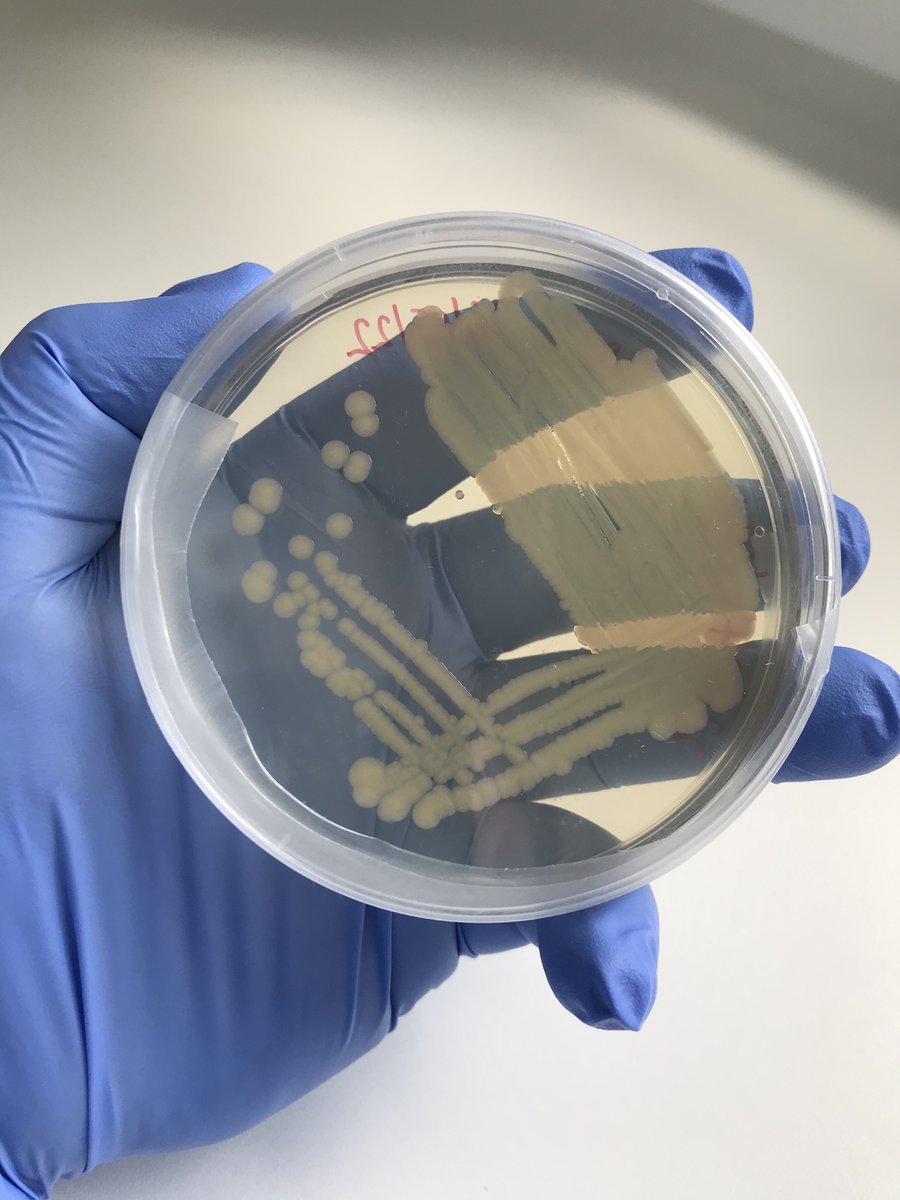
Here is some good #bacterial growth on a sub-culture agar plate from last week. Sub-culturing the original sample plates allows us to separate out individual #strains of #bacteria so that we get pure single-species #colonies of each bacteria from the original sample plate #TeamEA