The story of overwork is literally a story of diminishing returns—keep overworking, and you’ll do more work on tasks that are increasingly meaningless. https://t.co/maXw8ck4qj
Stanford just made a $200,000 AI degree free.
No application.
No tuition.
No “elite access”.
Stanford released its actual AI/ML curriculum on YouTube.
Not a PR-friendly intro.
Not “AI for the public”.
This is the real thing.
The same lectures shaping people working on frontier models.
What just became public:
Deep Learning (CS230)
→ https://t.co/DUtL9MO6Y7
Transformers & LLMs (CME295)
→ https://t.co/gN57biwLsE
Language Models from Scratch (CS336)
→ https://t.co/GnH11pPBdW
ML from Human Feedback (CS329H)
→ https://t.co/X9nxEX6PNg
Computer Vision (CS231N)
→ https://t.co/oBxKKWZP22
LLM Evaluation & Scaling
→ https://t.co/1tDpw9ArTq
The uncomfortable truth:
The degree isn’t the scarce asset anymore.
Execution speed is.
Top schools know this.
That’s why they’re publishing the playbook.
👉 Bookmark this.
Comment the first lecture you’ll actually watch.
nothing like sporting a swanky lab coat and talking chemicals! thanks to @MarsMaterials cofounders @FitzAaron and @KristianGubsch for the amazing tour. they invented a way to use CO2 from the atmosphere to make dirty water clean and carbon fiber that permanently traps the nasty💨
The deeper you go into the semiconductor supply chain, the less believable it becomes.
> TSMC, a company on a small island, produces over 90% of the world’s most advanced chips
> TSMC relies on dutch company ASML for EUV lithography machines
> ASML depends on German Company Carl Zeiss, the only firm in the world capable of making mirrors precise enough for ASML’s requirements.
> The light source for ASML’s EUV machines is produced by a single company in San Diego.
> The photoresists used to print transistor patterns are produced by Japanese firms like JSR and Tokyo Ohka Kogyo.
> The ultra-pure quartz needed to make silicon wafers comes entirely from a single mine in Spruce Pine, North Carolina.
> The copper and rare-earth materials inside chips are mined and refined across Chile, the Congo, and China.
> The specialized gases used in chipmaking, like neon and fluorine, largely come from Ukraine and Japan.
> The design blueprints for these chips often come from American companies like NVIDIA, AMD, and Apple, which rely on software tools from U.S. firms like Synopsys and Cadence.
Remove any single piece and the whole system collapses.
⛰️ Off to Day 2 of the .@earthxorg E-Capital Summit - let's do this! Pictured is a cute moment with my friend @FitzAaron from @MarsMaterials this morning at breakfast.
@codyaims Come tour @MarsMaterials pilot plant in Houston. We'll show you how negative Acrylonitrile is synthesized for PAN-based carbon fiber. #reshoring
Congrats to President-elect @realDonaldTrump. Politics is a dirty sport; but in the end, we all come together to form a more perfect union. I'm excited to continue my work creating good paying manufacturing jobs here in the US.
AP Race Call: Donald Trump is elected the 47th president of the U.S.
His win over Vice President Kamala Harris caps a historically tumultuous campaign that included two assassination attempts against him. https://t.co/vNyURdNHtn
BREAKING: In a stunning moment, Lindsey Graham blames Donald Trump for the border security legislation not passing. Retweet so all Americans see this and know Donald Trump is to blame for any border security related problems
If we’re being honest, we’ve all already felt this coming — but now the data is definitive. The H1’2024 climate tech funding market has fallen back to 2020 levels.
You guys, proud post thread of the year!!
First, we just completed the first close of Enduring Climate Fund 2, Enduring Planet's second vehicle for providing working capital to climate startups and SMBs!!!
https://t.co/w8xm0TsAM9
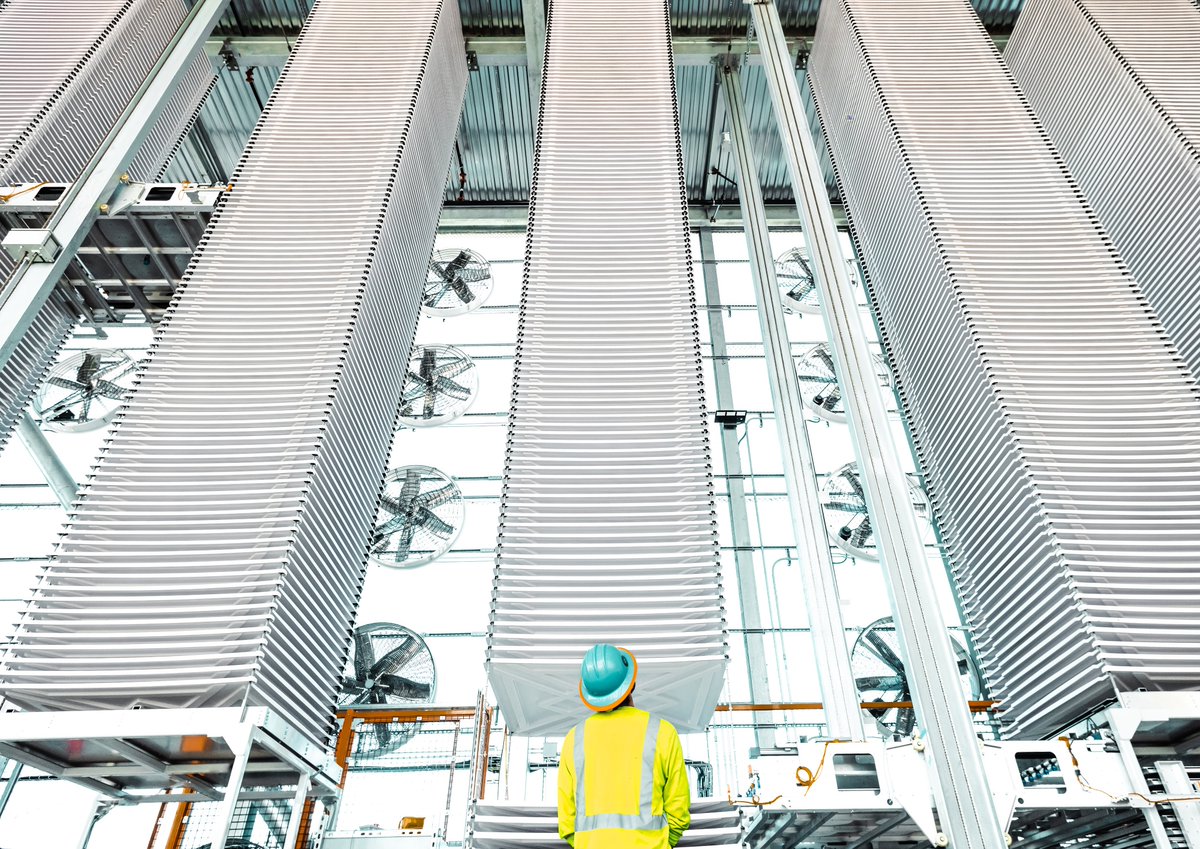
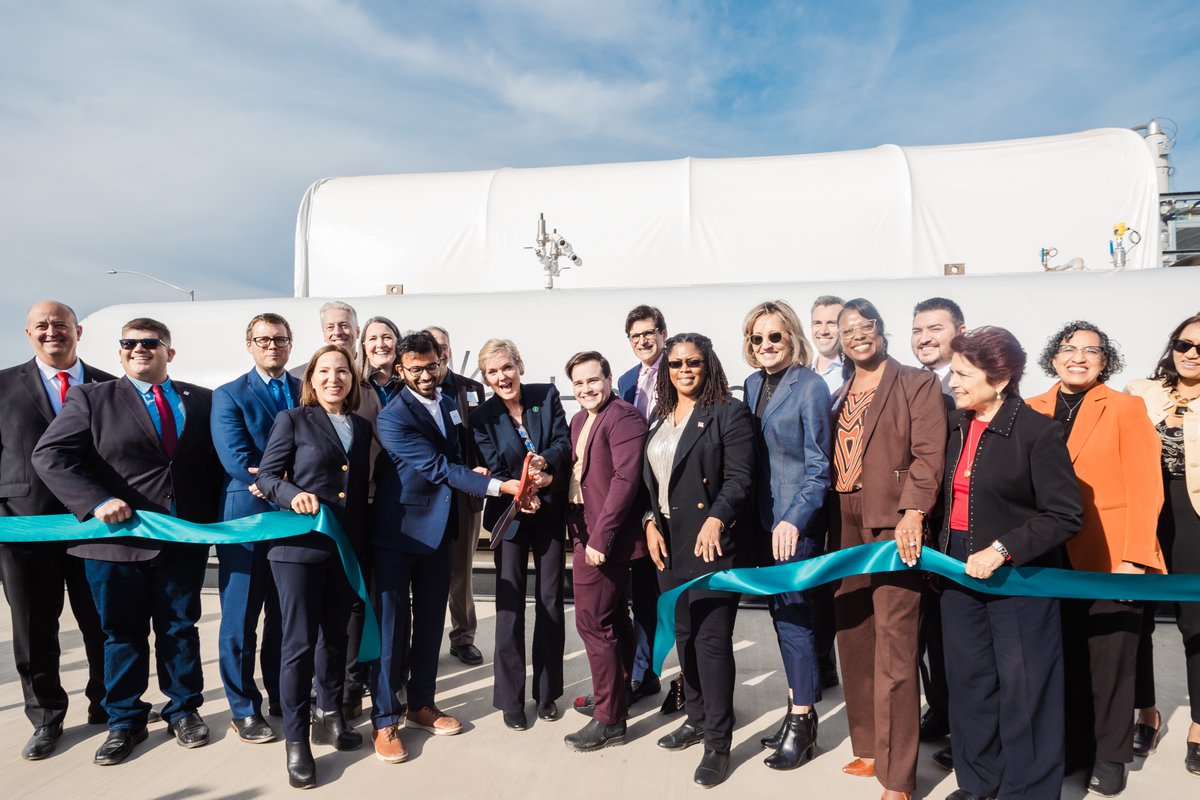
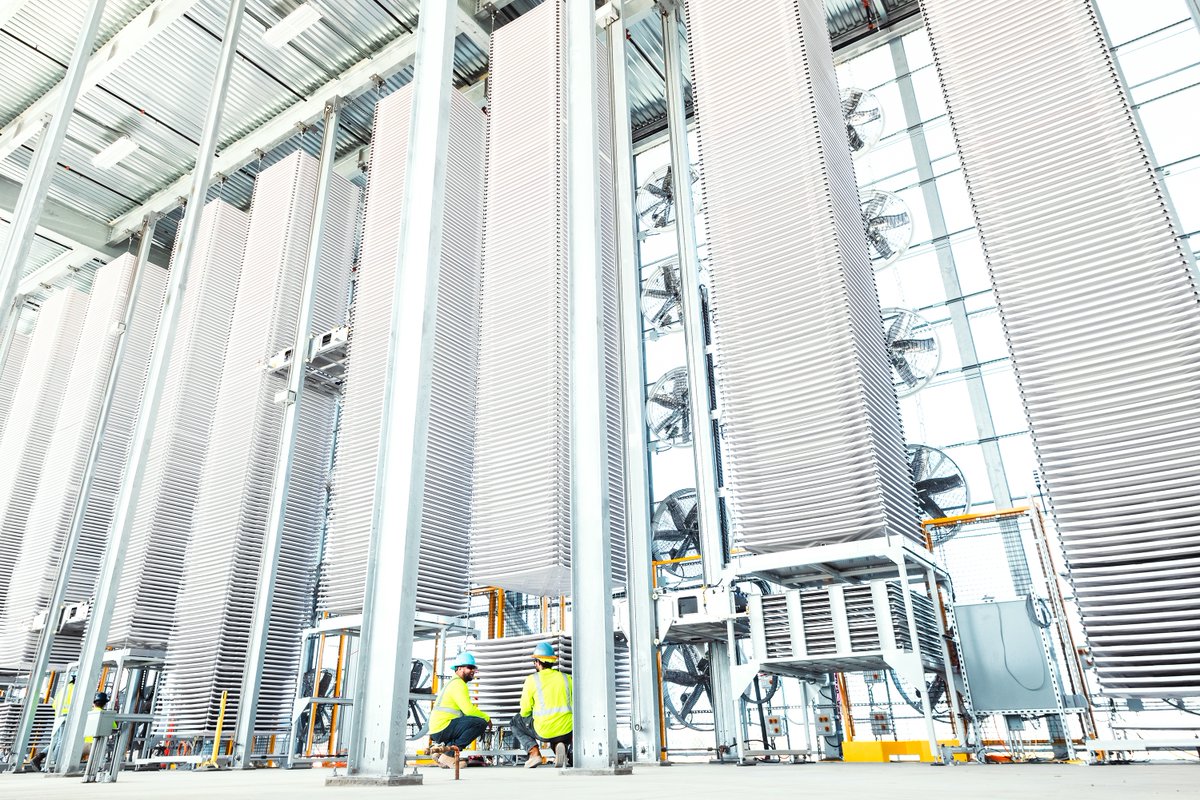
The United States officially has its first commercial Direct Air Capture facility!
Today we welcomed U.S. Secretary of @ENERGY, Jennifer M Granholm, and California Lieutenant Governor, Eleni Kounalakis, to unveil a facility in our home state of California where we'll capture and lock away CO2 from the atmosphere.
Powered by 100% renewable energy supplied by PG&E and Ava Community Energy, constructed with union labor, backed by catalytic buyers of best-in-class carbon removal, and built in partnership with the City and community of Tracy, this first facility is our blueprint for responsible removal at billion-ton scale and beyond.
With a capture capacity of up to 1,000 tons per year, the CO2 captured at this facility will go for storage in concrete with our partner @CarbonCure so that it cannot continue heating the planet.
This facility is more than a labor of love from the engineers, researchers, chemists, construction workers, scientists, managers, assistants, policy wonks, and architects who made it possible –– it is a promise of what is possible when committed people come together to get things done, and a promise that we will keep building today, tomorrow, and every day after until we’ve realized our vision of a safer and more stable climate.
You can read more about the technology, partnerships, and people behind this facility here: https://t.co/1dp1zJPCnT
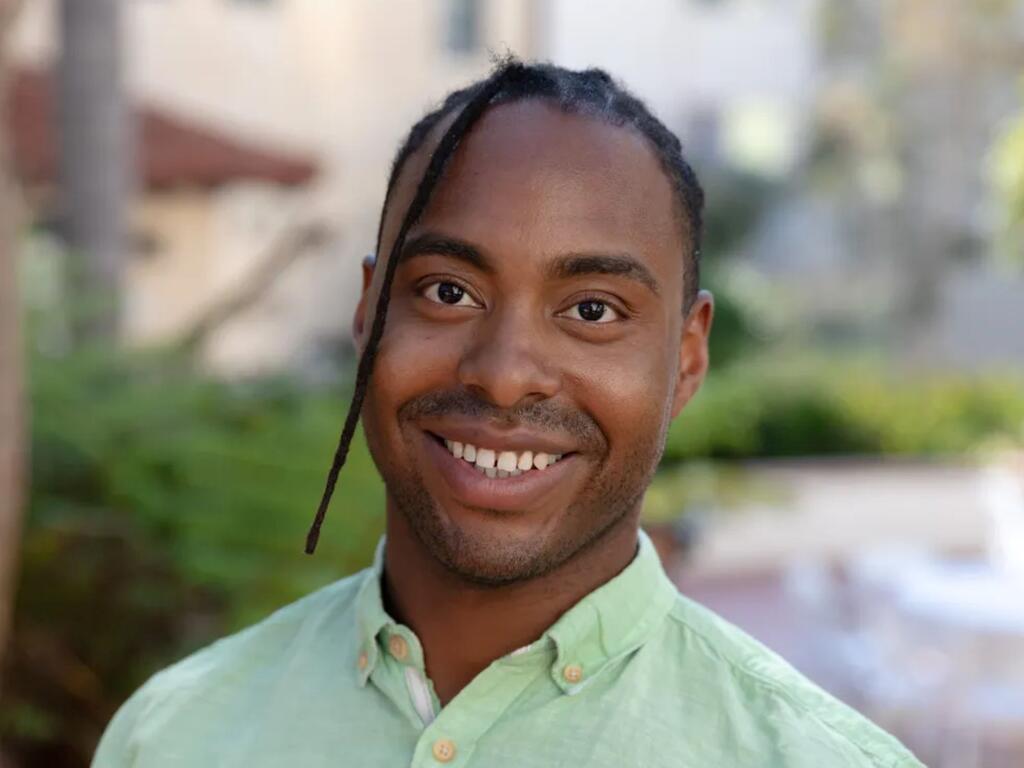
Alum Aaron Fitzgerald '10 has been recognized on the prestigious Grist 50 list, which celebrates the exceptional work of leaders and innovators nationwide dedicated to finding solutions for the most critical environmental issues.
Read more: https://t.co/3m687OYfNo
A HUGE thank you to everyone who joined our event during #NYTechWeek to learn about starting your own climate tech startup. Especially to our speakers for sharing their own stories abotu getting started. Here’s to getting as many climate tech startup founders started as we can.