On a hot July day, a single mature tree in your yard pumps somewhere around 100 gallons of water up from its roots and out through its leaves as water vapor. A mature elm with 150,000 leaves can clear that in a day.
As that water evaporates off the leaf surface, it carries heat away with it, the same basic physics that makes sweat work. The air around the canopy drops measurably.
The cooling effect of a single large tree transpiring 100 gallons of water is roughly equivalent to two household air conditioning units running all day. Except it runs on sunlight and groundwater, costs nothing, and has been doing it since before your house was built.
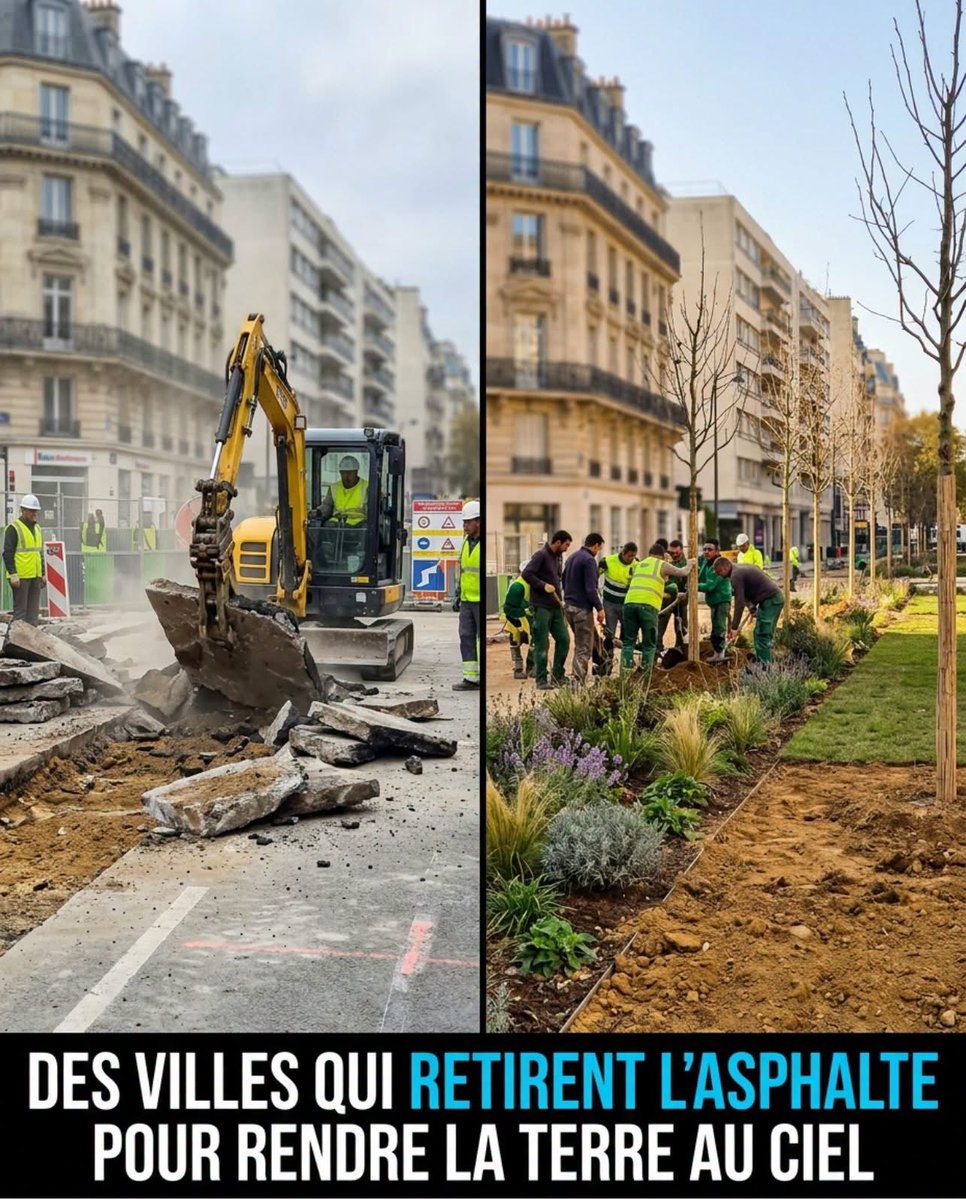
A yard with mature canopy runs 5 to 10 degrees cooler than a paved or treeless yard next door. That's not a feeling. It's a physics difference you can measure with a thermometer. The urban heat island is real, and it gets worse one removed tree at a time.
The best time to plant a tree was twenty years ago. The second best time is this weekend, before another hot ass July like this one comes around.
Installed a new tub pond in garden at the weekend as the bird drinking bowls were drying out too fast in hot weather. Filled it from a water butt, added a few plants and waited but not for long. The birds love it - this is from the wildlife camera today.
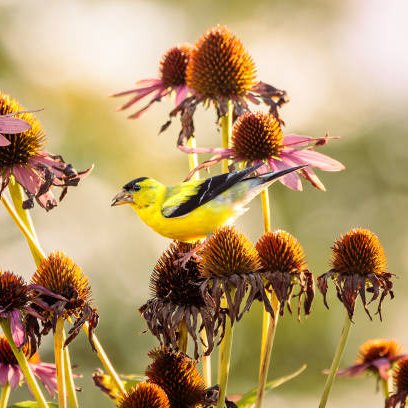
By mid July, your first wave of coneflowers have likely started to die back. But before you deadhead them, consider the babies those dried seedheads might be feeding.
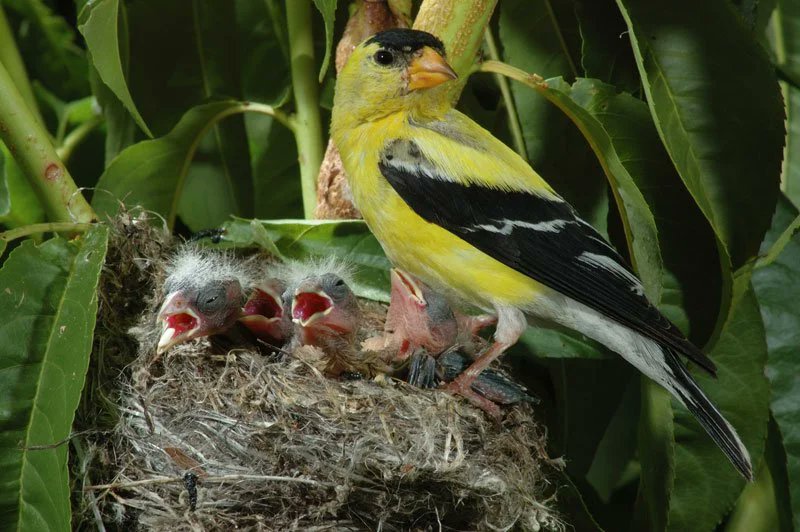
Goldfinches are one of the few songbirds that feed their nestlings seeds rather than insects. They are highly dependent on seed-heads, like your coneflowers, to raise their broods. No seeds could mean no goldfinches in your yard.
By the time August rolls around, Goldfinches start looking hard for coneflower seed heads. Same with sunflowers, black-eyed susans, and native grasses. Your "messy" dried up stalks are an important part of the food web.
Skip the seed head cleanup in the fall too. The seeds will feed your local song birds well into winter and the hollow stems of spent coneflowers provide shelter to native bees. Food and habitat all rolled into one.
Devon based artist
Lesley Hook
Watercolours and Mixed Media she builds up in layers
A blast of colour inspired by nature and her love of textiles patchwork and embroidery
Terry Harrison
I used to enjoy posting his work and was saddened to hear he had died at the young age of 66 So sad
Landscapes and general seaside paintings like these two
Lots to see
Sadly missed
La prochaine canicule est déjà en vue autour du 10 juillet... et vous pourriez être tenté par une des nombreuses pubs pour une climatisation "pas chère" plus ou moins miraculeuse.
Alors voici quelques arnaques à éviter ! ⏬
Canada built bridges for bears, and the bears used them.
So did wolves, cougars, elk, moose, lynx, wolverines, bighorn sheep, black bears, deer, and almost everything else trying to cross one of the busiest highways in the Rockies.
The Trans-Canada Highway cuts through Banff National Park for 82 km. For decades, it did what highways do: split habitat in half, severed migration routes, isolated populations, and turned animal movement into roadkill.
So Parks Canada tried something that sounded ridiculous to a lot of people at the time: they built wildlife bridges and tunnels.
They look nice, but they're far from a decoration. Forested overpasses wide enough for grizzlies and elk. Dark underpasses for cougars and black bears. Fencing along the highway to keep animals off the pavement and guide them toward safe crossings.
At the time, critics called it a waste of money and editorials opined that animals would never use them.
Fortunately, animals don't read opinion pieces. Since monitoring began, wildlife have used Banff’s crossings more than 250,000 documented times.
Grizzlies took years to trust them. Elk started testing them while they were still under construction. Different species chose different designs: grizzlies and elk tended to prefer wide, open overpasses, while cougars and black bears often used narrower underpasses.
The results were not subtle. Wildlife-vehicle collisions dropped by more than 80% overall. For elk and deer, they dropped by more than 96%.
Banff now has one of the most studied wildlife crossing systems on Earth, and countries around the world have looked to it as a model.
#Orages Paris en vigilance canicule ET orages vents violents, la température chute d'une dizaine de degrés mais...
ces orages pourront s’accompagner de grêle et de rafales jusqu’à 100 km/h
... carte de suivi des pluies en Ile-de-France⛈️
https://t.co/TdvLr4AH7Y
You don't have to have a huge yard to help the bees. If all you have is a balcony, put a native black-eyed Susan in a pot. It'll feed hundreds of bees this summer.
The dark center is packed with hundreds of tiny flowers, each one basically a shallow little nectar cup for small bees, flies, wasps, butterflies, and other pollinators.
It blooms for weeks, fits in a container, and can feed hundreds of pollinators. And if you leave the seedheads standing, birds like goldfinches may come for those too.
You do not need an acre to start helping wildlife. Sometimes you just need one pot, one native plant, and the decision not to make your outdoor space sterile.