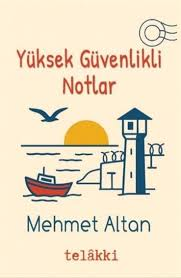
"Ben bu kitabı hapishaneden çıktıktan sonra bitirdim ve saklı kalmasını istemedim.
Hani böyle denize kâğıttan kayık atarsın ya onun gibi…
Eğer buna ulaşıp bu kâğıttan yapılmış oyuncağa eli değen olursa iyi zaman geçirmesini dilerim, geçirilmiş iyi bir zaman karesinin anıları olmasa da…"
Mehmet Altan
https://t.co/r87BPXzZx5
Jeremiah Denton, piloto da Marinha dos EUA, foi abatido e capturado em 1965 no Vietnã do Norte. Em maio de 1966, forçado a entrevista de propaganda na TV, piscou “T-O-R-T-U-R-E” em código Morse (fingindo incômodo com as luzes) enquanto declarava apoiar seu governo.
Contexto da tortura: prisioneiros sofriam espancamentos, isolamento solitário longo, fome e interrogatórios brutais para obter confissões e propaganda.
Consequências da mensagem: foi a 1ª confirmação clara para a inteligência naval americana de que os POWs eram torturados. Denton sofreu mais torturas como punição. Ajudou a expor o caso e gerar pressão internacional. Libertado em 1973, virou senador e herói condecorado.
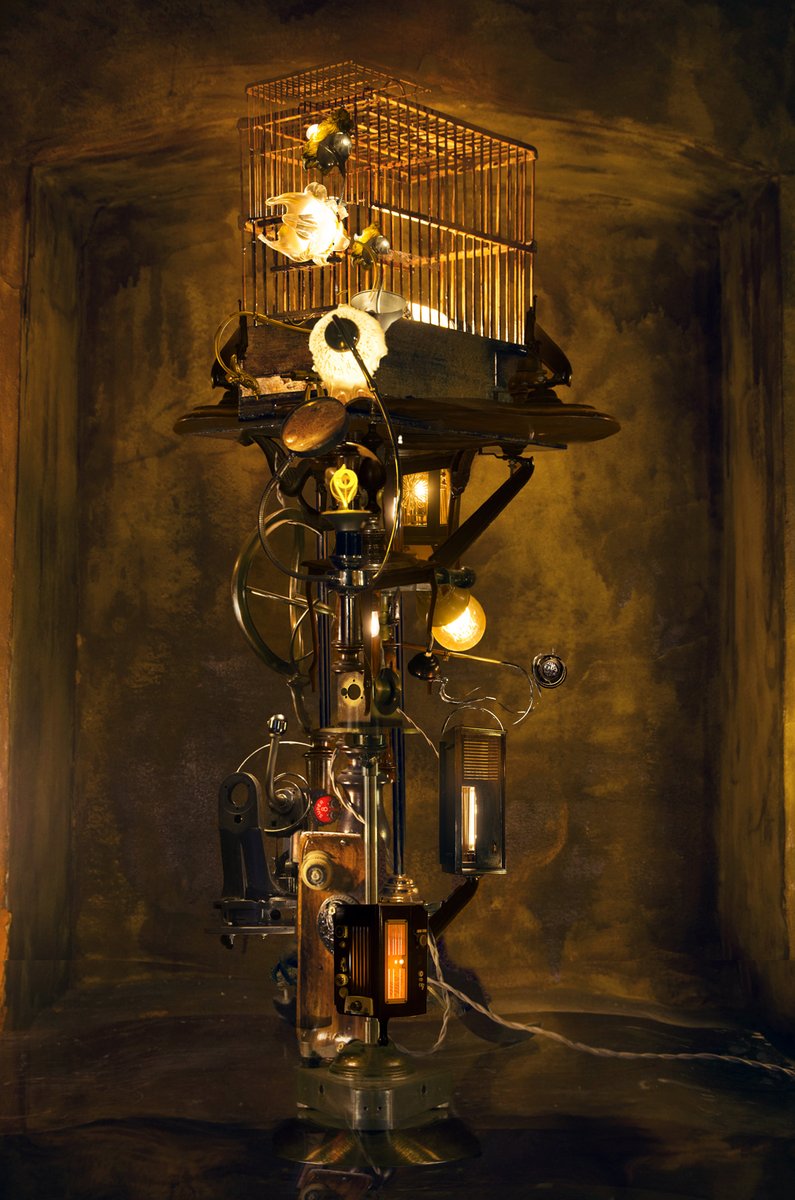
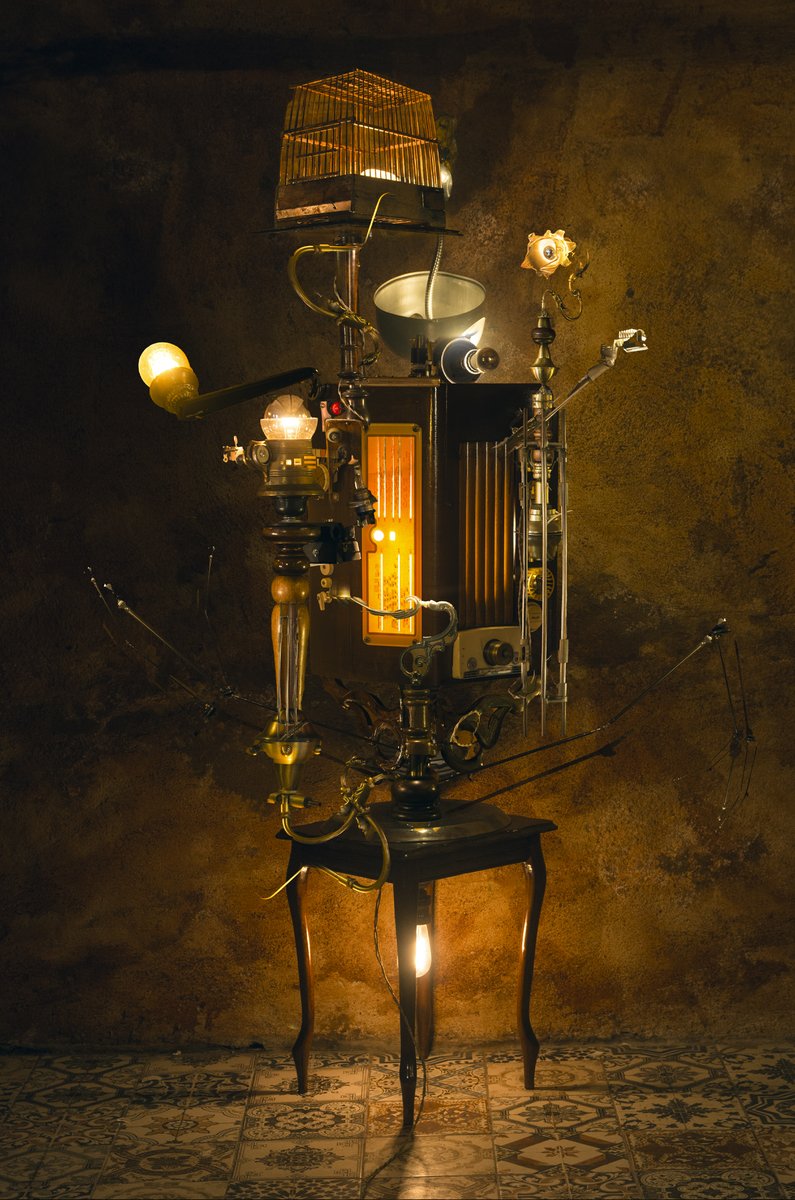
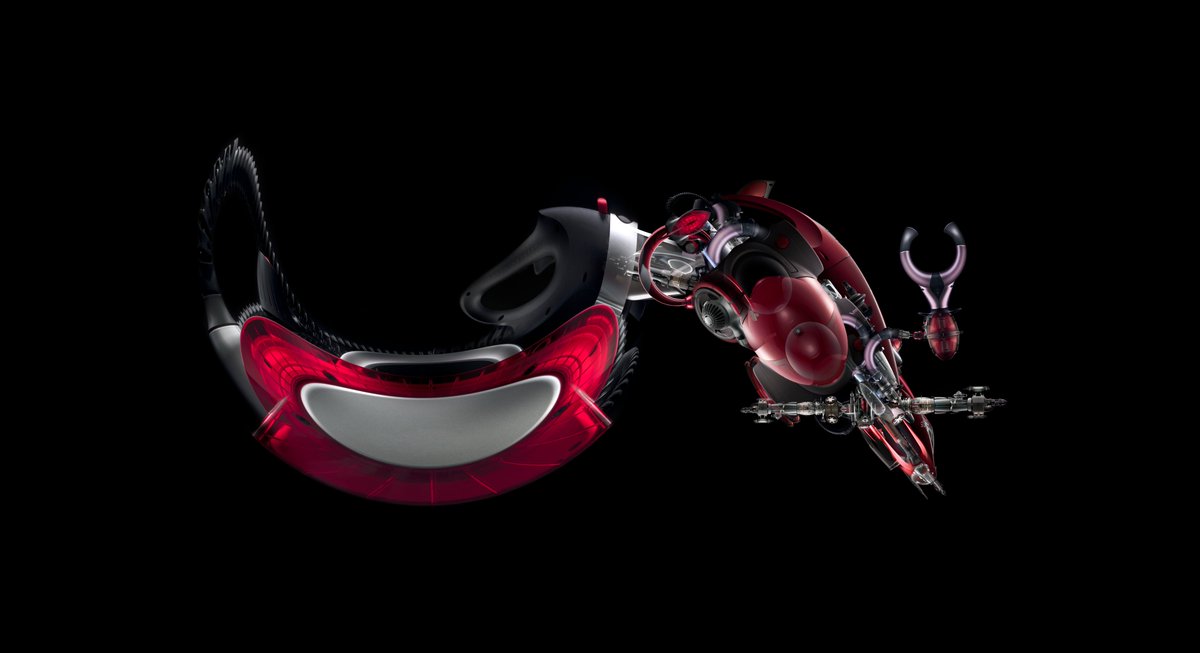
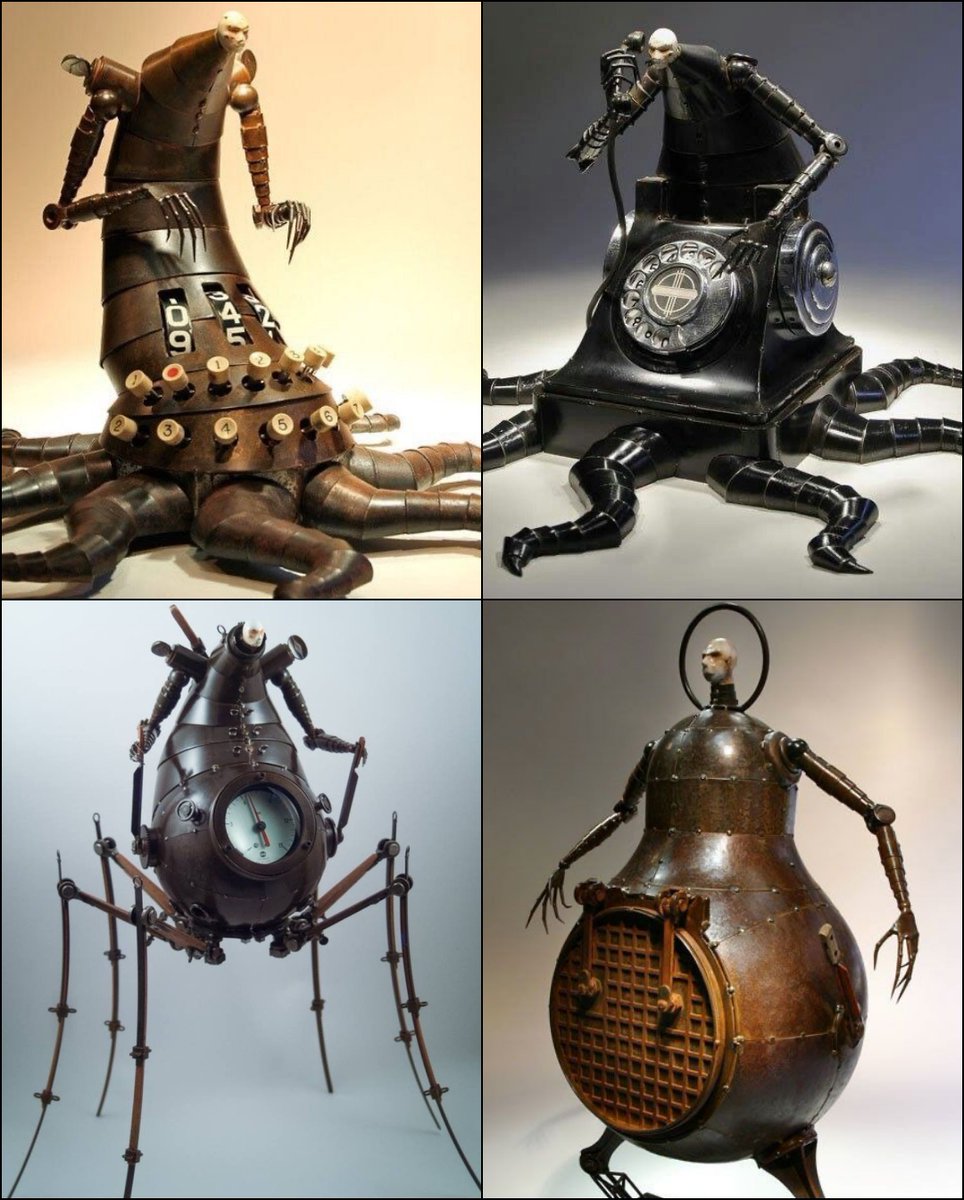
Mechanical Characters by Greg Brotherton
Greg Brotherton, the sculptor behind Brotron, creates a world where industrial scrap and vintage hardware evolve into haunting, heroic figures. His work explores a post-industrial, dystopian vision heavily influenced by early 20th-century political fiction and Kafkaesque imagery.
The "mechanical history" Brotherton crafts is a blend of fine craftsmanship and found-object assembly. Each character is hand-hammered from steel and integrated with salvaged items—ranging from 1950s Electrolux vacuums to typewriter parts and musical instruments. These sculptures often represent the "quiet genius" of an isolated world, acting as a bridge between a desolate past and an imaginative, mechanical future.