Welcome to the delegates of our second annual plenary meeting starting tomorrow in Nördlingen. The teams from our 7 sub-projects will present the results of current research. @uni_tue@TUDarmstadt@UniLeipzig@dai_weltweit
Spacialist-Schulung an der @uni_tue: mit diesem Tool lassen sich die raumbezogenen Daten aus Archäologie, Geschichtswissenschaften und der Geowissenschaften unserer Teilprojekte verschneiden und modellieren. 👌👍
Tomorrow starts our first plenary meeting of the priority program. We are looking forward to welcome all participants at the university of Leipzig. We´ll discuss the progress of the individual projects and aims and objectives of working groups. Stay tuned 👉#FluvA2024
@BayernsBauern Das Donaumoos ist im Fokus eines unserer Projekte: wir untersuchen die Besiedelungsgeschichte des Donaumooses. Wann wurde wie und von wem das Moos trocken gelegt?
Preparing for the @archaeologyEAA meeting in Rome in 2024: We are organizing session #965 In-Situ Sensing of (Geo-)Archaeological Soil and Sediment Archives: Emerging Methodologies and Applications. Paper submissions welcome, please get in touch with @LukasWerther#eaa2024
The CfP for the 30th EAA Annual Meeting #EAA2024 in Rome is now open. You can submit and present one paper (oral presentation) and one poster as first author, but these should be submitted separately. Deadline is the 8/02/2024. For any questions, contact [email protected]
GIS ist ein wichtiges Tool für alle unsere Projekte. Die AG Altkarten veranstaltete daher eine QGIS-Schulung im Schloss Hohentübingen. Wir freuen uns auf die Digitalisierung der vielen prächtigen Altkarten aus der frühen Neuzeit🌎
The first meeting of our PhD students and early career scientists at the Uni of Potsdam's Gülper Lake research station was a complete success! Over three days, we fostered networking and knowledge exchange, with participants from all 8 projects in attendance 1/2
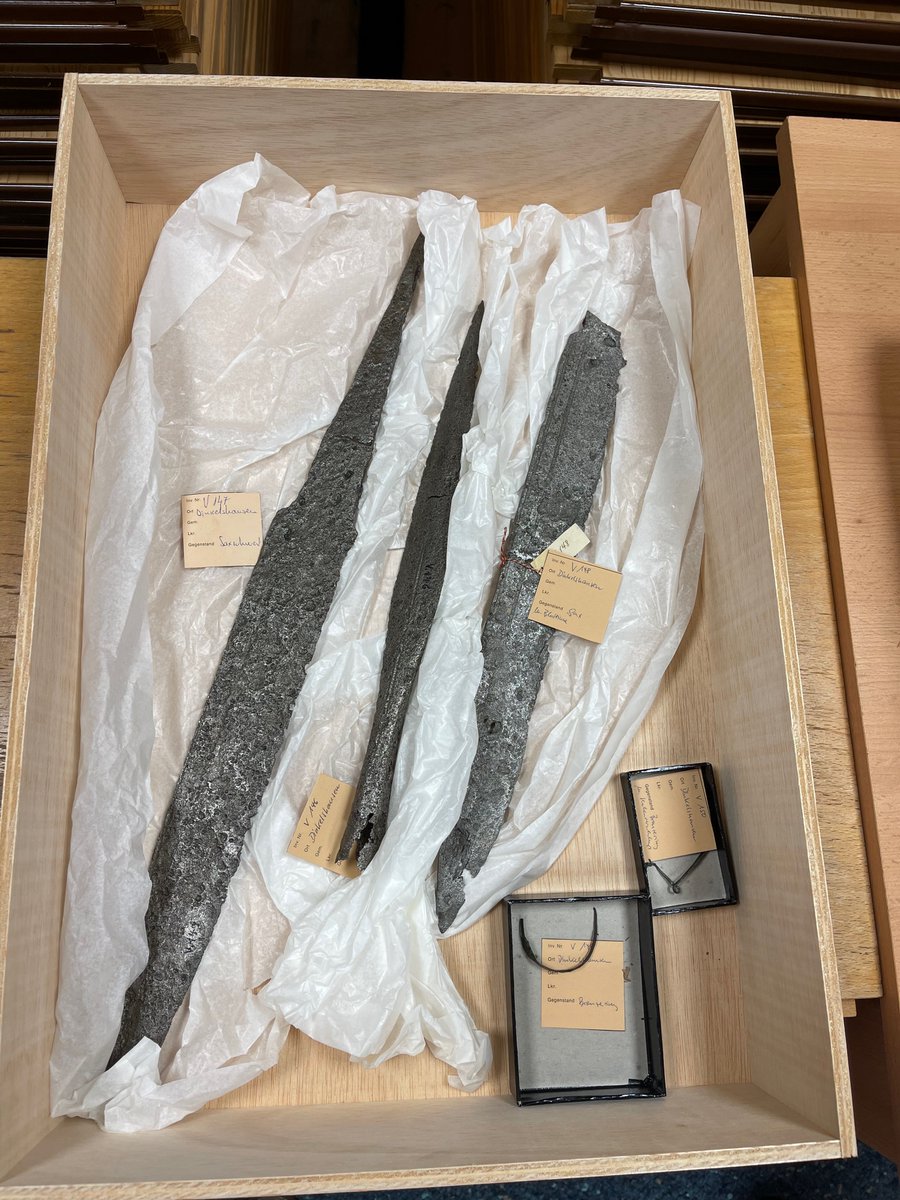
Eines unserer Projekte erforscht Aspekte der Nutzung der Moore im #Donaumoos und im #Havelland. Frühmittelalterliche Grabfunde aus Dinkelshausen, Lkr. Neuburg-Schrobenhausen, zeigen die Nutzung des Moores bereits zu dieser Zeit. #Neuburg
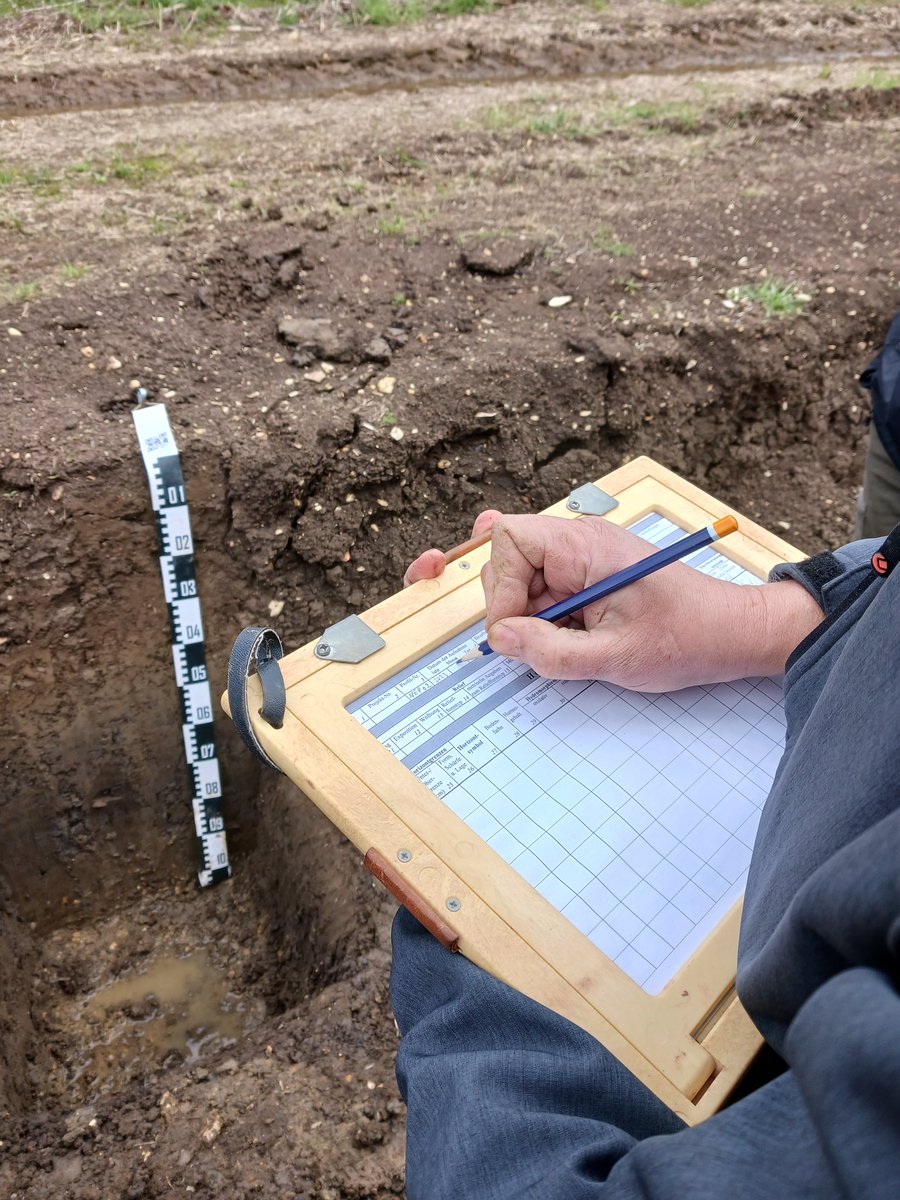
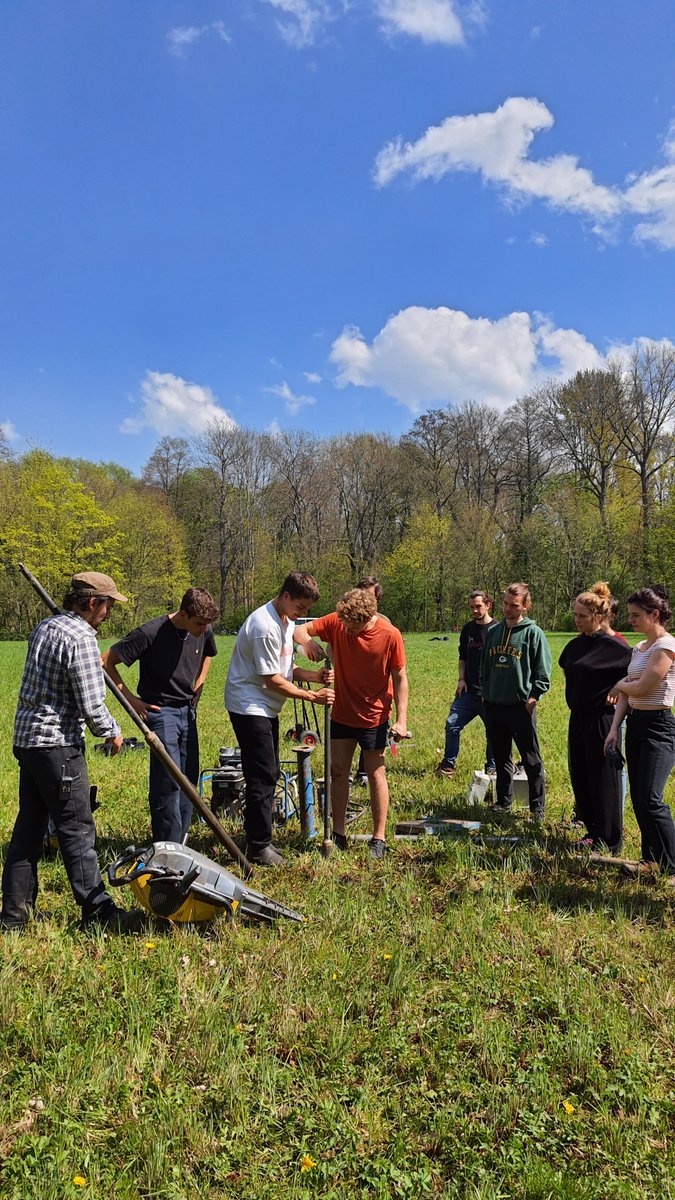
Back in the field! Our teams from Leipzig and Tübingen are currently exploring the floodplains of Echaz and Eger with geophysics and drillings as part of
@FluvialeA
Our "Wiesent project" is now on Instagram. 👉Find us there at @spp2631_wiesent with pics and updates on the Wiesent river system in the Northern Franconian Alb in the Medieval and Post-Medieval Period.
Time for waders and rubber boots: the @UniJena palaeontology group, with Peter Frenzel, @qianwei_wang22 and @EllaQuante, sampled modern ostracods in the sediments along the rivers Echaz and Eger, to compare with (sub)fossil faunas and get info on human impacts 🔬
Were Leipzig floodplains already polluted during the medieval and early modern period? Geographers with @JoeSchmidt_Geo from @UniLeipzig doing vibracoring to recover sediments from the Parthe river trying to answer this.
The kick-off meeting for our SPP went very well and left all participants looking forward to the actual start of the programme. On 3 April, eight projects will start their work. Details on the 8 projects can be found here.
👇
https://t.co/rqrbGTghBx