The terminology of "genocide" in Netanyahu's speech yesterday
How Netanyahu tried to weaponize "genocide" to save his place in history
Inventing a war aim after the war ends so it can later be declared achieved is not a new tactic. Yesterday, in his first speech after the agreement between Tehran and Washington, Benjamin Netanyahu told Israelis that he had spared them "genocide." Had he and Trump not intervened—and the relentless emphasis on "he and Trump" ran throughout the speech—Iran would have acquired a nuclear weapon.
Return to the "genocide" Netanyahu claims to have averted. He says he has pushed it back, which means the threat still stands; it has merely been postponed. The choice of word is deliberate. So is its dilution. The aim is to identify so closely with the original that the observer can no longer tell them apart.
Take the Palestinian home whose stones are numbered, removed, and rebuilt in a settlement: the new structure becomes an "Israeli building." Can you tell it from the Palestinian original? Take the Israeli model who wears an embroidered thobe and calls it traditional Israeli dress. Take the settlers who seized Palestinian homes in Jerusalem's Al-Bustan neighborhood and handed out sweets after one of their own stabbed a Palestinian.
The use of the word "genocide" in yesterday's speech is not incidental.
The Prime Minister whom few believed yesterday wants to seize the moment and remind people that the Jewish people were on the brink of genocide—and that only he and President Trump prevented it through what he called a magnificent operation.
The aim is to loosen the word's grip on the public mind. In recent years, "genocide" has come to refer—directly, completely, without qualification—to the genocide in Gaza. Netanyahu wants to take the word back.
This is not a new move. Alongside his battles against political rivals inside Israel, Netanyahu has long worked to recast the Zionist project within a civilizational struggle, placing himself at its center: the savior of Western civilization against Islamic civilization.
His use of "genocide" reinforces that frame. It presents him, in his own telling, as the man who saved the Jewish people from a catastrophe about to strike, whose threat still looms. That is why he said: "We have pushed it back for years."
Yesterday's use of the word is the culmination of a thirty-year rhetorical project. Netanyahu has never stopped presenting Iran as a future catastrophe threatening Jewish existence in Palestine, and has long argued that the work to prevent it must be done in the present.
Today, in his telling, the action taken by him and his friend Trump has pushed back the threat, the catastrophe, the genocide.
The man is obsessed with greatness, and today he says so openly. The security of Israel and the future of its project, he insists, pass through him and him alone. On that point, he may genuinely believe what he is saying. That was the message at the heart of yesterday's speech: Netanyahu wants to be remembered as the man who prevented catastrophe from befalling the Jewish people once again.
The speech contains many points worth examining. I have devoted this post to one: the use of the word "genocide" in an important and consequential address.
Smotrich announces the cancellation of the Hebron Agreement:
"I want to reveal today a historic step we completed yesterday. For decades, planning and construction powers over the Jewish community in Hebron and the holy sites in the West Bank were restricted by arrangements set in place during the Oslo Accords. We have now taken a dramatic decision that changes that reality. Yesterday, the Higher Planning Council of the Civil Administration completed the step, withdrawing the planning powers over the Jewish community in Hebron. We have effectively cancelled the Hebron Agreement and returned this historic city to our responsibility."
سموتريتش يعلن إلغاء اتفاق الخليل:
"أود أن أكشف اليوم عن خطوة تاريخية استكملناها أمس، فبعد عشرات السنوات التي ظلت فيها صلاحيات التخطيط والبناء في التجمع اليهودي في الخليل وفي الأماكن المقدسة في الضفة مقيدة بالترتيبات التي نشأت في أيام اتفاقات أوسلو، اتخذنا قرارا دراماتيكيا يغير الواقع ... أمس استكمل المجلس الأعلى للتخطيط في الإدارة المدنية الخطوة، وسحب مجددا صلاحيات التخطيط المتعلقة بالتجمع اليهودي في الخليل، لقد ألغينا فعليا اتفاق الخليل، وأعدنا هذه المدينة التاريخية إلى مسؤوليتنا".
The terminology of "genocide" in Netanyahu's speech yesterday
How Netanyahu tried to weaponize "genocide" to save his place in history
Inventing a war aim after the war ends so it can later be declared achieved is not a new tactic. Yesterday, in his first speech after the agreement between Tehran and Washington, Benjamin Netanyahu told Israelis that he had spared them "genocide." Had he and Trump not intervened—and the relentless emphasis on "he and Trump" ran throughout the speech—Iran would have acquired a nuclear weapon.
Return to the "genocide" Netanyahu claims to have averted. He says he has pushed it back, which means the threat still stands; it has merely been postponed. The choice of word is deliberate. So is its dilution. The aim is to identify so closely with the original that the observer can no longer tell them apart.
Take the Palestinian home whose stones are numbered, removed, and rebuilt in a settlement: the new structure becomes an "Israeli building." Can you tell it from the Palestinian original? Take the Israeli model who wears an embroidered thobe and calls it traditional Israeli dress. Take the settlers who seized Palestinian homes in Jerusalem's Al-Bustan neighborhood and handed out sweets after one of their own stabbed a Palestinian.
The use of the word "genocide" in yesterday's speech is not incidental.
The Prime Minister whom few believed yesterday wants to seize the moment and remind people that the Jewish people were on the brink of genocide—and that only he and President Trump prevented it through what he called a magnificent operation.
The aim is to loosen the word's grip on the public mind. In recent years, "genocide" has come to refer—directly, completely, without qualification—to the genocide in Gaza. Netanyahu wants to take the word back.
This is not a new move. Alongside his battles against political rivals inside Israel, Netanyahu has long worked to recast the Zionist project within a civilizational struggle, placing himself at its center: the savior of Western civilization against Islamic civilization.
His use of "genocide" reinforces that frame. It presents him, in his own telling, as the man who saved the Jewish people from a catastrophe about to strike, whose threat still looms. That is why he said: "We have pushed it back for years."
Yesterday's use of the word is the culmination of a thirty-year rhetorical project. Netanyahu has never stopped presenting Iran as a future catastrophe threatening Jewish existence in Palestine, and has long argued that the work to prevent it must be done in the present.
Today, in his telling, the action taken by him and his friend Trump has pushed back the threat, the catastrophe, the genocide.
The man is obsessed with greatness, and today he says so openly. The security of Israel and the future of its project, he insists, pass through him and him alone. On that point, he may genuinely believe what he is saying. That was the message at the heart of yesterday's speech: Netanyahu wants to be remembered as the man who prevented catastrophe from befalling the Jewish people once again.
The speech contains many points worth examining. I have devoted this post to one: the use of the word "genocide" in an important and consequential address.
ترمينولوجي "الإبادة " في خطاب نتنياهو بالأمس..
كيف حاول نتنياهو توظيف " الإبادة" لإنقاذ سيرته في التاريخ!؟
اختراع هدف للحرب بعد الحرب كي يقال انه تحقق هذه ليست فعالية جديدة، بالأمس في خطابه الأول بعد التوصل لمذكرة اتفاق بين طهران وواشنطن، قال بنيامين نتنياهو للإسرائيليين إنه أبعد عنهم "الإبادة "، وإنه لو لم يتدخل هو وترامب - التركيز الحثيث على هو وترامب طيلة الخطاب- لامتلكت ايران سلاحا نوويا.
المهم لنعد " للإبادة" التي قال نتنياهو أنه أبعدها - يعني خطرها لا يزال قائما هي فقط أبعدت مرحليا" .. استخدام المصطلح مقصود، تعويم المصطلح مقصود وهذا يندرج ضمن استراتيجية مبنية على التماهي مع الأصل حتى لا يفرق الناظر بينك وبين الأصل ..
◾️يعني مثلا عندما تسرق حجارة بيت فلسطيني قديم بعد ترقيمها وتعيد بنائها مرة اخرى بحسب الأرقام في مستوطنة سيسمى المبنى الجديد " مبنى اسرائيلي" بحسب اسرائيل هل تستطيع تفريقه عن الفلسطيني؟! عندما ترتدي عارضة ازياء اسرائيلية ثوبا مطرزا وتسميه زي تقليدي اسرائيلي، عندما يوزع المستوطنون الذين استولوا على بيوت المقدسيين في حي البستان في القدس الحلوى بعد عملية طعن قام بها أحدهم ضد فلسطيني ..
وعليه استخدام مصطلح إبادة في خطاب الأمس ليس عبثيا ..
اذ يريد رئيس الوزراء الذي لم يصدقه أحد بالأمس استغلال الموقف وبدء التذكير أن شعبه كان على شفا إبادة لو لم يتدخل هو والرئيس ترامب في عمليةٍ وصفها بالرائعة..
◾️ في محاولة لخلخلة رسوخ المصطلح في العقول في السنوات الأخيرة كمصطلح يعبر بشكل مباشر وتام وبدون تأتأة على إبادة غزة ..
وهذه فكرة ليست مارقة في تاريخ نتنياهو الذي يسعى الى جانب مقارعته للسياسيين المزعجين بالنسبة له داخل اسرائيل الى إعادة إنتاج المشروع الصهيوني ضمن منظومة صراع الحضارات واضعاً شخصه في قلب المشهد .. هو المنقذ المخلص للحضارة الغربية مقابل الحضارة الإسلامية ..
واستخدامه لكلمة " إبادة " تؤسس وتؤطر لفكرة تخليصه هو - بحسب سياساته- لليهود من كارثة كانت على وشك الوقوع وان خطرها المستقبلي لا يزال جاثما.. لذلك قال " أبعدنا لسنوات" ..
هذا الاستخدام لكلمة إبادة في خطاب الأمس هو تتويج لتاريخ خطاب ممتد منذ 30 عاما لم يتوقف فيه نتنياهو بالتذكير بالخطر الإيراني ككارثة مستقبلية تهدد الوجود اليهودي في فلسطين، وطالما ردد أنه يجب الاستعداد والعمل على منعها في الحاضر.
اليوم بالنسبة له الفعل الذي قام به - هو وصديقه ترامب كما يقول نتنياهو- قاد الى " إبعاد " الخطر / الكارثة / الإبادة..
الرجل المهووس بفكرة العظمة ويقولها اليوم بشكل مباشر وهذا مؤشر على عدد من الزوايا لا مجال لشرحها هنا، أن أمن اسرائيل ومشروعها يمر فقط عبره وعبره فقط - وقد يكون صادقا في هذه فقط - وهذا هو العنوان الذي اختاره لخطابه بالأمس، نتنياهو يريد القول أنه يمنع إعادة الكارثة عن الشعب اليهودي..
الخطاب مليئ بالملاحظات التي تستحق الوقوف عندها، لكن خصصت هذه التغريدة للوقوف عند توظيف مصطلح " الإبادة" في خطاب هام ومفصلي.
"في كل لوحة رقمية ثمة فلسطين: كحقل زيتون، وبيت، ودبكة، وكنيسة، ومسجد، ومخيم، ووجه، وحكاية عائلية، أي كعالم كامل تتكثف فيه الحياة."
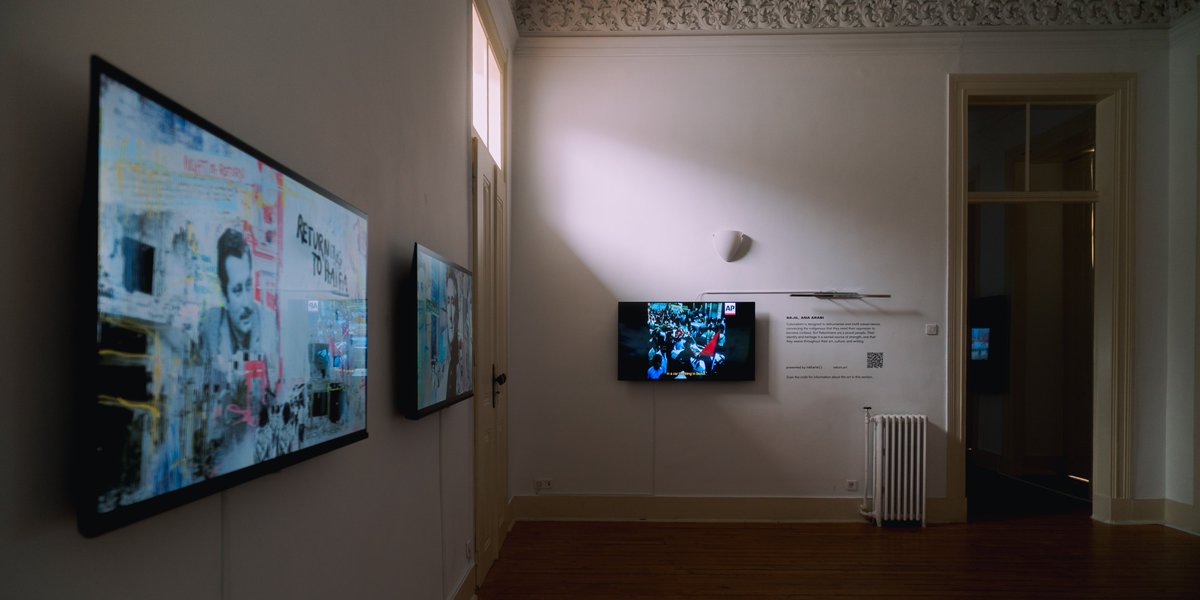
"ما زلنا هنا" في لشبونة: فلسطين، ذاكرة شعب صامد
https://t.co/A9C3mHjW60
"تقوم مبادرة @returndotart على فكرة بسيطة وشديدة الكثافة: فلسطين أرضٌ ذات شعب، وتاريخ، وذاكرة، وثقافة، وجغرافيا روحية ومادية، سبقت كل مشاريع المحو والتقسيم."
https://t.co/6pjRv7zTCx
Twenty-three artists from fifteen countries.
A shared commitment to telling the story of Palestine through art.
Open until June 16, Still Here tells the story of a nation that remains deeply connected to its land despite displacement. Through each artwork, the exhibition pays tribute to a people who hold on to hope that one day they will return.
📅 June 4 – 16 🕛12 PM – 8 PM
📍 Palacete Gomes Freire | Rua Gomes Freire 98
Lisbon, Portugal
"The Palestinian cause is not a cause for Palestinians only, but a cause for every revolutionary, wherever he is, as a cause of the exploited and oppressed masses in our era." - Ghassan Kanafani
Through art, visitors to Still Here have spent time with the stories of Palestine and its people. We are grateful for the time they have taken to listen and learn.
Still Here closes June 16th.
🕛12 PM – 8 PM
📍 Palacete Gomes Freire | Rua Gomes Freire | Lisbon
As the World Cup begins today, FIFA speaks constantly about inclusion, equality, and human rights.
Yet it continues to grant international legitimacy to a settler-colonial state built on dispossession, apartheid, and genocide.
Still Here, an exhibition of digital artworks about the story of Palestine and its people, from colonization and resistance to the present moment.
June 4–16 | Palacete Gomes Freire, Lisbon | @returndotart
Yesterday, Israel released a number of Palestinian detainees from its torture camps into Gaza. Among them: three brothers.
Muath Adel Saeed Abu Rayala, 23
Mohammed Adel Saeed Abu Rayala, 26
Saeed Adel Saeed Abu Rayala, 30
Israel abducted them from their family and held them in its torture camps solely because they are Palestinian—no charge, no wrongdoing. The proof is their release without any exchange: Israel's camps filled to capacity, and it cleared out those it no longer needed to make room for new arrests from the West Bank and Gaza.
حتى تدرك حجم الافتراء الإسرائيلي؛ أطلقت إسرائيل بالأمس عدداً من المختطفين الفلسطينيين من معسكرات التعذيب إلى قطاع غزة، وكان من بينهم ثلاثة أشقاء:
معاذ عادل سعيد أبو ريالة (23 عاماً)
محمد عادل سعيد أبو ريالة (26 عاماً)
سعيد عادل سعيد أبو ريالة (30 عاماً)
أشقاء مدنيين اختطفتهم إسرائيل من عائلتهم، وأودعتهم في مراكز تعذيبها فقط لأنهم فلسطينيون، ودون أي تهمة أو ذنب؛ والدليل على ذلك هو إطلاق سراحهم اليوم دون أي مقابل، بعد أن امتلأت معسكراتها وأصبحت مجبرة على إفراغ من لا حاجة لها بهم، لاعتقال آخرين من الضفة وغزة
"You have to brainwash all the time… because this is the only way to continue Zionism."
—Daniella Weiss, Israel's most prominent settler leader, who openly advocates for a Greater Israel stretching from the Euphrates to the Nile—including all of Lebanon, and parts of Syria, Iraq, and Iran.
Still Here, an exhibition in solidarity with Palestine.
Featuring works from the @FlyingBeagle_ collection, including 23 artists from 15 countries.
A declaration that, despite all they have endured, the Palestinian people are still here.
Video by @rbardin