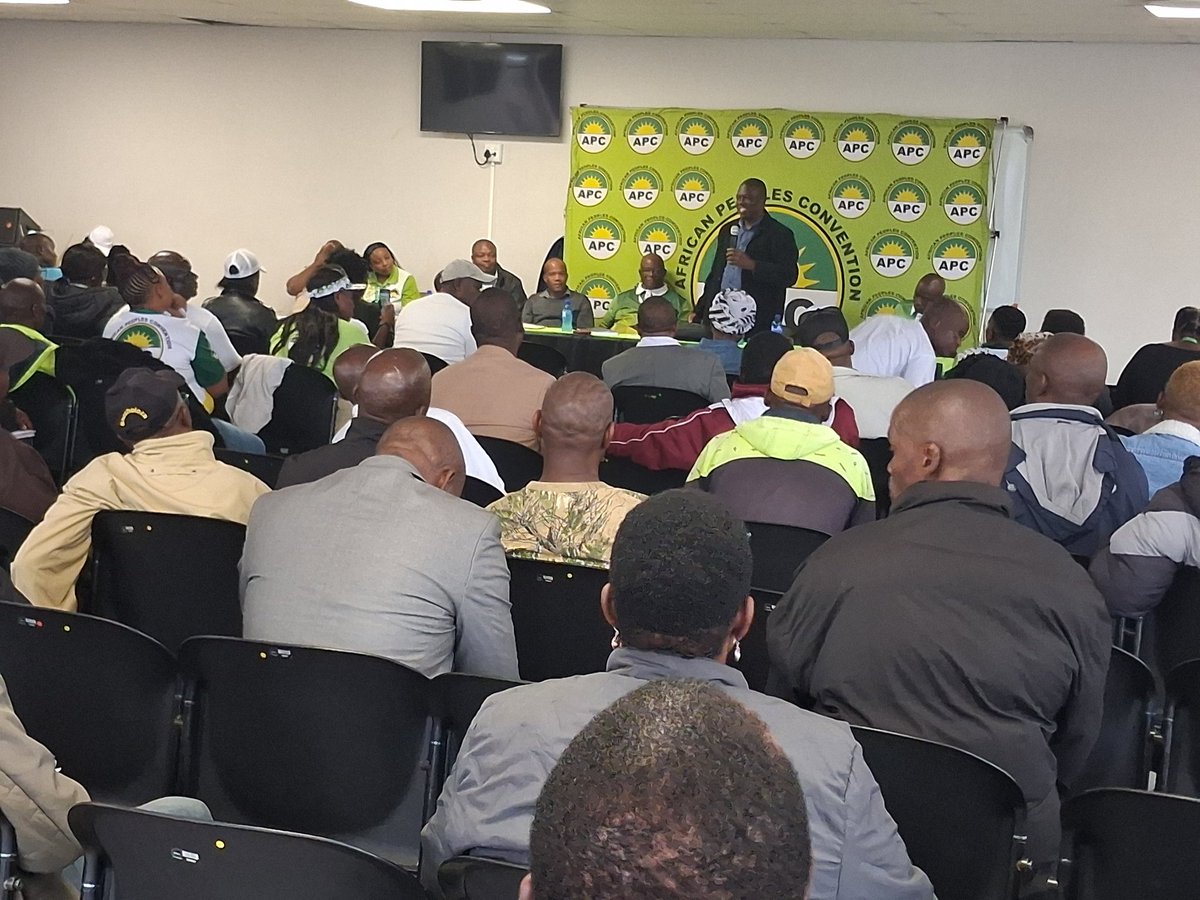
The ANC government is complicit in legitimising White power and privilege. Its post-1994 neoliberal policies betrayed its liberatory mandate. Fiscal austerity and market liberalisation were championed over redistributive justice, to the delight of Western markets. Mbembe warns that postcolonial elites often become caretakers of colonial power (Mbembe, 2015, p. 30). Economist Duma Gqubule argues that "freedom is a lie until economic power changes hands" (Gqubule, 2017, p. 56). The ANC, once a steward of Black liberation, has become the nursemaid of White privilege. Private property rights are guarded, land justice sacrificed, and nationalisation sidelined for market liberalisation.
Extract from my book
Colonialism tried to make us despise who we are. Our duty is to love ourselves - our languages, our dances, our music, our history." ~ Samora Moisés Machel
"True leadership demands complete subjugation of self, honesty and integrity, uprightness of character, courage and fearlessness, and above all a consuming love for one's people". - Robert Mangaliso Sobukwe (1924-1978)
Mangaliso Robert Sobukwe with one of the mothers of this nation, Mme Veronica Sobukwe. A struggle stalwart. Fighting white supremacy since her time as a nursing student.
#HappyMothersDay
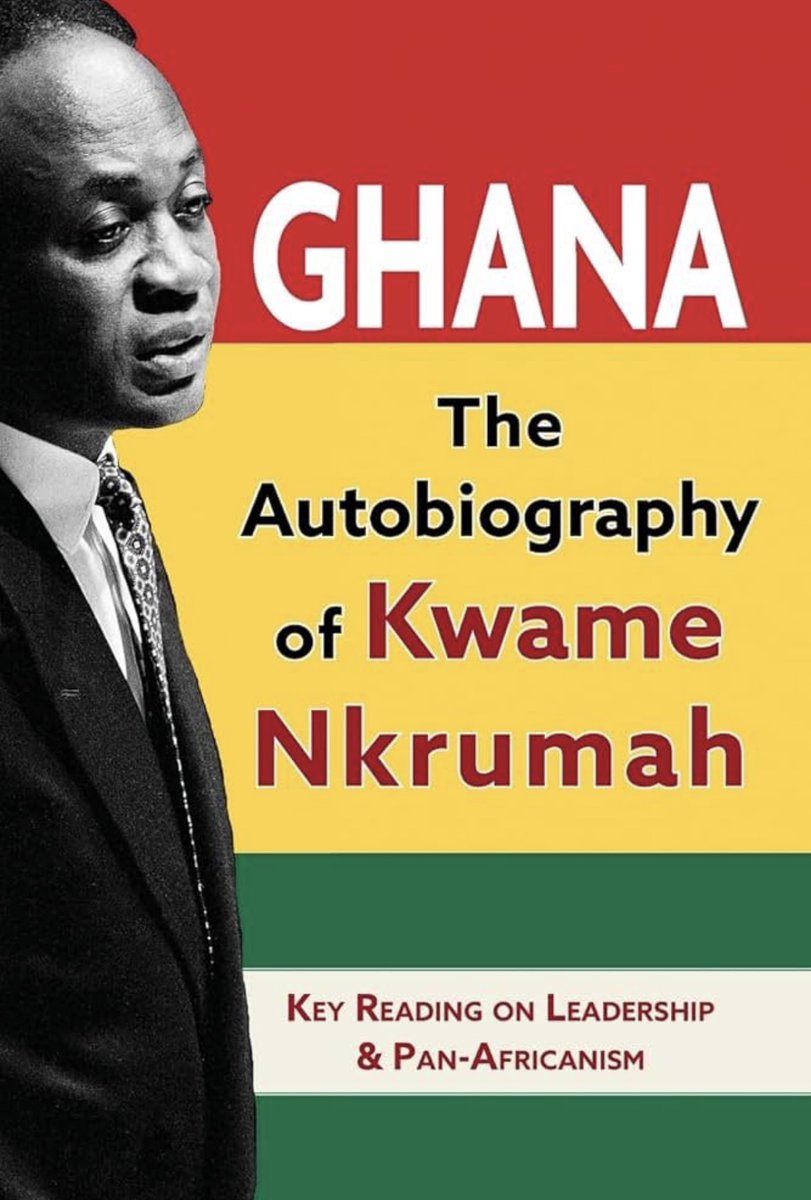
This autobiography should be recommended reading for every aspiring social architect and policy designer out there, or anyone that wants a better world in general.
If you’re trying to build a new world in whatever sphere you’re interested in and you haven't read this book, then you’re like a footballer who has no idea who Cristiano Ronaldo or Lionel Messi is. You simply don’t know what you are missing, and all the second-hand explanations in the world will not be enough.
There are not many biographies where you see some grand ideal in the background and you're thinking "wow, wouldn't it be great if a nation could actually achieve that?" That's what Kwame Nkrumah is all about. You see a colonial extractive structure and you're thinking "wouldn't it be neat if we could break this and build something better..."—and he did.
The organizational system is fantastic, the vision for a United States of Africa is still unlike anything the world had ever seen.
The descriptions of the 1948 riots and the tactical prison sequences, the sheer momentum of the "Positive Action" campaign, everything is displayed in vibrant ideological colors and with much attention to detail.
A breakthrough historical artifact that played a role in the many independence movements it inspired across the African continent and beyond. The legacy he left for Ghana is just the icing on the cake.
Ghanaians need to understand why this book was published on Ghana’s original Independence Day, March 6, 1957. If the whole continent read it, it would be quite unrecognizable. It is a challenge to the next generation about what can happen when people take their destinies into their own hands.
Whatever you must do to get your hands on this text to read it is going to be a small price to pay. You will never be the same. It’s not about living in the past: it’s about knowing what you can do in your own little way to move things forward. If you’re a reader looking for your next deep-dive title, this is what you need to read.