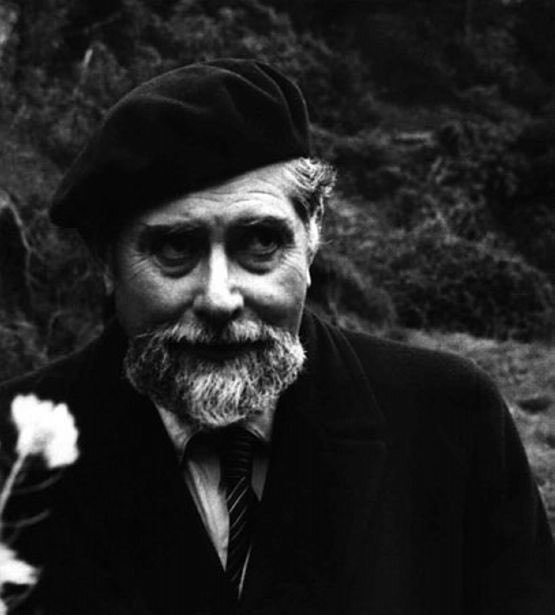
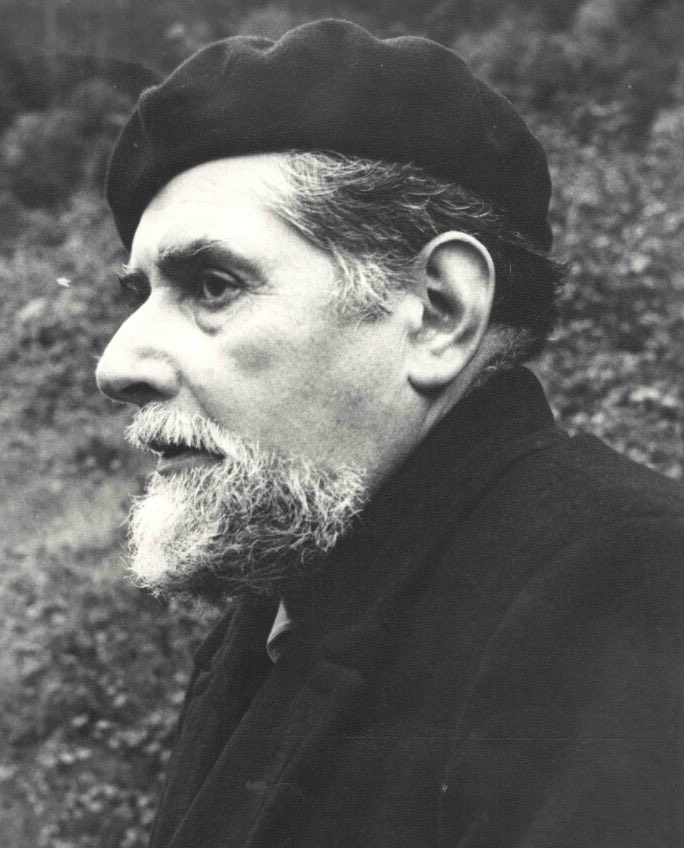
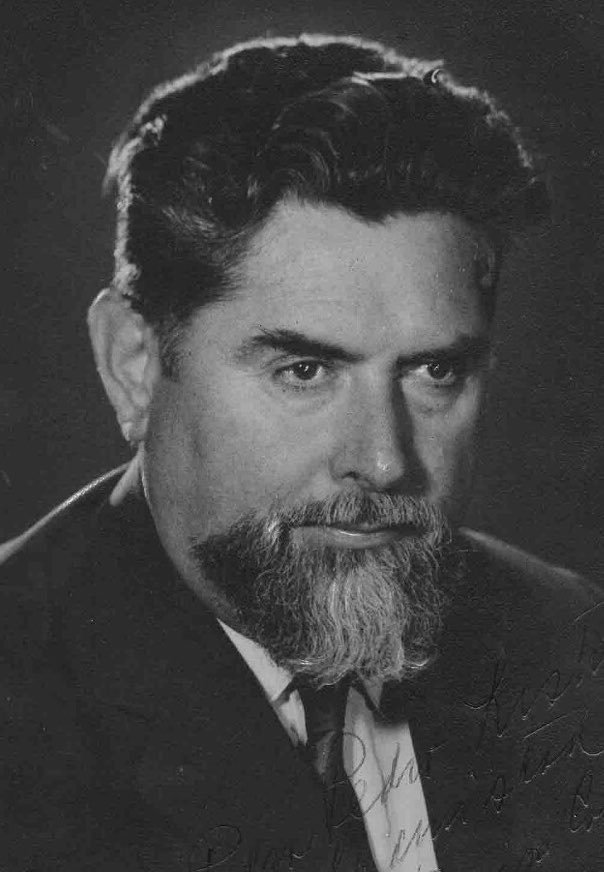
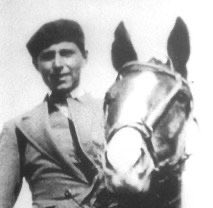
Hijo de ballenero chilote, ovejero, lobero, capataz en Tierra del Fuego, trabajador en las primera exploraciones petrolíferas de Magallanes, escribiente en la Armada, periodista, actor y autor.
Seguiremos posteando sobre este hombre.
Hay que decir que una parte de la élite chilena se “autopercibe” como norteamericana y en estas fechas se desean un “happy 4th” a través de WhatsApp. Axel Kaiser es la primera expresión ideológica de ese fenómeno.
Cats don't give a damn about your needs.
You might think this is a classic case of science telling us something we already know. But a new experimental paradigm shows that cats behave very differently from dogs and toddlers when it comes to helping people. Cats, in case you had any doubts, are more selfish.
The experimental paradigm is a derivative of a setup ethologists have been using for decades [studying helping behavior] in primates. The experimenter interacted with an object—a sponge—but then turned away from it and was demonstratively looking for it. The question was how (untrained) dogs, toddlers (between 16 and 24 months), and cats reacted to this situation.
The majority of dogs and toddlers helped, either by actually fetching the sponge or by indicating its presence to the experimenters. What did cats do? Some of them—in fact, very few of them—glimpsed very briefly at the sponge, but that is all. But most of them did absolutely nothing. No helping behavior here.
Did the cats just not notice what was going on—that someone was in need? You may have wondered why the experimental setup used a sponge as the target object. The reason is that a sponge holds absolutely no interest for either the toddlers or the animals. But when the very same experimental protocol was run not with a sponge, but with a food item that was attractive to the cats, they suddenly showed very similar response behavior to what the dogs and the toddlers were doing. They mainly showed object-related behaviours when it was in their own interest.
It is hard to resist the conclusion that cats really only do what they directly benefit from. They don't do anything for others; only for themselves. The findings indicate that domestication and close social contact with humans do not, by themselves, induce a tendency towards spontaneous, human-like prosociality.
Me apareció en instagram un video de una tipa llorando; la miniatura decía "eres profe? Escucha esto".
😭 Vi a mi profe de música vendiendo maní en el terminal 😭
😭 Me impactó porque yo igual soy profe pero renuncié 😭
🤑 Únete a mi multinivel 🤑
La hueá indigna.
Cualquier chileno que caiga en esto, sea de izquierda o derecha, etiquételo de inmediato como persona de bajo nivel cognitivo.
No gaste su tiempo discutiendo con esa persona.
En Chile, ni por asomo, tuvimos el mismo fenómeno racial que en EE.UU. El que cae, simplemente es TONTO
Hubo un tiempo en que existía la pena de morir en la hoguera en Chile, siempre pensé que pasó en la época de la Inquisición, pero no, documentado está hasta 1848, dejo el caso, la fuente está en el Archivo Judicial de Copiapó, Leg. 56, P. 10, durante el Gobierno de Manuel Bulnes.
@pulchrafragilis@IreneMurciaBurg La pregunta es buena. De hecho, va al centro del debate. Pero parte de una premisa que la psicología cognitiva lleva décadas matizando: hacer una actividad no implica necesariamente aprender el contenido que la inspira
Step 1: It's not really happening
Step 2: Yeah, it's happening, but it's not a big deal
Step 3: It's a good thing, actually
Step 4: People freaking out about it are the real problem
Peter Brown's summary of one of the recently-discovered letters of Augustine: "we find Augustine, at the age of seventy-three (only three years before his death), interviewing a terrified country girl who described how her farm had been raided by slave traders. The poor child could not even speak Latin - only Punic. Her older brother translated for her. This was part of a dogged attempt by Augustine and his congregation to break a ring of slave-traders who operated (with the full protection of local bigwigs), out of the port of Hippo."