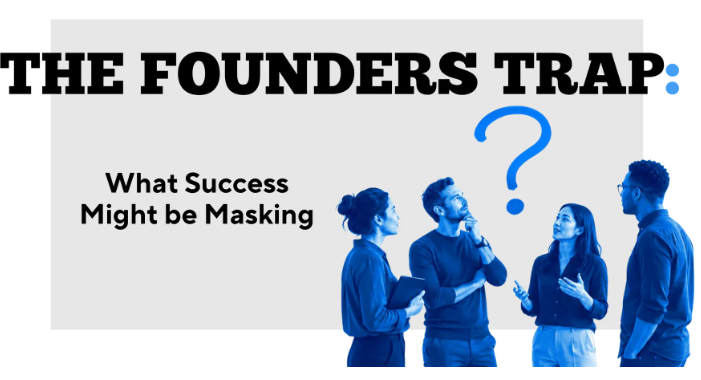
A business can be successful and still be far too dependent on its owner.
The real test of growth is whether the business can keep moving when you are not.
https://t.co/NHBq5uuu5P
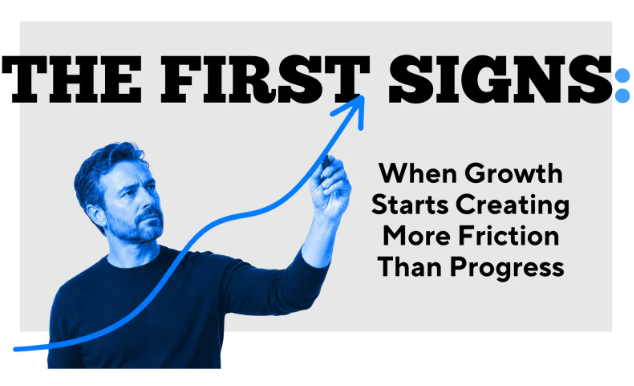
Some of the decisions limiting a business were made when the business looked very different.
One owner offered free nationwide shipping since the company began. Then a simple question - and the change added more than $200K to the bottom line that year.
https://t.co/eJkOQXaTEM
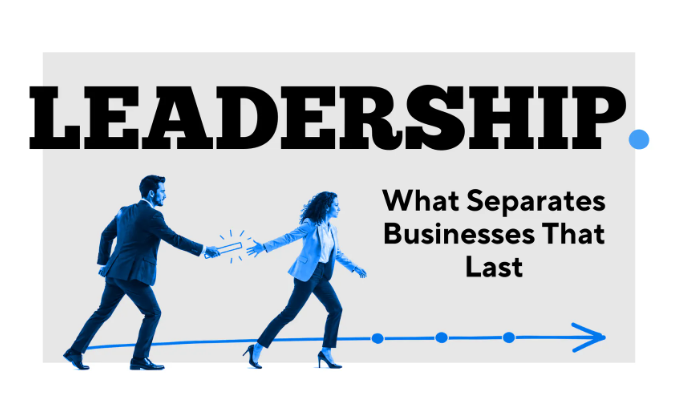
The hardest part of leadership is knowing when to stop doing it yourself.
When the leader always provides the answer, the team never has to find one.
Strong leadership means setting clear expectations and trusting people to take ownership.
https://t.co/3EwPmOSHv5
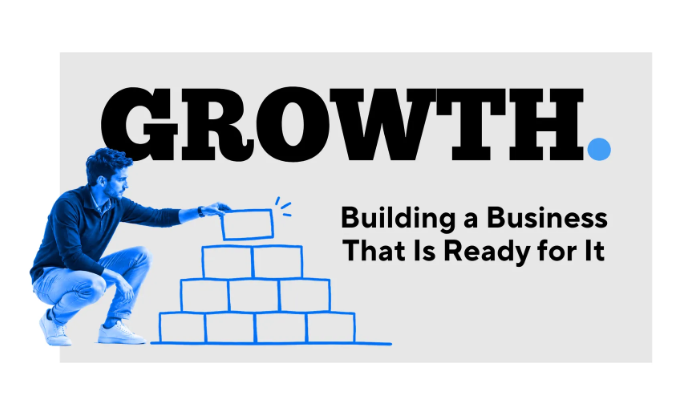
Growth does not fix what is underneath a business.
It magnifies it.
When systems are not ready, more customers create more pressure.
The businesses that scale well build the conditions for growth before they chase it.
https://t.co/4MLNUjuoZ9
Here is the thing about clarity. It is one of those words -easy to say & harder to define. Clarity does not show up the same way. It tends to show up in the feeling that something is off, even when everything looks fine on paper.
https://t.co/dVHF9t72F9
We have worked with enough business owners to know that most of what they are dealing with lives in one of three places. Clarity, Growth, and Leadership. That is what CGL is. It is a lens. And once you have it, the way you see your business changes.
https://t.co/WpHN9jDixp
Strategic drift rarely looks dramatic while it is happening!
Teams begin operating from slightly different versions of what matters most.
Organisations rarely lose momentum all at once. More often, they lose it gradually. Explore:
https://t.co/UH8umbQOH1
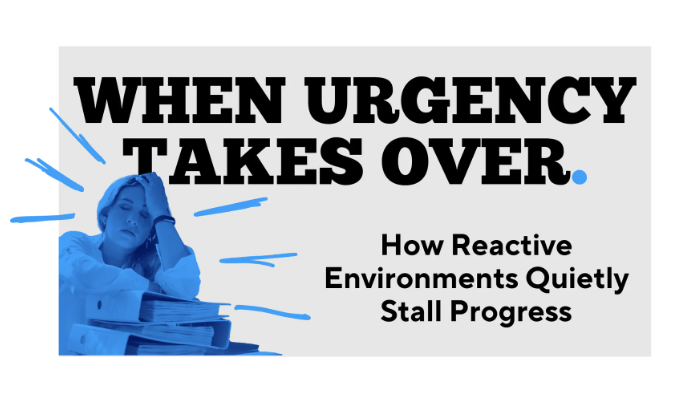
Most reactive cultures start with good people trying to keep up.
New priorities land before existing ones have settled.
Reactive environments weaken clarity and the organization’s ability to stay aligned under pressure.
Explore further in this article:
https://t.co/ovYkoKnD8Y
The hardest leadership decisions are often about good ideas arriving at the wrong time.
As pressure increases, many organizations respond by widening priorities instead of protecting focus.
But protecting focus is just as important as chasing opportunity!
https://t.co/7OT0Iw4lr6
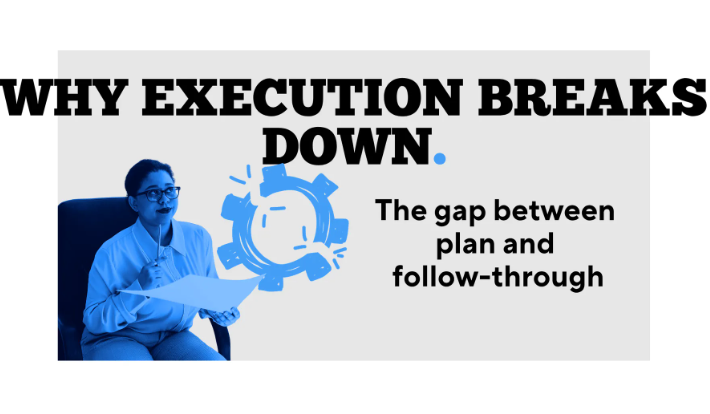
Most strategies don’t fail at the start.
The strategy remains visible, but it no longer shapes the work.
Learn more: Where execution begins to weaken and why:https://t.co/Ty2j1mgoiA
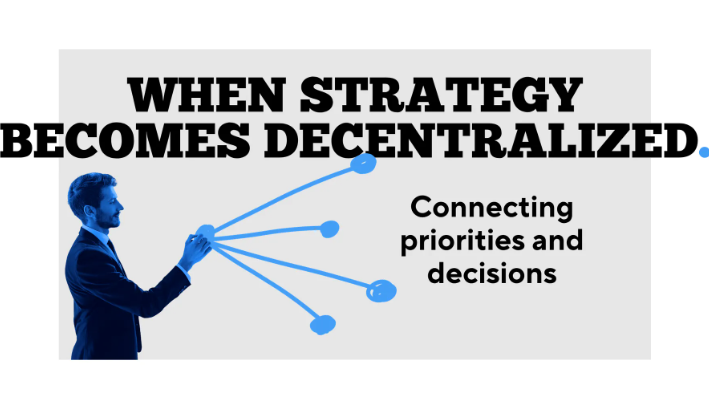
Work can be moving without actually connecting.
As organizations grow, decisions move closer to the work.
Progress happens in parts, but it doesn’t come together.
Learn and explore how to reconnect priorities to decisions as organizations scale:
https://t.co/3Y7z0crvy6
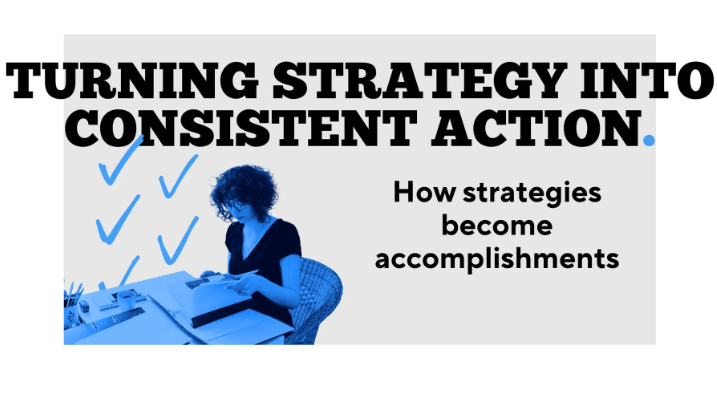
Strategy sets direction. Action determines results.
Execution isn’t a single push. It’s built through repeated, deliberate action over time.
This article explores how strategy becomes something the organization actually accomplishes:
https://t.co/W9FQ1zzk8T
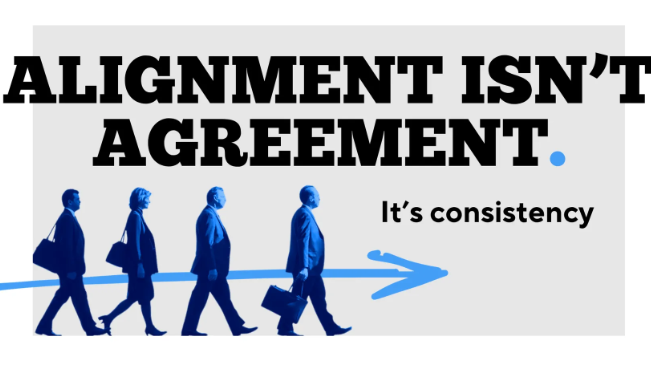
Agreement doesn’t mean you’re aligned.
We see this often. Leadership teams leave a meeting aligned on direction, but as work begins, that alignment
starts to shift.
This article breaks down what alignment actually requires in practice
https://t.co/hpDOkD07gl
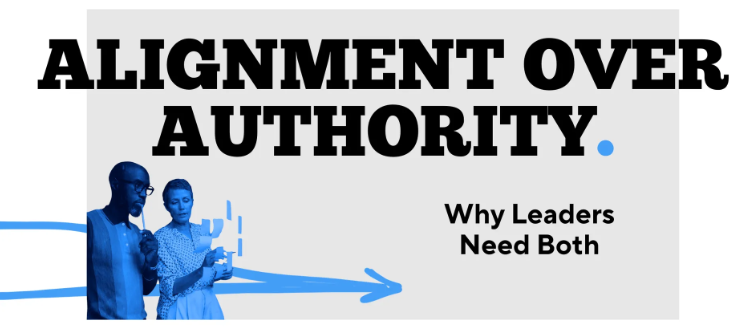
Authority can set direction.
But alignment determines whether organizations actually move.
Teams interpret priorities differently. Resources arrive late. Execution becomes uneven.
It is alignment.
Explore further in this article:
https://t.co/8z3HT81MoR
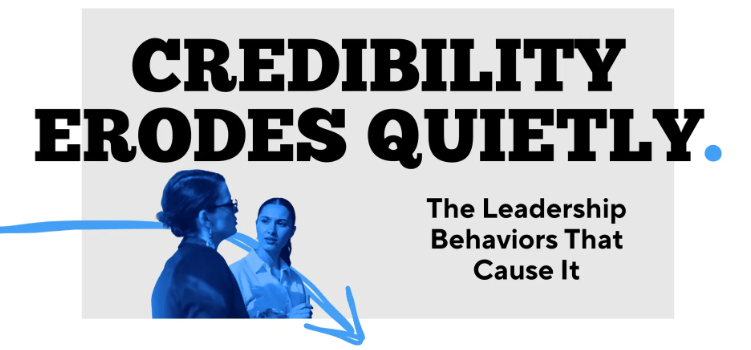
Credibility weakens through subtle leadership behaviours.
Inconsistent decisions. Overpromising. Avoiding difficult conversations. Changing direction without
explanation.
Credibility is not protected by authority.
https://t.co/Qu4GtPYiy8
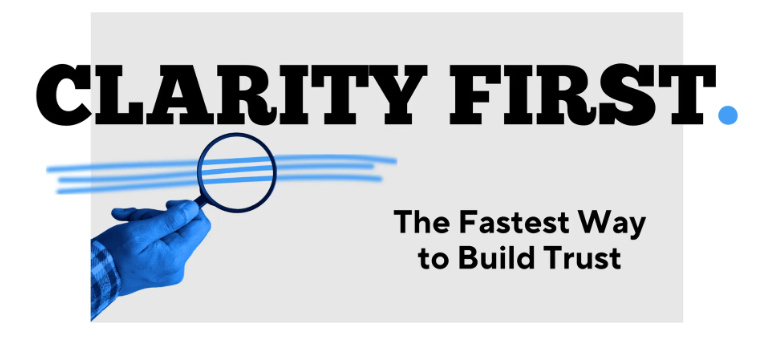
Trust grows faster when leadership becomes clearer.
We constantly see that Clarity removes hesitation.
When leaders communicate priorities clearly and consistently, trust accelerates.
https://t.co/O5NVkBGP8T
Trust rarely breaks in dramatic moments.
It fades through small signals teams notice long before leadership does.
This article explores the signals teams notice first when confidence in leadership begins to shift.
https://t.co/mL4mdh73Na
More marketing rarely fixes weak positioning.
Businesses often respond to slowing returns by increasing spend or adding channels.
Customers respond to specific, credible promises, not louder campaigns.
Sharpen the message before expanding the tactics.
https://t.co/1RSqVmdYgZ
Effort is visible. Outcomes are not.
Hybrid work, role creep, and reactive rhythms blur expectations.
Performance improves when accountability becomes clearer than activity.
This piece outlines how to reset expectations and retain trust: