DefinitionsSocialism: An economic and political system where the means of production (factories, land, resources) are owned and controlled collectively or by the government, with the goal of reducing inequality through wealth redistribution. Production is planned to meet societal needs rather than profit. Private property exists but is limited, especially for personal use; major industries are publicly owned.
Communism: A classless, stateless society where all property is communally owned, and goods are distributed based on need ("from each according to his ability, to each according to his needs"). It envisions the complete abolition of private property, money, and the state, achieved after a transitional socialist phase.
Key DifferencesAspect
Socialism
Communism
Ownership
Public/government ownership of major industries; some private property allowed (e.g., personal items, small businesses).
Complete communal ownership; no private property at all.
Class Structure
Classes may exist but with reduced inequality; workers control production via state or cooperatives.
Classless society; no exploitation or hierarchy.
State Role
Strong central state plans economy and enforces equality during transition.
Stateless; government "withers away" after transition.
Economic Incentive
Wages based on contribution; some market elements possible (e.g., market socialism).
No wages or money; distribution purely by need.
Implementation Stage
Often seen as a transitional phase toward communism (per Marxist theory).
The end goal; a fully realized utopian society.
Historical Examples
Nordic models (social democracy with capitalist elements); USSR under Lenin (early socialism); Yugoslavia's worker self-management.
No fully realized examples; approximations in early Soviet communes or Cuban experiments, but always with a state.
Theoretical OriginsBoth stem from Karl Marx and Friedrich Engels:Socialism is the "lower stage" of communist society (per Marx in Critique of the Gotha Program), where the state manages production.
Communism is the "higher stage," achieved after socialism eliminates scarcity and class divisions.
In practice, "socialism" often refers to reformist policies (e.g., welfare states), while "communism" is associated with revolutionary regimes like the USSR or China, which called themselves socialist en route to communism but never fully arrived. Pure communism remains theoretical due to human nature, incentives, and power dynamics.
Hope this helps. Socialism is the precursor to communism.
🚨 BREAKING: Chuck Schumer is now having pro-Palestine protestors ARRESTED after they took over his New York office building
What a HYPOCRITE 🤣
Schumer only supports law enforcement when they're doing his dirty work.
"I mean no disrespect to Congresswoman Waters, but somebody needs to tell her, that the voices in her head are not real."
Senator John Kennedy never misses.
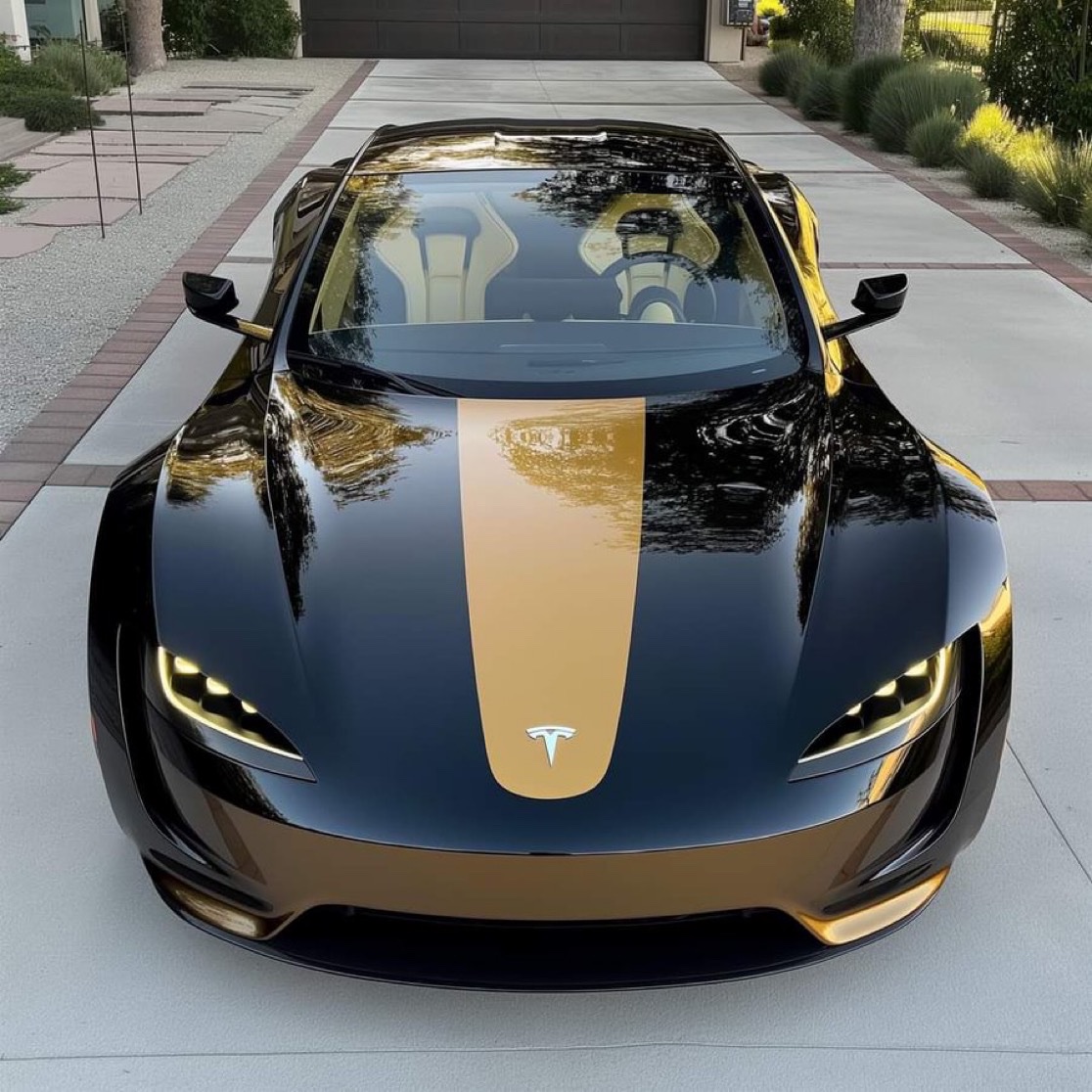
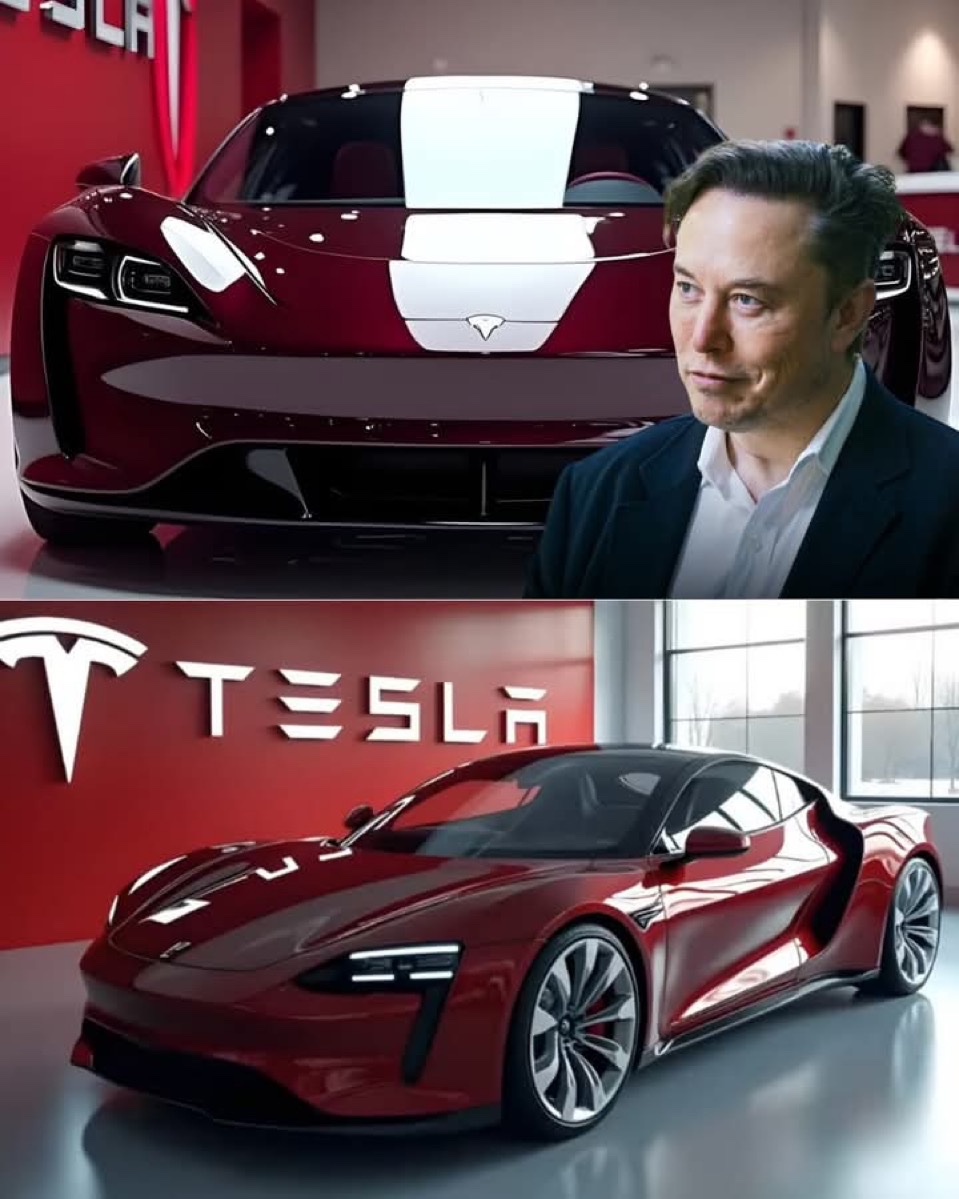
I just ordered 10 rose gold Teslas.
I will be giving all of these away to followers tonight at 8pm PST!
Like and comment to be entered into the raffle!
This is El Salvador right now. It used to be the world's murder capital, but now there are no more terrorist or gang attacks.
Families finally live in peace and enjoy life.
We can return to this in the United States if we repent and put God first.