Digital Forensics, memory forensics, malware analysis, timelines, and artifact-to-user correlation. Head of Forensics @HSC_Consult | Forensics Instructor
@h4ruk7 I'm a digital forensics analyst. I don't break into systems, I piece together what happened after they were broken into. I examine evidence, reconstruct timelines, and help organizations recover from security incidents. Is that clear?
Officially completed my digital forensics internship with @HSC_Consult !!!
I'm grateful for the knowledge gained and the opportunity to learn from experienced professionals in the cybersecurity field. On to the next chapter🩷
@h4ruk7@ireteeh@ForenX_Intel
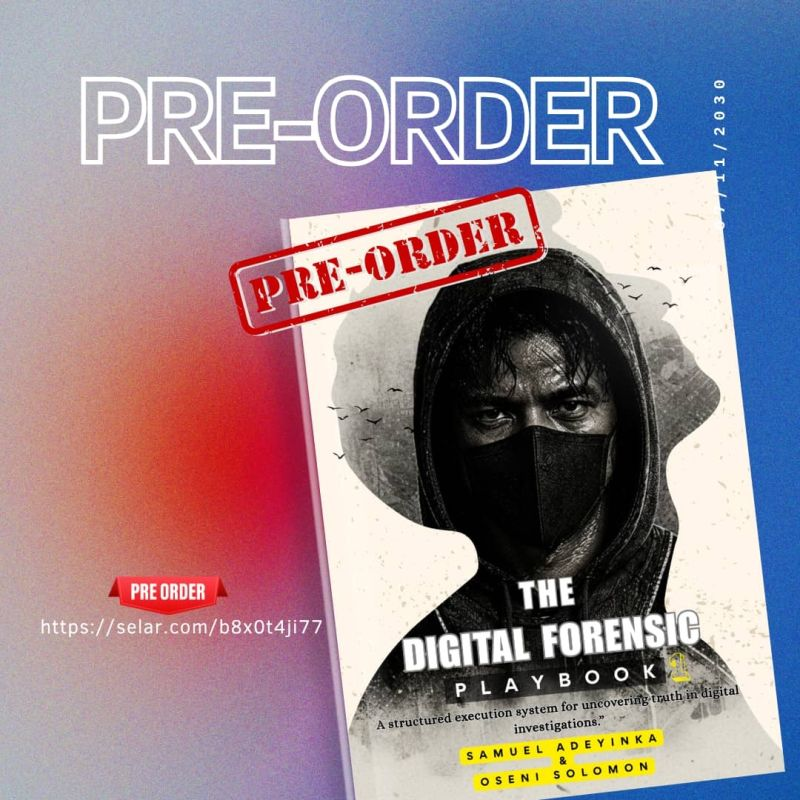
The Author’s Burden: Simplifying Complex Investigations🧠📘 @ForenX_Intel
One thing I’ve realized while writing the Digital Forensics Playbook is this:
Creating educational content is very different from simply knowing the subject,because when you truly care about impact,
I was checking job descriptions when I found this gem
Applicants must not be more than 38 years old with min of 35 years experience for an IT Security Analyst role 😭
Then they added: No 3rd class degree, No part-time degree
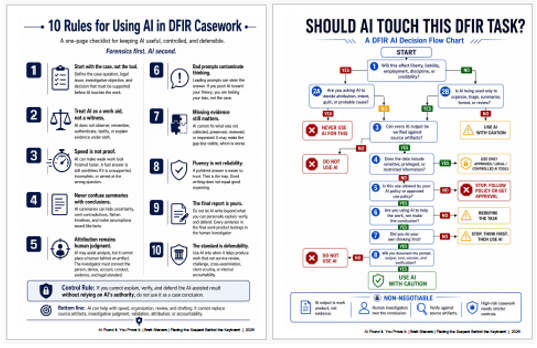
AI can help DFIR. It can also kill your case (and career).
I made a free DFIR AI decision checklist:
Should AI Touch This DFIR Task?
Use it before AI touches your casework. Download it here:
https://t.co/iA6bSRzhVb #DFIR#AI
Last Saturday, I taught my students about Shellbags, one of the most powerful Windows forensic artifacts for understanding user intent.
In many investigations, the key question is not whether a file/folder existed, but what the user was deliberately looking for.
In class, I demonstrated how to extract and analyze Shellbags, discussed their limitations, and examined anti-forensic techniques used to reduce this evidence.
Shellbags do more than show where a user has been. They provide insight into what the user intended to find.
Forensics first. AI second.
"You can analyze your DFIR data and it never leaves your control." - Brian Carrier
https://t.co/2pKiBDZMuQ
#DFIRAI#CaseworkAI#DFIR
Last Friday’s class with my students: Windows Registry Forensics.
The Windows Registry is the heart of the Windows operating system.
It stores traces of nearly everything:
User activity
Opened files
Installed software
Connected devices
Network settings
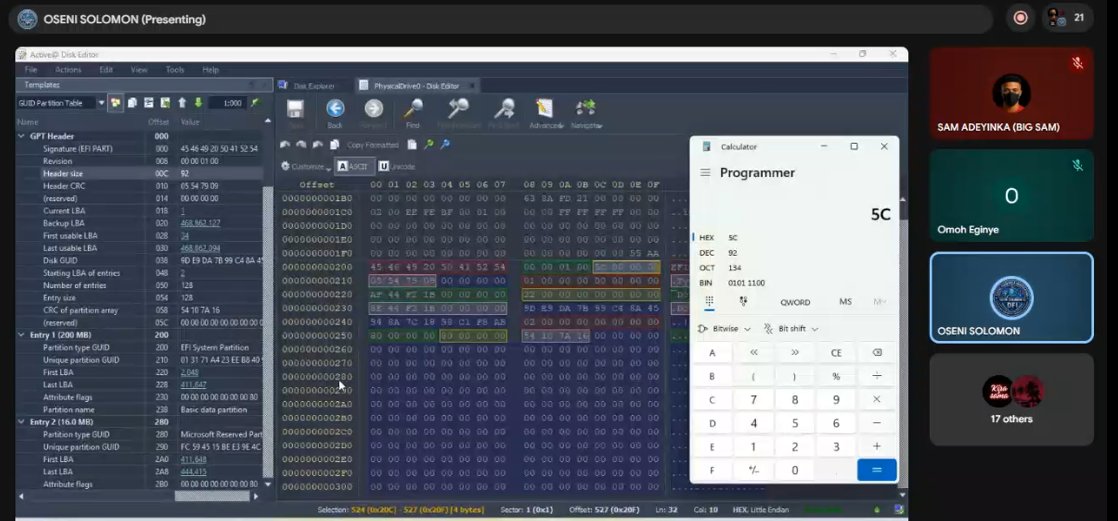
We spent yesterday's session going byte by byte through the Master Boot Record, the very first 512 bytes that every disk hands to your BIOS before anything else happens. No automated tools. No shortcuts. Just raw hex, sharp eyes, and a methodology that doesn't flinch.
Everybody wants to use the tool. Few want to understand what the tool is actually showing them.
The best digital forensic investigators do both.
That's what we're building @HSC_Consult
Friday: MBR Forensics by hand.
Saturday: GPT Forensics Analysis byte by byte.
Two nights. Different classes at @HSC_Consult. Same intensity.
I don't teach people to use tools. I teach people to understand what the tools are reading.
There's a difference.
#DFIR#DigitalForensics
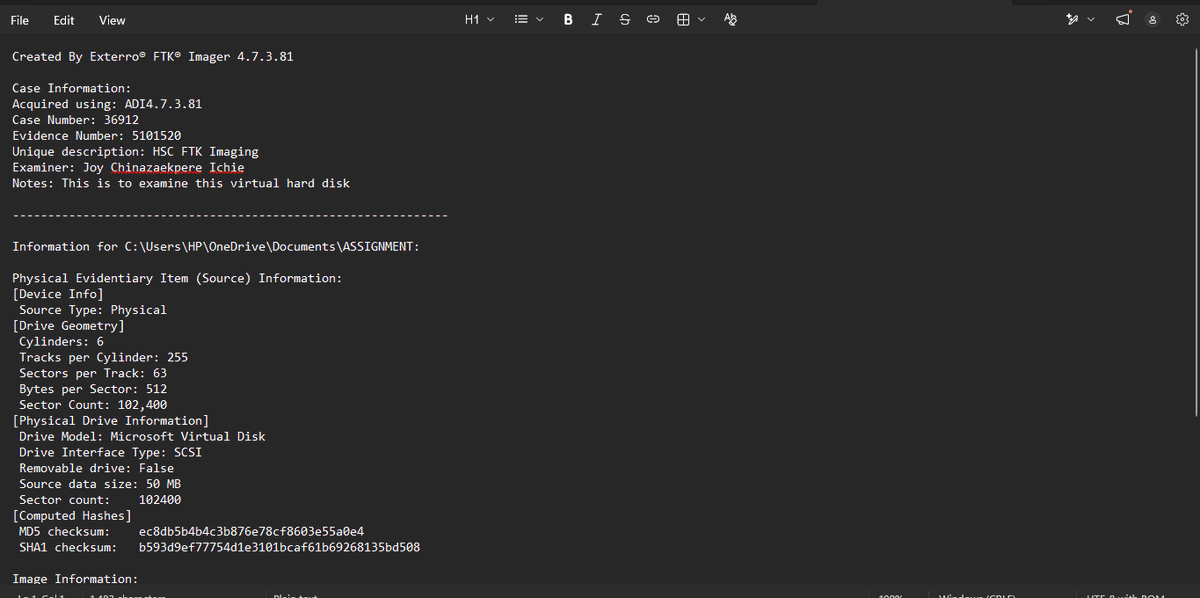
2nd class of my digital forensics . Another beautiful session by @ForenX_Intel though I am not done with the video 😞 today was a very stressful one but I regardless I needed to show up since it's not how far but how well.
Today we talked about UNDERSTANDING THE ANALYSIS PROCESS