“Factory”, a 20-second puppet-led follow-up, arrived later in 2000. Black Metz and Still Metz were withdrawn in 2002.
Do you remember seeing the Judderman on television, and did it make Metz seem more intriguing or more sinister?
Shot in Budapest, the HHCL & Partners film drew on early European cinema, Gothic film and folklore.
Jonathan Burley was the copywriter; Enda McCallion directed.
McPizza eventually reached national availability in Canada, while the UK tested eight-inch, four-slice pizzas.
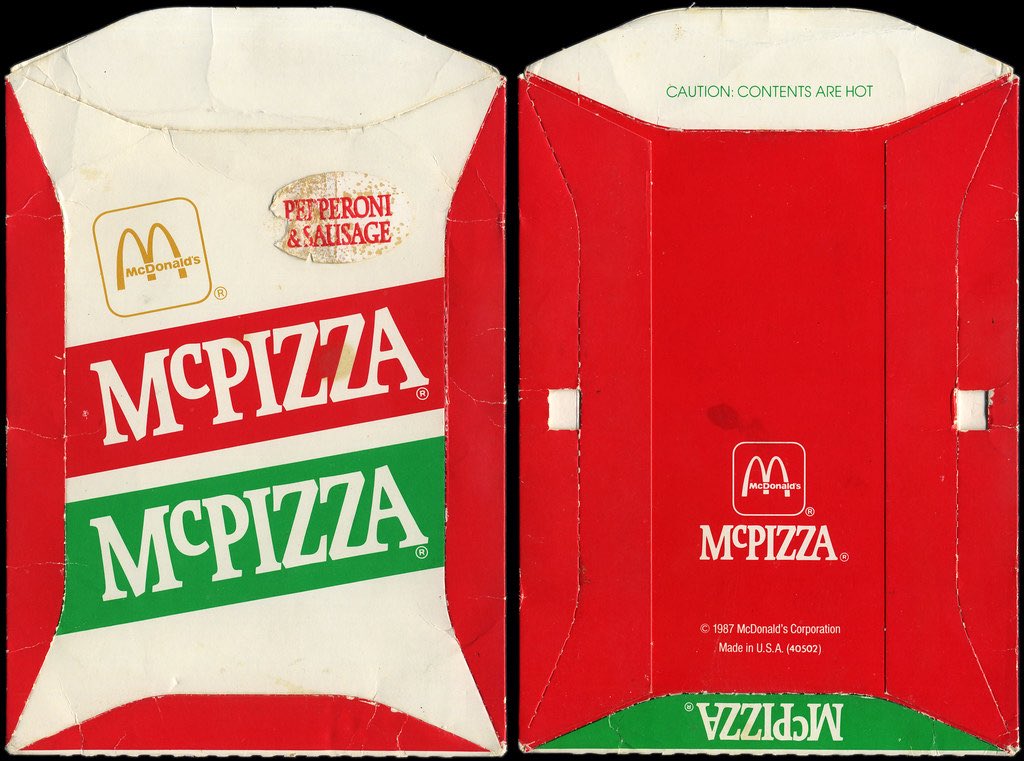
McDonald’s officially discontinued McPizza in 1996.
Did your local McDonald’s ever serve one?
🍔 Forgotten Food & Drinks
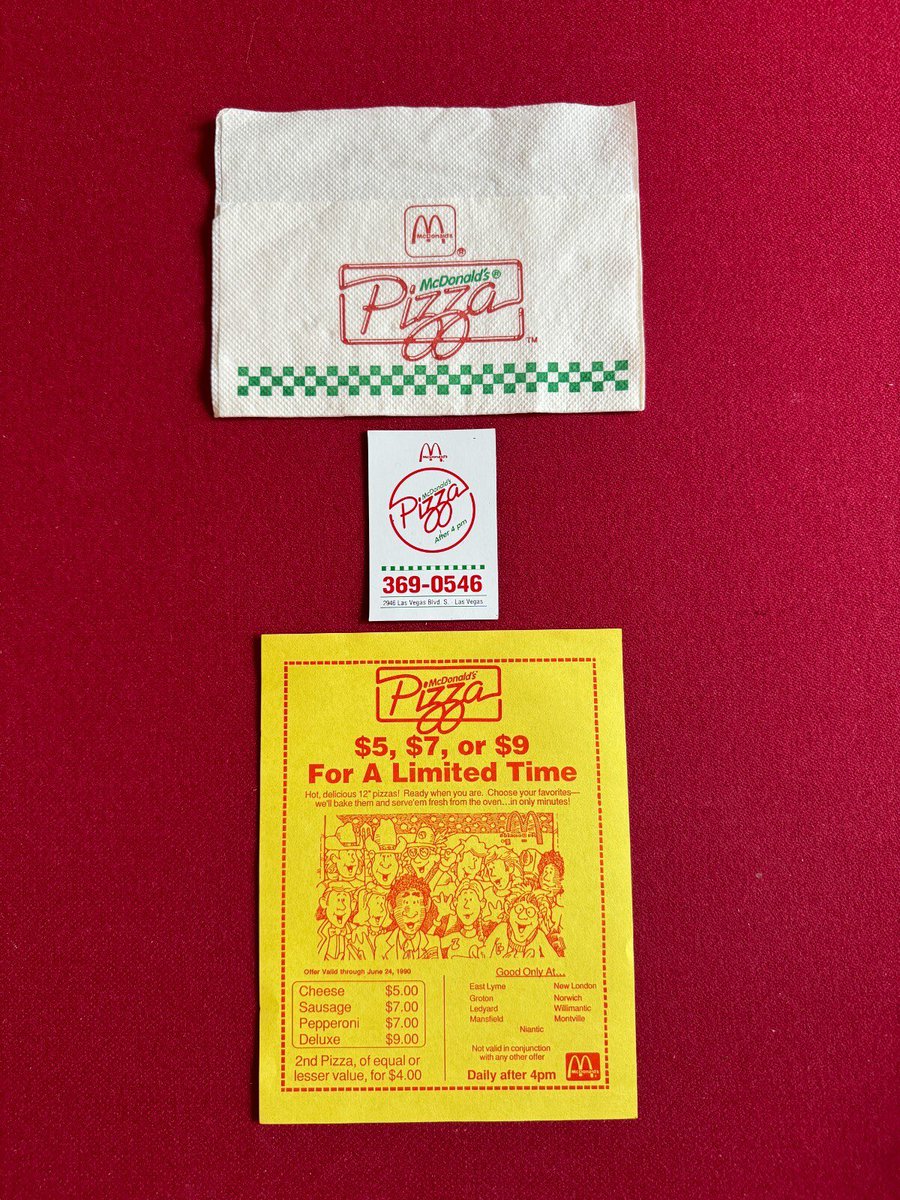
McPizza began in 1985 as McDonald’s tried to solve an unlikely fast-food problem: how do you make a fresh pizza quickly enough to fit the McDonald’s system?
The experiment would grow far beyond a single test market.
By 18 October 1990, 240 US McDonald’s restaurants were test-marketing 12-inch pizzas.
Frozen dough helped speed up service, but pizza still demanded more time, equipment and kitchen space than the chain’s core menu.
It aimed to fill a quieter cinema day.
Orange Film Board adverts promoted it; the offer later became EE Wednesdays and ended on 25 February 2015.
Did you use Orange Wednesdays for a regular midweek cinema trip?
🔥 Forgotten Trends
For years, a Wednesday cinema trip could begin with a text message.
Orange Wednesdays offered two tickets for the price of one at participating cinemas, using an SMS reference number.
Announced on 26 November 2003, the offer reached the public in spring 2004.
By 2007, customers could text “FILM” to 241 for a code to use at the cinema that Wednesday.
💾 Forgotten Technology
The BBC Microcomputer System, usually called the BBC Micro, was built by Acorn in 1981 as the BBC’s microcomputer for its Computer Literacy Project.
Splat graphics, bite marks, comic-news-clipping-style card backs and deep blisters carried the joke onto the packaging.
Did you ever have one of these squeeze-to-bite tomatoes—or remember spotting them on toy-shop shelves?
🧸 Forgotten Toys
Mattel’s 1991 Attack of the Killer Tomatoes toys let the monster do the swallowing: squeeze the soft tomato and its mouth opened around the smaller human figure.
The project linked broadcasts with books, software, helplines, local courses and tutors.
Did you use a BBC Micro at school, at home, or somewhere else?
The BBC issued its specification in January 1981, and Acorn won the contract in March. The wider project formally launched in January 1982 after supply delays affected the computer rollout.
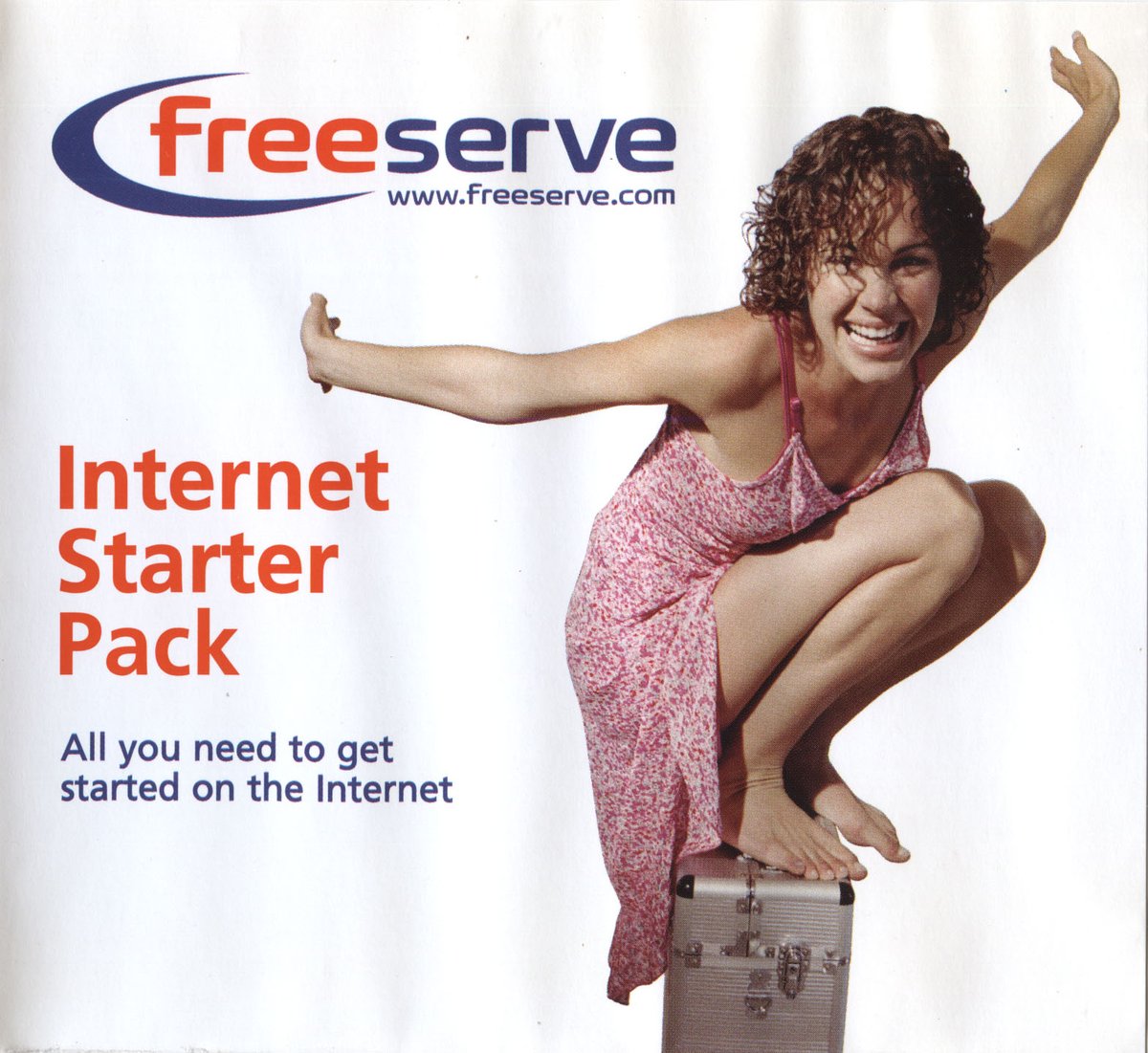
Those Freeserve CDs made getting online feel simpler than taking out a conventional paid ISP subscription.
Wanadoo acquired Freeserve in 2001, but the name survived until 2004.
Do you remember seeing Freeserve CDs everywhere?
🕸️ Forgotten Internet
Getting online could begin with a CD-ROM picked up while shopping for a television or computer.
Launched by Dixons Group plc in Britain on 22 September 1998, it was a subscription-free dial-up internet service rather than internet access with no cost at.
The offer was simple: no registration fee and no monthly subscription for the basic service.
The connection itself still used a metered local telephone call, through a local-call 0845 number. Email, personal web pages and news headlines were among the launch features.