We'd like to say a HUGE thank you to everyone who has been involved with #FosteringFebruary 2018 - it has been a great success and it's all thanks to you! 🙌
We hope to have dispelled many of the myths that surround fostering and remember, don't rule yourself out - FIND OUT!
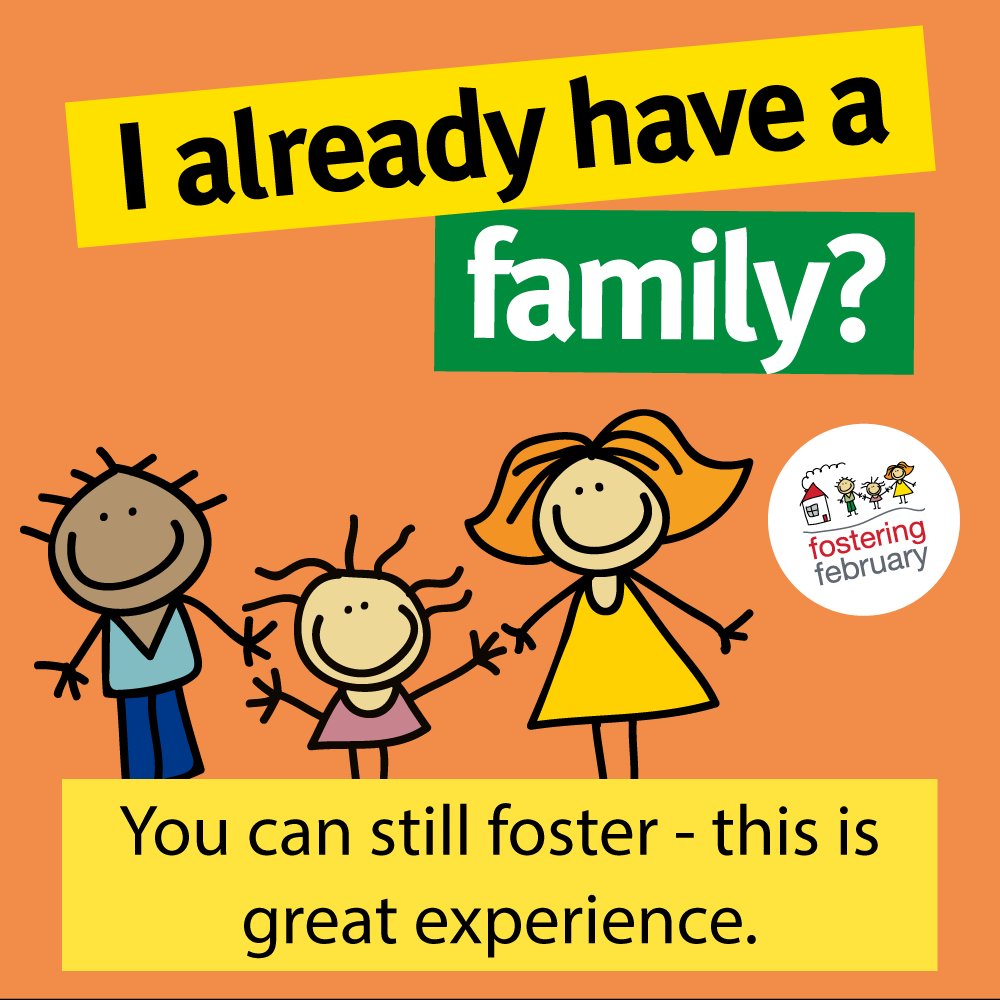
Having your own children is great experience that can help you become a successful foster carer and all aspects of your family life will be considered during your application process to ensure that fostering is right for your family.
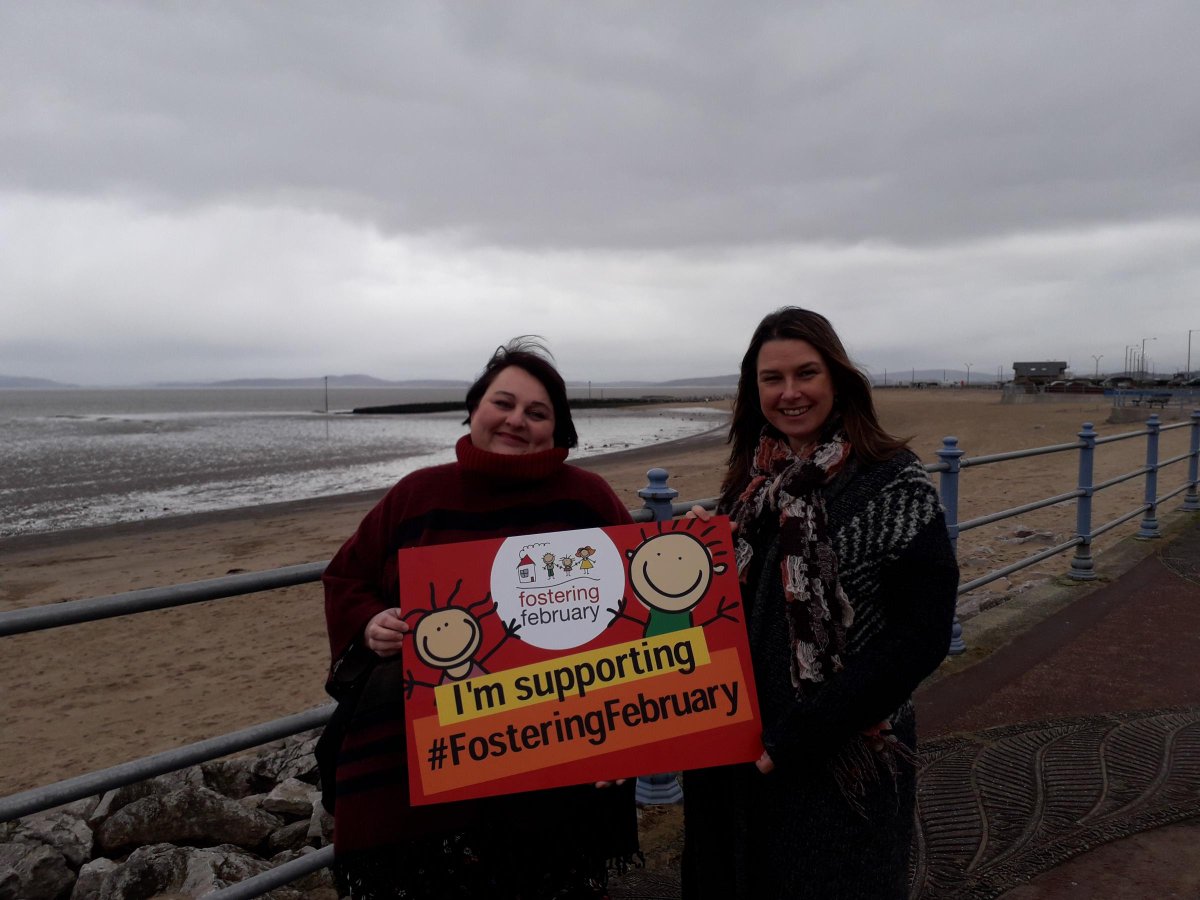
We are thrilled to hear that foster carers in Cumbria have been taking part in #FosteringFebruary to help drive new carers for some of the area’s most vulnerable children.
Find out more at: https://t.co/EkhvABmd7s
If you're already involved in fostering but want to transfer to a different agency, you have every right to do so and it's probably more straightforward than you think. Get in touch with us today!
It isn't a requirement to own your home to become a foster carer. However, written permission from your landlord, council or housing association will need to be retrieved.
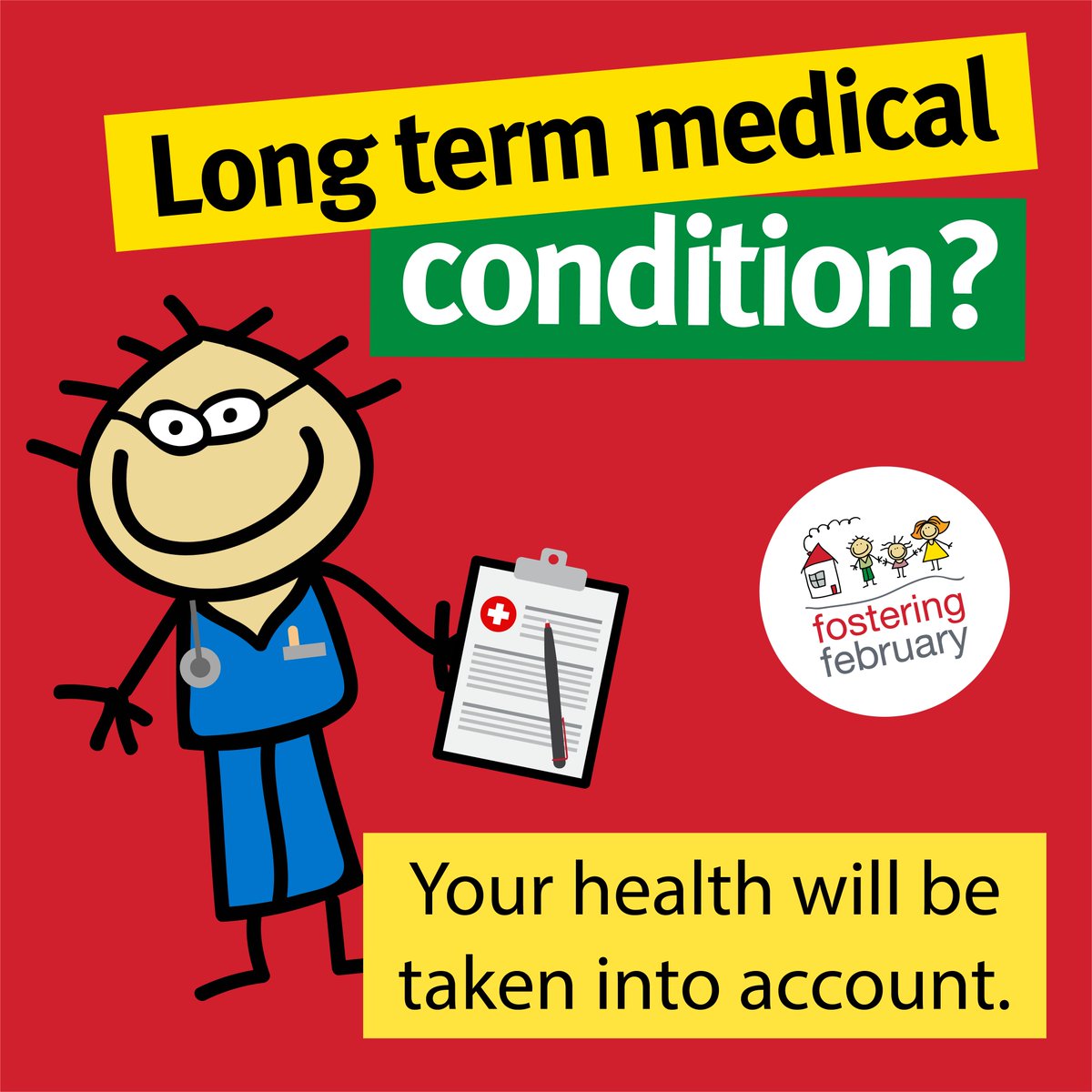
Provided you are physically and psychologically fit to cope with fostering, especially with younger children, there is no reason to believe that you cannot foster with a long-term medical condition and you will still be considered during the application process.
Foster carers receive a generous weekly allowance when a child is in your care.
This allowance is intended to cover the costs of food, travel, clothing, activities, savings and anything else your foster children may need.
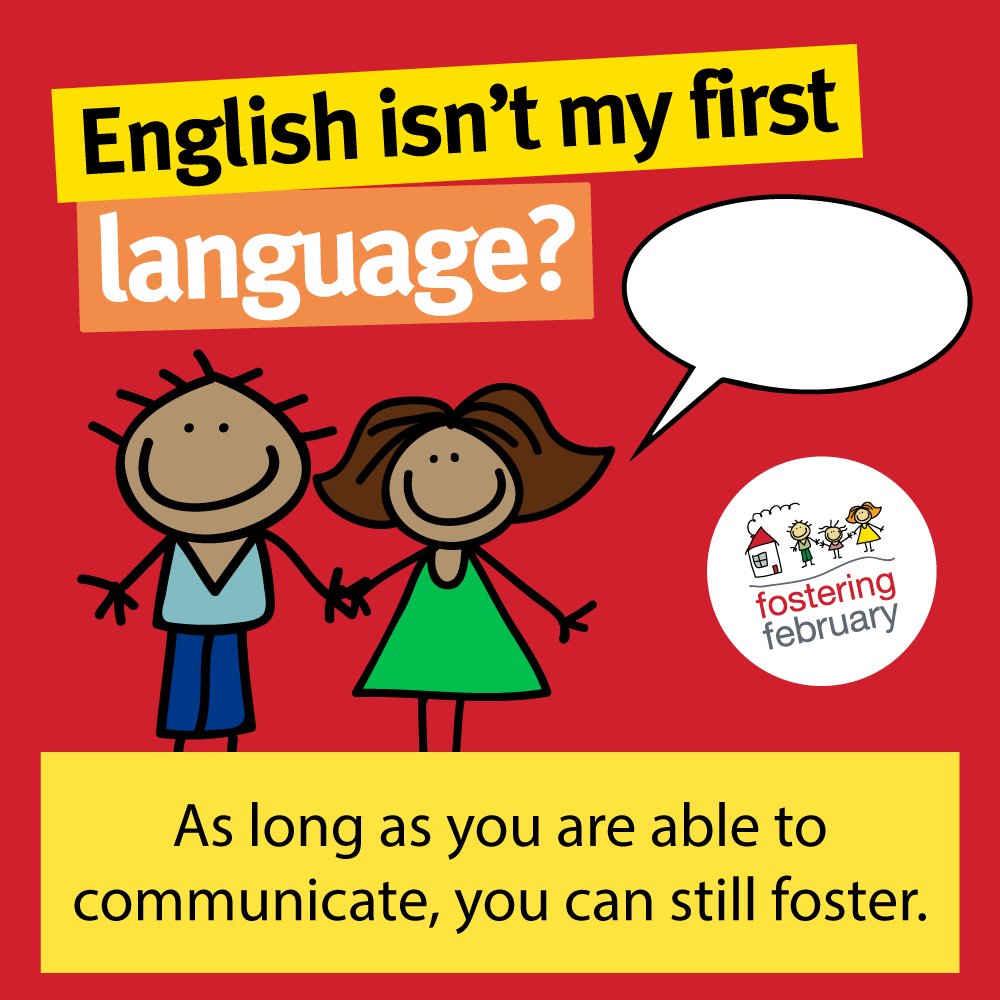
Provided you are able to communicate with your fostering team and support the children's education, not having English as your first language will not stand in the way of you becoming a foster carer.
It's #FosteringFebruary2018 and we're trying to dispel many of the myths that surround fostering! Don't think you can become a foster carer? It's likely that you can!
Visit https://t.co/9BPirLihza - It's time to #ThinkFostering!
Being able to drive is usually necessary to keep up with the demands of fostering, such as taking the foster children to school and attending training sessions.
However, it is not always essential provided there are suitable transport links.
Having a disability does not rule you out of becoming a foster carer, as long as you have both support and the ability to care for a child with complex needs.
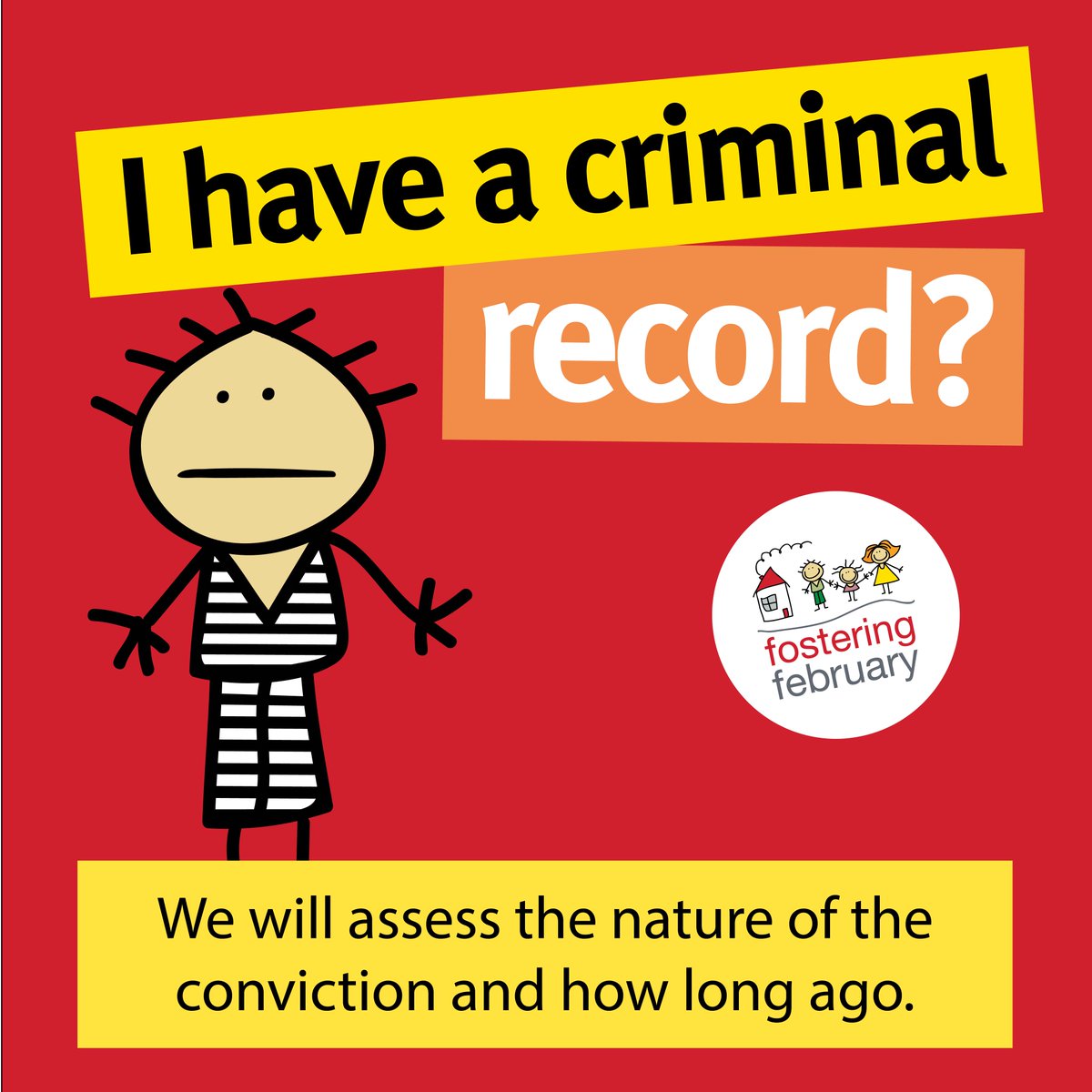
Having a criminal record doesn't necessarily disqualify you from becoming a foster carer, rather, it depends on the nature of the conviction and how long ago it occurred.
As long as you are able to provide a child with their own room, it doesn't matter what size your house is. It is vital that children and young people who are fostered have a room of their own, as they need space to allow them to study, play and relax.