More than half of his conventional oysters died, and some groups were wiped out. By comparison, the hardier oysters developed through Texas A&M’s breeding program lost about 20% or less.
https://t.co/UnI5gCd2UH
The stakes are high for the $205M U.S. oyster industry.
Oysters need the right balance of salinity to survive. So heavy rainstorms can create a salinity imbalance that can quickly kill off whole crops, threatening livelihoods.
Researchers created a solution...
For Blake Whitney, owner of Three Sisters Oyster Co. in Port Lavaca, Texas, the value of hardier oysters is already clear. After 21 inches of rain fell in 24 hours, the water in his nursery became so fresh that his salinity meter could no longer measure its salt level.
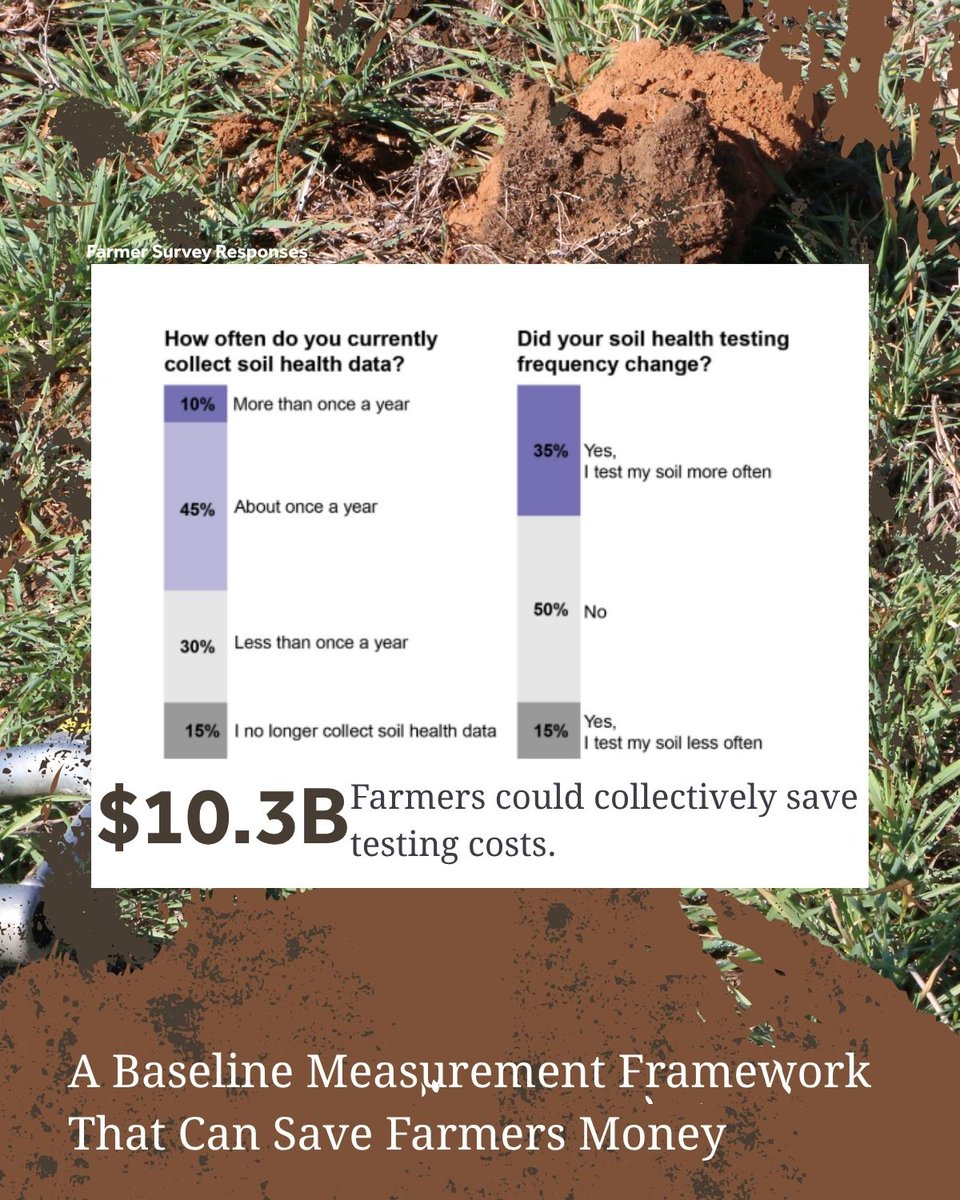
@soil_institute@nature_org An analysis of the partnership shows that with conservative adoption rates, farmers nationwide could collectively save up to $10.5 billion by adjusting to the new testing protocol.
https://t.co/xUQddcMUmM
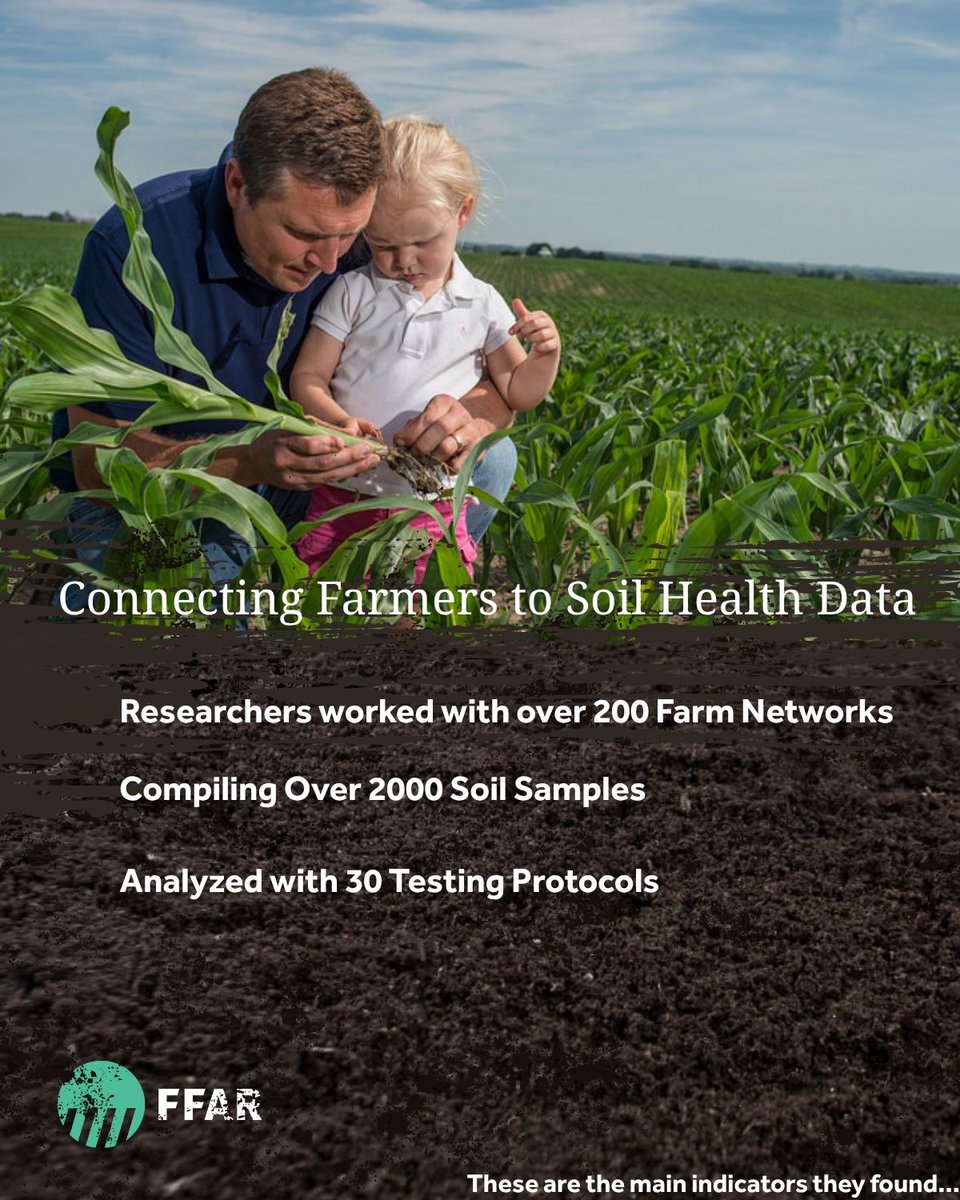
Connecting Farmers to Soil Health Data
Through our soil health research partnership with the @soil_institute , Soil Health Partnership and @nature_org , a network was developed of farmer-led research, where they collected soil health data across the U.S...
@soil_institute@nature_org With this farmer-led research, the partnership analyzed over 2000 soil samples with 30 different testing protocols to find the 3 most practical testing indicators of soil health.
1. Soil organic carbon
2. Aggregate stability
3. 24-hour carbon mineralization potential
We've awarded a grant to Dr. Thomas Lübberstedt, professor at @IowaStateU, to continue his work on haploid fertility, which can produce new lines in just two generations instead of the six to eight generations required with traditional methods.
https://t.co/GgzBT6zY0U
We funded the @SoilChannel , Soil Health Partnership and @nature_org to advance the science and adoption of standardized soil health evaluation tools to move industry toward widespread, soil health adoption.
@SoilChannel@nature_org In addition, this farmer-driven research has shown that at full scale adoption of the new testing indicators, farmers could collectively save $10.3 billion in testing costs.
We've equipped researchers at the @SOAPHawaii , with a Rapid Outcomes grant to address an emerging pest threatening to cost up to $1B in agricultural losses in the next decade.
https://t.co/smYt3XMibS
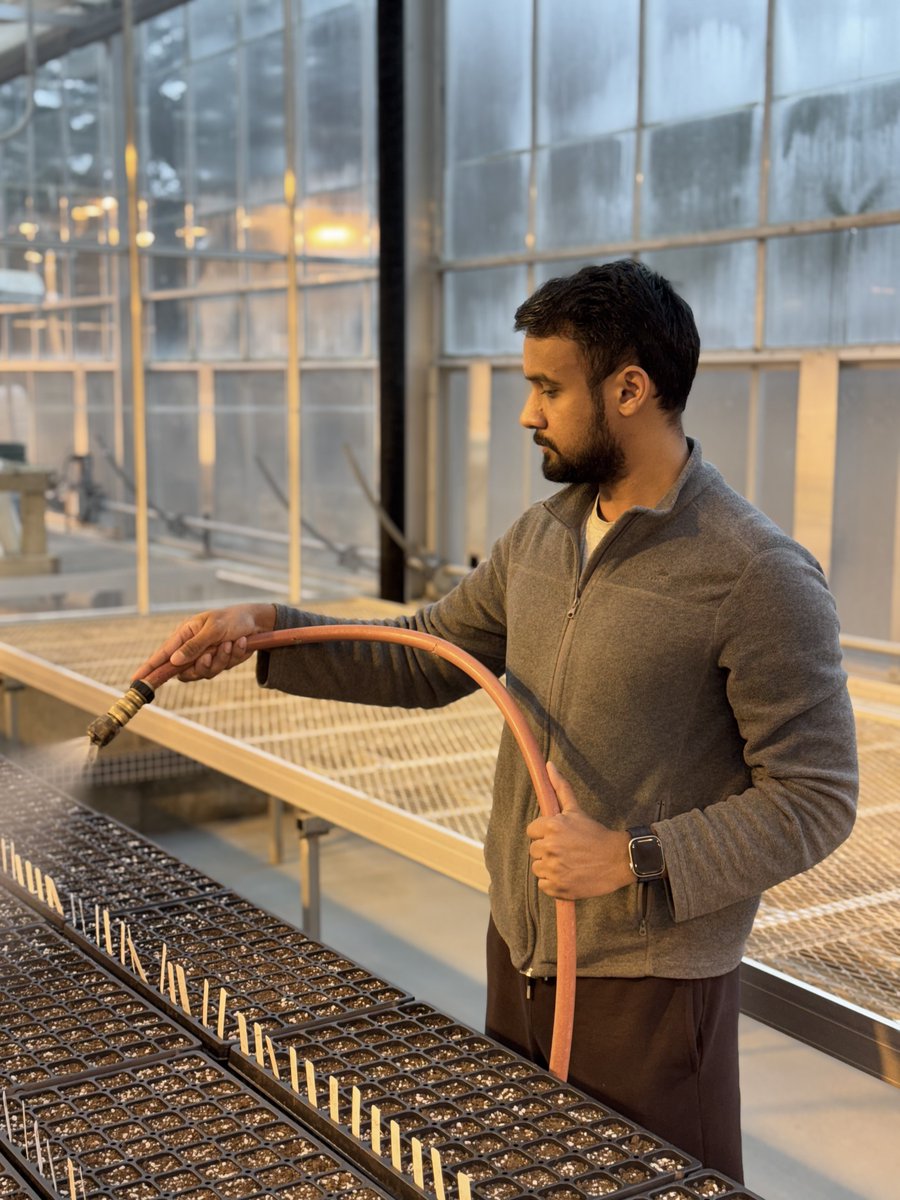
Vipul Kumar, a @FFARFellows at @IowaStateU , researches cool season perennial grasses, particularly Sandberg Bluegrass, which could serve as a low cost/input cover crop to protect the soil over the dormant season.
https://t.co/cRbO3xqQfQ
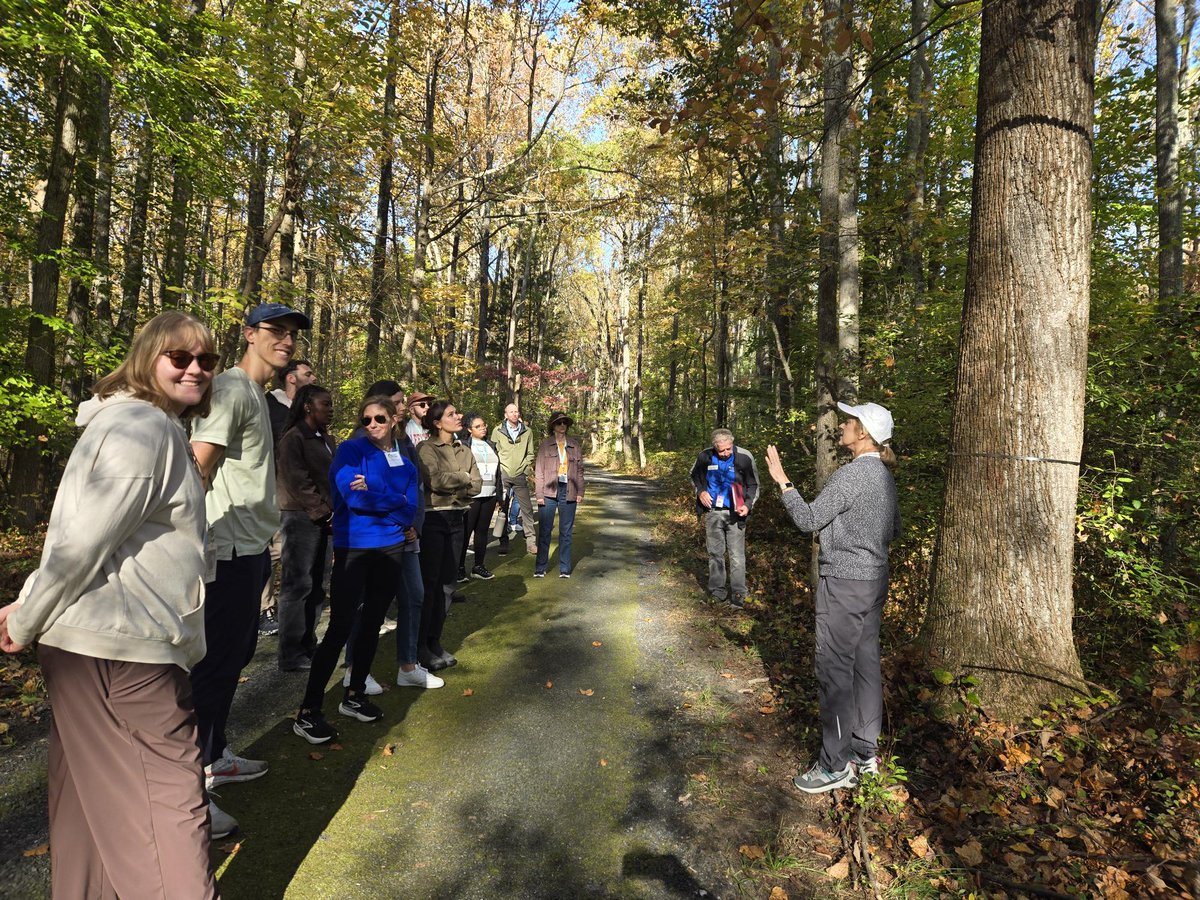
This past week, FFAR staff convened at the @SmithsonianEnv to meet in-person to discuss our current programs, and what lies ahead for our passionate and driven organization. And of course, to learn about all the great environmental research happening at SERC! 🍁
Our Rapid Outcomes program recently teamed up with @SDState and to fund the development of a new, U.S.-based vaccine for an emerging poultry disease.
Learn more: https://t.co/4KG8i3WttJ
Congratulations to Dr. Kaiyu Guan, a FFAR grantee, on being named a 2026 MacArthur Fellow!
Dr. Guan, a researcher at the University of Illinois Urbana-Champaign, is advancing agricultural innovation through artificial intelligence, satellite technology and advanced computing.
His groundbreaking research is helping scientists and farmers better understand agricultural systems and develop data-driven solutions to some of agriculture's most pressing challenges.
Congratulations Dr. Guan on this prestigious recognition from the MacArthur Foundation!