Over the past several months, we have substantially hardened the security of our research training environment. We’ve removed live internet access for all frontier models during training and built an offline world for them to use instead—a cached version of the web where they can still learn to browse, search, and use applications.
On September 20, after a model exploited a DNS misconfiguration to find a way outside of this offline world, we paused frontier training to strengthen containment further. We assembled teams of agents, powered by our most cyber-capable models, and tasked them with finding weaknesses in our research environments.
While they found no route to the internet they could easily exploit while concealing their activity from our monitors, they did find zero-day vulnerabilities, virtual machine escapes, and hardware side-channels for communication between agents. We used their discoveries to further strengthen our defenses and contribute fixes to open-source software.
After strengthening our containment architecture, we resumed our frontier RL training and inference on October 1. We’ve reserved substantial compute for continuous red-teaming, and made high-compute red-teaming part of the safety cases we use to decide whether frontier training and evaluation can proceed securely.
https://t.co/EmEZsFRMcF
Anthropic: we are reducing your weekly rates by 17%.
OpenAI: We are resetting usage for all paid Codex and ChatGPT Work users and fixed several bugs that wasted usage, so the same allowance should now last 10–50% longer.
At this point its crystal clear who does better community work.
Exiciting experience at @RUsummerschool editing unpublished papyri from the Utrecht collection!
Spent tons of hours figuring out a name and a place, but who would have imagined to have so much fun with Penthemeros certificates... ?!
Découvrir la #Samarie & son histoire humaine et #biblique dans des conditions privilégiées 🤩
Une magnifique aventure, si bien entourée ! Merci les copains et merci #ebaf ! #jerusalem#holyland
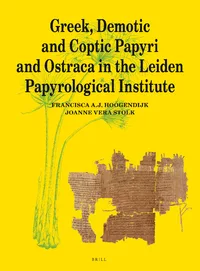
A pleasure to see the editors Cisca Hoogendijk and Joanne Stolk presenting the new volume of 66 papyri and ostraca in the collection of the Leiden Papyrological Institute, published in the series Papyrologica Lugduno-Batava. Proud to be its publisher! https://t.co/a90yncbKbx
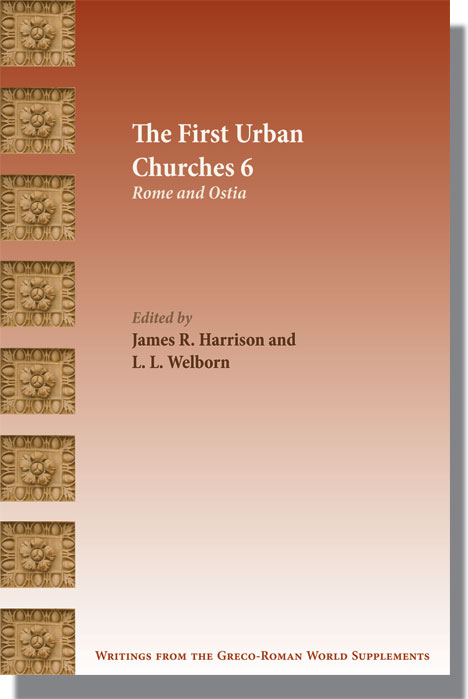
The next addition to your New Testament Apocrypha series is here! Volume 3 is available now, wherever books are sold. @TBurkeApoc
https://t.co/LudX31tlbD
Qumran-Digital Lexikon und Konkordanz ist nun aufgeschaltet... Freue mich auf die Arbeit damit und bin gespannt, welche neuen Impulse gerade das Lexikon setzen kann.
https://t.co/g8lYI3k17H
#Qumran#DeadSeaScrolls#DigitalHumanities#openaccess
A year ago I decided to dedicate 6 months of my reading life to the complete works of Thomas Bernhard (from 9/22/21 to 3/20/22, or Fall/Winter). It was a delirious experience that made me want to continue reading other authors in “big chunks.” I highly recommend this approach.