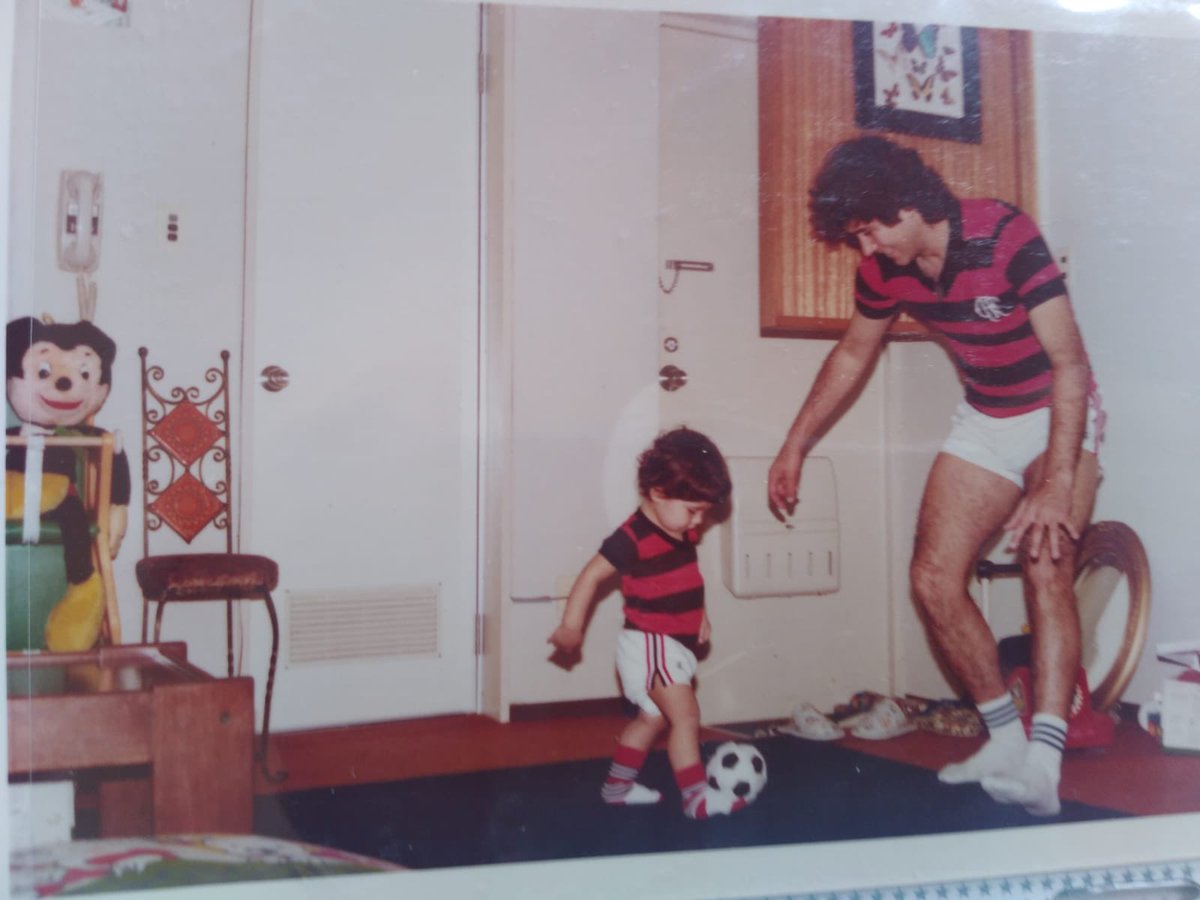
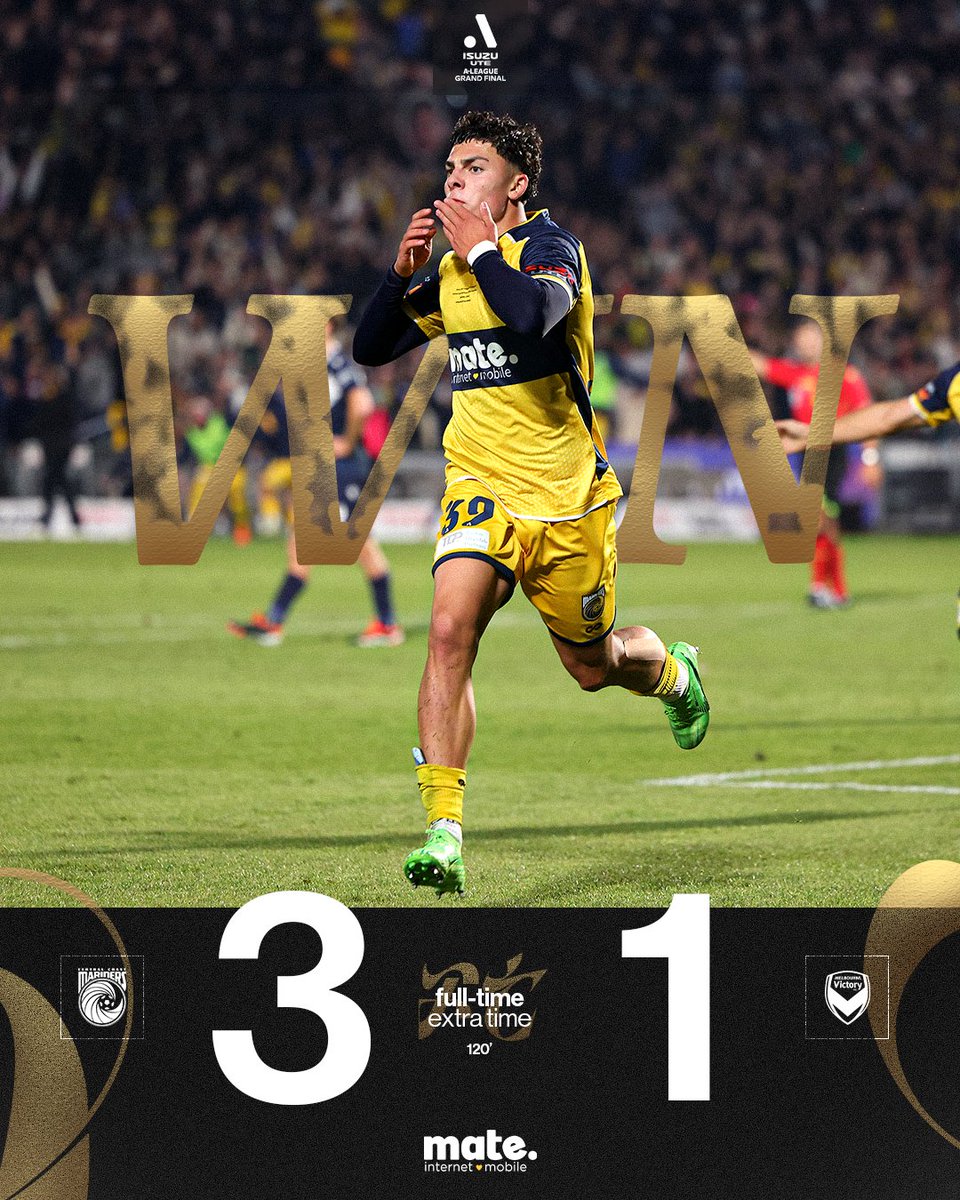
Diego Maradona after playing Milan in 1989 🗣️
“This shirt belongs to a great player, I think Franco Baresi is the best as a defender. This is a memory that I will keep for the rest of my life.”
Achieving the most beautiful thing about football is currently IMPOSSIBLE in Australia ⚽️🇦🇺😮
But what if a club was crazy enough to try and flip the script?
We are about to find out. In real time. A tale of what Australian football can aspire to be.
Introducing BREAKING BARRIERS. Episode 1 live NOW on https://t.co/SCFWhXk8hm: https://t.co/T7Jc0zXd1U
Ex Italy manager Cesare Prandelli speaks out:
“Football is too globalized, almost photocopied, it lacks the imagination and unpredictability that there should be”
“8-9 year olds shouldn’t be playing with just two touches”
“We should value the individual before the system”
The distinction lies in what kind of development each child needs.
Kids Who Have Already Mastered the Ball:
Children under 12 who have achieved mastery of the ball—meaning they have control, confidence, and creativity in handling it—don’t require traditional coaching at this stage. They benefit more from free play or game-like environments where they can explore their skills, make decisions, and develop game intelligence. These children have already internalized the technical foundation, so they thrive by playing with peers, experiencing challenges, and honing their instincts through trial and error.
Coaches for these players are more like facilitators. Instead of teaching technical skills, they provide guidance, encouragement, and create scenarios that nurture the player’s decision-making, spatial awareness, and tactical understanding.
Kids Who Haven’t Mastered the Ball:
For children who have not yet mastered the ball, traditional coaching is essential. These players need to build their foundation in technical skills, such as dribbling, passing, and shooting. Without this baseline, they cannot effectively engage with the game because they lack the tools to express themselves on the field.
Coaches for these players take on the role of teachers, breaking down techniques, offering repetitive practice, and ensuring the child gains confidence with the ball. The focus is on structured learning, instilling habits, and introducing the love of the game through tangible progress.
Why Mastery First?
Without mastery of the ball, the game itself can feel overwhelming. The child spends more time struggling to perform basic actions rather than thinking about strategy or enjoying the experience. On the other hand, a child who has mastery plays with freedom and can focus on higher-level aspects like teamwork, positioning, and creativity.
In summary:
Mastered players: Thrive in less structured, game-oriented environments where creativity and decision-making are key.
Non-mastered players: Need structured coaching to develop a solid technical foundation before progressing to advanced gameplay.
This principle aligns with the philosophy that “Football Starts at Home.” Mastery should ideally happen during early childhood, often through play and parent-child interaction, making formal coaching at young ages less critical.
Congrats to @ManlyUnited 18’s, the vast majority of whom have been with the program all through youth league.
Won the league today after a 6-0 win over Sydney FC, and as importantly, playing football you want to watch.
👏🏼👏🏼👏🏼
🇮🇹 48 hours til start of new season
❌ Serie A has no TV rights in multiple HUGE markets, including;
🇮🇳 India (1.4bn ppl)
🇮🇩 Indonesia (275m)
🇦🇺 Australia (big 🇮🇹 population)
➕many more markets
❌ 🇬🇧 U.K only 2 games a week
➕ awful 🇺🇸 💰 TV deal
🤡 PURE INCOMPETENCE
If you’d told me before the album release there was a better song than Living proof on #BonJoviForever I wouldn’t have believed it but Waves has blown me away. What a song! #BonJovi