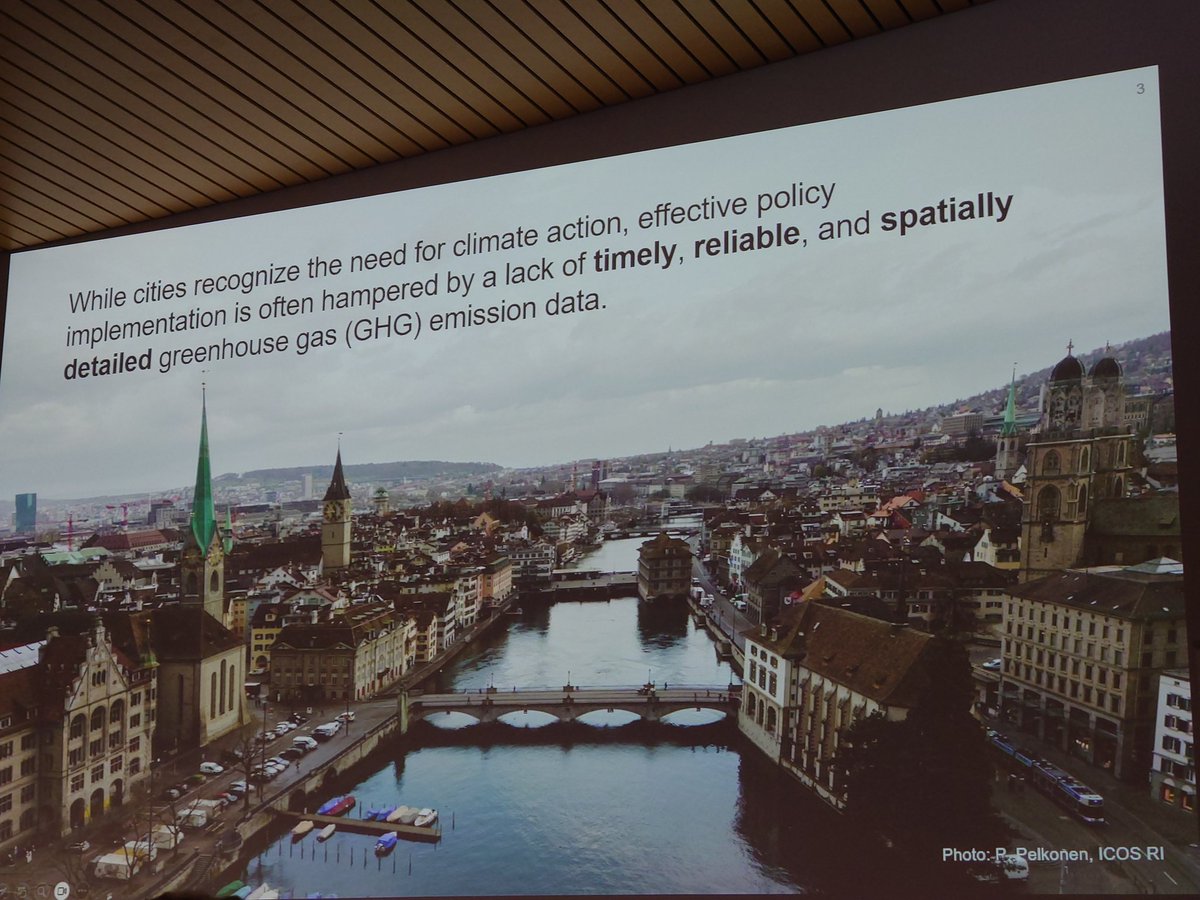
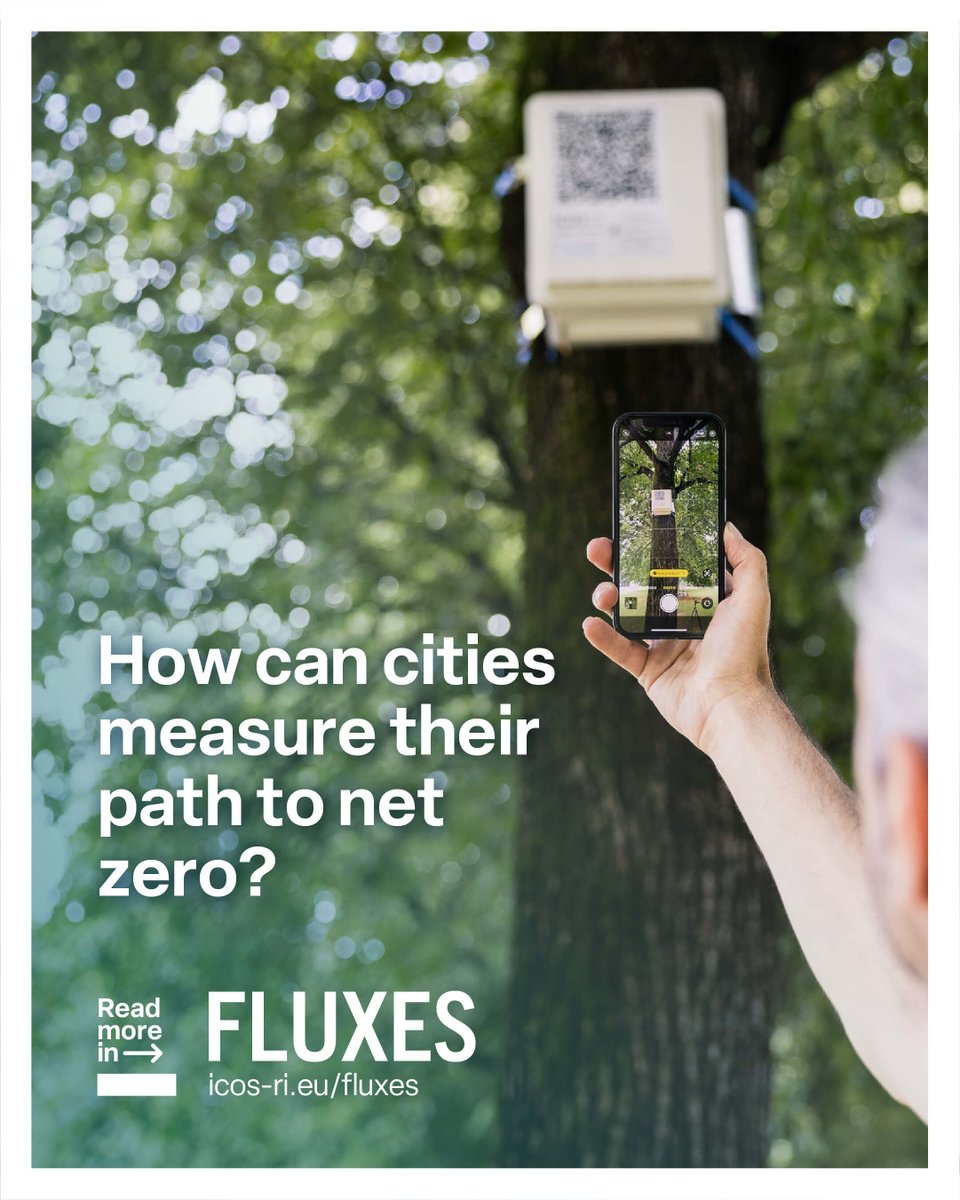
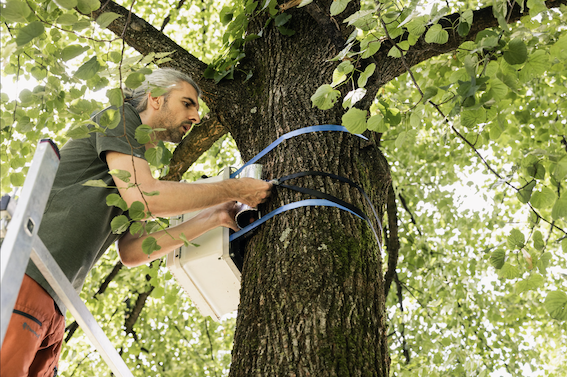
With around 70% of global #GHGs originating from urban areas, cities need robust tools to measure emissions and track reduction progress. The Urban Emission Observation & Monitoring Guidelines are vital in these efforts.
Read more & access the guidelines https://t.co/KURSgQIDyX
The last ICOS Newsletter of 2025 is out! In this edition we looked back at #ICOS10, saw two more stations receive the ICOS label, and granted the first Ingeborg Levin Early Career Scientist Award.
Read the newsletter here: https://t.co/6HwiwPbs6W
As part of the #ICOSCities project, Zurich now has 60 atmospheric sensors measuring real-time CO₂ levels across the city. For the first time, authorities can compare live atmospheric data with the traditional emissions inventory.
👉 Read more in FLUXES: https://t.co/lxesCC0bRY
Excited to be at the final meeting of #ICOS_Cities and seeing all the exciting science the project enabled and how the results are being used by stakeholders.
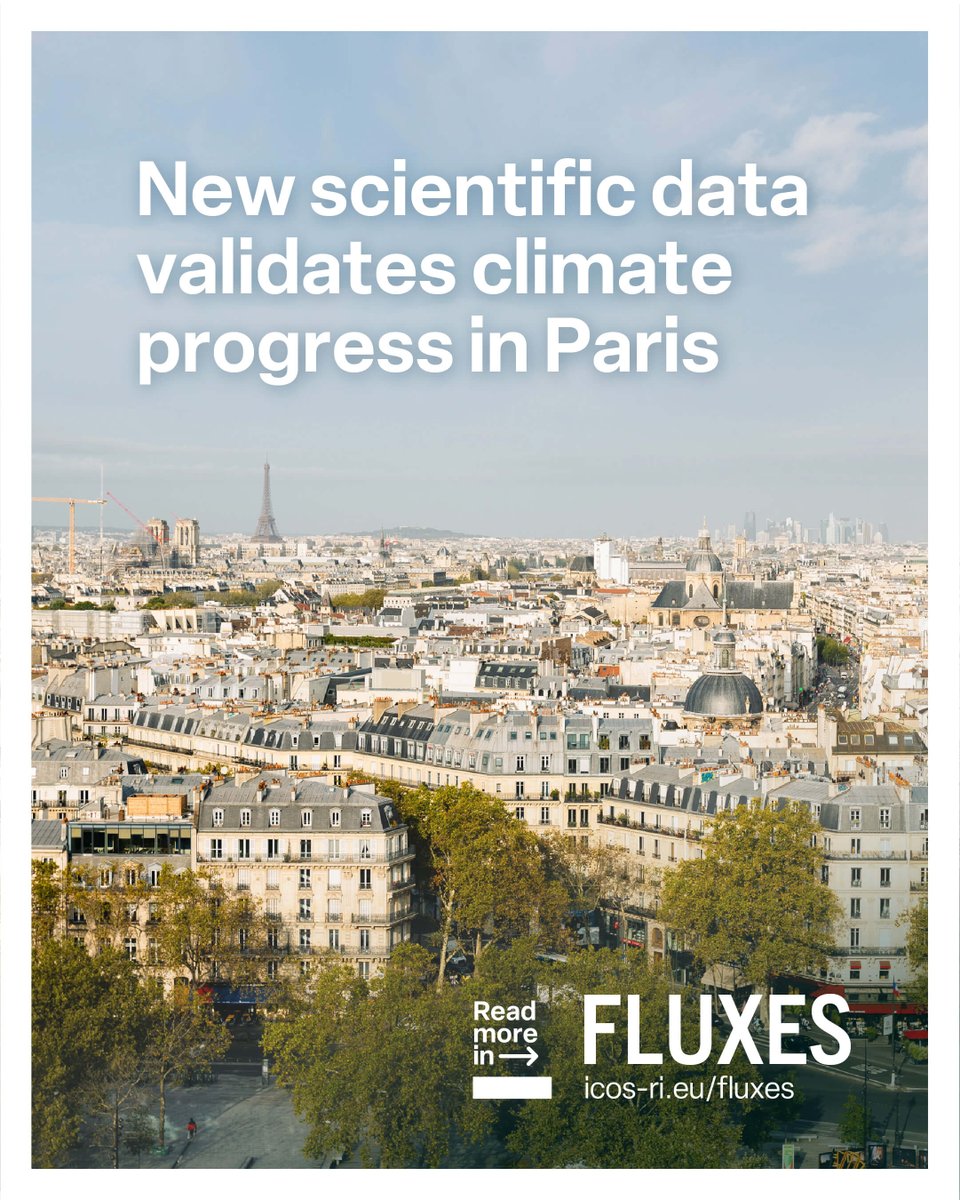
For the first time, independent monitoring data from #ICOSCities confirms that GHG emissions in Paris have decreased by 25% in the last decade, aligning almost perfectly with the 26% CO₂ reduction reported by @Airparif (2015–2022).
👉 Read more: https://t.co/cQHsunYtdn
🏙️ Cities are where climate action becomes reality.
National targets set the goals, but cities turn them into measurable impact.
The new FLUXES on #urbanemissions shows how real-time data helps cities track progress and move closer to #netzero.
👉 https://t.co/aXsXRQDssD
🌍 The latest issue of FLUXES on #UrbanEmissions is out now!
How can cities know if their climate actions are working? The new FLUXES reveals how real-time, high-accuracy emissions data is helping European cities move toward net zero.
👉Learn more: https://t.co/fpTHPTjx9H
Final reminder - call for session proposals for ICOS Science Conference 2026 closes this Friday 24th October 2025 at noon (12:00 CET)!
Submit your proposal here: https://t.co/Ee9rDVSHoF
#ICOS2026SC
📢 70% of global GHG #emissions originate in #cities. We need accurate data to act. IG3IS updated Urban GHG Guidelines can help. Join Lead Author Jocelyn Turnbull for the key highlights.
📅 Oct 23, 2025 | ⏰ 21:00 CEST
Register now! ➡️ https://t.co/lf9l4Dz51Y
📈 Carbon dioxide (CO₂) levels in the atmosphere soared by a record amount to new highs in 2024, according to WMO’s latest Greenhouse Gas Bulletin.
🔗 Find out more: https://t.co/KiPG25GFGz
Four Years of Mobile Monitoring Show that Urban Waste is the Primary Source of Large Methane Emissions Hotspots in Montreal, Canada https://t.co/IREjNr1ndy
A study, using ICOS data and published earlier this year in Nature, found that a third (34 %) of the Arctic-boreal zone is now a source of carbon to the atmosphere. When emissions from fire were added, the percentage grew to 40%.
Read more: https://t.co/ZcTyuHM4Zg
Over the past 10 years, ICOS has used the knowledge and expertise of its community for scientific and societal benefit, whether on the local scale of the ICOS Summer School, to the global stage of COP summits.
👉 Read more: https://t.co/33zcuDOEIW
Preprint: Methane fluxes from arctic & boreal North America: Comparisons between process-based estimates and atmospheric observations https://t.co/084Zivr3Gt
Less than a week to go until the ICOS Talks webinar 'F-gas emissions derived from atmospheric observations - what we have learned', organised by the EU projects AVENGERS, EYE-CLIMA and PARIS.
📅 Thursday 5th June, 11:00-12:00 CEST
🔗 Register here: https://t.co/LywM8528rN
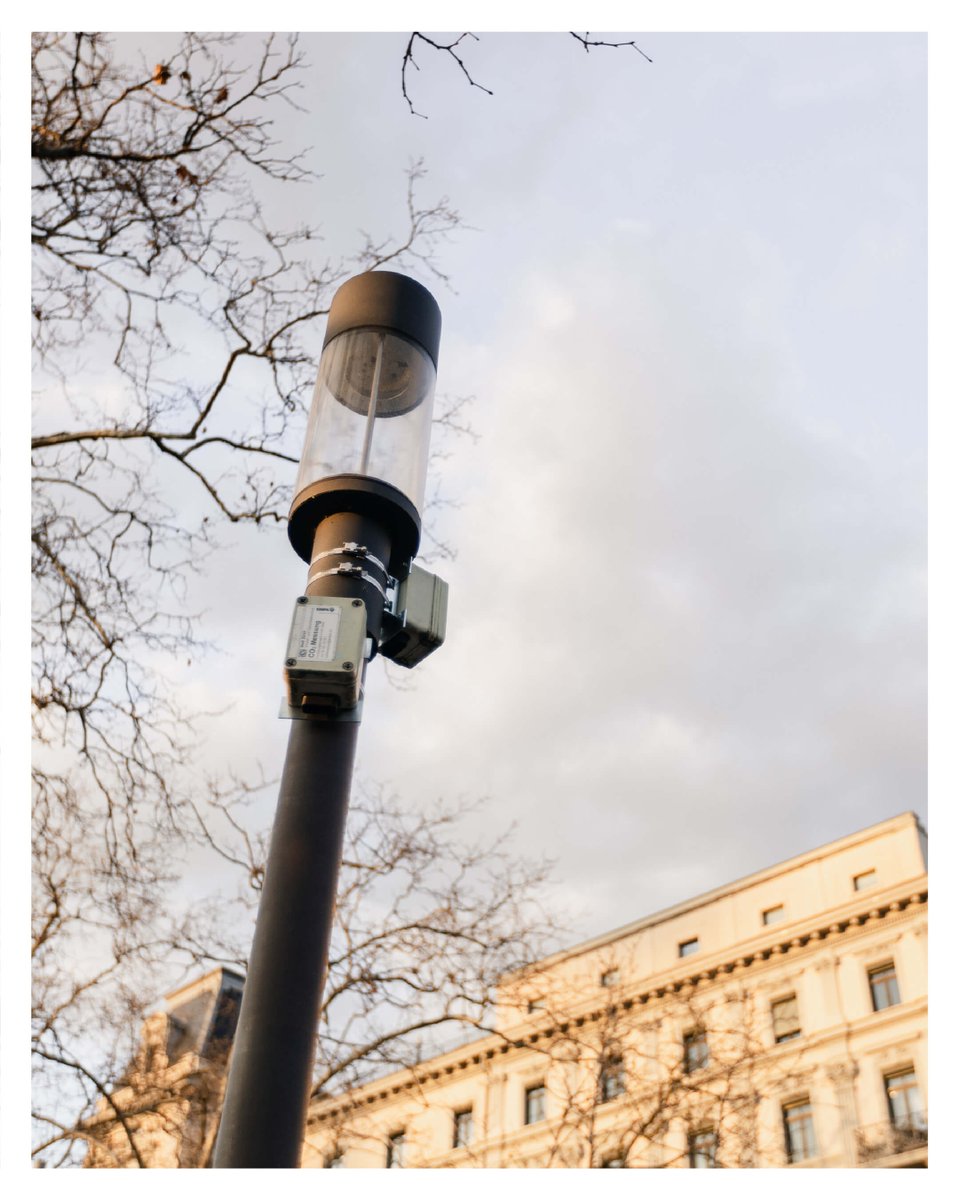
#Munich policymakers now have access to a real-time picture of the city's #emissions, thanks to a cutting-edge #greenhouse gas monitoring network set up by @TU_Muenchen and the #ICOSCities project. 🇩🇪 🌍
Read the news story: https://t.co/cx32cRs85m