A non-profit organization with a mission to promote the health and welfare of children, the young, women, the vulnerable, and drive social development.
Did you know that?
▪︎ One unit of blood saves up to three lives.
▪︎ It takes just one hour to donate, but the impact can last a lifetime.
▪︎ Every drop given is a life transformed.
▪︎ A minimum of 1–2% of the population donating blood is vital to meet national needs of which most countries are yet to reach this level.
▪︎ Blood from voluntary, unpaid donors is the safest for patients. Your commitment matters.
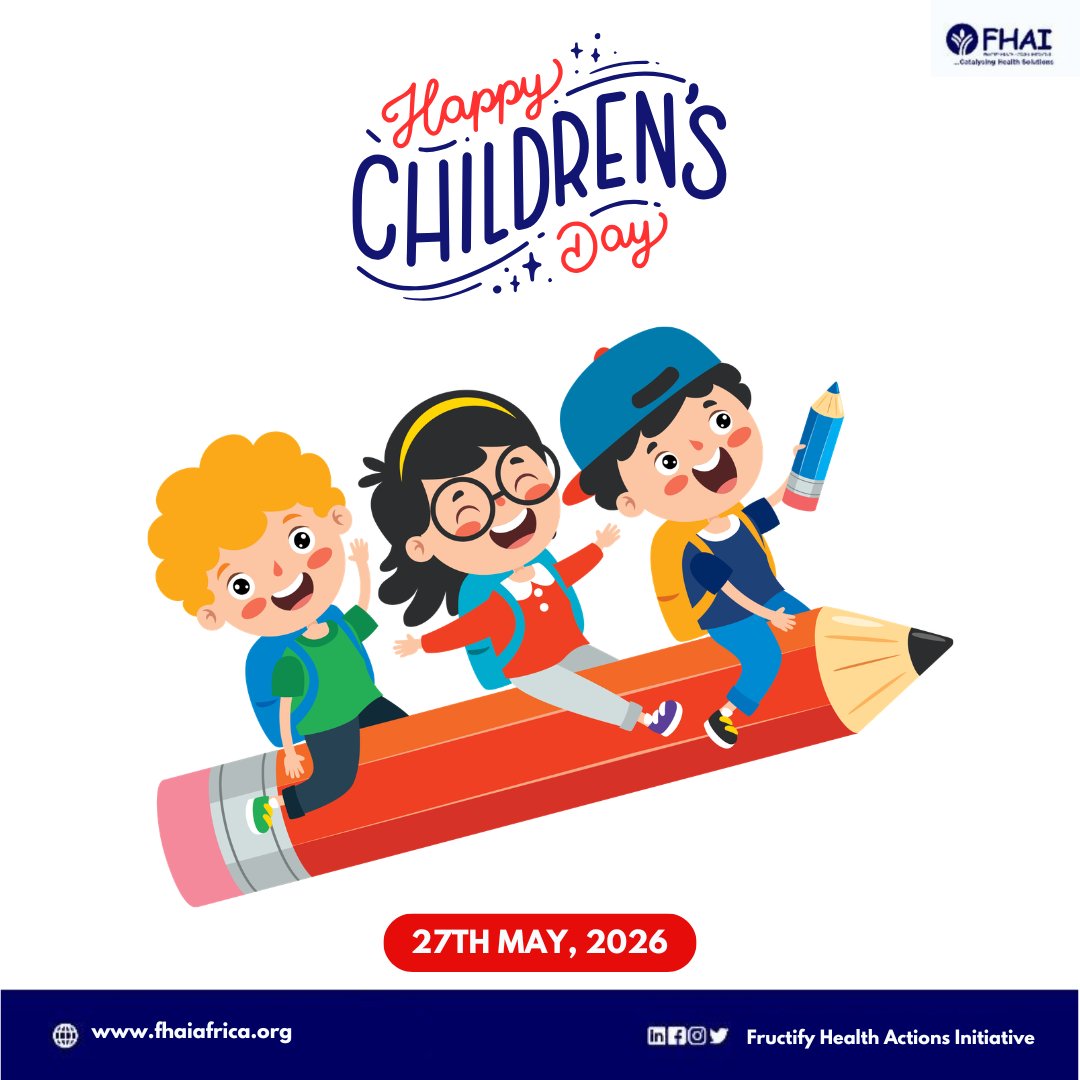
Happy Children's Day to the daring little ones.
We will continue to play our role in championing the right environment and systems for your health and growth.
#Children
protecting our lives and future.
Through our advocacy and programs, we remain committed to ensuring more people and communities are protected from vaccine-preventable diseases.
Happy World Immunization Week!
#WorldImmunizationweek#Immunization#Vaccineswork#Everygeneration
With more than 30 life-threatening diseases and infections effectively prevented by vaccines, vaccines have saved more than 150 million lives over the past 50 years.
This affirms the safety of vaccines in preventing diseases and infections, and its continuous potency in
According to UN women, more than 1 billion women (equivalent to more than a quarter of all women or 27.1%) lack access to safely managed drinking water services globally in 2023, and in 53 countries with available data in 2024, women and girls spend 250 million hours per day
on water collection - over three times more than men and boys.
This underscores the need to do more in empowering women and girls to ensure they are equally integrated for participation in water-related decision-making and water management thereby guaranteeing
Considering that progress at current pace will take 286 years to close legal protection gaps between men and women, and the fact that laws in many countries which allows for early and child marriage erodes the full potential of about 12 million girls annually, it becomes
imperative to accelerate actions towards closing all gaps that systematically disadvantages women.
As we celebrate the International Women's Day today, we remain committed to dismantling all legal and social barriers to equity that erode the rights of women and girls through
In gratitude and optimism, we look ahead and are much ready to deliver health and social development services to communities, groups, and bodies in line with our vision.
Happy New Year from all of us at FHAI.
#HappyNewYear2026
financial gaps in HIV prevention and treatment services, remove legal and social barriers, and empower communities to own and lead. Let us remember that there is still much more to be done in ending the AIDS epidemic by 2030.
Happy World AIDS Day!
#HIV#WorldAIDSDay2025@UNAIDS
HIV prevention services are greatly disrupted by financial crisis impairing accessibility to HIV services with social problems such as substance abuse also amplifying the crisis.
We must remember that AIDS is not over and considering the current economic climate, a new
transformative approach is required to mitigate risks and help reach our targets. Radical shifts to HIV programming must be considered with funding expanded beyond local resources.
As we mark the World AIDS Day this year, we must come together to bridge all programming and
It is no doubt that the duties and responsibilities of police officers place them in difficult and stressful circumstances, which can impact their mental health and performance.
This informs a Mental Health Summit for Police Officers.
As we celebrate the International Day of the girl child today, let's remember that when we invest in girls, we create a just world filled with hope for everyone.
Happy International Day of the Girl Child!
#GirlChild@UN
Despite that girls are known leaders driving global change and development, around 133 million girls are out of school as at today. Moreso, adolescent girls aged 15-19 years are more likely to not be in education, employment, or training than their male peers.
It is why we remain committed to implementing programmes that meet the special needs of girls in situations of health, education, mental well-being, and crisis.