'Ex-Silenced' Orthopaedic Surgeon advocating real food. Healthy Eating advocate #LCHF. Author - Inversion - One Man's Answer for World Peace and Global Health
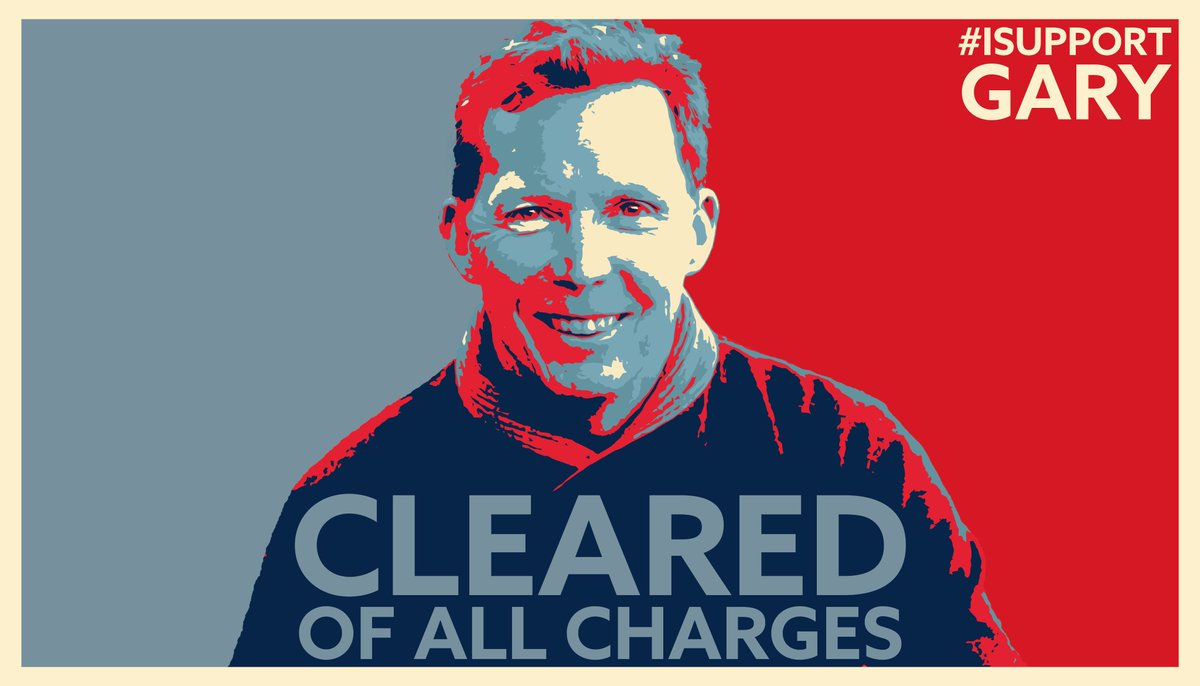
Cleared of all charges! @AHPRA notified me yesterday of their overturning of determination that #sugar & #LCHF advice to my patients was dangerous. Formal apology included. Opens door for all HCP's to offer this as 'safe' options. 🙏 all for your support. https://t.co/pD3DWpsmNg
A #vegan lifestyle is incompatible with long term health. You just can't sustain it without supplements, B12, and likely iron infusions. Nice people on the whole bar the vicious ones trolling on social media. https://t.co/0SwJDHEP5s
Brand new study just dropped (published Oct 29, 2026 in Frontiers in Pharmacology).
A massive new analysis from two of the world’s largest biomedical databases just linked statin use to roughly double the risk of dementia.
Researchers looked at the All of Us Research Program (83,355 adults, including over 31,000 statin users, followed through 2023) and the UK Biobank (173,282 adults, including nearly 44,000 statin users). After balancing groups for age, BMI, APOE status, comorbidities, and other factors using inverse probability of treatment weighting, statin users showed adjusted hazard ratios of 2.22 (All of Us) and 2.54 (UK Biobank) for incident dementia.
The association held across Alzheimer’s disease, vascular dementia, and other subtypes. High-intensity statins carried an additional ~14% higher risk compared with moderate-to-low intensity therapy. Incidence rates were higher in the discovery cohort (64.9 vs 30.7 per 10,000 person-years) than in the replication cohort, but the relative increase was consistent.
In an exploratory mediation analysis, a modest portion (8.2%) of the association appeared to run through lower levels of coenzyme Q7—a protein involved in CoQ10 biosynthesis. Lower COQ7 was itself linked to higher dementia odds. The pathway through LDL-C was not statistically significant. The authors note this is hypothesis-generating and that direct CoQ10 was not measured.
This is observational data, not a randomized trial, so it cannot prove causation. Residual confounding (including why people were prescribed statins) remains possible, and the literature on statins and cognition has been mixed. Still, the scale, the replication across two independent cohorts, the intensity-dependent pattern, and the COQ7 signal make it hard to ignore.
This is the kind of result that makes people who have been skeptical of long-term statin use for primary prevention sit up and take notice—especially given the CoQ10 connection many clinicians have quietly acknowledged for years.
The full paper is open access: https://t.co/dEanGT17LV
Four weeks of wall squats reduced systolic blood pressure by nearly 10 points in adults with high blood pressure.
Researchers then compared continuing three sessions weekly with reducing to two, one, or none for another month. Systolic pressure remained roughly 7 mmHg below starting levels in the once- and twice-weekly groups. Continuing three sessions weekly produced the greatest reduction of about 14 mmHg. In those who stopped completely, blood pressure moved back toward baseline.
This fits with a previous analysis of randomized trials that identified isometric exercise, which involves holding a muscle contraction, as an effective way to lower resting blood pressure.
What interests me is the practical question - how much of an exercise benefit can we preserve when we temporarily have less time? This study suggests that reducing the frequency can retain part of the benefit for up to a month.
Saturated fat was supposed to clog your arteries. A brand new randomized trial just put that to the test.
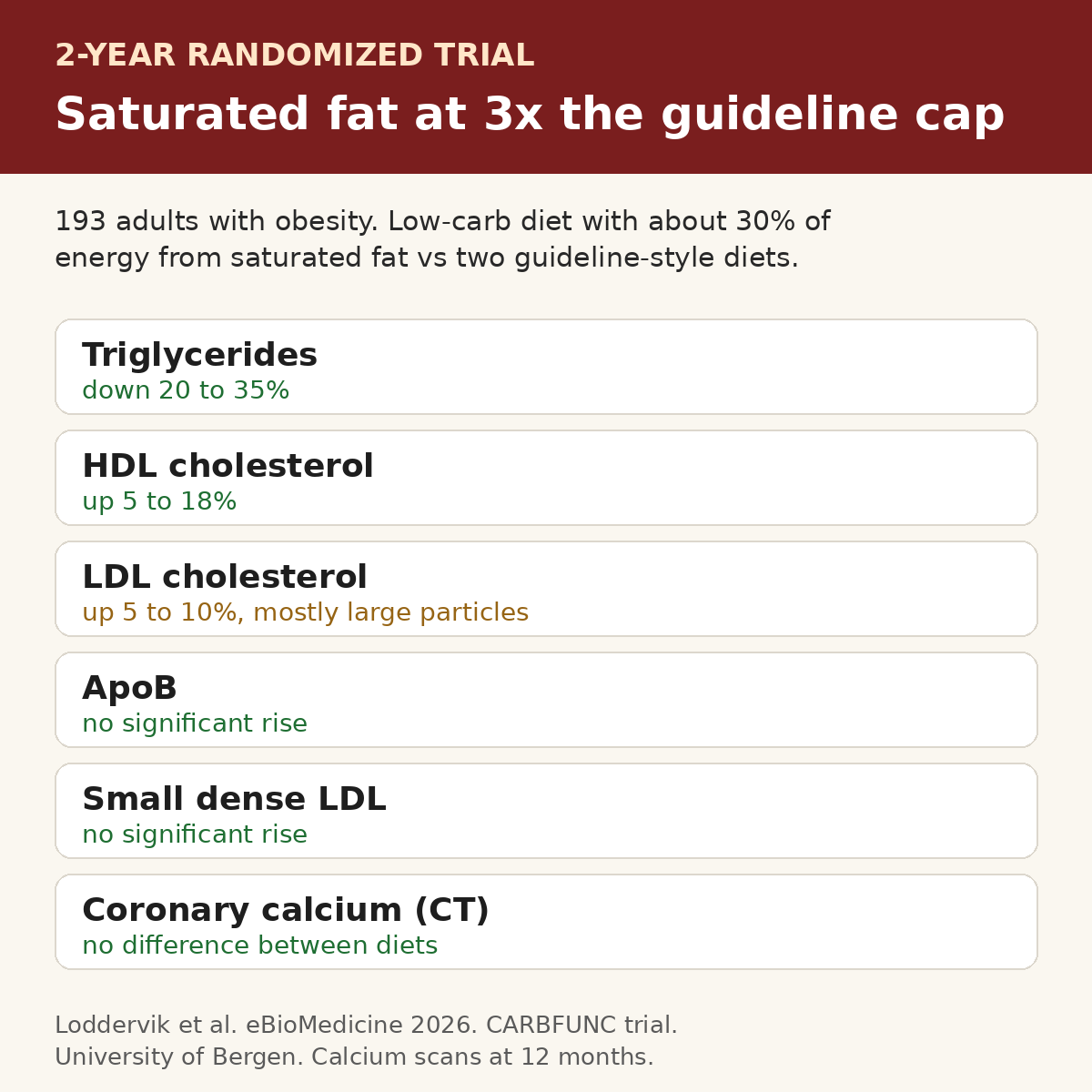
Researchers in Norway assigned 193 adults with obesity to one of three diets for up to 2 years. One was low-carb with about 30% of energy from saturated fat. That's 3 times the 10% cap in the Dietary Guidelines. The other two were higher-carb, guideline-style diets.
On the high saturated fat diet, triglycerides dropped 20 to 35% and HDL rose 5 to 18%. On the higher-carb diets those stayed fairly flat.
LDL went up 5 to 10%, mostly the large, buoyant particles. ApoB did not go up significantly. Small dense LDL did not go up significantly. And CT scans at 12 months showed no difference in coronary artery calcium between the diets.
The lead researcher said the study "challenges the contention that a higher intake of saturated fat has an inherent negative impact of overall disease risk."
The Study and my video below...
Get this... steak and eggs stayed on the menu, and estimated heart risk went DOWN.
https://t.co/wSBdgPOwFd
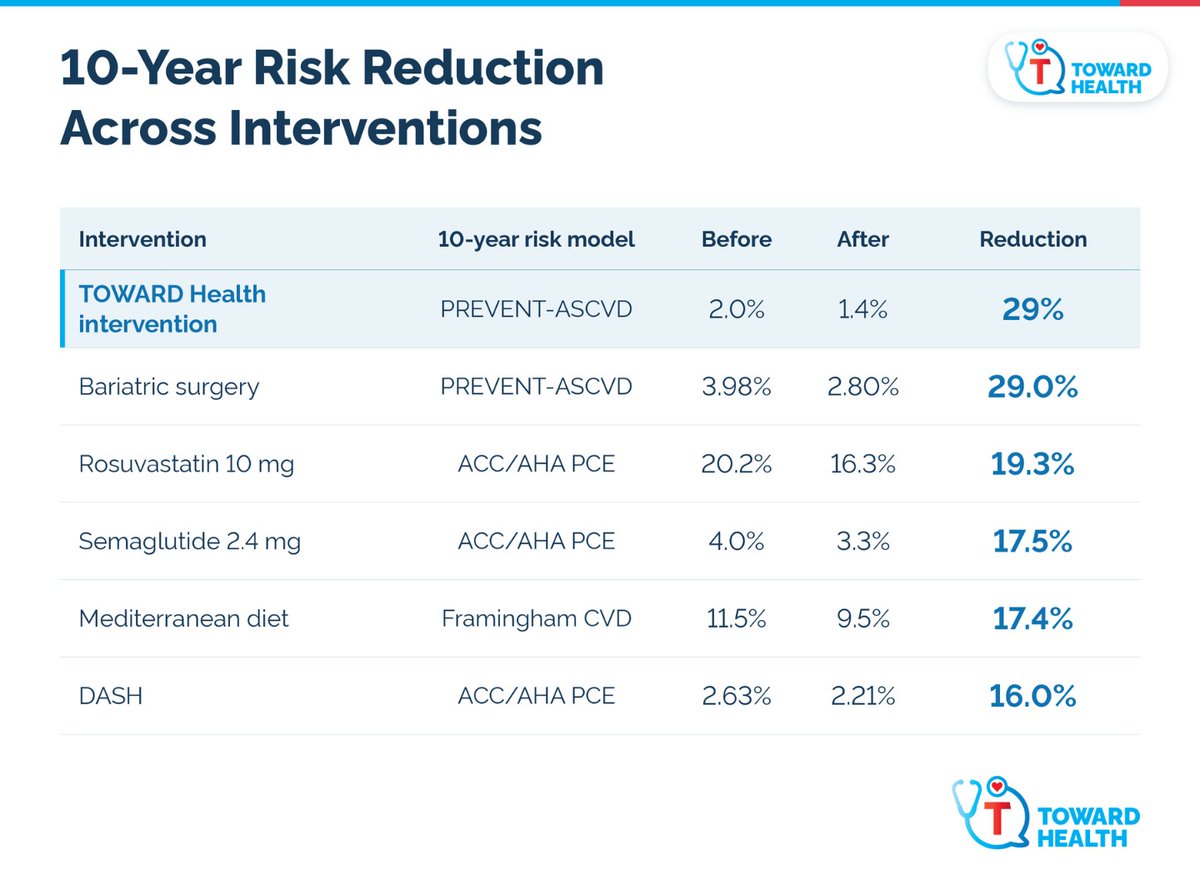
What happens when TOWARD’s metabolic telemedicine care is evaluated using the AHA’s own PREVENT calculator?
In our 120-patient cohort, estimated 10-year ASCVD risk fell 29% after one year.
Steak. Eggs. Good metabolic medicine. Lower estimated risk.
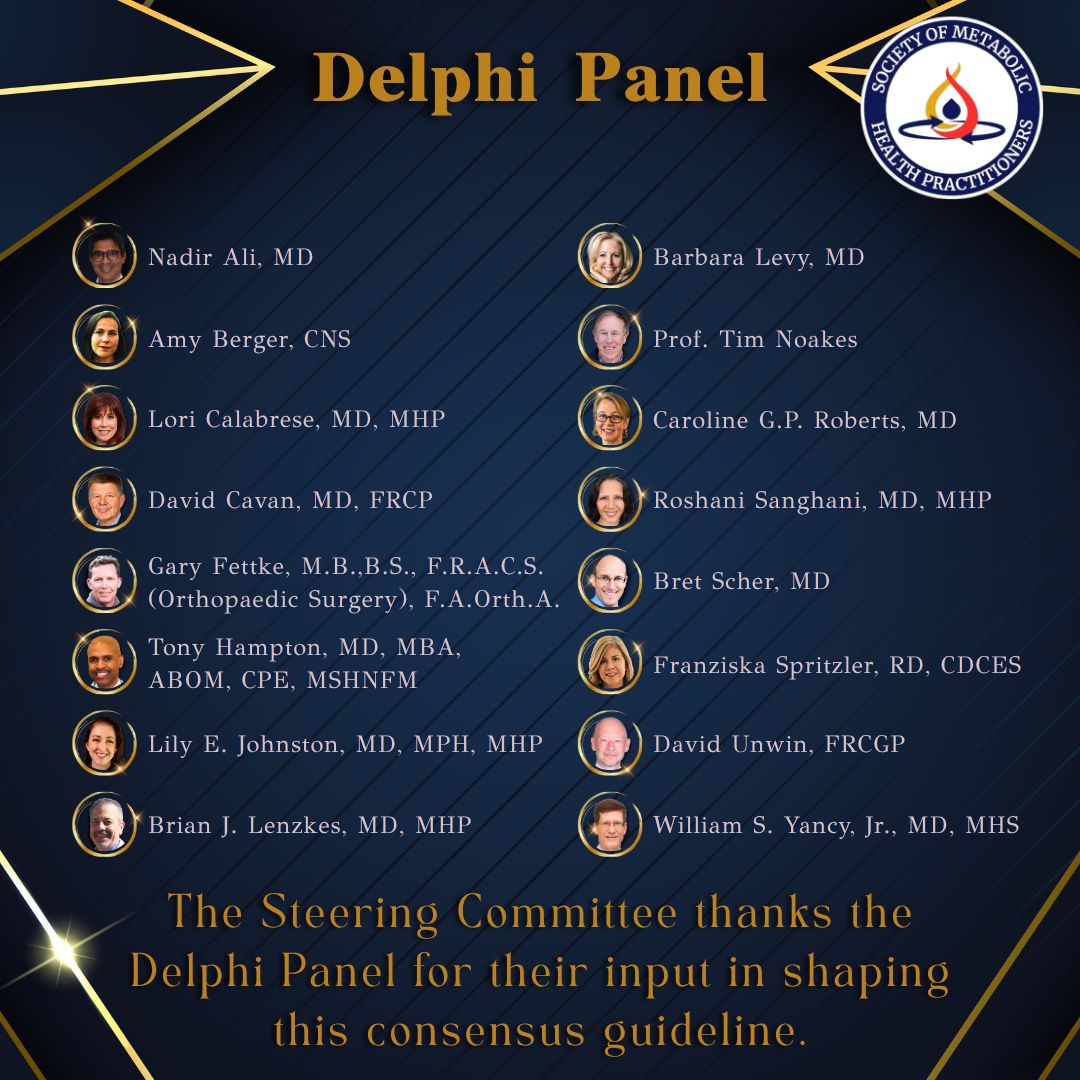
Therapeutic carbohydrate reduction (TCR) now has a peer-reviewed implementation guideline.
Published today in the Journal of Metabolic Health (JMH)!
https://t.co/fcBPYApdnk
Developed to help address the growing epidemic of metabolic dysfunction.
This spine tingling moment just happened at the Sen. Johnson Hospital Protocols Hearing.
I can understand exactly why the room erupted.
Here’s an attorney with 50 years experience.
At the start of covid, he gets flooded with requests to make Hospitals give early treatment protocols.
But the result of his work is the part really blew my mind.
95.8% of the cases he won ,to force the Hospital to administer Ivermectin. Survived.
But then I heard the contrast of what happened when he lost his cases... the patients who had to go with standard of care hospital protocols which included Remdesivir.
Ralph Lorigo Esq. - “Where I lost.... Every. Single. Person. Died”
I’m left speechless.
My uncle, a former professional tennis player, had a heart attack at 52 with his cholesterol in the normal range. Nobody had ever checked his fasting insulin. I'd rather know what's happening inside my body at 25 than find out the way he did.
A lot of people feel the same way. We opened @neorootai to the public four weeks ago, and 4,004 people have signed up since. Over 1,000 of them come back every week, and we haven't spent a dollar on ads. People are just sending it to each other.
The message we get most is from people who can't make sense of their own bloodwork and don't want to be left in the dark about their health decisions. Neo Root reads all of their results as one connected picture, so they can make those decisions with their eyes open, alongside their doctor. None of them are asking for something to take.
They want to know the truth about what's really happening inside them.
We didn't create this demand. Google has said about 7% of all its searches are health related, more than a billion a day. OpenAI says 230 million people ask ChatGPT about their health every week, roughly 1 in 35 people on earth. All of those people are getting answers.
The question is where those answers come from.
A general AI model learns from everything that has already been written, so it tends to give you the consensus answer. For bloodwork, that means the standard lab range, and standard lab reports call a fasting insulin normal all the way up to 20 or 25.
A normal range tells you what's typical. It doesn't tell you what's healthy.
Neo Root is the world's first root cause health AI. It runs on the same frontier models, but it was built with leading doctors and researchers in metabolic health and tuned for one job: looking for the root cause. It reads your bloodwork across seven systems of the body, treats a fasting insulin of 2 to 5 as optimal, and flags anything past 8, because insulin usually starts climbing years before blood sugar does.
Everyone's debating whether AI will replace your doctor. The more important question is what your AI thinks healthy looks like.
Hi Gary,
Four years ago, in July 2022, by chance, I listened to a podcast from you where you described how a Low Carb High Fat diet can reverse T2D. I made immediate changes. Pic with bike was 4 days ago. The two steaks cooked on a camp stove powered me for 30 hours. Thankyou sir, you changed my life.
Every time someone tells you a lab-made sweetener is perfectly safe, remember how one of them got approved.
In the 1970s, the company G.D. Searle wanted to sell aspartame. To do it, they had to prove it was safe, so they ran the studies themselves. In those studies, the rats started growing tumors, including tumors in the brain.
Then the FDA sent its own investigators in to audit the work. What they found sits in a document called the Bressler Report. This is not a conspiracy blog. It is the government's own file. Searle had cut growths out of living animals and slipped them back into the study. Some were never examined. Some were never reported.
One rat, logged as A23LM, was recorded alive at week 88. Then dead. Then alive again at week 108. Then dead a second time. A rat that died twice.
An FDA review board looked at all of it and recommended against approval. It landed with a brand new commissioner, Arthur Hull Hayes. When the panel deadlocked, he cast the deciding vote himself and approved it. He later took a job with the company's PR firm.
To be fair, none of this proves aspartame gives people tumors. That is not the point. The point is how it got waved through, and who was in the room when it happened.
So the next time a diet soda is sold to you as the healthy choice, ask one question. Who ran the study? Real food never needs an audit to earn your trust.
#NSNG #NoSugarNoGrains #aspartame #dietsoda #artificialsweeteners #realfood #sugarfree #foodindustry #vinnietortorich
You have been told your whole life that the way to save your teeth is to brush more. A group of Australian children accidentally proved that is not the main event.
In 1940s Australia, a children's home called Hopewood raised about eighty kids, most of them from infancy, on a strict diet. No refined sugar. No white flour. No lollies, no soft drinks, no white bread. Fruit for sweetness, and whole, unprocessed food. For years, these kids grew up almost entirely free of the sugar and refined carbs the rest of the country was eating.
Dentists from Sydney's Institute of Dental Research heard about them and came to look. They examined the children's teeth, year after year, and compared them to ordinary schoolkids.
Here is the kicker. The Hopewood children had poor oral hygiene. They barely brushed. By every rule you have been taught, their teeth should have been a disaster. Instead, at age thirteen, they had about one-sixth the cavities of other Australian children. More than half had never had a single cavity. Among the other kids, almost none could say that.
Be honest about it. It was not magic, and it was not permanent. Once they left and ate a normal diet, their cavities caught up. And it was whole food in general, not sugar alone. But the signal was impossible to ignore.
They barely brushed, and their teeth still held. What they did not eat protected them. Your toothbrush cannot out-work what sugar does to your body.
#NSNG #NoSugarNoGrains #sugar #dentalhealth #sugarfree #realfood #wholefoods #vinnietortorich
This is one of the ugliest stories in the history of nutrition, and it is a big part of how we know sugar rots your teeth.
In the late 1940s, at a Swedish hospital called Vipeholm, researchers set out to prove that sugar causes cavities. Their test subjects were the patients who lived there. Intellectually disabled adults who could not consent to any of it.
Ordinary sugar was not enough. They wanted fast results. So they commissioned a special toffee, engineered to be extra sticky, so it would cling to the teeth as long as possible. For years, the patients were fed huge daily doses of sugar and that sticky toffee. Some ate more than twenty pieces a day. On purpose. To watch their teeth fall apart.
It worked, in the cruelest way. Cavities exploded across the ward. Roughly fifty patients were left with their teeth essentially destroyed.
Here is the part that should make you sit up. The study was co-funded by the sugar and candy industry. They wanted to know exactly how sugar wrecks teeth. They got their answer by wrecking real people's mouths.
The experiment did hand the world a landmark finding. It is the frequency of sugar, the constant grazing all day long, that does the damage. But it is remembered now as a medical atrocity, and it should be.
Sugar does to the rest of your body what that toffee did to their teeth. Slowly, quietly, one exposure at a time.
#NSNG #NoSugarNoGrains #sugar #sugarfree #dentalhealth #foodindustry #realfood #vinnietortorich
These data raise serious concerns about a consistent trend in mortality in the mRNA groups—a pattern the FDA failed to highlight.
https://t.co/nne9KoNWe7
@CatherineRiva @BrianneDressen @IamBrookJackson