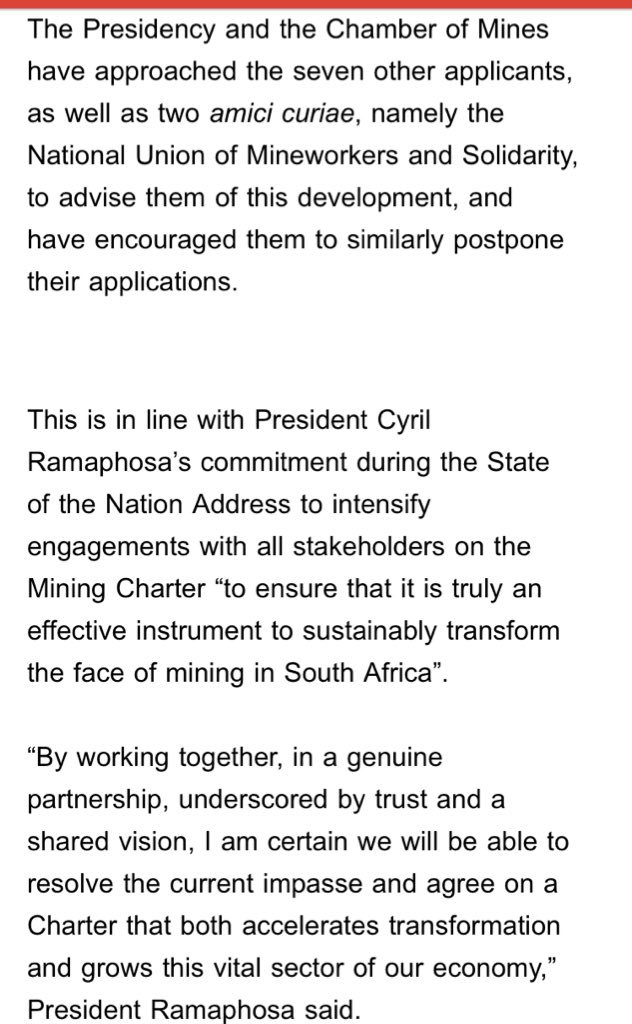
The Mining Charter was a threat to the White Establishment hence Chamber of Mines even took Mosebenzi Zwane to court and he remained defiant. The charter was repealed by Cyril Ramaphosa after he was lobbied by the Chamber of Mines to protect the interests of White Capitalists.
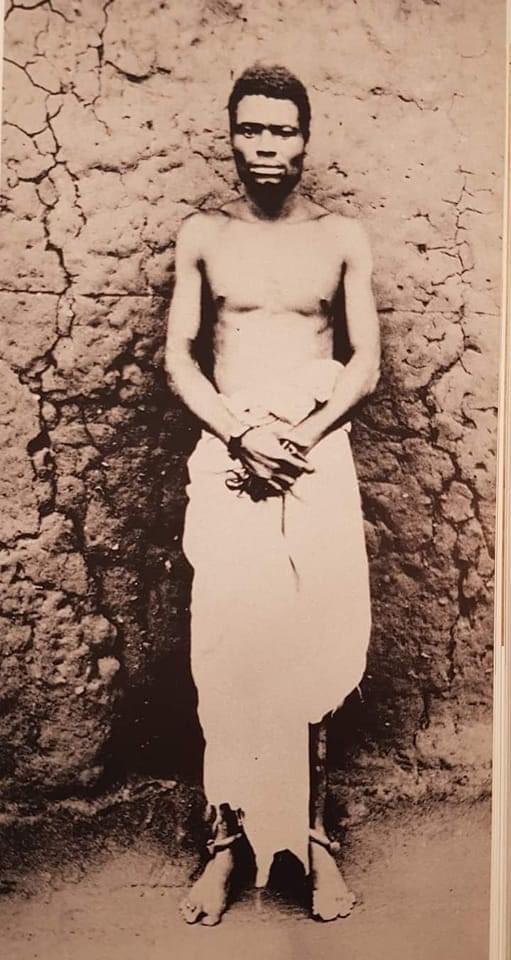
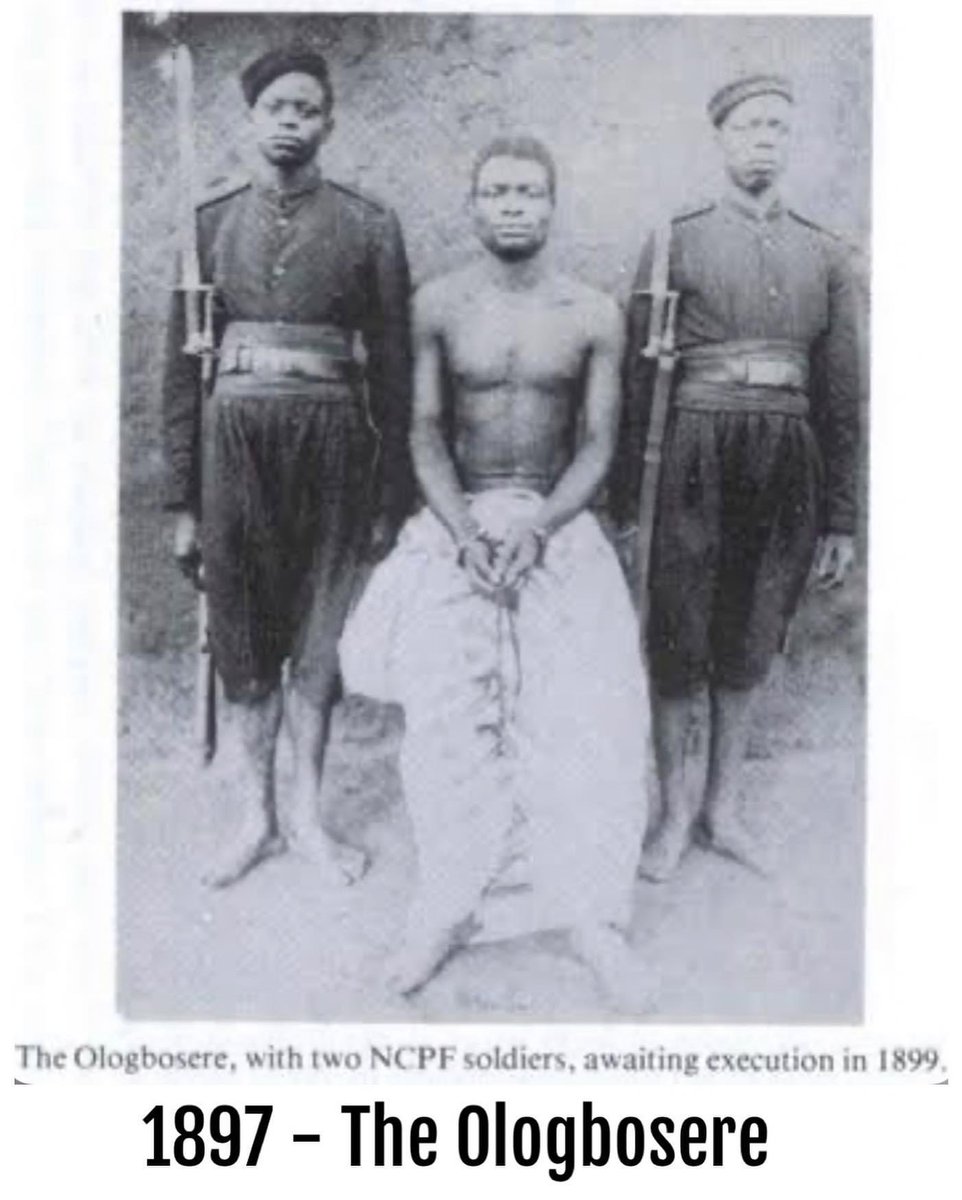
Hanged by the British, at exactly 8 a.m, on June 28,1899. Ologbosere, chief of the Benin Kingdom and warrior fought a guerrilla war for 2 years. To the British he was treacherous and barbaric, but to many Edo he was symbol of resistance against the invaders.
To The Benins He Was A DEFENDER Of The Benin Kingdom. The Brits Considered Him An Adversary , But To The Benins A Hero..
Ologbosere was the commander of the army during the British invasion of Benin, which took place in 1897.. The invasion resulted in the looting of the Benin Kingdom's now famously known as the Benin Looted Bronzes.
A LITTLE BIT OF BENIN HISTORY
📷 Just Before OLOGBOSERE Was Executed For His Role In The Resistance Movement After Benin Fell & Came Under The Control Of The Brits.
#Africa
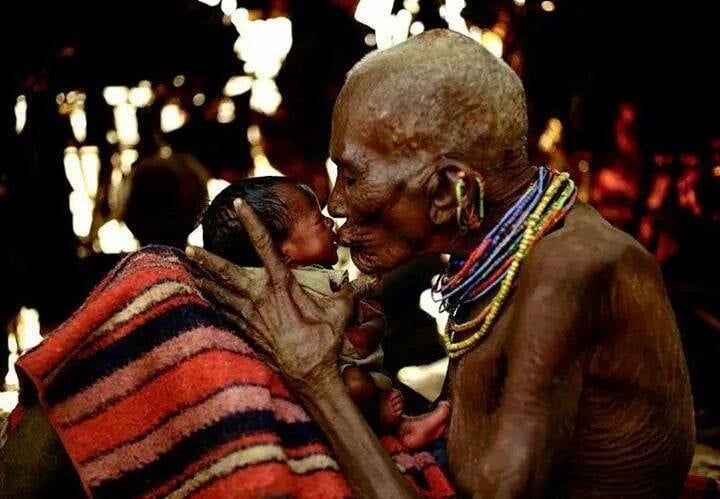
Strengthening the relationship between your children and their grandparents is an offering to your ancestors. Knowledge must be transferred and improved.
Here is Assata Shakur. She was a militant activist and a member of the Black Panther Party in USA. She was charged for murder of a policeman and was imprisoned. She later broke out of prison in 1979 and ran away to Cuba where she was welcomed by Fidel Castro.
How Women Were Treated In Kemet
Ancient Kemet is well known for its Pyramids, Pharaohs, and Words of Nature Hieroglyphics. In addition to these accomplishments, Kemet should also be recognised for its exemplary treatment of women who were treated with a high degree of dignity and respect in Ancient Kemet.
(The Status & Treatment Of Women In Kemet)
These rights were enshrined in the Law of Maat, which was the Ancient Kemetic code of ethics that was based on the concept of Balance, Harmony, and Justice.
The Law was named after Maat, the Female Kemetic Deity or Neter representing Truth, Justice, and Balance.
Kemetic Spirituality, which was the religion of Ancient Kemet, attributed creation to the Divine Feminine Mother Goddess Nut, which positively influenced the position of women in Ancient Kemet because women were revered as the givers of life.
The creation myth of Ancient Kemet depicts how life manifests in the womb of the Divine Feminine through the combination of Masculine and Feminine Energy or Polarity based on the Laws of Nature.
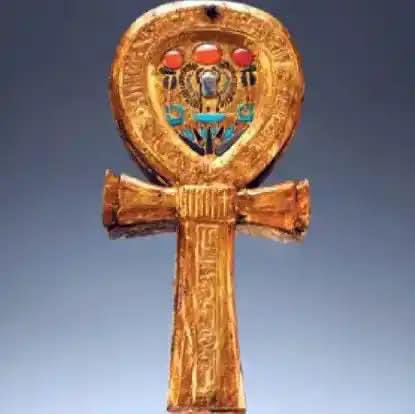
This understanding of the importance of women to the Cosmic Order is represented by the Ankh, the Ancient Kemetic symbol for life.
Another testament to how women were treated in Kemet is the fact that women in Ancient Kemet held various positions of power as Pharaohs and Queens.
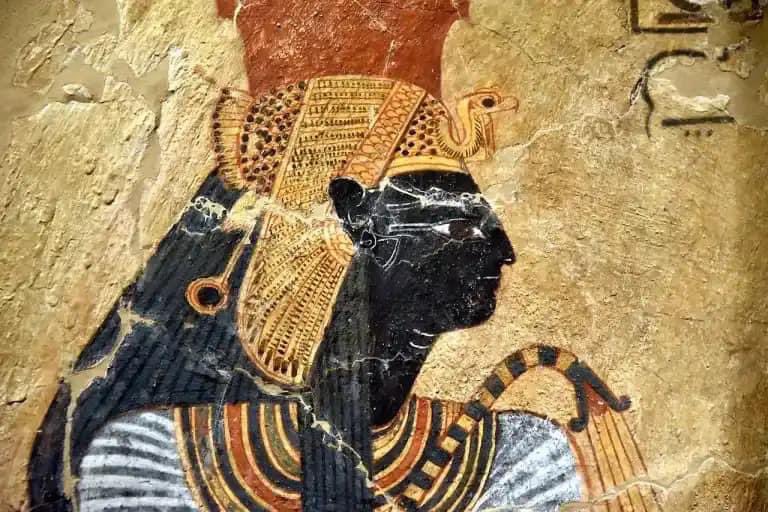
One of the most notable Empresses of Ancient Kemet was Ahmose Nefertari who was responsible for defending Kemet from foreign invaders and the building of Temples which resulted in Ahmose Nefertari being Deified after her death.
Queen Hartshepsut was another powerful Queen of Ancient Kemet exemplifying how women were treated in Kemet.
She is known for her great building projects and her successful foreign policies. In addition, Ancient Kemet was also ruled by the Kandake warrior Queens of Kush.
The Kandakes were known for their military prowess and were often involved in battles with the invading Roman army. One of the most famous Kandakes was Amanirenas, who is known for defeating the Roman Army, and thereby defending Kush from Roman invasion which restricted Roman influence in Africa permanently to Roman Africa in the region of what is modern day North Africa.
Women in Ancient Kemet also possessed legal rights, including the right to own property, to conduct business, and to inherit from their families. The Law of Maat prohibited discrimination on the basis of gender, and women pursued education and careers in various fields.
The high status of women in Ancient Kemet is a testament to the progressive nature of society in Kemet.
The Law of Maat promoted balance, harmony, and justice, and women in Kemet possessed legal rights that were unheard of in other Civilizations at the time.
Conclusion
In conclusion, women in Ancient Kemet were treated with high regard and possessed Legal rights.
The Law of Maat protected women by promoting balance, harmony, and justice, in a society were women were revered as powerful beings responsible for the creation of life.
Women in Ancient Kemet also held various positions of power, pursuing education and careers in various fields.
The high status of and treatment of women in Ancient Kemet is a testament to the progressive nature of Kemetic society and can serve as inspiration for gender relations in modern times.
#Africa
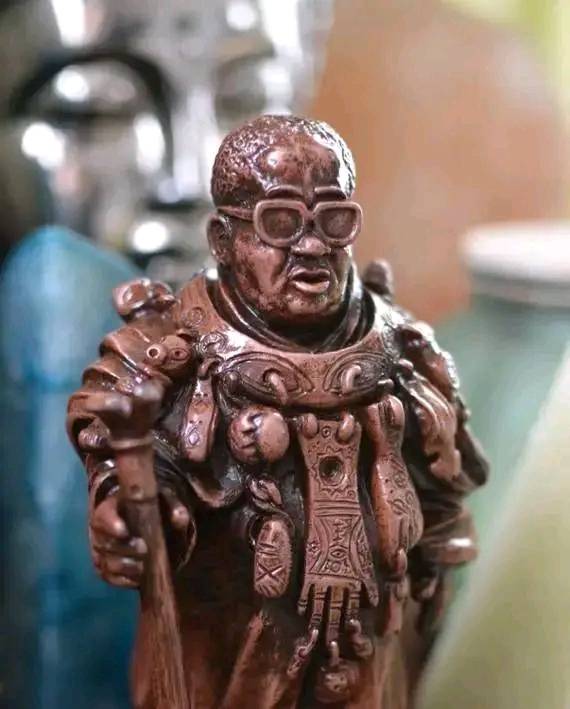
“There is nothing supernatural, everything is natural. We in Africa know that the human being possesses 12 senses, not 5 senses as Western people believe. Man possesses the sense not only to foresee future events, but also to move out of his body at will sometimes."
Credo Mutwa