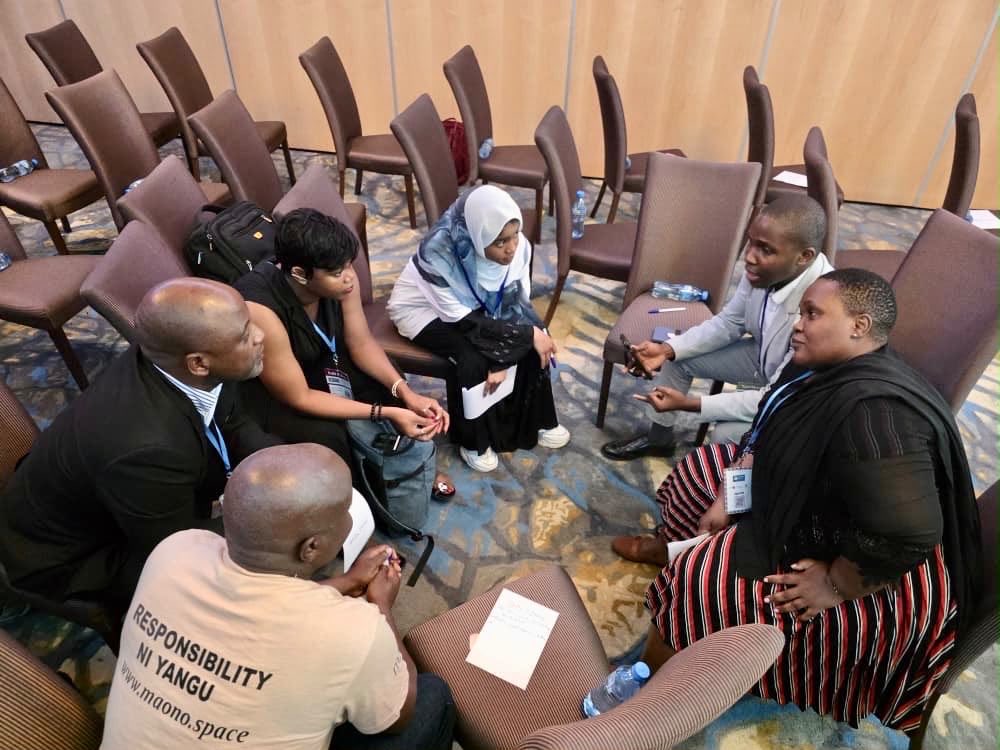
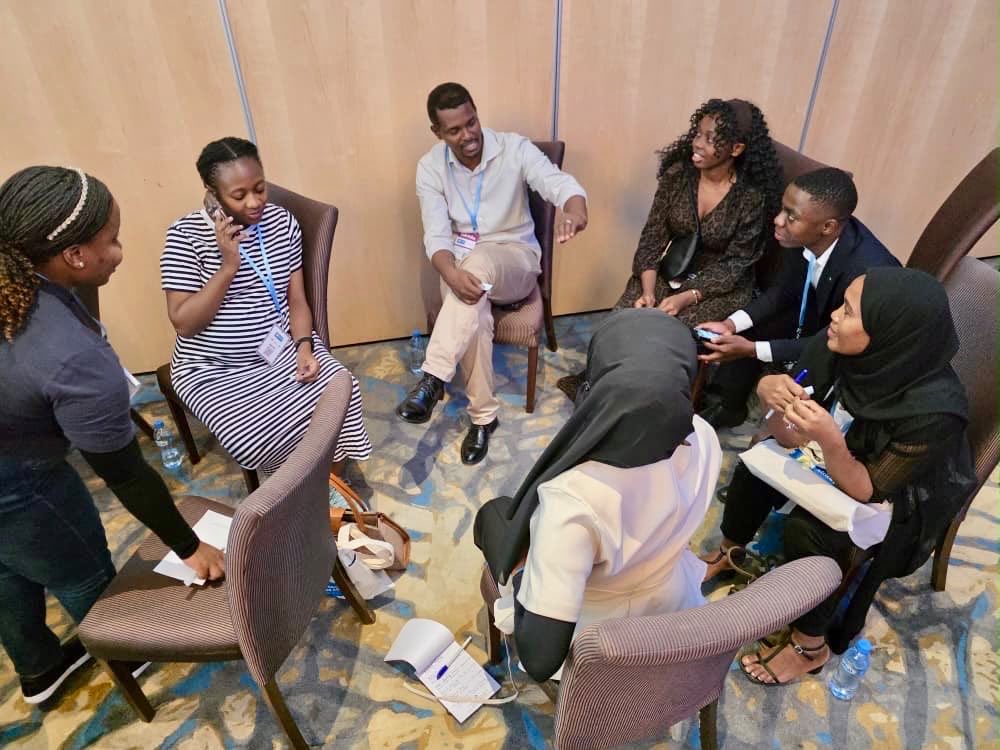
This week, the Climate-Smart Dairy Transformation Programme (C-SDTP), through the Ministry of Livestock and Fisheries, in collaboration with the Irish League of Credit Unions Foundation (ILCUF) and FSDT, convened a multi-stakeholder workshop to launch ILCUF’s Women’s Finance and Economic Empowerment (WFEE) Programme.
The workshop brought together senior representatives from government and the private sector, including Stephen Michael-Ministry of Livestock and Fisheries Director of Production & Marketing, H.E. Nicola Brennan-Ambassador of Ireland, Seth Meng-IFAD Country Director, and stakeholders from across the financial sector and dairy value chain.
At the heart of the workshop was the presentation of findings from a SACCO sector diagnostic, which examined the barriers and opportunities for expanding women’s access to finance through SACCOs within Tanzania’s dairy value chain.
The findings provided a strong basis for discussion on practical approaches to strengthen women’s financial and economic participation. Five priorities emerged:
🔹 Affordable liquidity for SACCOs – Expanding access to affordable sources of capital so SACCOs can better respond to the financing needs of women.
🔹 Products that reflect women’s realities – Applying design thinking and women-centred approaches to develop financial products that respond to women’s needs, realities and cash flows within the dairy value chain.
🔹 Intentional gender inclusion – Strengthening gender strategies and policies within SACCOs to embed women’s inclusion across membership, leadership, governance and service delivery.
🔹 Better data for better decisions – Improving the collection and use of gender-disaggregated data, supported by affordable and practical systems that enable SACCOs to better understand and respond to women’s needs.
🔹 Capabilities beyond finance – Combining financial capability with entrepreneurship skills and good agricultural practices, while engaging spouses as allies in women’s economic empowerment.
The workshop marked an important step in moving from evidence to action for the ILCUF WFEE Programme. By bringing together SACCOs, financial-sector actors, government and dairy value chain stakeholders, the programme creates a platform to co-create practical solutions that can expand women’s access to appropriate finance and strengthen their economic participation in Tanzania’s dairy sector.
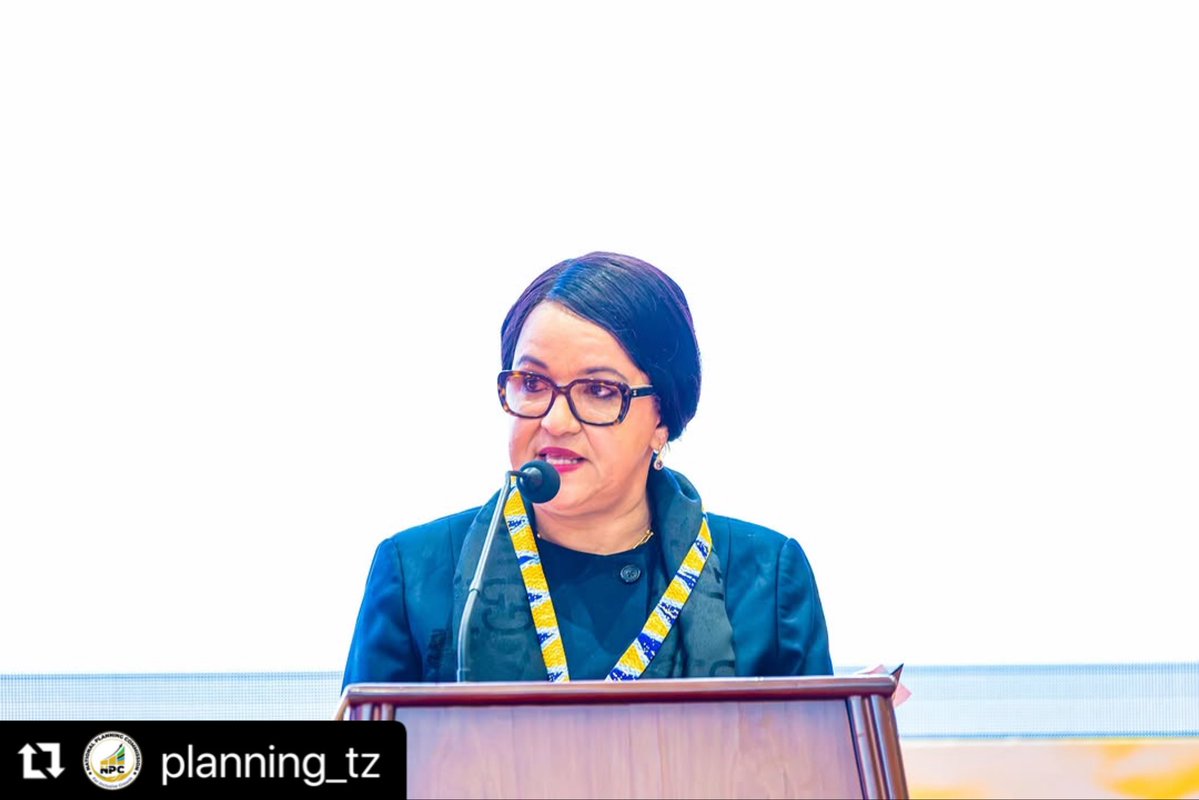
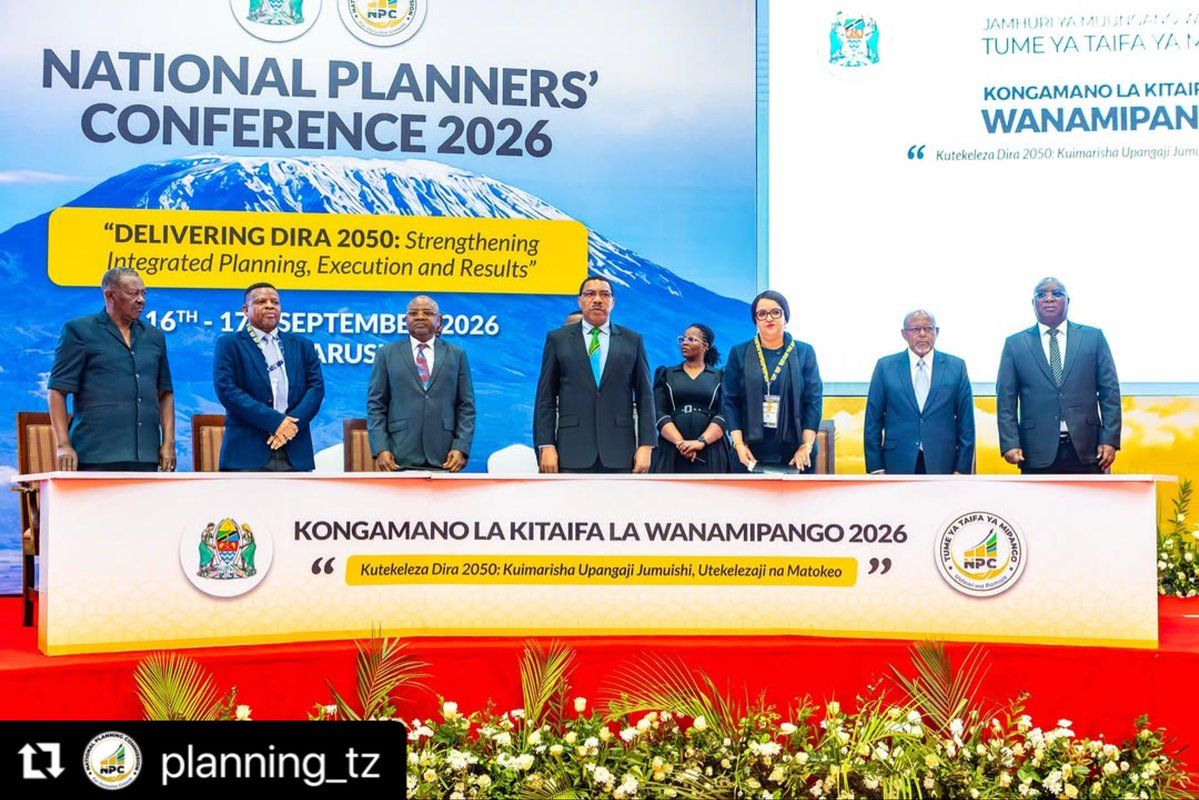
We were delighted to participate in this year’s National Planners’ Conference, hosted by the National Planning Commission, which provided an important platform for sharing and discussing practical approaches to delivering the ambitions of DIRA 2050.
The conference brought together stakeholders from the public and private sectors to explore the priority areas outlined in DIRA 2050, including the role of the domestic financial sector in financing its implementation and unlocking greater private sector investment. Discussions also provided valuable insights into the flagship projects and transformative sectors identified under the framework.
For FSDT, the discussions offered an opportunity to reflect on where support may be needed to advance inclusive finance and financial health for Tanzanians, while strengthening the financial sector’s ability to respond to emerging opportunities.
The conversations also reinforced the importance of FSDT’s market facilitation role in contributing to the realization of DIRA 2050, particularly by supporting the financial sector to mobilize and channel resources towards transformative sectors, while ensuring that financial services create more inclusive economic opportunities and contribute to improved financial health for Tanzanians.
We would like to extend our sincere gratitude to everyone who participated in the webinar and took the time to learn more about the Impact Grant Fund. Your engagement, questions, and enthusiasm demonstrate the growing commitment of the MSMEs sector to drive inclusive economic growth and create lasting impact.
If you are eligible and have not yet applied, there is still time to submit your application.
🗓️ Cycle 1 of receiving applications will be concluded on 22 September 2026 and the evaluation of submitted applications will begin. The application window, however, will remain open to receive applications for the 2nd Cycle.
To apply now, visit: https://t.co/WdcMyCoT4V
IGF is funded by the European Union under the Inclusive Finance for the Growth of Women and Youth MSMEs Programme.
#ImpactGrantFund #IGF #Women #Youth #MSMEs
In commemoration of International Identity Day 2026, we took sometime to reflect on the work we have done over the years to advocate for a universal digital national ID as an enabler of financial inclusion and economic empowerment for Tanzanians.
A trusted and accessible universal digital identity can help remove barriers to accessing formal financial services, particularly for underserved groups such as women and youth, especially those residing in the rural areas, who may face greater challenges in accessing and using financial services.
Over the years, we have shared research, insights, and perspectives on the role of the National ID in expanding adoption of financial services across Tanzania.
We invite you to read our articles published on this topic to learn more about the opportunities and challenges at the intersection of identity and financial inclusion.
Article 1: https://t.co/L8DdtcNAOU
Article 2: https://t.co/iDI4pqdDtz
#InternationalIdentityDay2026
#NationalID #DigitalIdentity
Meet the hosts and speakers of our webinar tomorrow, who will walk you through various aspects of the Impact Grant Fund and respond to any key questions and comments you may have about the Fund:
⭐️Safarani Seushi, Inclusive MSME Finance Manager-FSD Tanzania
⭐️Johanes Msuya, CFE, Project Coordinator-FSD Tanzania
⭐️ George Mwachang'a, Investment Analyst-FSD Tanzania
⭐️ Dennis Masaki, Senior Manager, International Development Advisory Services (IDAS), KPMG
If you are an enterprise support organization, association, business network, incubator, or ecosystem enabler working with women- and youth-owned or led MSMEs, join us for the webinar to learn how the Impact Grant Fund is designed to support inclusive MSME growth.
Applications for IGF Cycle 1 are ongoing. Don't miss this opportunity to learn more and get your questions answered.
📅 16 September 2026
🕒 3:00 PM – 4:20 PM EAT
📝 Register here: https://t.co/yXbxFdgF5B
IGF is funded by the European Union, under the Inclusive Finance for the Growth of Women and Youth MSMEs Programme.
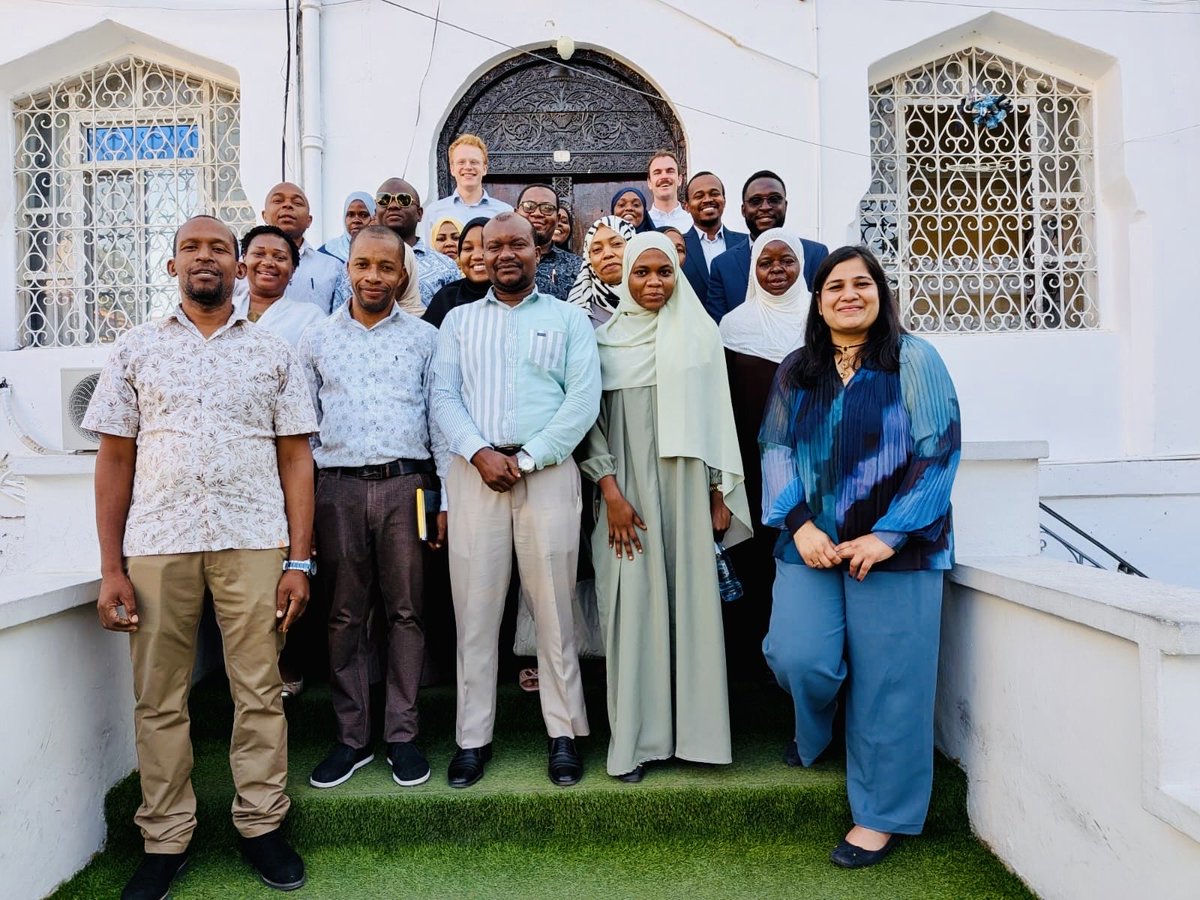
FSDT, in partnership with the Climate Policy Initiative (CPI), recently concluded a two-day capacity-building workshop and stakeholder engagement in Zanzibar as part of Tanzania’s first Climate Finance Landscape Study.
The workshop strengthened the capacity of the Ministry of Finance and Planning and the Climate Finance Unit on Climate Budget Tagging (CBT), while bringing together stakeholders from the tourism, health, and private sectors to explore emerging opportunities and challenges in climate finance.
As climate resilience becomes an increasingly important national development priority under Tanzania’s and Zanzibar’s Vision 2050, strengthening how climate finance is tracked, mobilised, and used effectively is critical.
This initiative marks an important step towards building stronger systems, capabilities, and collaboration to support more effective climate finance mobilisation and investment across Tanzania.
#climatefinance #climateadaptation #climatemitigation
Are you an Enterprise Support Organization, business network, incubator, association, or ecosystem enabler working with women- and youth-owned or led MSMEs?
Are you interested in learning more about the Impact Grant Fund (IGF) and how MSMEs can apply?
Join the Impact Grant Fund (IGF) Info Webinar on 16 September 2026 to learn more about the Fund, including:
✅ Goals and objectives
✅ Eligibility requirements
✅ The application process
✅ Selection criteria
✅ Tips for MSMEs to prepare a strong application
📅 16 September 2026
🕒 3:00 PM - 4:20 PM EAT
📝 Register here: https://t.co/yXbxFdg7g3
IGF is funded by the European Union under the Inclusive Finance for the Growth of Women and Youth MSMEs Programme.
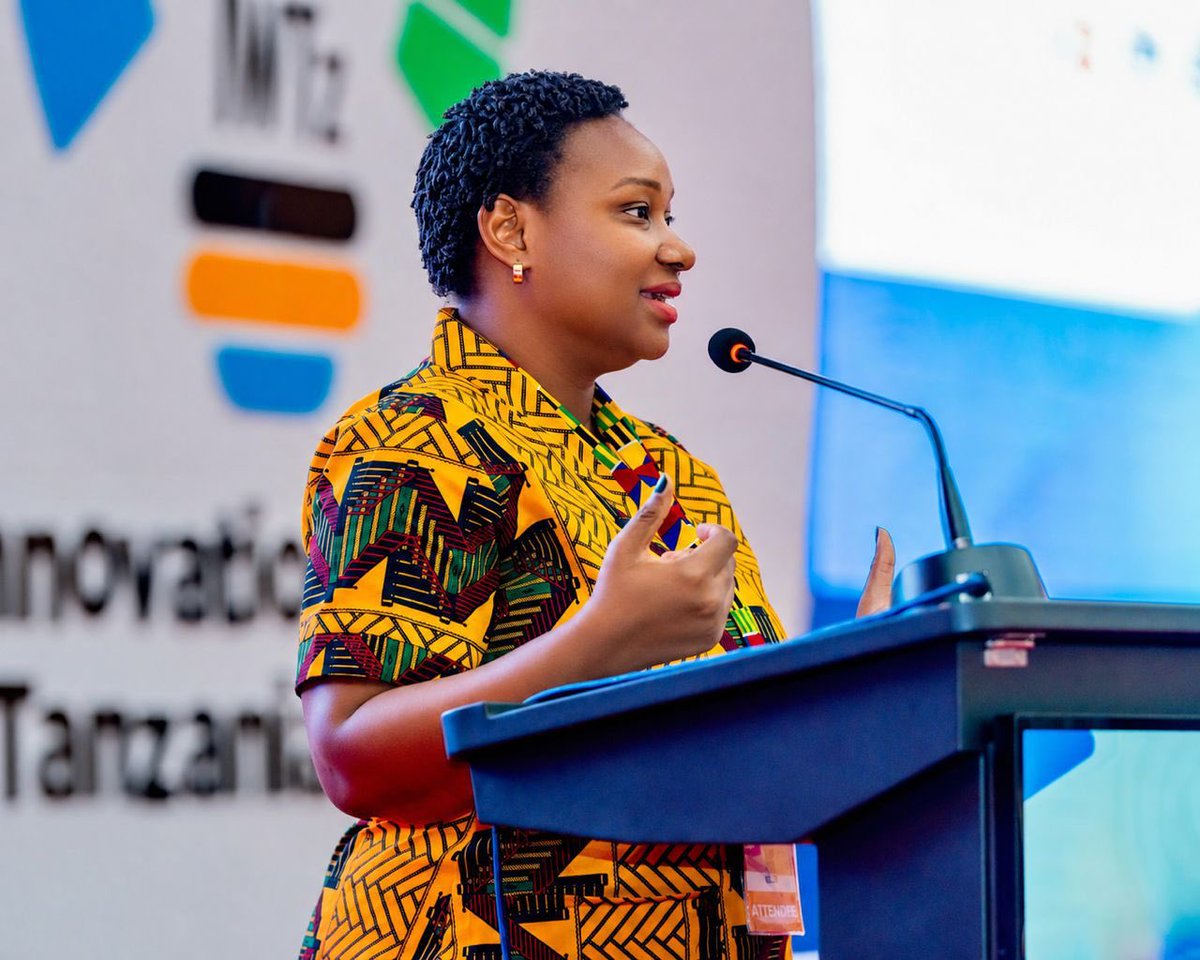
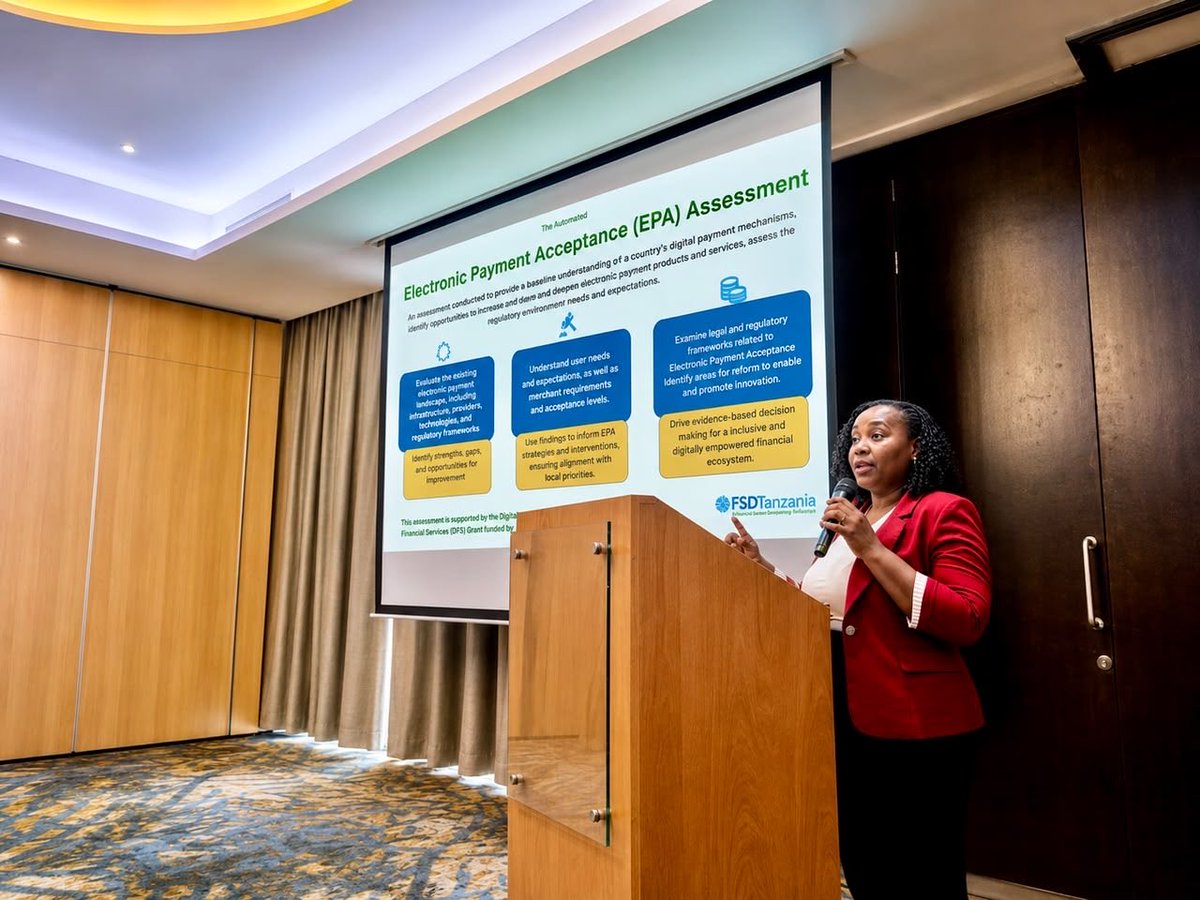
At Innovation Week Tanzania 2026, we had the pleasure of hosting a session on the Digital Merchant Payments (DMP) ecosystem in Tanzania. During the session, we shared key insights from our recent DMP studies to provide a clearer picture of the market. We were then joined by industry experts from mobile money, banking, and fintech, namely Vodacom Tanzania (M-Pesa), NBC Bank, and Black Swan, for a thought-provoking discussion on what it will take to unlock greater adoption and digitisation of merchant payments in Tanzania.
A key consensus from the discussion was that there is still significant work to be done to strengthen the economics of digital merchant payments and make them commercially viable for financial service providers, merchants, and consumers alike.
For DMP to achieve scale and sustained adoption, we need to focus on four critical areas:
📌Stronger value propositions for merchants
Merchants need clear and tangible benefits that go beyond simply accepting digital payments. Solutions must address real business needs and give merchants compelling reasons to adopt and use digital payments consistently.
📌Greater affordability for consumers
Pricing matters. Digital payments need to be affordable and structured in ways that incentivise consumers to shift from cash to digital payment methods.
📌Proportionate, tiered KYC
Appropriate tiered KYC approaches can help simplify merchant onboarding, bring more businesses into the formal digital payments ecosystem, and expand access while maintaining the necessary safeguards.
📌A more connected payment ecosystem
Merchant payments should not be viewed in isolation. We need to think of the payment ecosystem as a broader value chain—where merchants can not only receive payments from customers, but also make digital payments to suppliers, manage business expenses, and access other relevant financial services.
Ultimately, the opportunity for Financial Service Providers (FSPs) is to move beyond payments as a standalone product and develop need-based, value-added solutions for merchants and consumers.
When merchants and consumers see value beyond the transaction itself, they have a stronger reason to adopt, use, and stay; and when merchants stay, the entire digital payments ecosystem benefits.
The application window for the Impact Grant Fund (IGF) is open! 🚀
All women and youth MSMEs that meet the selection criteria are welcome to apply for a chance to secure:
💎 Non-reimbursable grants of up to TZS 30 million
💎 Business development support
💎 Credit-readiness coaching
💎 Pathways to access additional financing opportunities
Applications can be submitted online in either English or Kiswahili, via: https://t.co/tgl8puvYOg
IGF is funded by the European Union under the Inclusive Finance for the Growth of Women and Youth MSMEs program.
#IGF #Women #Youth #Entrepreneurs #F4G
🥳Applications for the Impact Grant Fund (IGF) are now officially open to MSMEs with viable and scalable business models with strong growth potential.
➡��Apply and learn more here : https://t.co/dlPlWWR1os
IGF is proudly funded by the European Union 🇪🇺🇹🇿.
Welcome to the Impact Grant Fund (IGF) booth at Innovation Week Tanzania 2026! 🚀
Following the official launch, the IGF team will be available the entire Innovation Week at the Julius Nyerere International Convention Centre to provide more information about IGF, answer questions and engage with entrepreneurs and various stakeholders who seek to empower women and youth MSMEs.
The IGF application window is now open!📣
MSMEs that meet the selection criteria can apply now via: https://t.co/PwEIanZKq1
We look forward to engaging and guiding you on the online application process at the IGF booth.
All are welcome! 📢
IGF is funded by the European Union, under the Inclusive Finance for the Growth of Women and Youth MSMEs programme
#ImpactGrantFund #IGF #Women #Youth #MSMEs #F4G
FSDT and @EUinTZ are delighted and honored to launch the Impact Grant Fund (IGF) in the presence of the Minister of State, President’s Office-Youth Development, Hon. Joel A. Nanauka, and the Permanent Secretary, President’s Office- Planning & Executive Secretary – National Planning Commission, Dr. Tausi Kida, during the Vijana na Dira 2050 session at Innovation Week Tanzania 2026.
Applications for the Impact Grant Fund are now officially open to MSMEs with viable, scalable business models and strong growth potential.
MSMEs that meet the criteria can receive: Non-reimbursable grants of up to TZS 30 million, business development support, credit-readiness coaching, and pathways to follow-on financing opportunities.
MSMEs can submit applications online via the application portal (available in both English and Swahili): https://t.co/WdcMyCoT4V
Calling all enterprise support organizations, business networks, incubators, associations, and ecosystem enablers working with women- and youth-owned or led MSMEs to spread the word.
IGF is funded by the European Union, under the Inclusive Finance for the Growth of Women and Youth MSMEs Programme.
#ImpactGrantFund #IGF #Women #Youth #MSMEs #Funding
Thank you to all the amazing data enthusiasts who joined our session on Electronic Payments for Economic Transformation at Data Tamasha 2026.
We had an energetic and thought-provoking discussion around a provocative question:
“Cash = No Transformation: Can Tanzania’s economy truly transform while merchants still run on cash?”
We explored why moving towards a cash-lite society matters, not simply for convenience, but for enabling scalable, inclusive, and sustainable economic growth.
Many thanks to @dLabTz for organizing the Data Tamasha 2026, an important platform for meaningful dialogue on how we can unlock the power of data for evidence-based decision-making in developing inclusive and sustainable solutions for underserved Tanzanians.
The conversations were rich, the perspectives diverse, and the opportunity to rethink how data and digital payments can shape Tanzania’s economic future was truly inspiring.
#DataTamasha2026 #DataForDevelopment #EvidenceBasedDecisionMaking
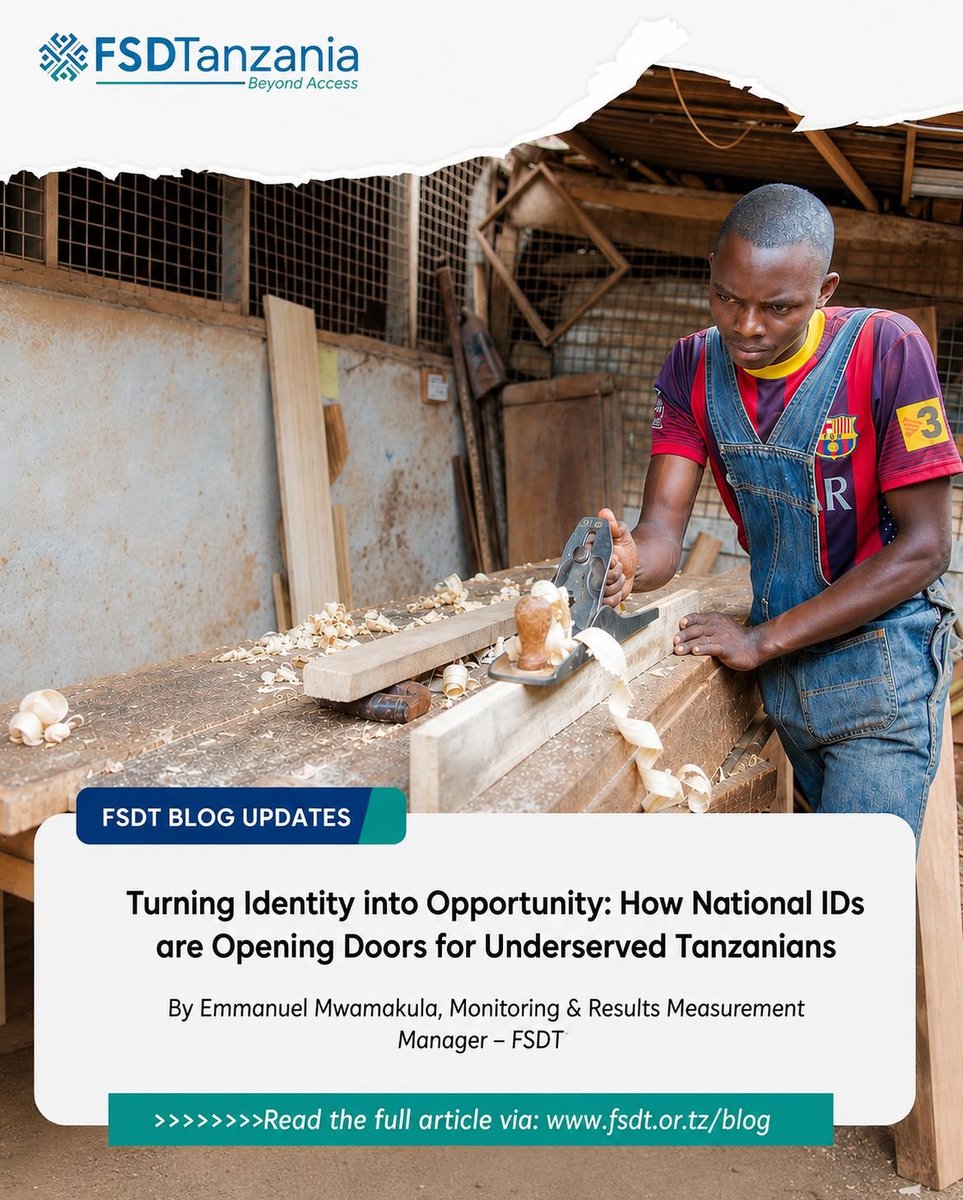
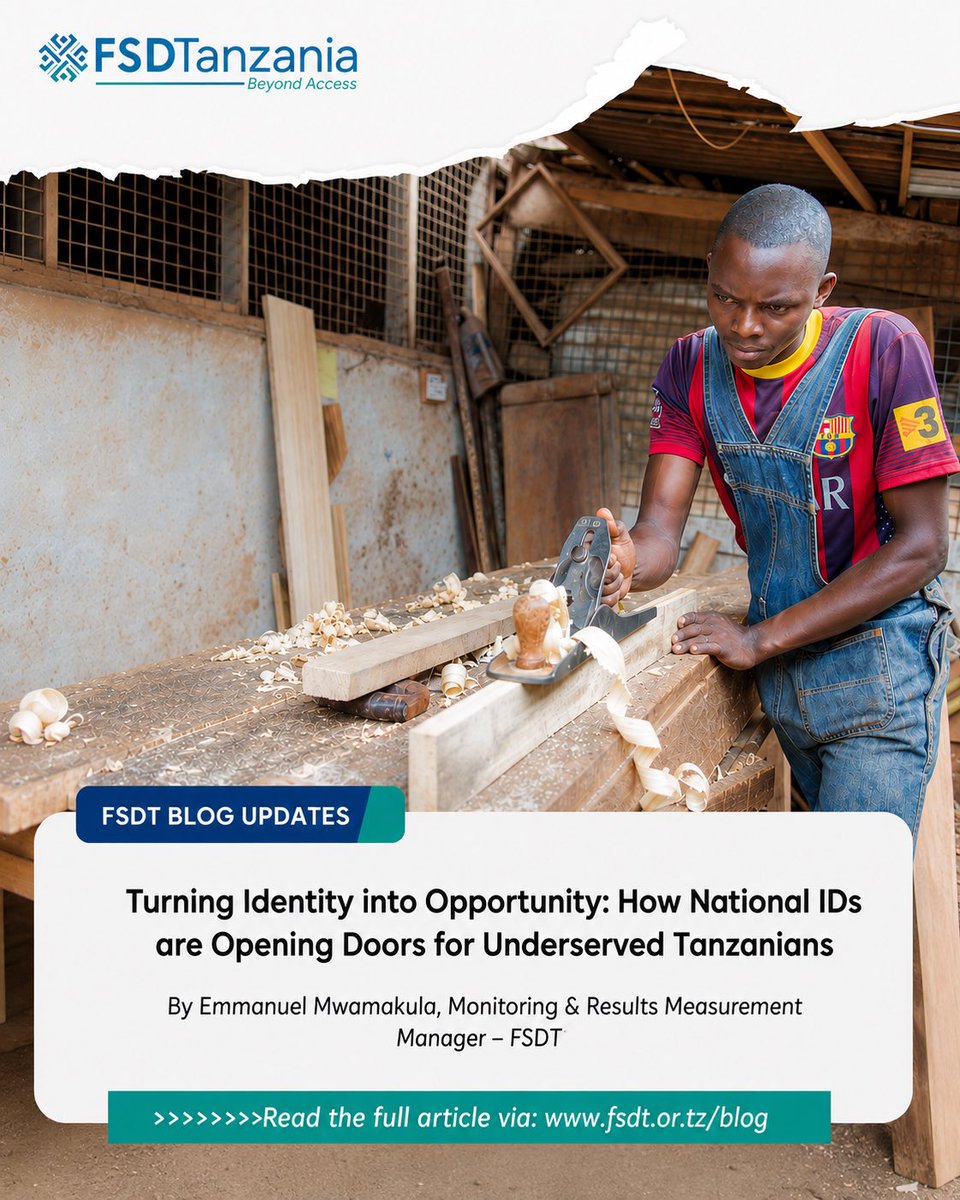
Bridging Tanzania's identification gap is unlocking real opportunities for underserved Tanzanians. From empowering rural women to take full control of their finances, to helping young urban entrepreneurs expand through digital merchant payments, the National Identification Number (NIN) is increasingly becoming a key enabler for improving financial health and economic growth.
Featuring compelling testimonies from MSMEs in Morogoro and Dar es Salaam, this article explores how community-based registration drives are removing long-standing barriers, enabling local ward leaders to unlock critical government revolving loans for youth and women, and providing a clear roadmap for turning formal identity into lasting financial health.
To read the article and share your thoughts, visit: https://t.co/KfVK2mpHdk