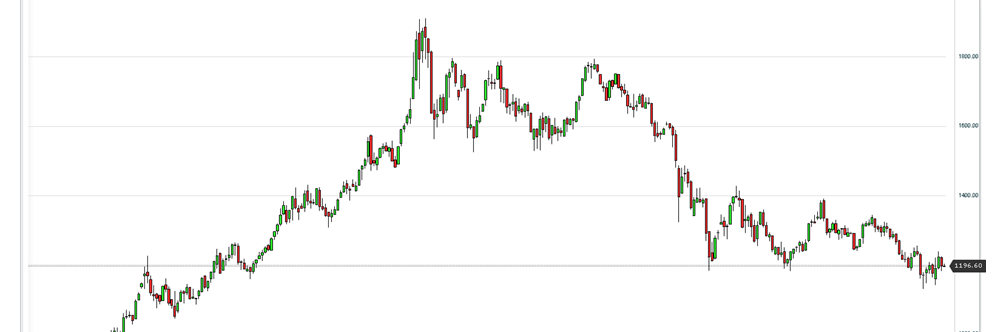
Productivity matters most in the long run, but credit matters most in the short run. This is because productivity growth doesn't fluctuate much, but debt does—allowing us to consume more than we produce when we acquire it, and forcing us to consume less when we have to pay it back.
Almost every technology boom creates a bubble, then a bust, whether it’s railroads, the Industrial Revolution, or the late 1920s.
Think about the late '20s: electricity, refrigeration, telephones, radios, airplanes, and cars were all emerging at once. Naturally, people wanted to invest in these miracles.
The danger is that people fail to distinguish the miracle from the investment. A technology can be truly transformative, but if the stocks are priced too high or bought on debt, you get a crash. That is the mechanics behind how bubbles form and burst.
New technology will be great, there is no doubt about that, but we always have to ask: great for whom, does it pay, and are we paying too much for the miracle?
It was great discussing this and other topics with Masterclass CEO David Rogier and future members of the @MasterClass Executive program. You can learn more about the program here: https://t.co/9wMKPLsuTY
#Investing #Economy #EconomicCycles #Markets