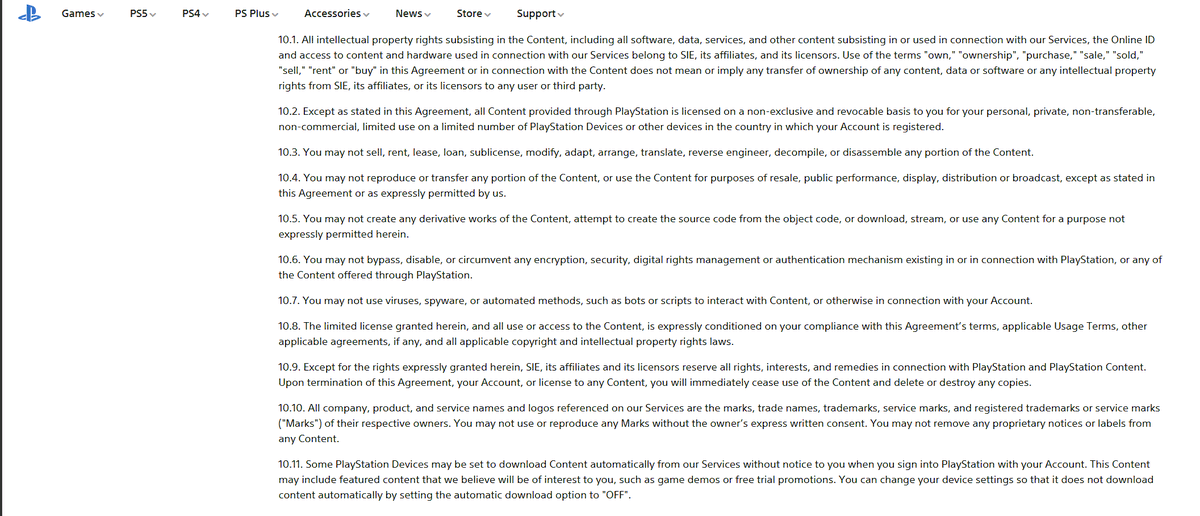
According to Sony and many publishers, you don’t own your disc, you never did. Their terms can still restrict access or revoke licenses.
That’s why we fight for consumer law: physical media was one of the last limits on this control.
You will own nothing and be happy.
The disc disappeared.
The case disappeared.
The shipping disappeared.
The manual disappeared.
The map poster disappeared
Yet somehow the price went up.
Gamers are crack addicts that will justify anything to feed an addiction.
🚨 Kylian Mbappé: "My thoughts on hydration breaks? Don't ask us players for our opinion, we're very reactionary.
If tomorrow we're dominating at the 25th minute, and there's a hydration break, we'll be angry, because it breaks our rhythm, but if the weather is hot, or we're being dominated, I'll be happy."
1.3 MILLION PEOPLE ASKED THE EU TO STOP COMPANIES FROM DELETING GAMES THEY PAID FOR.
THE ANSWER WAS NO.
The "Stop Killing Games" initiative wanted one thing: when publishers pull the plug, don't let them remotely destroy copies people already bought.
The European Commission's official response:
- It will not require publishers to keep games playable - says forcing them would go too far
- Reason given: publishers' copyright and IP rights come first. Your purchase comes second.
- The solution: a voluntary code of conduct, developed together with the same industry that kills games
- Plus an awareness campaign reminding you of the consumer rights you supposedly already have
1.3 million signatures. Years of work. Multiple hearings.
And the part that says everything: according to the campaign, Ubisoft got a seat at a closed-door meeting with the Commission before the decision. The 1.3 million people who signed did not.
Publishers can still brick your purchase whenever they feel like it.
If buying still isn't owning, then at least now it's official.
The “Stop Killing Games” movement gained traction because gamers are tired of paying full price for games that companies can later shut down, lock away, or render unplayable.
Many feel companies sell games as if you own them, but in reality you are just renting access until they decide otherwise.
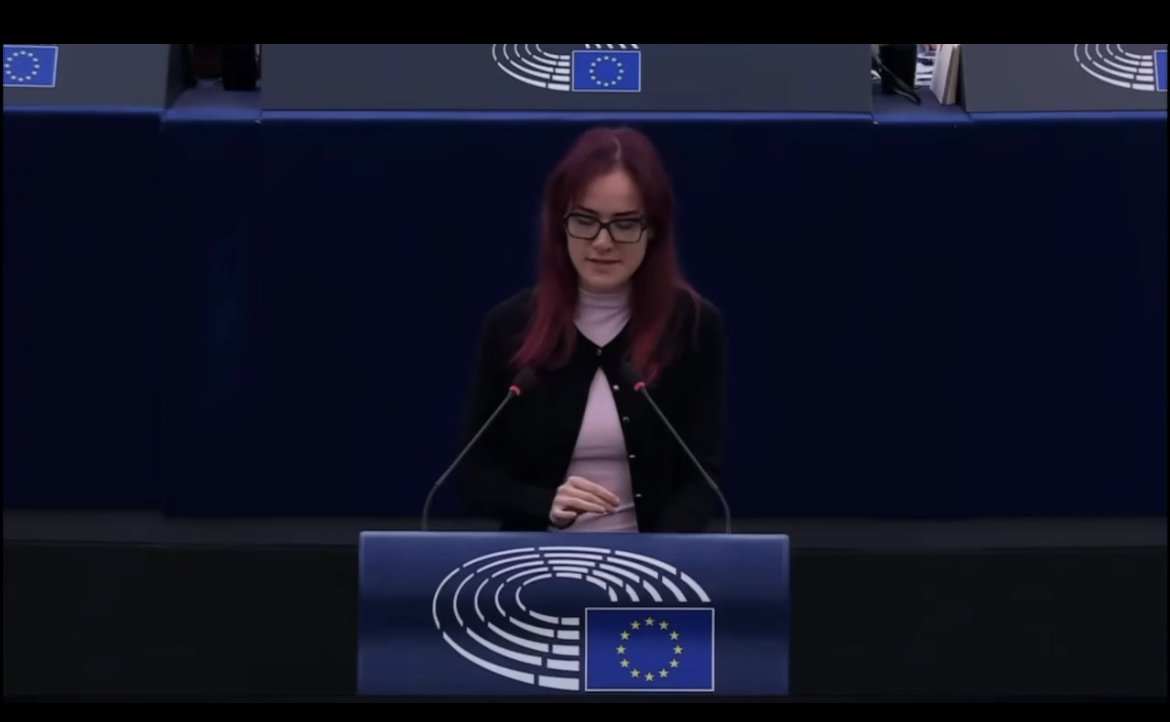
European politician Markéta Gregorová said at the parliament: “If buying isn’t owning, piracy isn’t stealing.”
She was not saying piracy is good. Her point was simple: if companies can take away games people already paid for, then calling it “buying” feels dishonest.
People are not asking companies to support games forever; they just want what they paid for to keep working instead of disappearing because a publisher flipped a switch.
IGN is just a joke at this point.
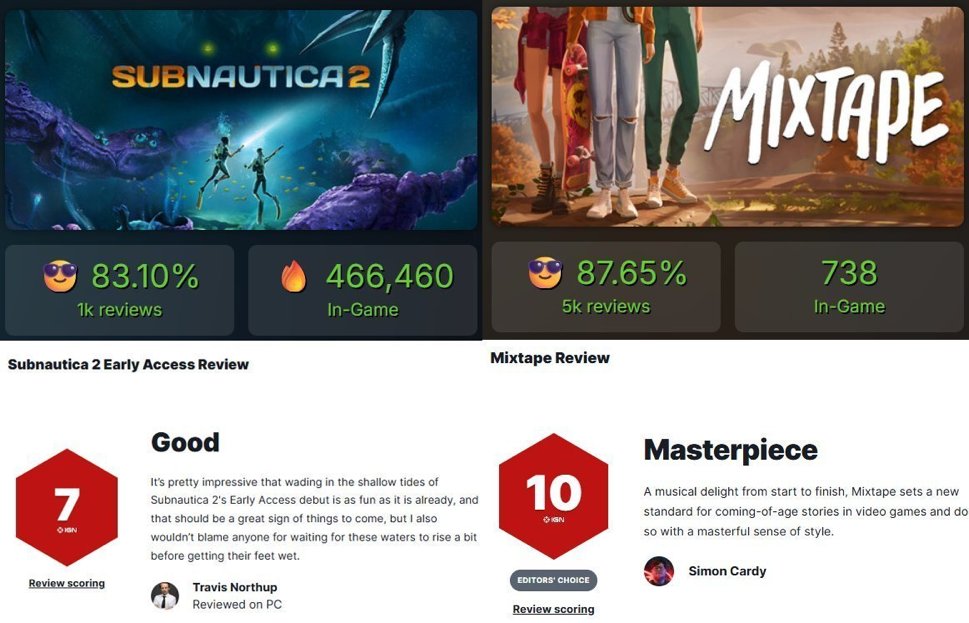
They gave the industry plant Mixtape a 10 but Subnautica 2, the most wishlisted game on Steam, a 7.
I think they're laughing and baiting us. There's no serious journalism nowadays.