A journal inspired by the belief that Western civilization is defined by intertwined threads of freedom and tradition, innovation and order, rights and duties.
Politics and culture continue to fracture, leaving less room for exchange of ideas—but it doesn't have to be this way. FUSION remains focused on the fusionist tradition of intellectual exchange and cross-ideological debate.
It’s in this spirit that the new FUSION was built.
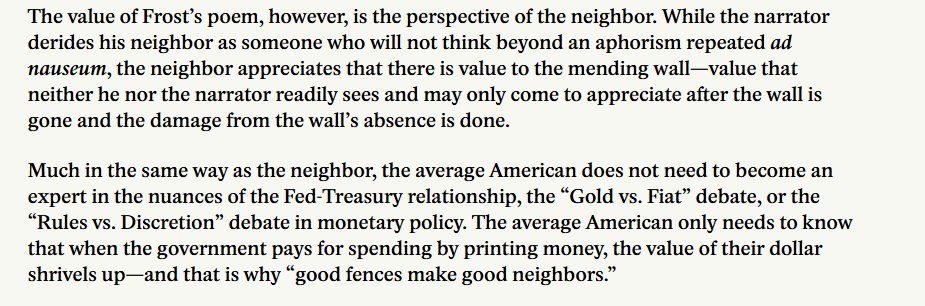
“If fiscal and monetary policy are to function properly, there must be a wall between the two as well as constraints on both sides to prevent the wall from breaking down.”
Read more from @thomas_savidge: https://t.co/x1ybb4ydxM
"If fiscal and monetary policy are to function properly, there must be a wall between the two as well as constraints on both sides to prevent the wall from breaking down," writes @aier's @thomas_savidge for @FUSIONaier. https://t.co/PWIhyDHO2Q
My latest for @FUSIONaier: When it comes to the Fed-Treasury relationship "Good Fences Make Good Neighbors" @aier@thedailyeconomy
https://t.co/ZAez6D5mXk
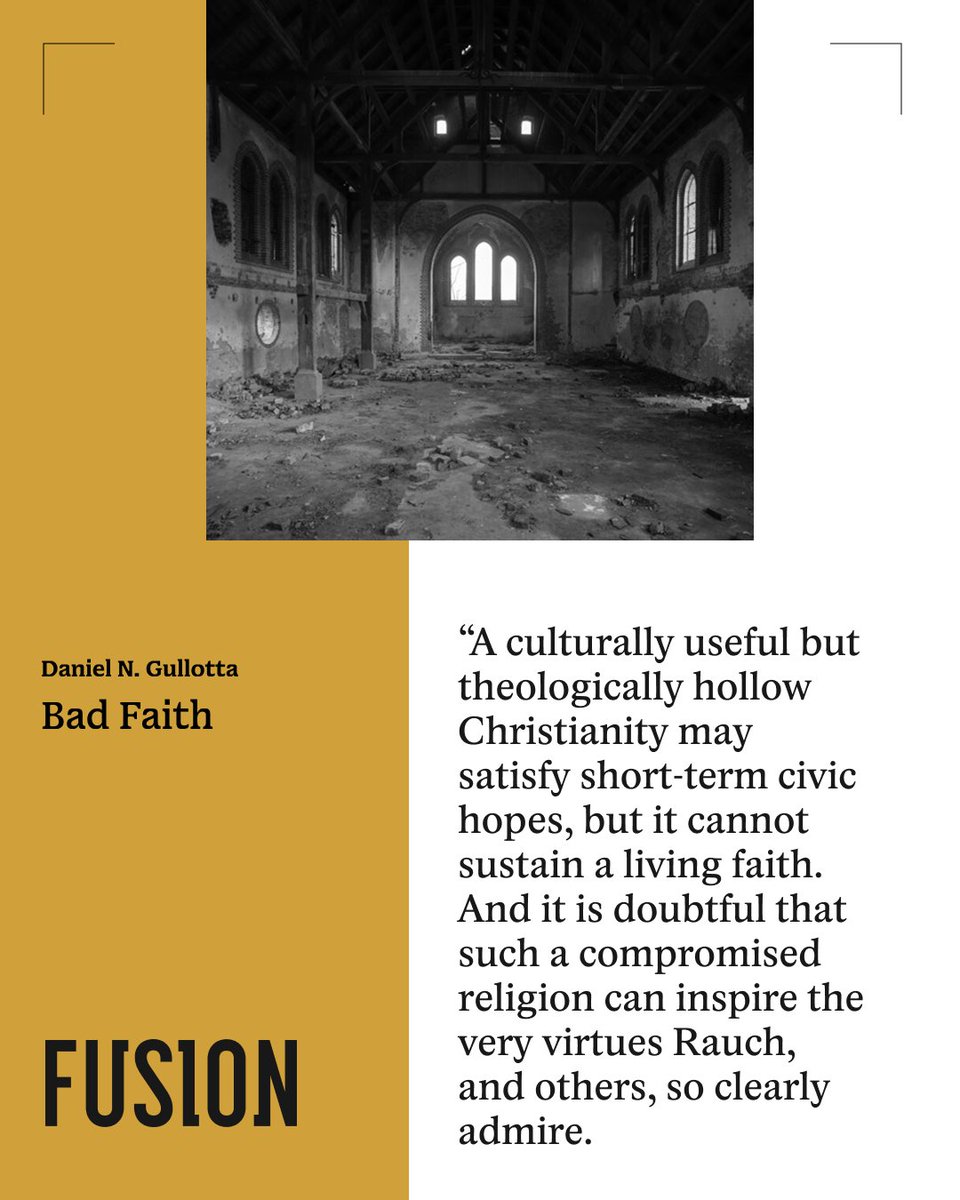
.@DanielGullotta exposes the tension between the faith’s social benefits and its spiritual foundations in his latest at Fusion: https://t.co/8KlYkyDNCD
California's housing crisis by the numbers reveals the devastating impact of regulatory barriers:
- 1.8 million housing units short, representing 12.2% of the state's total housing stock
- Second-highest housing shortage in the nation as of July 2025
- Average rent of $2,800/month, 33% above the national average
- Los Angeles rent hikes are double the national average
- Homeownership rate of 56%, 10% below the national average
- Only 145 of 800+ wildfire rebuild applications approved since the January 2025 LA fires
If California is serious about solving its housing crisis and reviving its economy, it must dismantle the maze of permits, local zoning laws, and environmental regulations that hinder growth. On the backs of this deregulatory enthusiasm, this is the moment to rethink the regulatory state. Only by doing so can California reclaim its status as the Golden State of opportunity.
Read @Econ_Goggles's latest at Fusion: https://t.co/tfyUkLxrrY
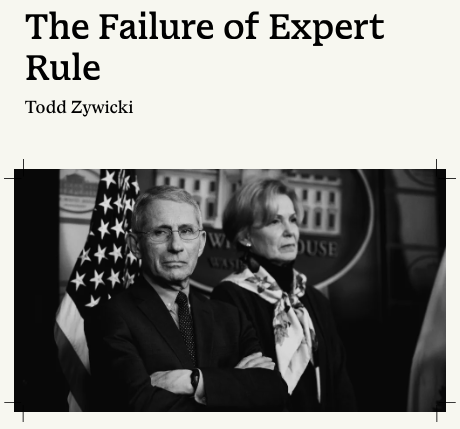
🧵1/6 Two new books expose how America's experts catastrophically failed during COVID, joining the ranks of elite disasters like 9/11 and the 2008 financial crisis. "In COVID's Wake" and "An Abundance of Caution" reveal how our supposed best and brightest got almost everything wrong.
6/6 The fundamental question is, can American democracy survive when its elite institutions have squandered centuries of accumulated trust? The COVID response revealed a corrupt class more interested in ideology and self-interest than truth. Populism may be the inevitable result.
Hungarian conservatives are preparing for a multipolar world and the possibility of losing power in 2026, as Fidesz trails the opposition Tisza Party. A defeat would put Hungary’s public universities under new management, though Mathias Corvinus Collegium will persist. Likewise, Trump’s higher education push will end, whether by political backlash or federal limits.
Will Collins explains why Viktor Orbán’s centralized grip on Hungary’s universities shows why his model can’t be copied in America in his latest at Fusion: https://t.co/EG9llCuBfm
AIER’s FUSION magazine has a cool new website. Check it out by reading my March essay about the need for the free market movement to focus on persuasion, not abstract principles.
https://t.co/19UpHFejcC
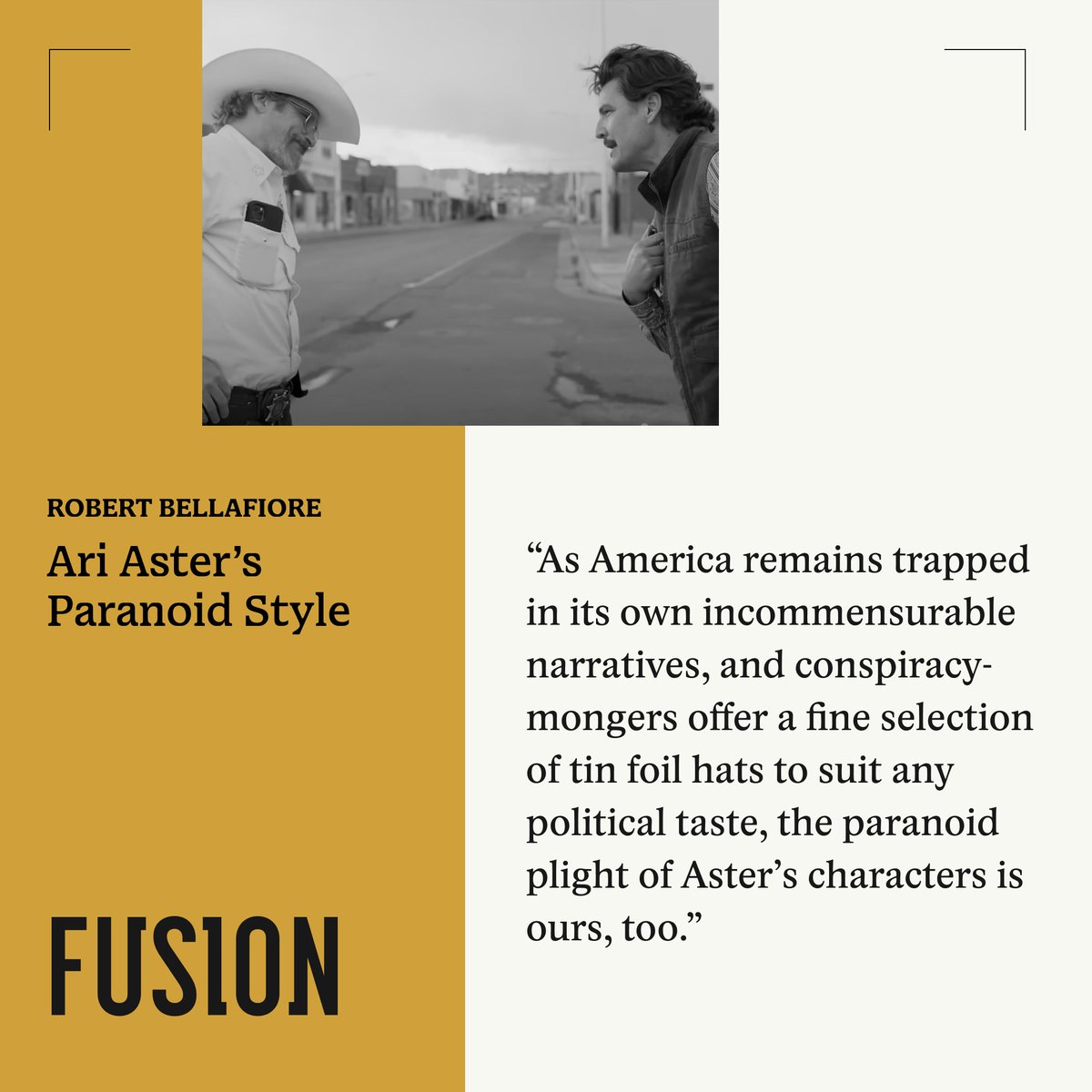
Eddington's unresolved mysteries and ambiguous ending hint at a disturbing notion: what if there is no master plan after all? What if we are perpetually stuck in the unfalsifiable theories we’ve constructed to achieve a vestige of understanding about the world? By disintegrating any hopes for a final explanation or source of meaning, this scenario represents the culmination of the paranoid style.
Robert Bellafiore reflects on Ari Aster's recent film in his latest: https://t.co/I4ygWYMdDx
“Common sense” is a central term in today's political lexicon, with President Trump even calling for a “revolution of common sense” at his inauguration—but, as Bruno V. Manno explains in his feature, it’s critical for common sense to be complemented by the virtue of prudence.
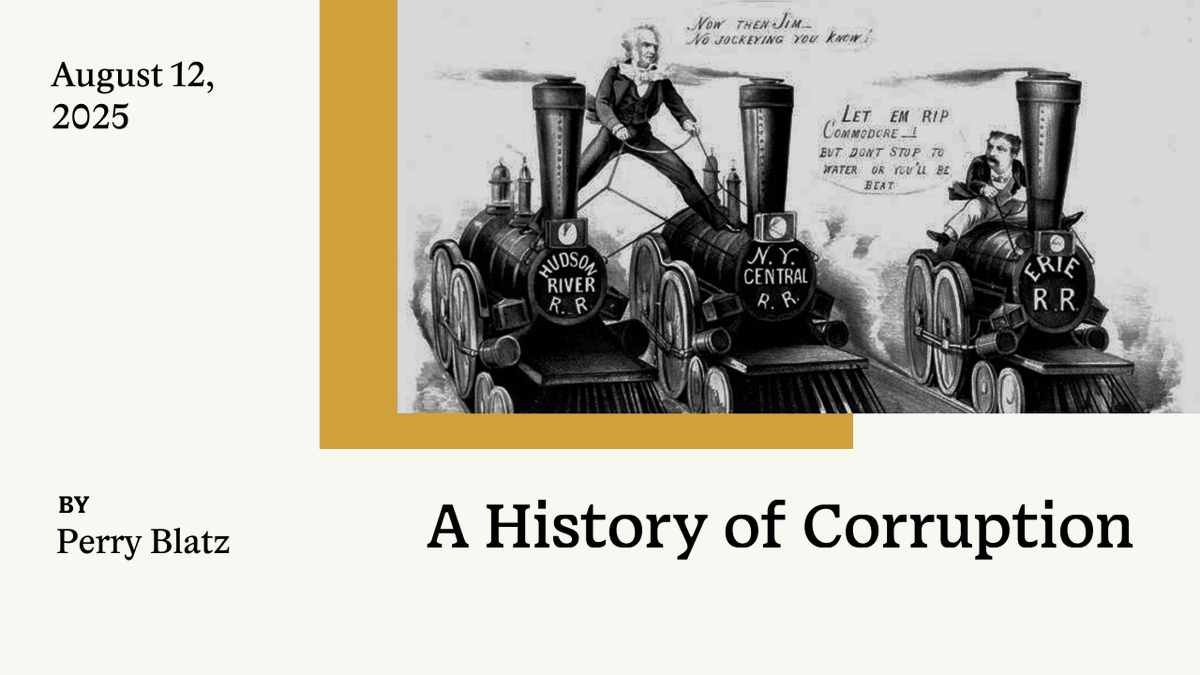
“Public-private partnership” has a modern ring, but it is as old as the concept of the public. And today, just like yesterday, these partnerships often create corruption.
Perry Blatz takes us through the history of corruption in commentary: https://t.co/pwz9xjQg3X
The lessons of the Soviet space program are as stark as its history: ambition without freedom is doomed to collapse, and the race, in the end, is never really won.
John Strausbaugh sat down for an interview with @jacob_bruggeman to discuss:
https://t.co/9LdwR1hOyj