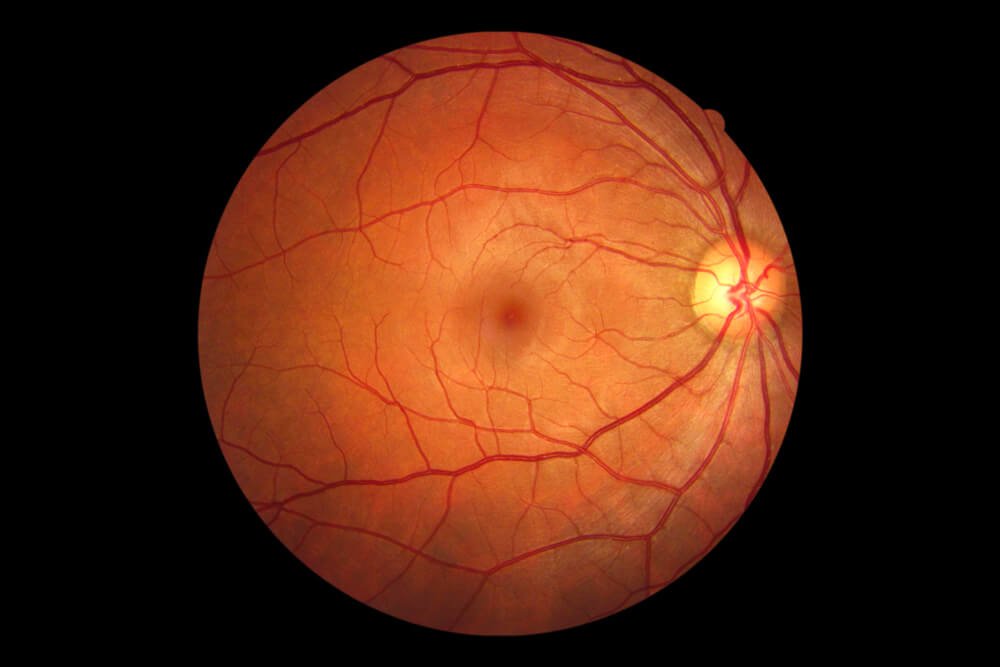
Each of your eyes has a small blind spot in the back of the retina where the optic nerve attaches. You don’t notice the hole in your vision because your eyes work together to fill in each other’s blind spot.
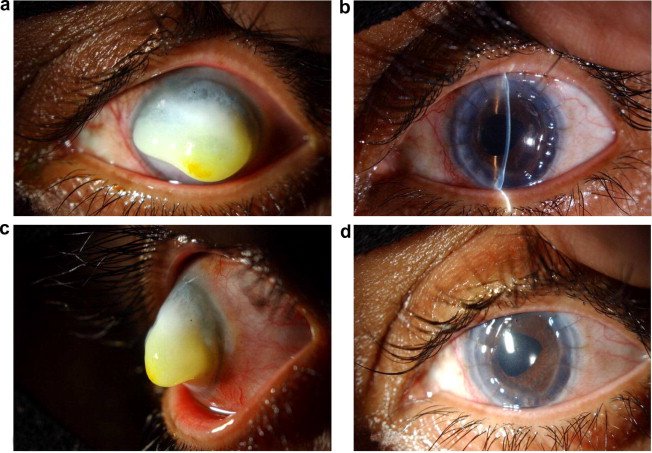
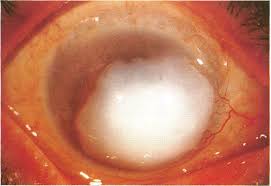
Treatment for such an anomaly involves surgical removal of the mass. This occurs in conjunction with preventing recurrences by inhibiting collagen synthesis and fibroblast proliferation.
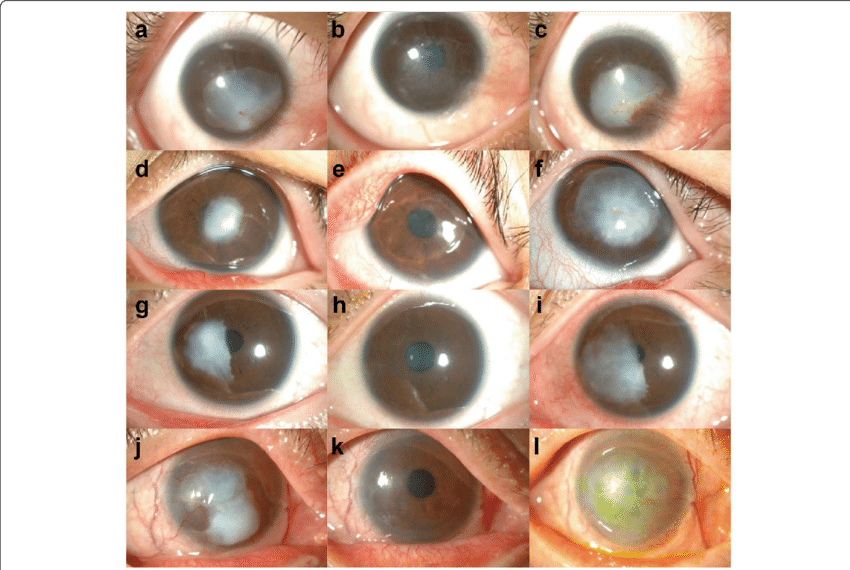
A "Corneal Keloid” is an extremely rare term; less than 100 cases have been documented since its first appearance in 1865! The term describes a epi-corneal lesion made up of fibrous tissue, collagen fibrils and glycoprotein.
These patients will obviously require frequent and regular visits to the eye clinic for close monitoring. https://t.co/271MFjEy0o
#DME#Diabetes#Retinopathy#Treatment
A study indicates patients with diabetic macular edema with good vision need not have treatment initiated at diagnosis. Treatment can be given only if their vision starts to show signs of decline. https://t.co/271MFjEy0o
#DME#Diabetes#Retinopathy#Treatment
“Despite clear benefit in almost all of anti-VEGF clinical trials for macular degeneration, real-world data sets show a disturbing decline in visual acuity gains over time.” ~ Dr. @royschwartz, Dr. Giuseppe Casalino and Dr. Usha Chakravarthy. https://t.co/yLccxuGycP
@JohnsHopkins inducts Dr. @JuliaHallerMD, Ophthalmologist-in-Chief and Chair at @Wills_Eye, and Professor and Chair of Ophthalmology at Sidney Kimmel Medical College at @JeffersonUniv, who is also a member of our Board of Directors, into JHU's Society of Scholars.
Seven of our scientific researchers are heading to Vancouver April 28th - May 2nd for the largest gathering of eye and vision researchers in the world! #ARVO2019