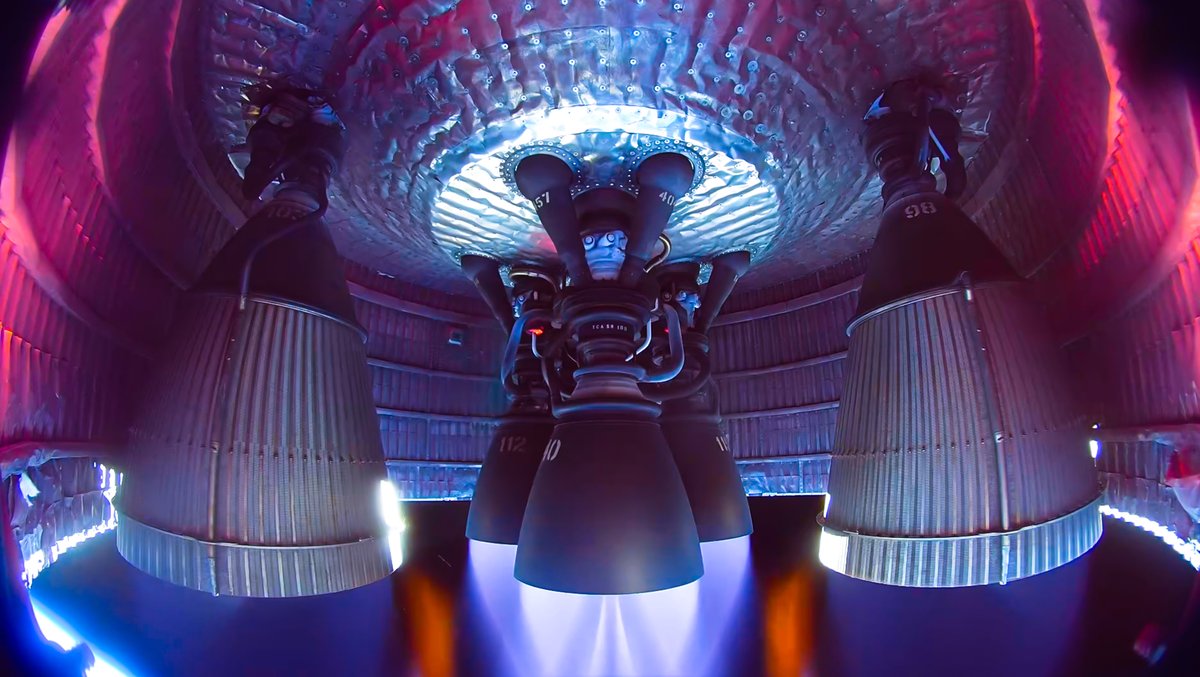
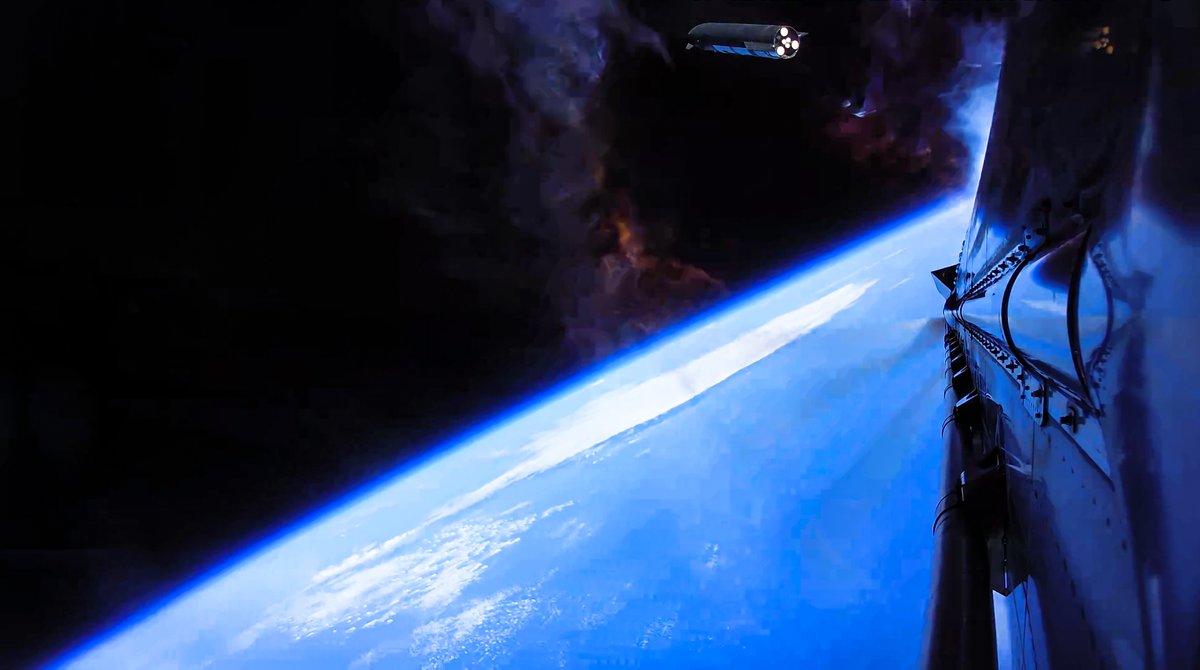
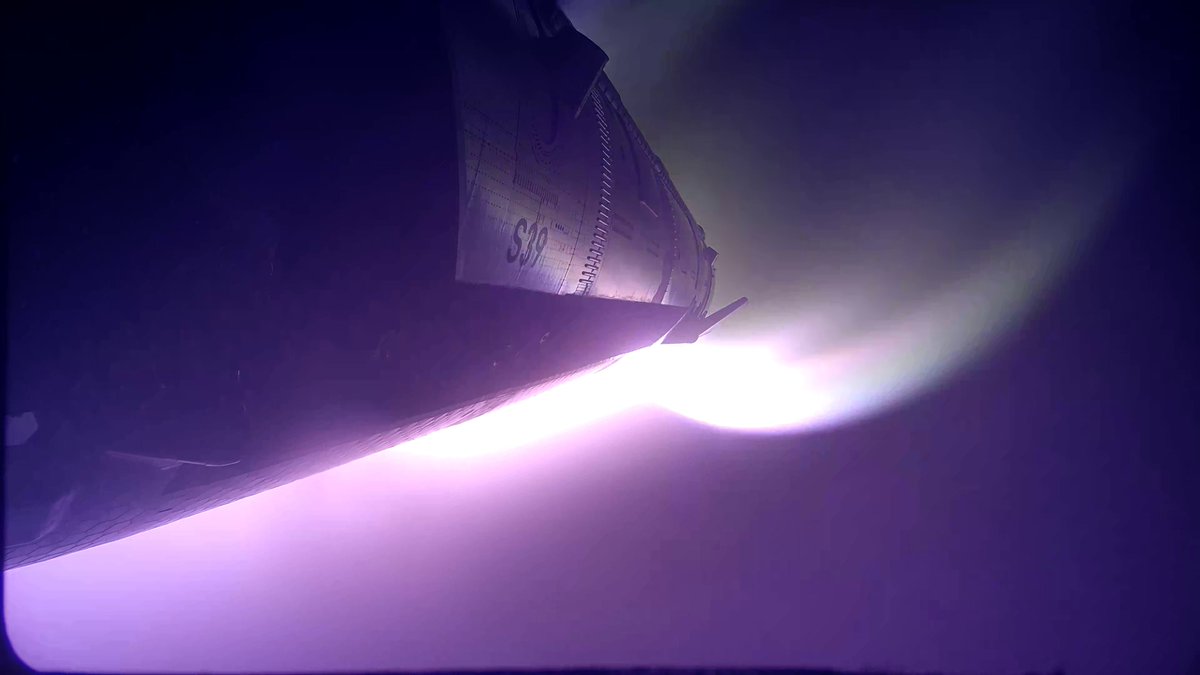
Onboard views from Starship and Super Heavy V3, which are equipped with upgraded cameras capable of streaming 4K video through every phase of flight via @Starlink
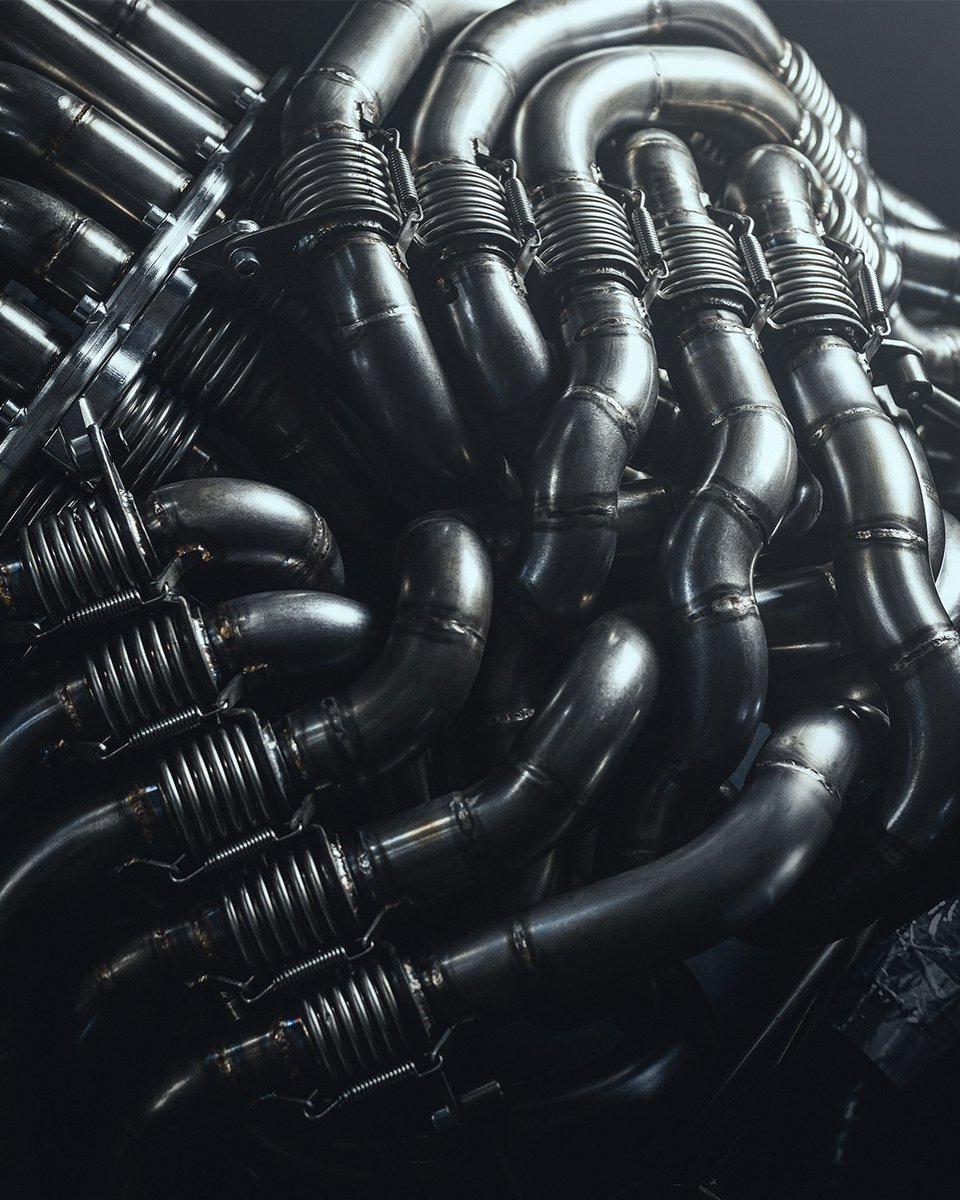
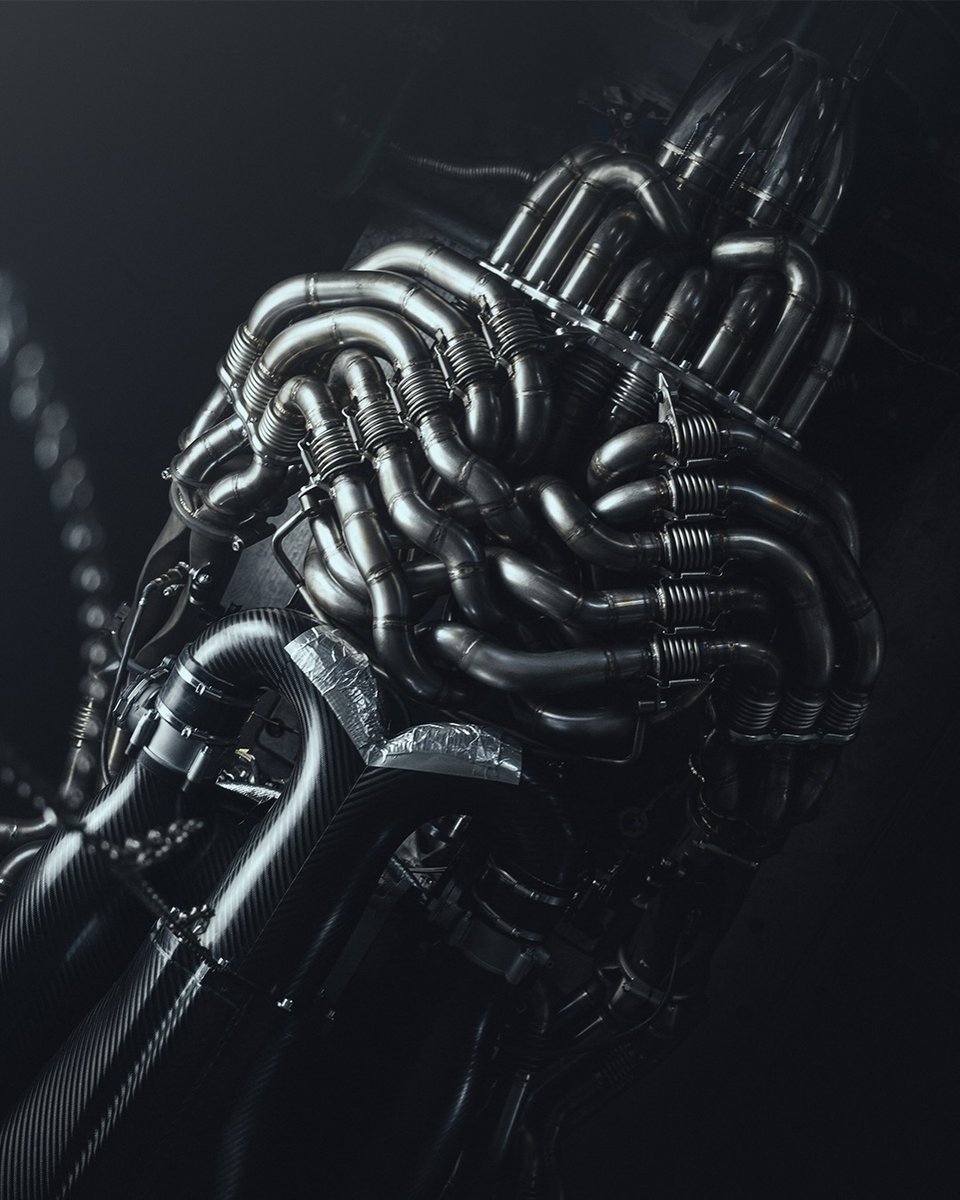
The BMW Motorrad #VisionK18 is here. An arrow-shaped silhouette, turbine-like six-cylinder power, and craftsmanship that makes performance visible before you even turn the key.
Full Force Forward:
▶️ https://t.co/IJi5lz93Ue
#MakeLifeARide#BMWMotorrad
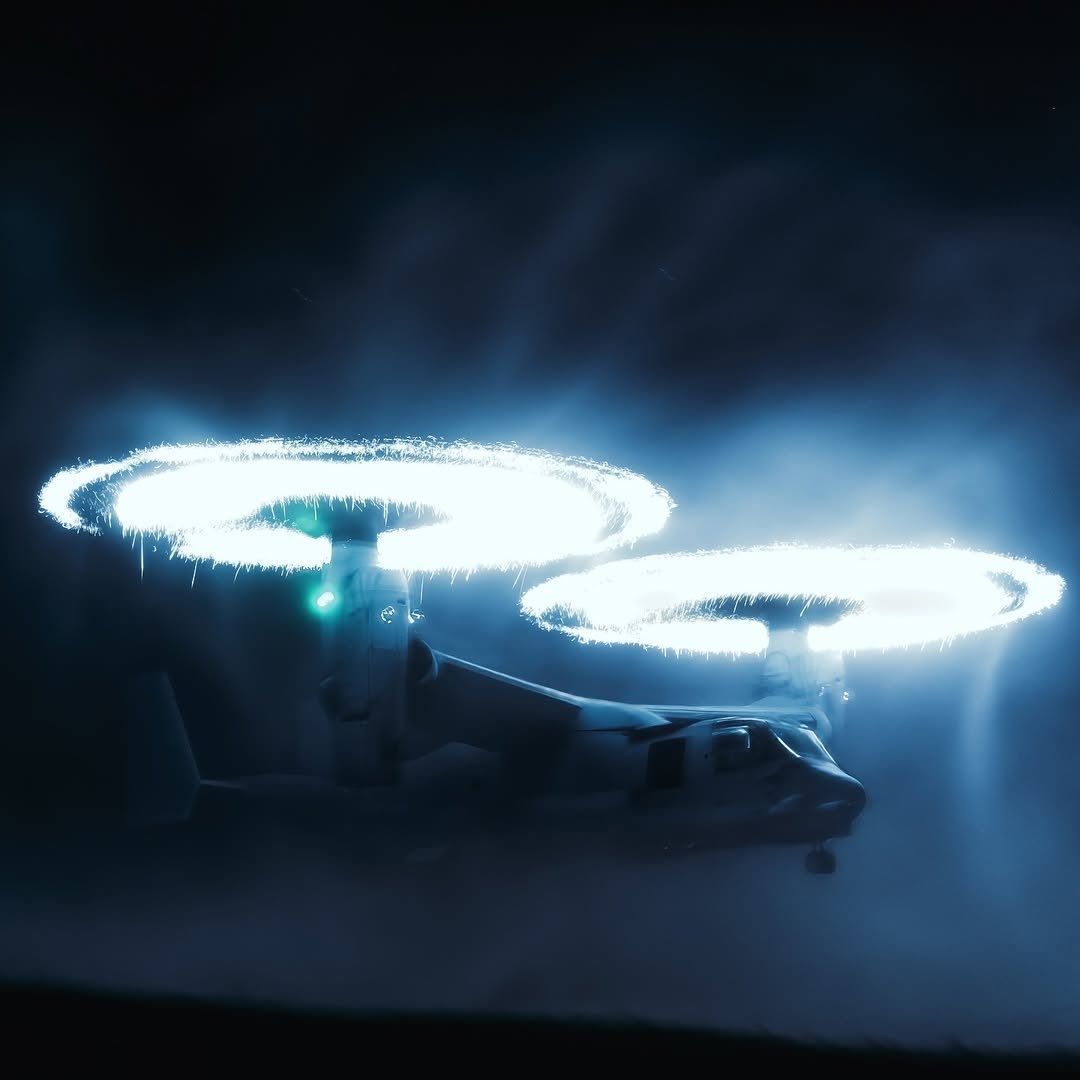
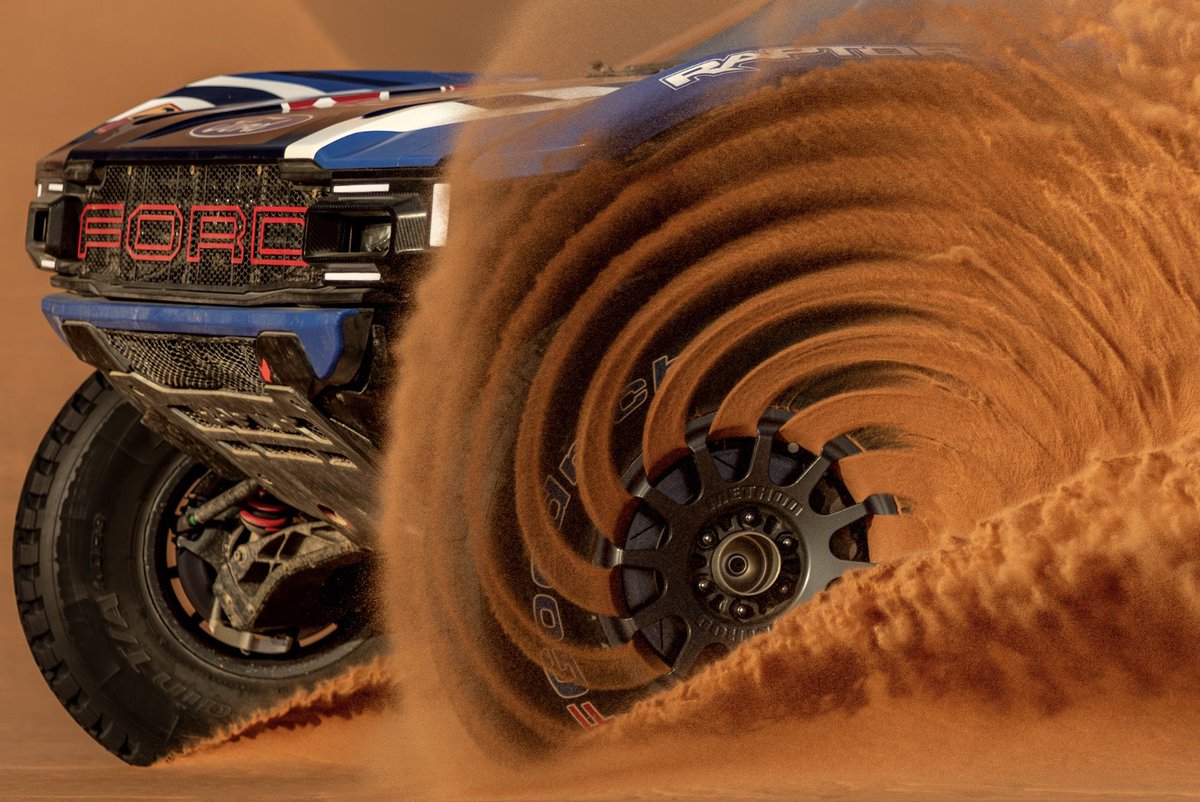
When helicopters land in desert zones, sand grains strike the fast-spinning metal blades, creating a ring of white-hot sparks around the rotor. Called the Kopp-Etchells effect, it's often seen during night operations.
📸: Camden Thrasher
Shockwaves can become visible on an airplane's wing during a turn under certain conditions.
Commercial jets cruise in the transonic regime (Mach 0.8–0.85), where airflow accelerates over the wing's curved upper surface, creating local supersonic regions despite the aircraft remaining subsonic. This forms a shockwave as air abruptly decelerates to subsonic speeds. The shockwave appears as a shimmering or wavy distortion due to sudden density changes that alter light refraction, similar to heat haze over a hot road.
In a turn, banking increases the angle of attack and wing load factor, further accelerating upper-surface airflow and making local supersonic regions—and thus shockwaves—more pronounced.
Passengers often report seeing these "dancing" shockwaves move, split, or intensify during maneuvers.
Visibility requires sufficient humidity for condensation or good lighting/contrast for density refraction. In dry air, the shockwave may exist but remain invisible.
Video and info via u/knowitokay
@gelson_maranhao@FriedHardt o que explica boa parte dos acidentes é passar pela cancela fechada com o trem quase chegando, mas não sou especialista pra ter certeza