Galicia, miña terra, meu ben.
Católica mi alma y mi corazón.
Españoliña del oeste, siempre.
Chesterton, Rochejaquelein y otros, mis mentores.
Cristo, mi Señor.
Lo de Madrid roza lo obsceno. Calles, barrios, negocios, todo el tejido social es foráneo. Me hace mucha gracia la gente que habla de sustitución étnica como amenaza futurible, como si no fuera un hecho constatado ya hace tiempo. Y no viene del "islamismo" precisamente.
@bidueirobranco Vivo en una de esas Castillas y se ve claramente lo abandonados que están (muchos se quedan con las viejas glorias que nunca más vendrán como el Toledo Imperial). Queda muy lejos eso de la Castilla importante y decisiva.
Desde la singular existencia del homo sapiens nos hemos ido reproduciendo durante milenios hasta hoy, para que pudieras nacer tú y decidir que lo de los niños no va contigo, eso se lo dejamos a los miles de millones de años de especie humana. Ese es el nivel del homo millenial.
A nossa civilização é desumana.
-As crianças têm pouco tempo livre para brincarem.
-Os adultos têm de estar horas e horas no trabalho cada vez mais afastados dos filhos.
Tudo está feito para retirar o afeto e as conexões humanas.
Espero que esta merda caia toda
Lo que me desespera no es sólo que se defiendan ideas delirantes, sino que, además, se defiendan esas ideas delirantes precisamente en el momento en el que suponen un mayor delirio.
Alguien podría mantener que el hecho de haber nacido en un determinado lugar, con independencia de cualquier otro factor, ya lo convierte ipso facto en un nacional de ese territorio en un contexto en el que ese supuesto es algo absolutamente residual y anecdótico —porque, por ejemplo, en un país de 50 millones de personas sólo mil se encuentran en esa situación—. Esta idea me seguiría pareciendo muy floja desde un punto de vista conceptual, pero, en el peor de los casos, el error tendría un coste práctico muy bajo. ¿Qué es lo peor que puede pasar por otorgar a la ligera mil nacionalidades? Seguramente, nada.
Lo que me parece absolutamente demencial es que esto mismo se esté defendiendo a capa y espada en el mundo y en el momento en el que vivimos. Ya estás viendo con tus propios ojos cómo la aplicación sistemática de semejante ocurrencia está desintegrando, una a una, a todas las naciones occidentales que la han abrazado.
Y, sin embargo, hay quien, desde su torre de marfil, sigue con la misma cantinela. Porque su pureza ideológica —concepto absurdo donde los haya— está por encima de cualquier cosa.
En resumen: no sólo te equivocas, te equivocas en el peor momento posible para equivocarse, y, encima, con aires de superioridad moral.
“Begone, Satan!" were the final words of Father Jacques Hamel, the Catholic priest martyred by Islamic State terrorists while celebrating Mass in France exactly ten years ago today.
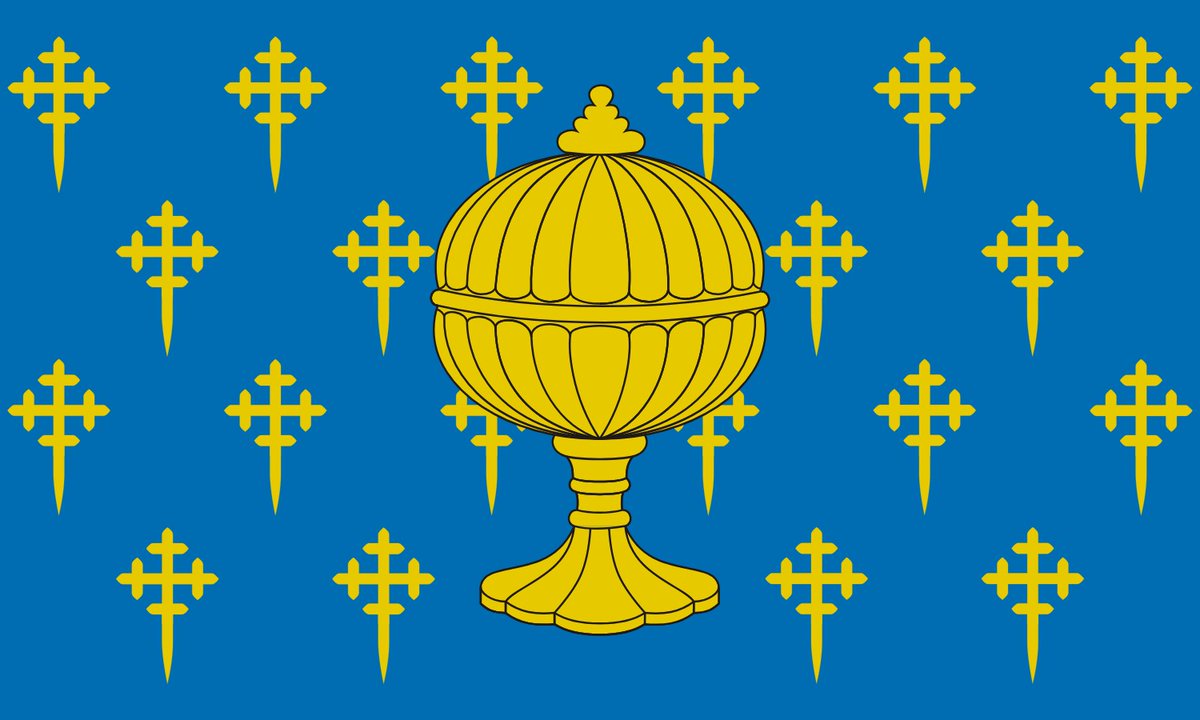
Feliz Día Nacional de Galicia! Un pobo con raices milenarias nunha terra fermosa. Por mil anos máis.
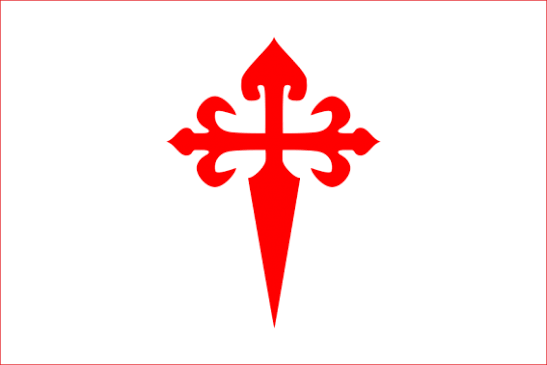
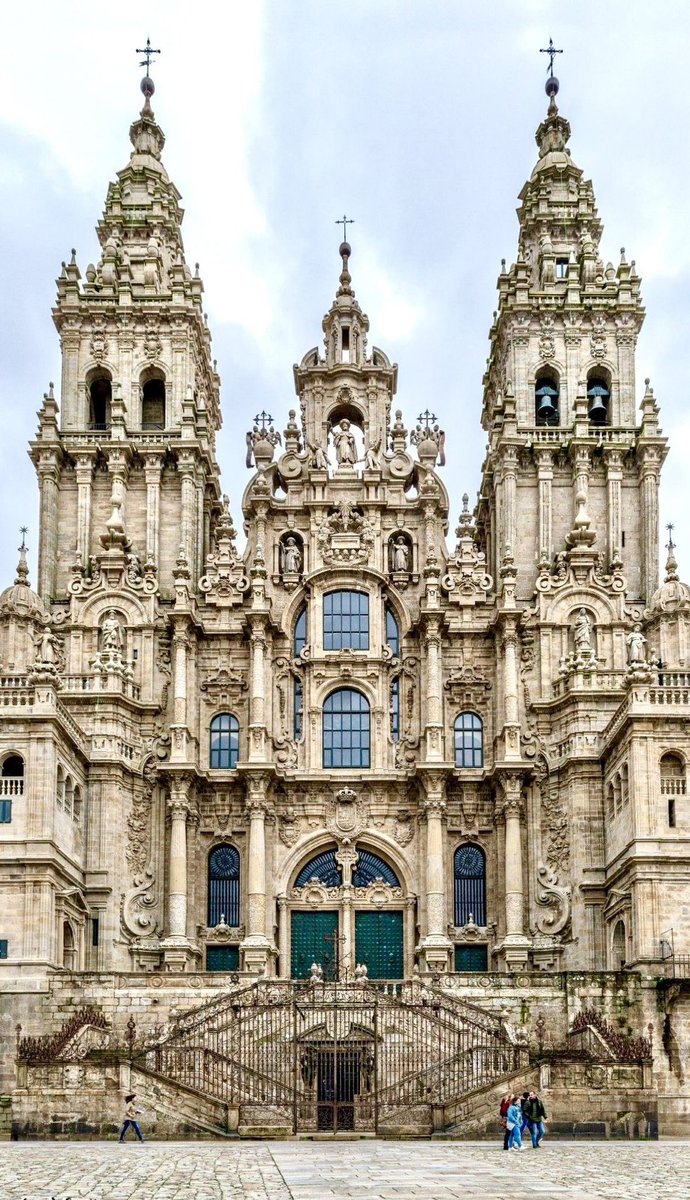
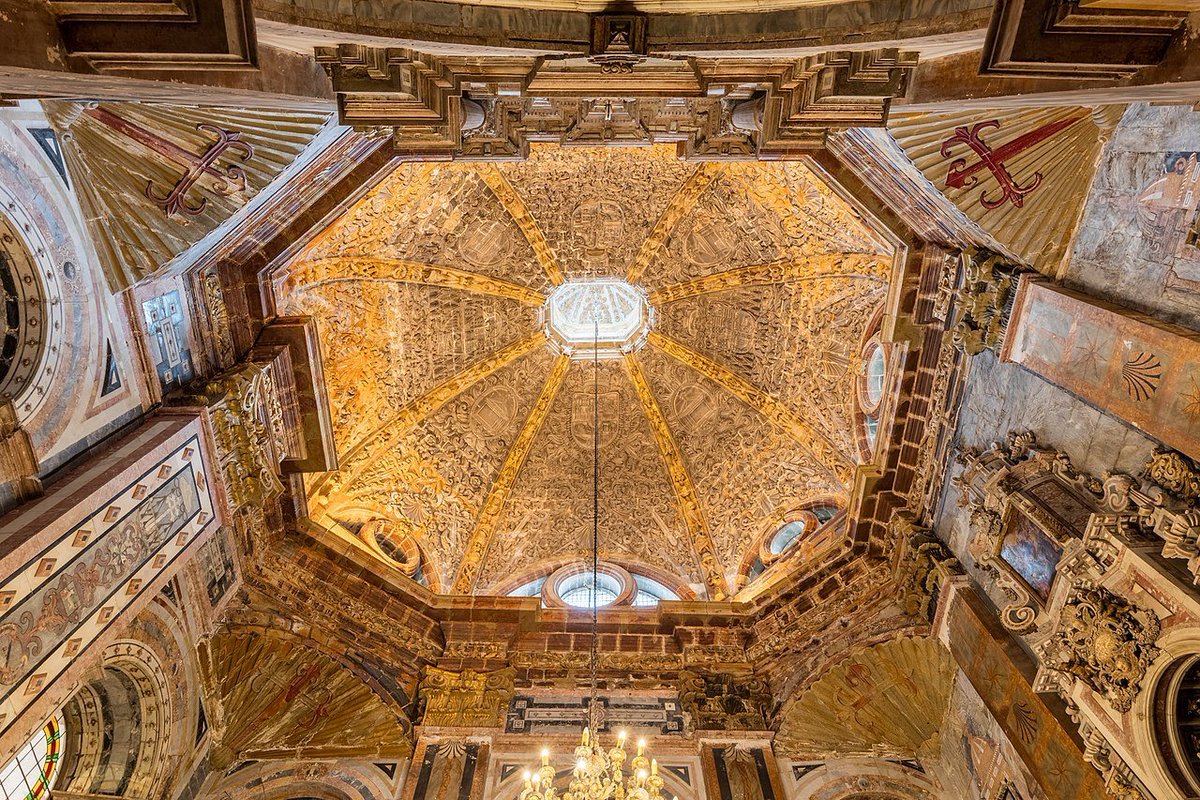
Feliz Día de Santiago, símbolo da Reconquista e da espiritualidade de todos os pobos hispánicos.
Non esquezamos: os nosos devanceiros loitaron aínda cando todo parecía perdido.
This is the oldest surviving icon of Christ, the oldest painted portrait of the face of Jesus that has come down to us.
It was made around 1500 years ago, and if you cover one half of the face, then the other, you are looking at two different men...
It's called Christ Pantocrator, a Greek title meaning "Ruler of All," and it was painted in the sixth century, around the year 550, most likely in a workshop in Constantinople, the capital of the Byzantine Empire.
It was almost certainly sent as an imperial gift to a remote new monastery being built in the Egyptian desert. It has hung there, in the Monastery of Saint Catherine at the foot of Mount Sinai, ever since.
For roughly 1,500 years, it has never left.
That it survived at all is remarkable. In the eighth and ninth centuries, the Byzantine Empire went through a violent period called Iconoclasm, in which religious images were condemned as idolatry and destroyed by the thousands. Almost every icon of this age in the empire was burned. But Saint Catherine's lay far out in the desert, beyond the reach of the emperors and their decrees, so this one was spared. It is one of the very few images of its kind on earth to come down to us intact.
But the truly haunting thing is the face. Look at it, and the two sides do not match. On the side where Christ holds the Gospel, his features are harder, sterner, the brow raised, the eye larger and more severe, the face of a judge who sees everything. On the side where he raises his hand in blessing, the expression softens, calm and merciful, the face of a savior. One half is divine authority. The other is human compassion.
Most scholars believe this was entirely deliberate. The icon was painted not long after the Church had formally defined that Christ was at once fully God and fully man, two natures joined in one person. And so the artist, it is thought, built that doctrine directly into the face, splitting it in two so that the same man could be, in a single gaze, both merciful and just, both human and divine...
I started my newsletter because our past is extraordinary, and fewer and fewer people are showing us how to truly see it. Every week I try to. If that is something you'd like to be part of, you can join through the link in my bio, and if you'd like to support my work, a paid subscription is what makes it possible.
Thanks for reading.