connection, collaboration, curiosity, creativity -finding ways to make learning irresistible, to improve life chances of learners with CASN. Proud mum-Views Own
Instead of watching an hour of Netflix, watch this 2 hour hour Stanford lecture will teach you more about how LLMs like ChatGPT and Claude are built than most people working at top AI companies learn in their entire careers.
One year as a principal, I asked our staff to write their hopes for students on the wall outside our main office. Teachers, paraprofessionals, custodians, our maintenance technician—everyone contributed.
What struck me most wasn’t just the number of responses. It was the nature of them.
There were no hopes for higher test scores or fewer tardies. No mentions of completed homework or straight A’s.
Instead, these were the kinds of hopes that call people into this profession in the first place—the quiet, powerful convictions that remind us why we do this work.
Here are just a few:
That students believe in themselves and have the courage to follow their hearts.
That every child feels valued, supported, and safe.
That students recognize their potential—and use their unique gifts to help others.
That they learn to embrace challenges and understand that failure is not a destination, but a powerful place to grow.
That they treat one another with respect, empathy, and kindness.
That they develop confidence, curiosity, and a love for learning.
That they leave our school not just smarter, but stronger—better readers, writers, thinkers, and human beings.
That they know, without a doubt, how deeply they are cared for.
These were our hopes.
They were not easily measured. They didn't fit neatly into a data report or a spreadsheet. There was no rubric that could fully capture what a teacher means in the life of a child.
And yet, this is the work.
While some may try to define school success by numbers alone, the true impact of education lives in these moments—in confidence built, in belonging felt, in courage discovered.
I was incredibly proud of our staff, but I also know this: these hopes are not unique to our school. They live in classrooms everywhere. In schools across the country, educators are showing up each day, pouring into students, and working to build brighter futures.
There are many important professions in this world.
But I can’t think of a more meaningful one than this.
Rock on,
Danny
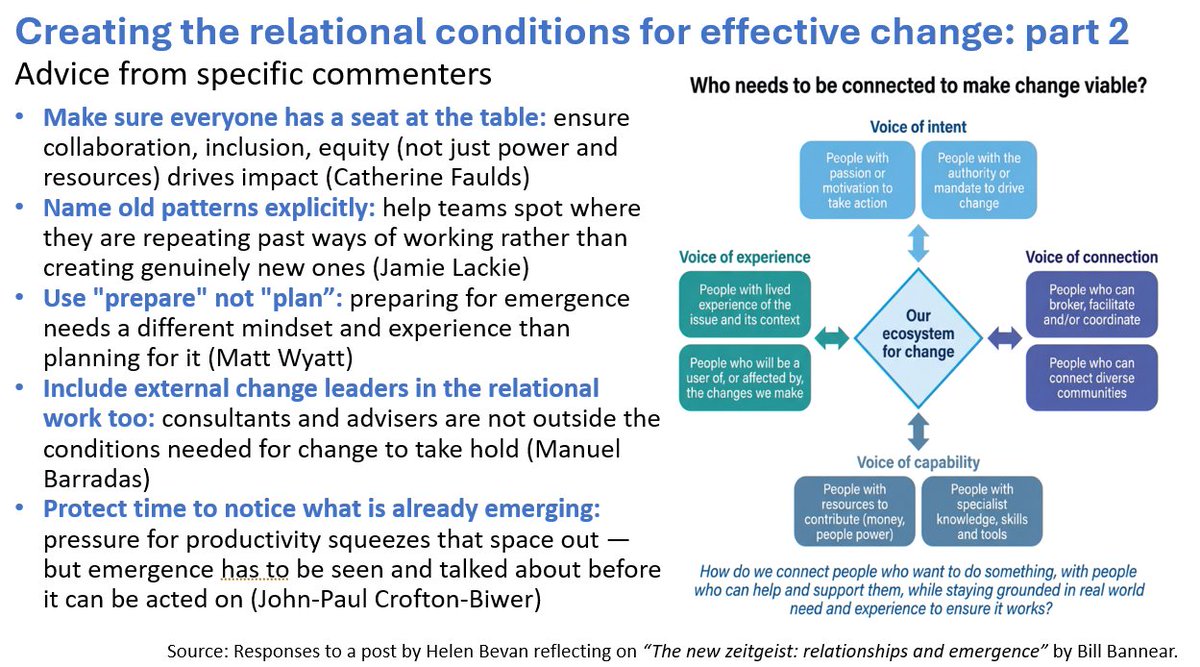
Creating the relational conditions for effective change: part two
Summary of comments in response to my last post on relationships that enable change to emerge from across multiple social platforms. Six themes surfaced:
1) Relationships ARE the mechanism: many are living this
The strongest theme was direct confirmation from practice. Ish Ahmed described frontline teams that fail to progress "not because of a lack of ideas, but because the environment & relationships are not set up to support change." Diane Gudmundson stressed: "change does not move at the speed of strategy alone. It moves at the speed of trust, safety & relationships." Alana Ruakere described work at Tui Ora, where the opportunity now is to name & invest in relational infrastructure more deliberately.
2. The challenge of measurement & making the case
Several commenters identified the same problem: how do we demonstrate relational quality when “delivery” metrics are easier to measure? Antonia Field-Smith asked how to give it "a credible footing when positioned against easily measurable operational & financial metrics." Kenny Ajayi named the paradox: there is an upfront cost to building relationships, yet systems are not set up to value that investment. Ted Toussaint flagged that the "environment" is hard to sell to leadership focused on hard business impact.
3) Productive challenges to the framework
Anthony Lawton pushed back on "design for connection before content," arguing that "the strongest relational bonds form through the work itself, not before it." Matt Wyatt stressed "the phrase is prepare for emergence" — a small difference in wording but a significant difference in insight and experience required.
4) Remote & distributed environments
Rebeccah Marsh stressed "we can't leave relationships to chance when we're not co-located." Rebecca Blackwood argued that in hybrid environments "structures have to work harder to create the conditions for connection & trust to develop" & that designing for relational quality & measuring it may be two sides of the same coin.
5) Real-world applications & tools
Lesley Parkinson shared how the RCN-accredited Relationships for Change course is building capacity in relational & restorative practice across 50+ NHS Trusts. Helena Jackson connected the framework to Bill Sharpe's Three Horizons model. Amanda Jeppesen recommended Future Search as a method for bringing stakeholders together to create emergence conditions.
6) Relational competence as core leadership capability
David Pendleton framed relational competence as central: leadership operates across strategic, operational & interpersonal domains, with the interpersonal holding & enabling the other two. Jamie Lackie argued that relational infrastructure helps teams "update inherited patterns" - so interactions stop reproducing the past & start generating genuinely new ways of working.
The comments confirm both the resonance of this approach & the genuine tensions leaders face in applying it. Thanks to all commenters.
📖 The IWE Wakelet brings together a range of materials to support inclusive practice, learner wellbeing and equalities across ELC and school settings.
🔗 Explore useful links and resources: https://t.co/sLxav9jHqb
An expert review has provided six recommendations to improve delivery of support for children with additional needs in schools.
Education Secretary Jenny Gilruth welcomed the recommendations, as she addressed practitioners in Edinburgh.
🔵 https://t.co/UPBDusqAb1
I’ve come back to X to reach out as this book needs everyone, no matter who we are or what we do, to read it - it will challenge and change us and in doing so, will gift us the opportunity to be more human ❤️ #flipthenarrative
A big part of trauma informed, responsive education is adopting a neuroscience based approach.This helps us view behaviour through a lens of understanding how the brain and body work. When we understand this,we understand our young people better.🧠🌱
Eating is essential for our health and well-being, yet it can become a source of anxiety for many families 😔
Listen to hear why eating can be such a sensory triggering process and why it can be such a stressful and emotive topic 🎧
https://t.co/F1tpVrxy26 @Jo3Grace#sensory #podcast
Grateful to @KathrynMorgan_2 for joining me on @Changingconver1 for the first ‘turning pages’ episode to discuss 3 books that have had an impact on her - Moral Ambition | Phosphorescence | Women Who Run With Wolves
https://t.co/4fIOOlWimD
The inability of leaders to delegate is one of the most significant blockers in workforce productivity & in making change happen. So I appreciated this new article by @RoFernn that offers a refreshing perspective & practical actions.
Teams often don’t see the pressure that their leaders carry. Leaders fear that if something goes wrong, it will ultimately fall back on them. That’s why delegation feels risky: when we delegate, we can no longer control every action or thought. We can only have influence. The shift from control to influence triggers more fear.
Most leaders don’t struggle with delegation because they don’t know they should delegate. They struggle with the daily symptoms of not delegating. The core problem is often a lack of clarity, trust & good processes. But because leaders are constantly firefighting, they rarely get the chance to step back & see it.
Effective delegation focuses leaders on controlling what they can control: providing examples of what good looks like; leading by example - creating shadowing & learning opportunities; continuously improving clarity; designing systems with built-in visibility so fewer status meetings are needed & setting clear principles & fair rules.
What actions can we take to enable both oversight (direction/control) & autonomy (delegation)?
1) Define the outcome & success criteria: don’t tell people how to do something - make the “what” crystal clear
2) Create visibility without micromanagement: build check-ins, dashboards & visual cues
3) Systematise autonomy: Build templates, process checks & decision prompts so teams can act effectively without leader presence
4) Multiply effort with repeatable systems: delegation through systems (templates, shared steps, clear rules) supports sustainable delegation
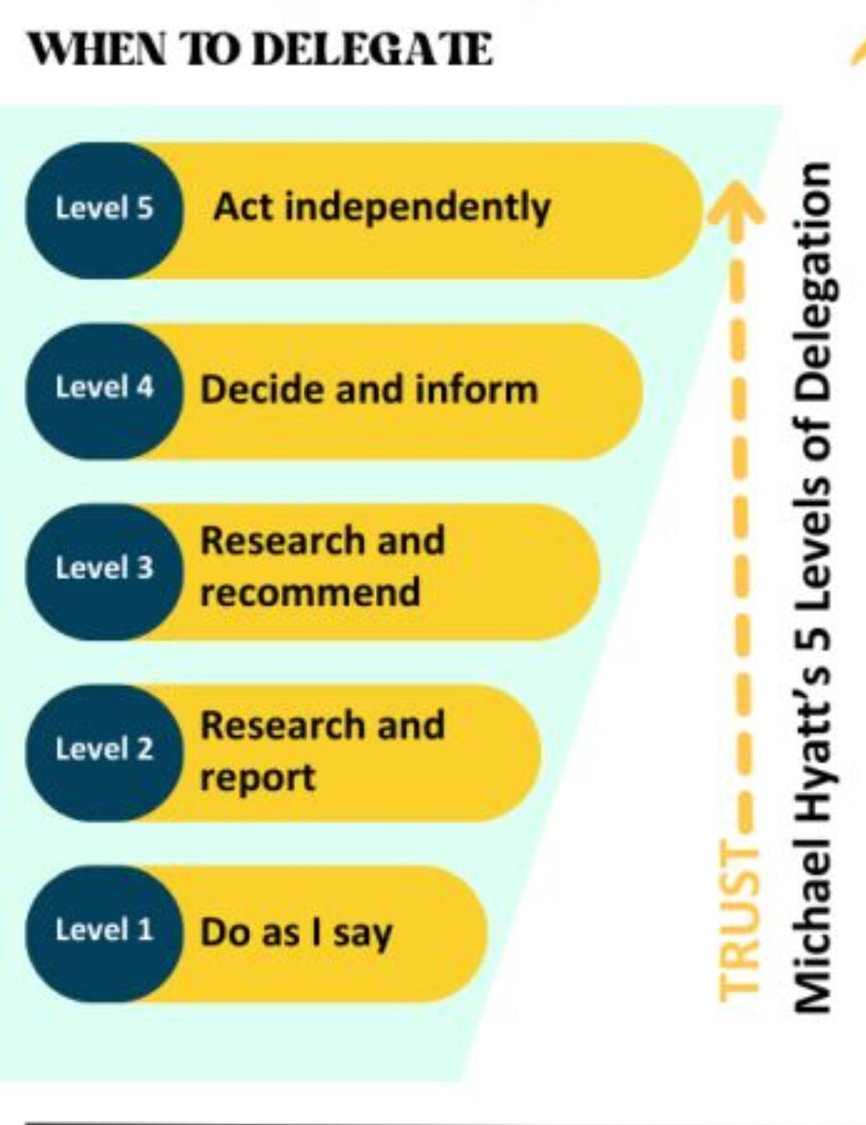
5) Use the “Five levels of delegation” to build autonomy: The author suggest using the @MichaelHyatt model to work out where current levels of delegation are & how people can move up stages as capability & systems improve
Article: https://t.co/y9zVPP5jw7
The Michael Hyatt "levels of delegation" model: https://t.co/Xs5qkDiMpd
Graphic via @hosseini_samira
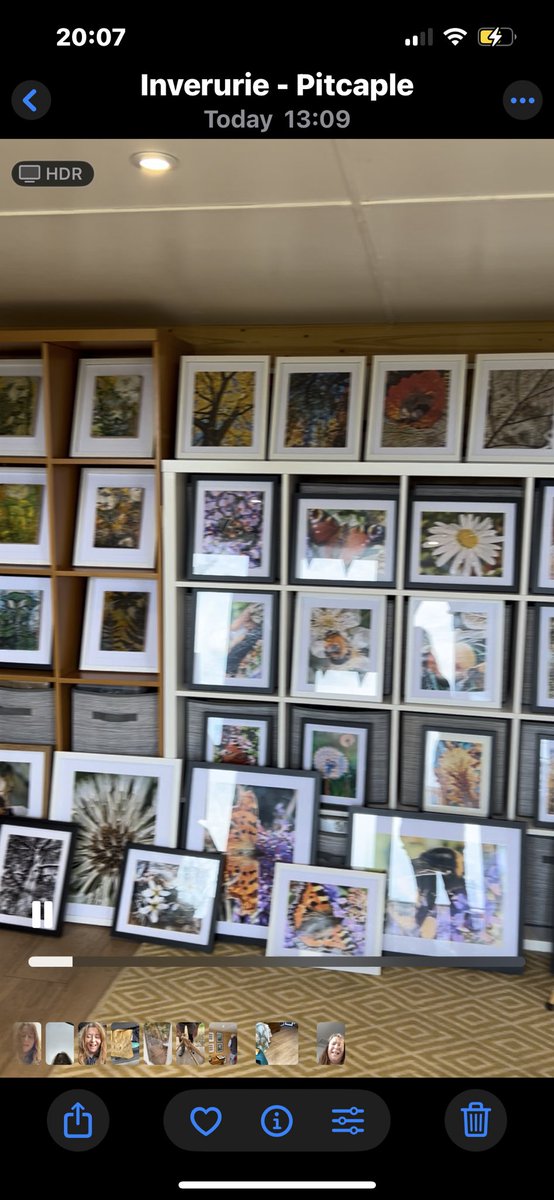
Today I realised my living braver, loving stronger goal in opening up my creative space for friends and family before tomorrow’s NEOS opening - I never would have thought … but I did it! Being in flow = huge health benefits! Try it yourself.
First episode of season 1 of Changing Conversations The Next Chapter landed this morning 🙌🏼
Chatting about AI with Zahra and Rick from Winning Scotland
https://t.co/q7e4FdilyF
First episode of season 1 of Changing Conversations The Next Chapter landed this morning 🙌🏼
Chatting about AI with Zahra and Rick from Winning Scotland
https://t.co/q7e4FdilyF
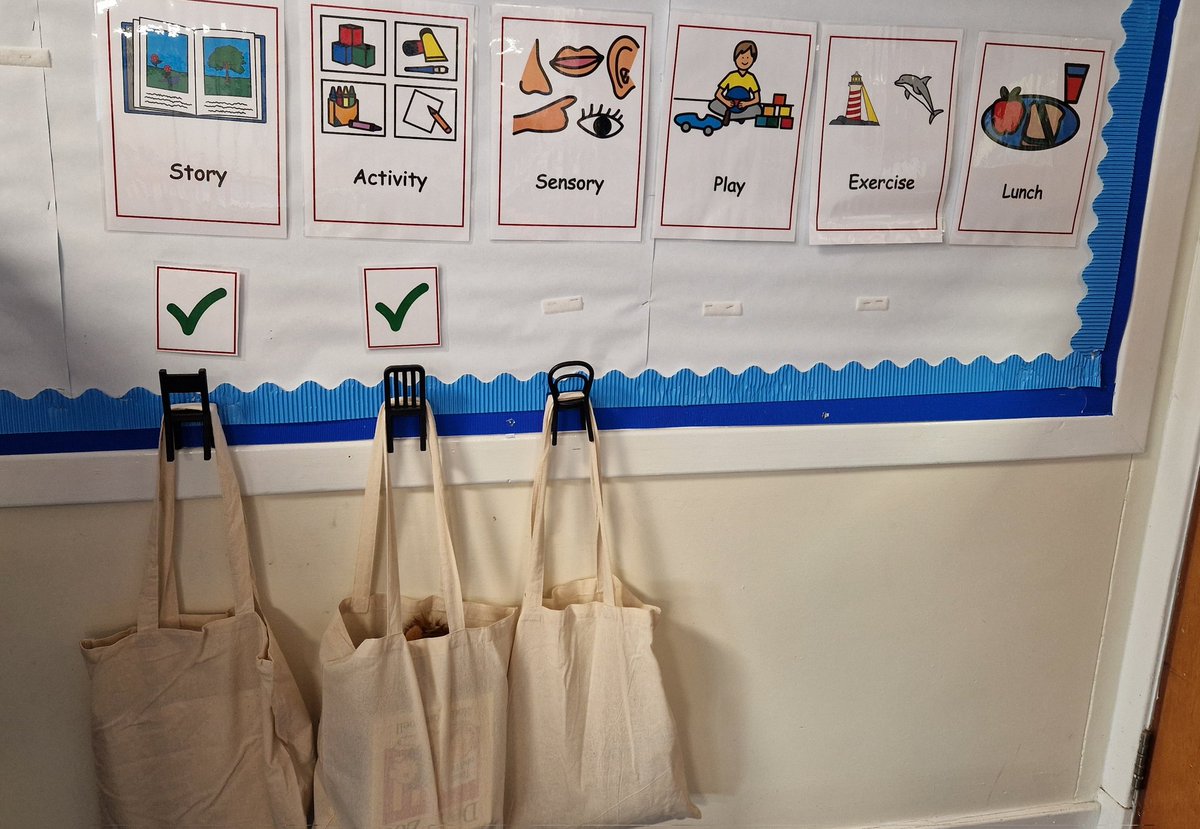
A large visual timetable to create predictability and consistency. Each transition is supported with a timer and windchimes so pupils know it's time to move on to the next task ✔️
Amazing feedback about Jo Grace's podcast 'Autism - The quiet ones' ��❤️
Available to listen to now on Spotify, Apple podcasts, YouTube and our website 🎧
https://t.co/Xy3ObKKn1l @Jo3Grace
#autism #podcast