Celestial Body: Neptune
Neptune is a cold, dark blue planet nearly 30 times as far from the Sun as Earth. Taking 164.8 years to orbit the Sun, Neptune is the only planet in the solar system not visible from Earth without a telescope. It is the farthest planet from the Sun.
Celestial Body: Saturn
Saturn is often called the Jewel of the Solar System because of its unique and beautiful appearance. Composed mostly of gas, Saturn is known for the visually striking rings that encircle the planet.
#genalphaverse#celltosingularity#saturn#game#celestial
Celestial Body: Ganymede
Ganymede is not only the largest Galilean moon, but also the largest moon in the entire solar system - bigger even than the planet Mercury. It has a thin oxygen atmosphere and its own magnetic field.
#genalphaverse#celltosingularity#ganymede#game
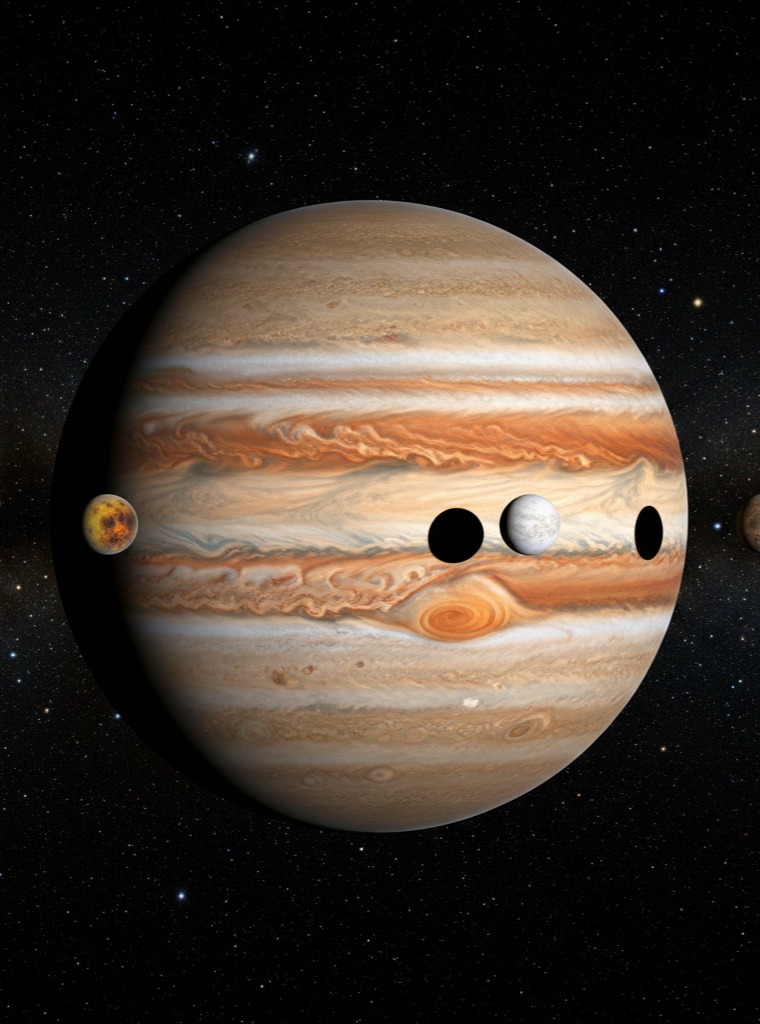
Celestial Body: Jupiter
Jupiter is the largest planet in the solar system. It is made of hydrogen and helium gas and has no solid surface. Constant storms in Jupiter's atmosphere create stripes and bands of swirling color.
#genalphaverse#celltosingularity#jupiter#game
Celestial Body: Asteroid Belt
The Asteroid Belt is a field of small, rocky bodies floating int he spaces between Mars and Jupiter. Jupiter's immense gravity prevents these asteroids from coming together to form a planet, keeping them in a scattered orbit.
#genalphaverse#asteroid
Celestial Body: Mars
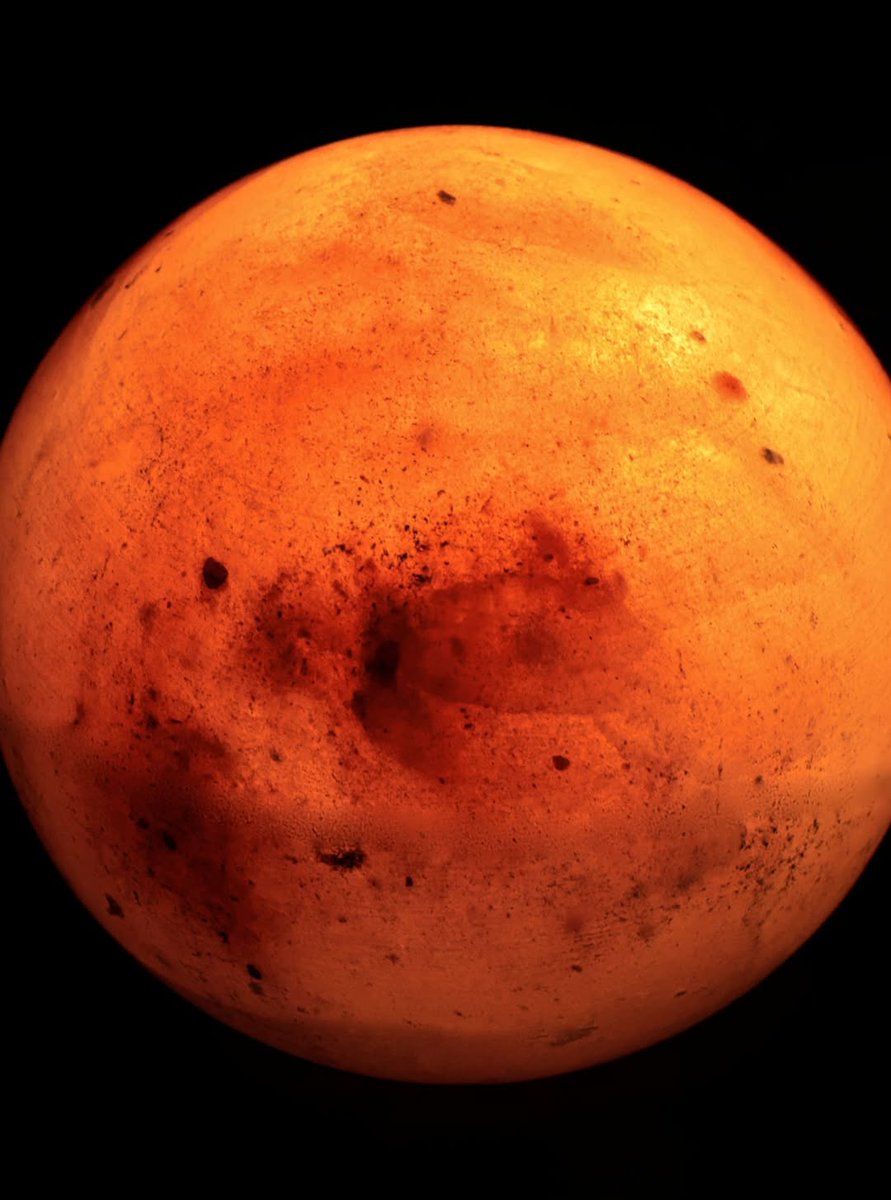
The fourth planet from the Sun and Earth's nearest neighbor, Mars is often called the Red Planet because of its ruddy color. It stands out brightly in the night sky, inspiring humans to wonder if it might be home to alien life.
#genalphaverse#mars#celestial
Celestial Body: Venus
Venus's scorching, dense, unbreathable atmosphere makes it the hottest planet in the solar system. One of the brightest objects in Earth's night sky, it can be seen with the naked eye.
#genalphaverse#celltosingularity#venus#celestial#celecstialbody
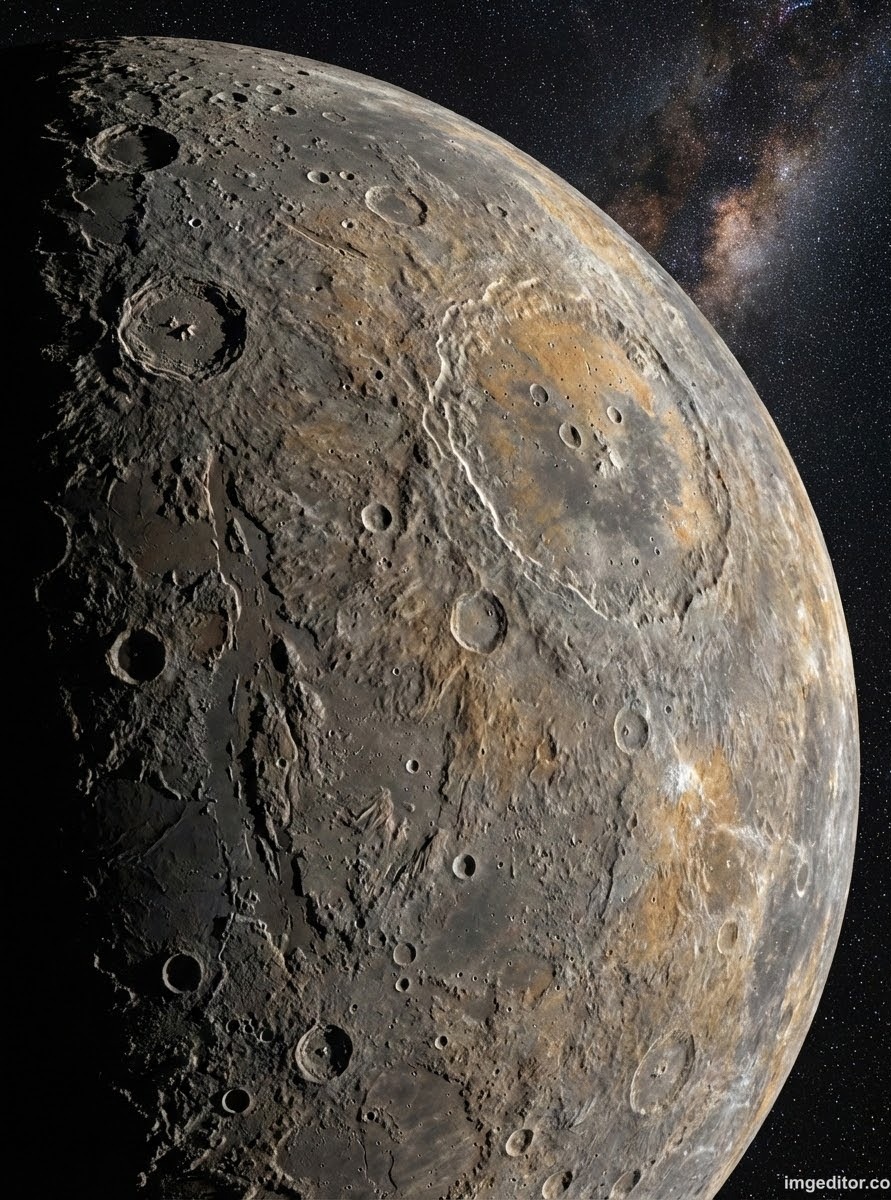
Celestial Body: Mercury
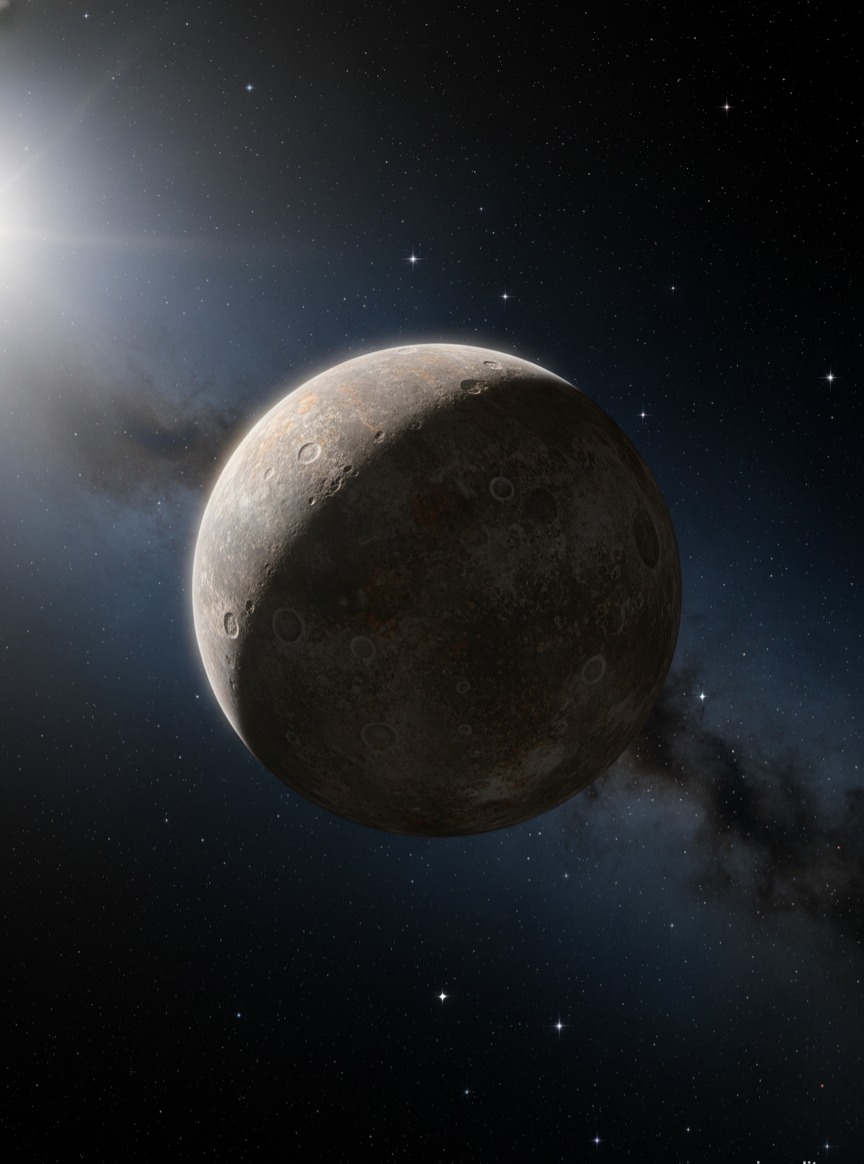
Mercury is the smallest planet in the solar system, as well as the closest to the sun. With its rocky grey surface, thin atmosphere, and small size, Mercury could easily be mistaken for a moon.
#genalphaverse#celltosingularity#mercury#celestial
Celestial Body: Sun
Earth's home star is the center of our solar system, the point around which all celestial objects orbit. It shines its light on each of the eight planets, and its warmth is essential for all life on Earth.
#genalphaverse#sun#celltosingularity#game
“New Year, new levels—let’s play 2026 on hard mode.”
“Happy New Year 2026! May every day feel like a fresh spawn with new chances to win.”
“From Gen Alpha Verse to your screen: May this year unlock your best version yet.”
#genalphaverse#newyear#Year2026
Caracal
Cats reach Africa during the first Ice Age, traversing land bridges across the Red Sea. Three species of the caracal lineage, including the serval, settle in different habitats such as forests, savannahs, and wetlands.
#genalphaverse#celltosingularity#game#caracal
All modern cat species spawn from the ancient Pseudolus's, which lives in Asia around 20 million years in the past. Its felid descendants are divided into two general categories: those that purr and those that roar
#genalphaverse#celltosingularity#felidae#cat#pseudaelurus
Dinosaur Name: Stegosaurus
Stegosaurus was a quadrupedal plant-eating dinosaur known for the distinctive rows of large upright plates on their back
Gen Alpha Verse #genalphaverse#dino#dinosuar#dinosaurs