2023 - Student project to sequnce the DNA of Freshwater Shrimp (Gammarus) to identify the species in a freshwater stream in Dorset. #PCR#IRIS#GeneticsClubinschool
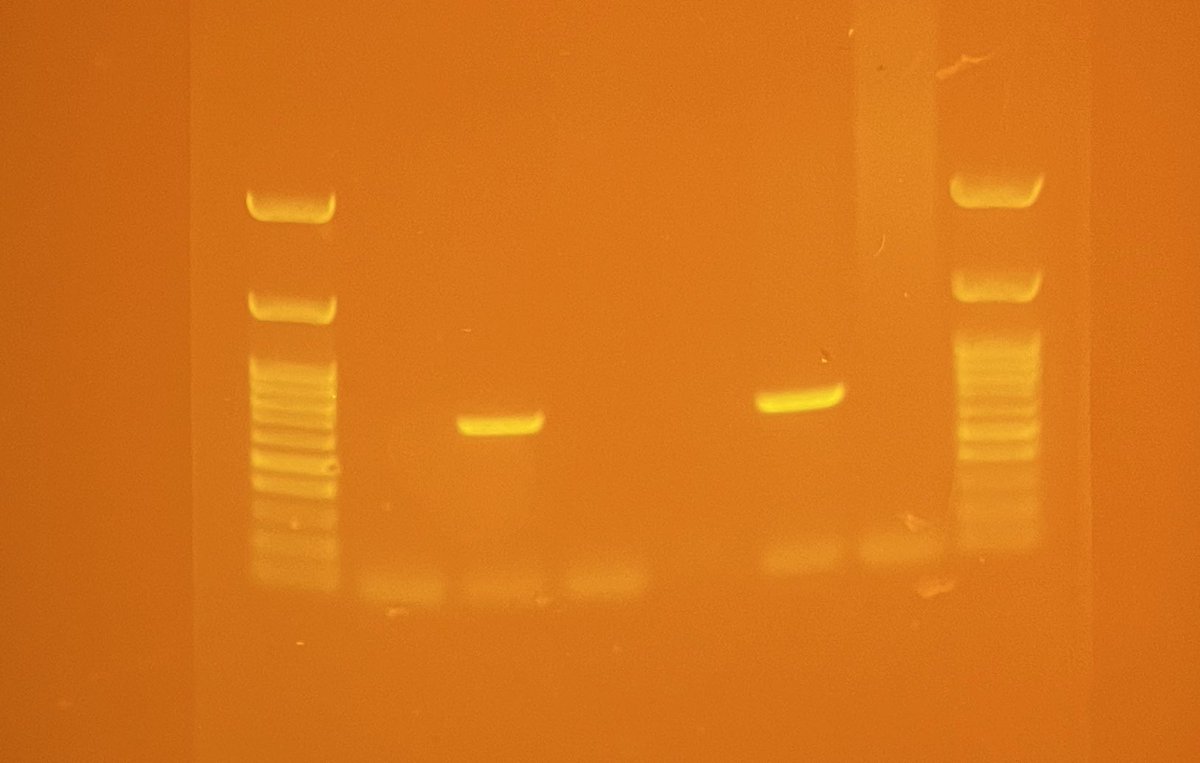
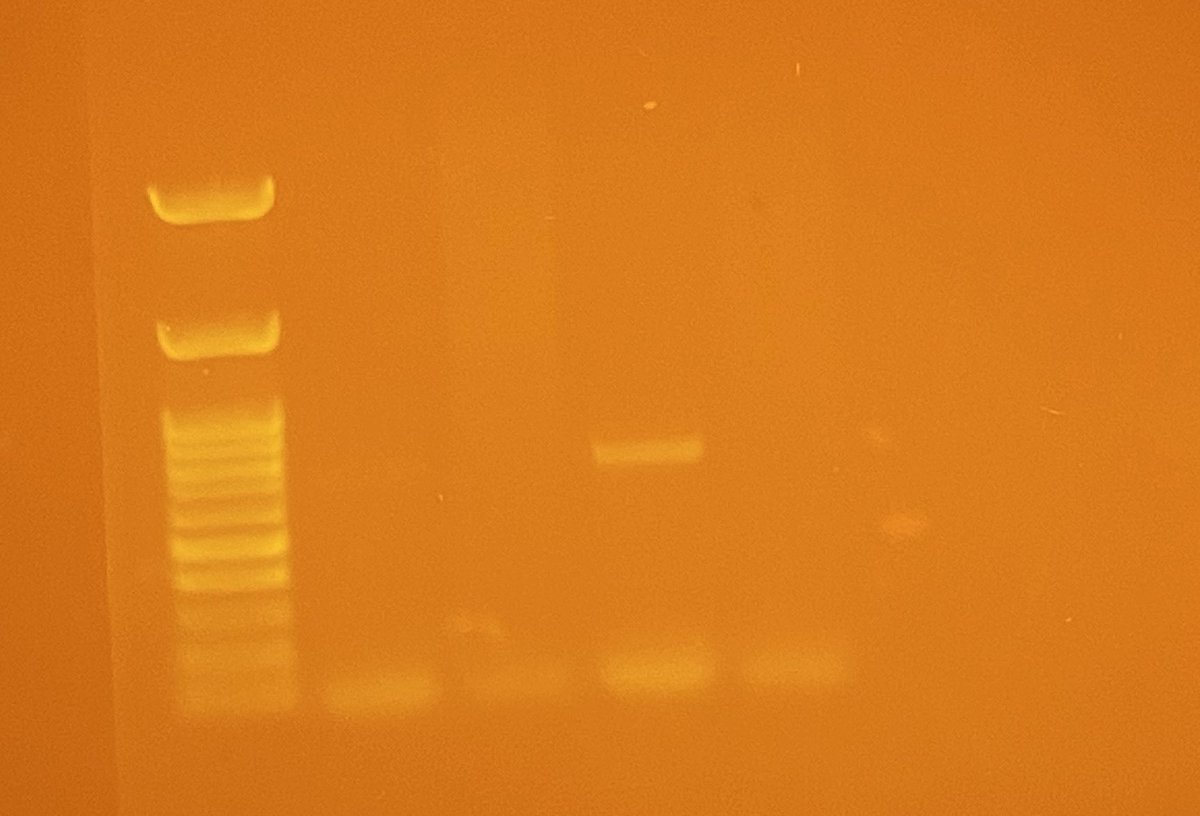
Decided to make up fresh primer dilutions, 2% gel and just focus on one sample I knew had DNA in it. A variety of different dilutions of primer and sample were used. Results much improved, clear bands in both gels at the correct size.
Trying to improve the positive controls we have so ran two gels with random DNA samples, one using per-3 primers, the other cyt450 primer. Faint bands on per3, but not clear, nothing on the other one.
New Yr12 group started the club today. Got them to create mosaics using micropipettes. Thanks to @miniPCR for putting the templates online. The students loved them.
Finally visited @bournemouthuni and worked with @Plagiopyla and fifteen students to understand the DNA sequences. Students able to clean up DNA and compare to other sequence DNA using a BLAST search. Finally they created a cladogram of their results!
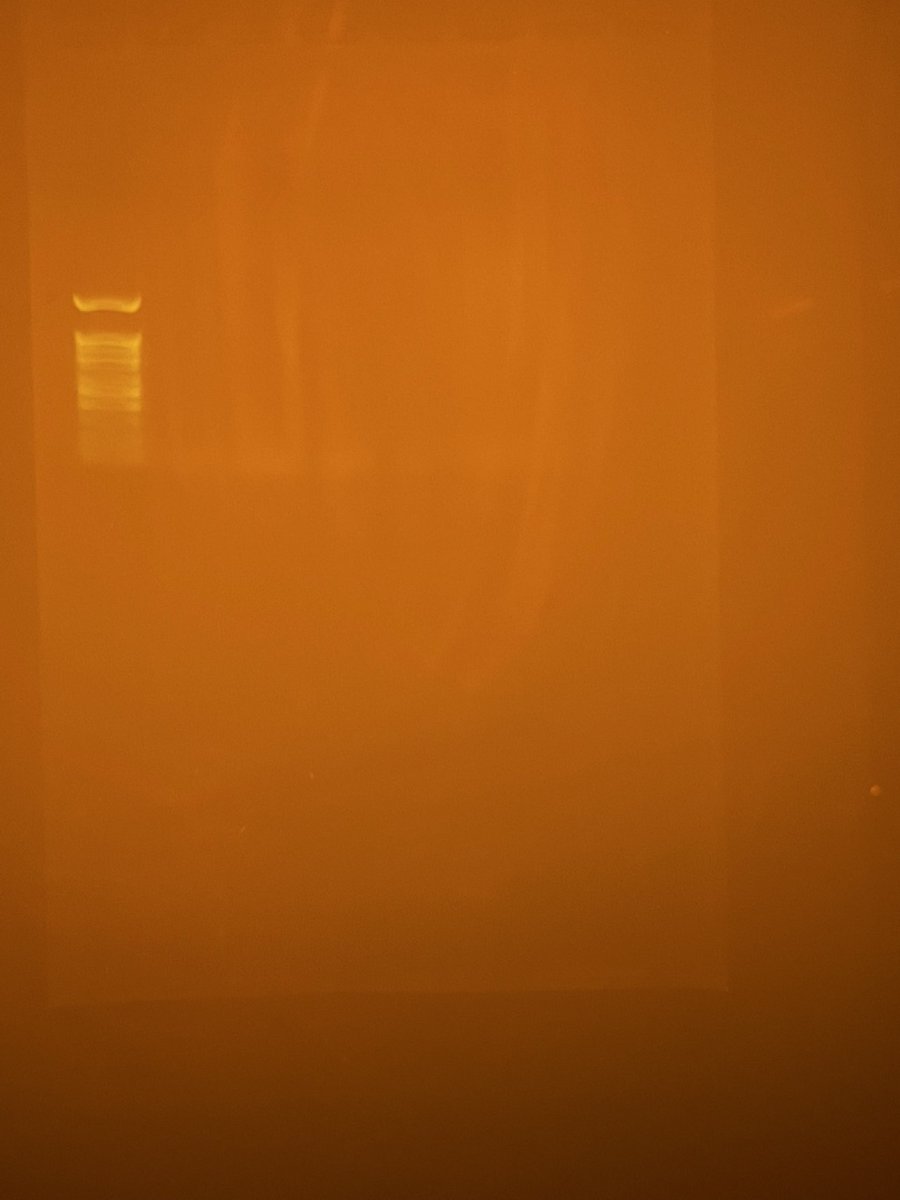
Genetic barcoding of shrimp with Bournemouth University 2024. Students have collected shrimp as outlined in my pinned tweet, have extracted DNA in school, then run the PCR. This Monday we looked at the results, looking for a band at 700kb. No bands, very depressing!
Took just the samples with DNA and dug out the primer from last year that had worked, adjusted the PCR conditions (which I had overlooked were different from our normal ones). Ran the PCR and gel all in a day. Did it work, three bands at 700kb!
Gel 1 : Positive DNA from Freshwater shrimp, Gel 2, Positive human DNA in position 3, 4, 5 on top and Position 10, 12 positive. These correspond to sample numbers 8, 9, 10, 14 and 16.
For many of the experiments we run we have lacked a positive control. I have been meaning to run students purified DNA to check which have DNA in them so we can use them anonomised the following year, confident they have DNA in them. I have attached the gels below.
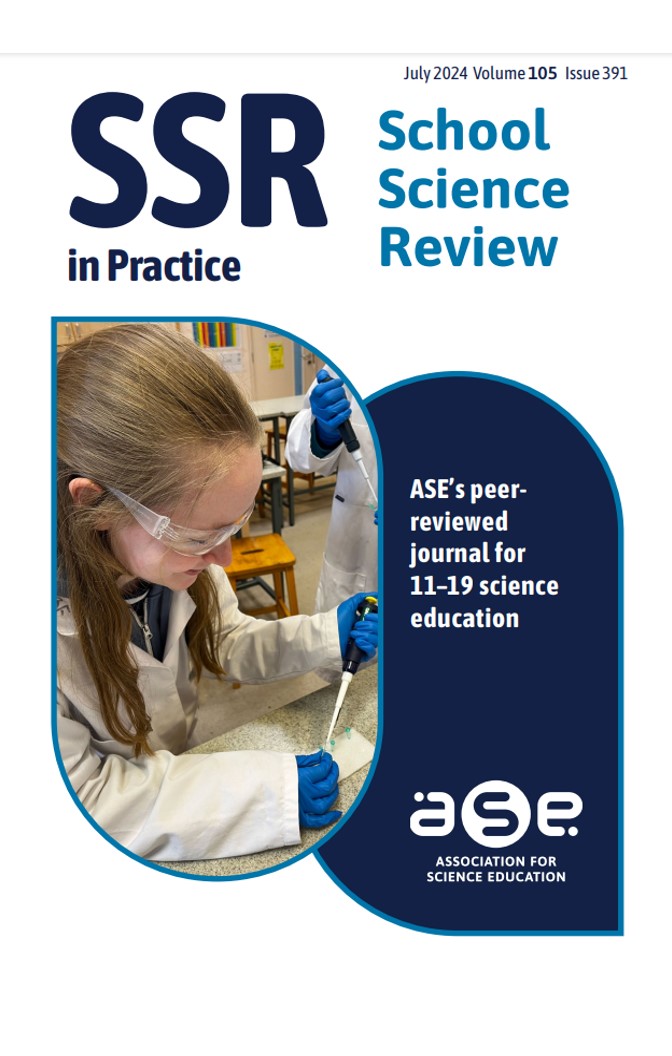
I recently wrote an article for the School Science Review highlighting the potential genetic clubs have to provide students with a technical scientific challenge they can use to carry out original research.@ResearchInSch@theBentoLab@ABEProgOffice
https://t.co/RBDcoRpRfN
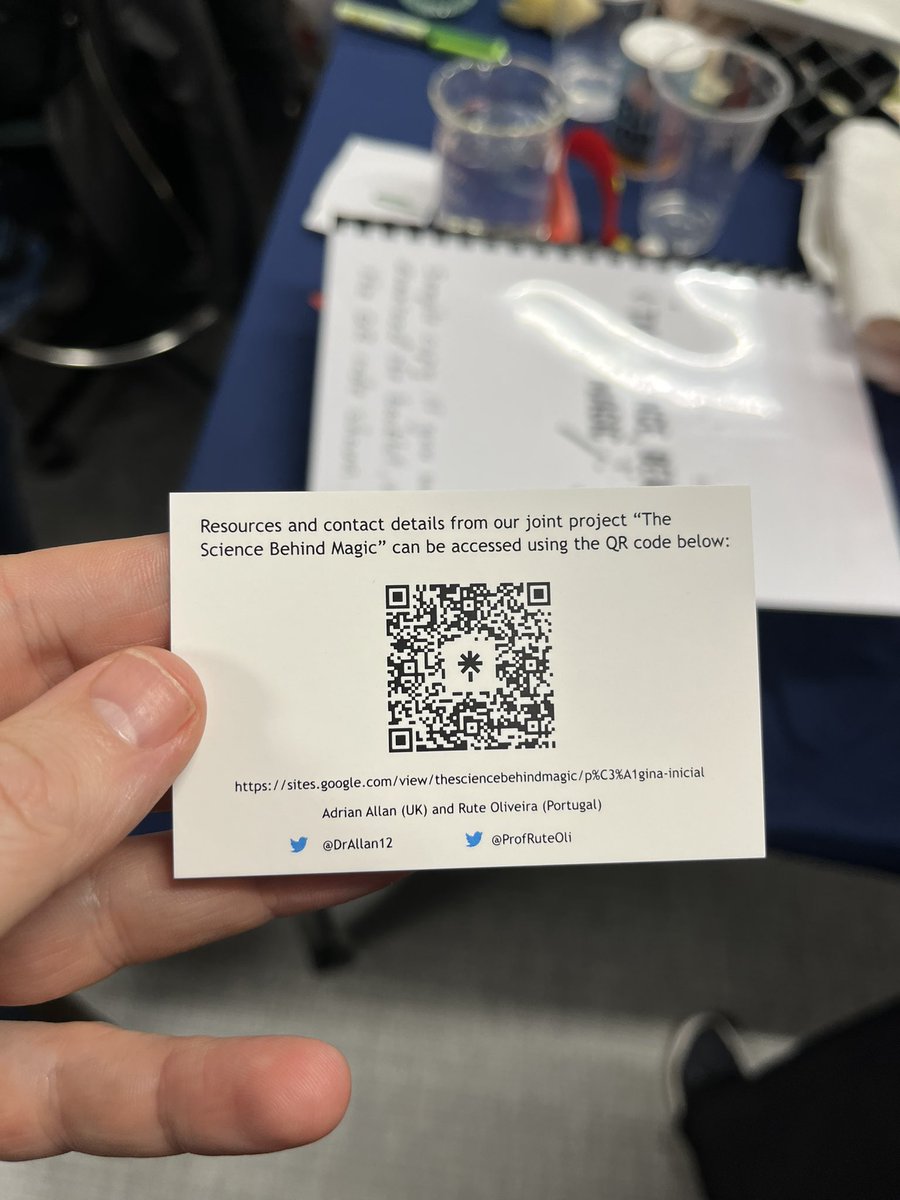
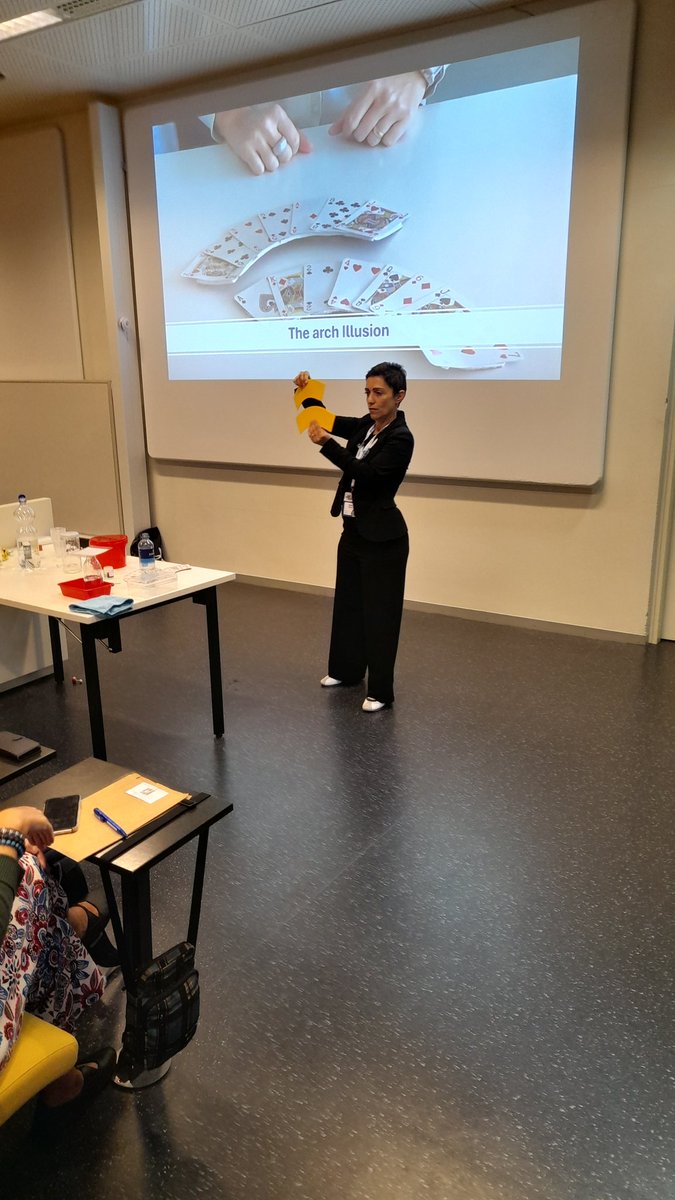
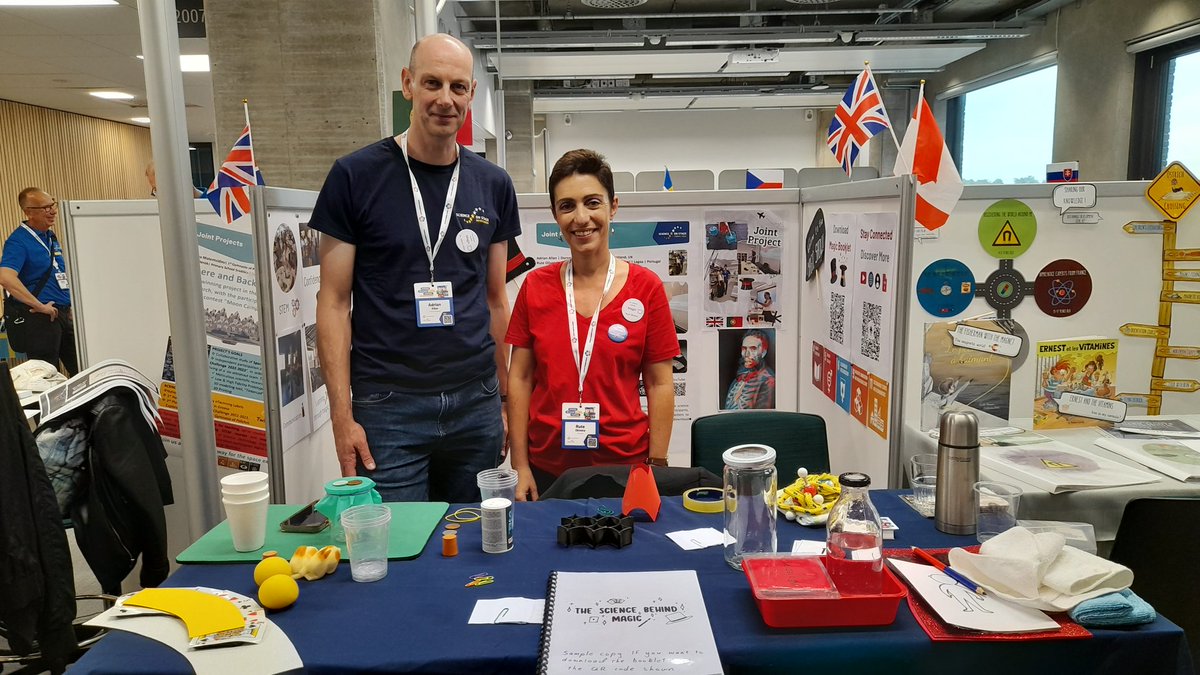
@ScienceonStage#sos2024@ScienceonStage@DrAllan12 Fantastic range of demonstrations that Adrian and Rute have developed which can be used to illustrate scientific principles with a certain magic! QR code included!
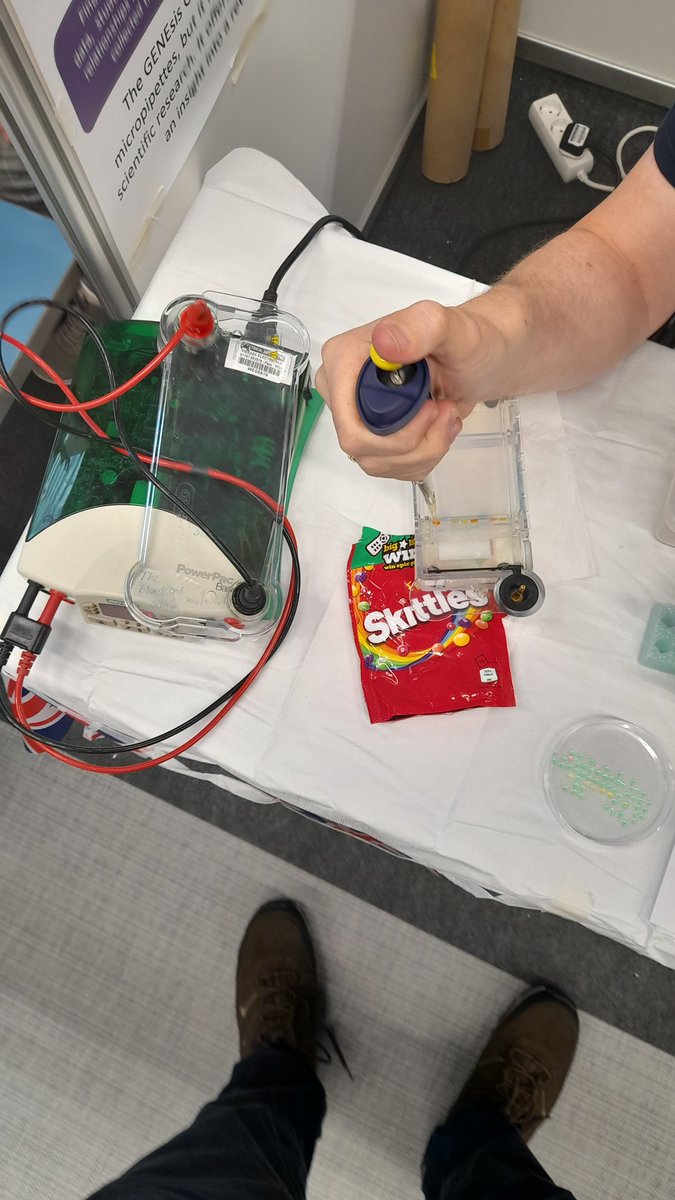
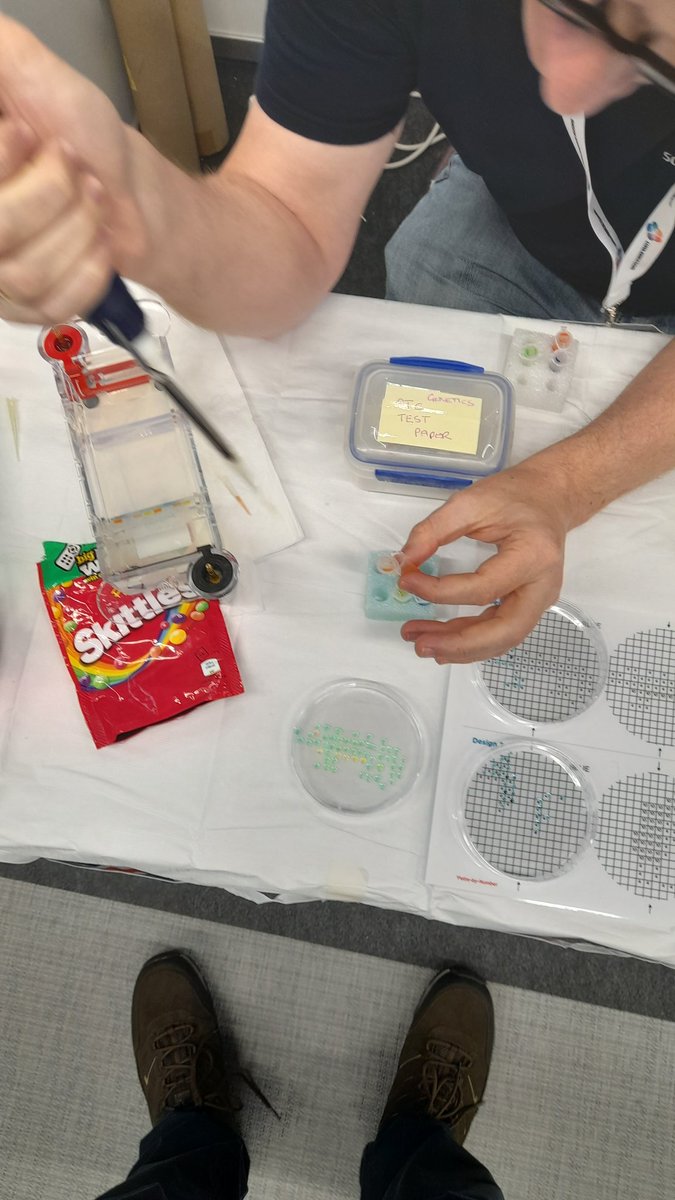
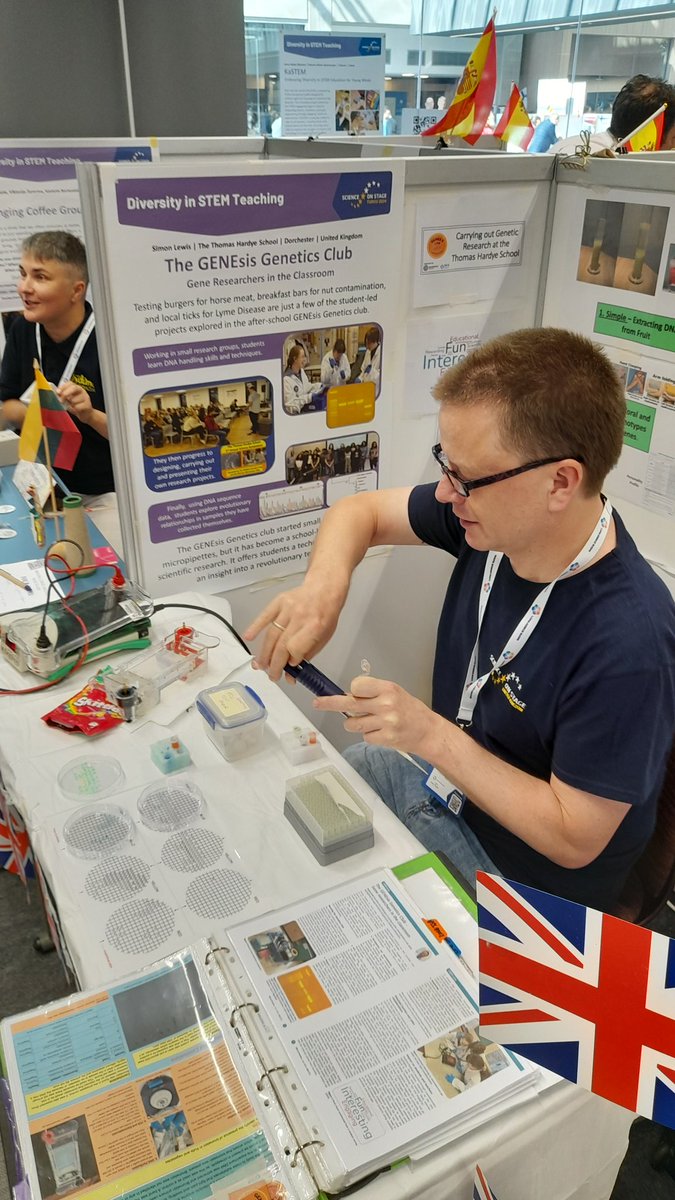
Science on Stage 2024 @ScienceonStage in Turku, Finland. Along with 800 science teachers from across Europe presenting on how you can incorporate practical genetic experiments in the classroom. #sos2024
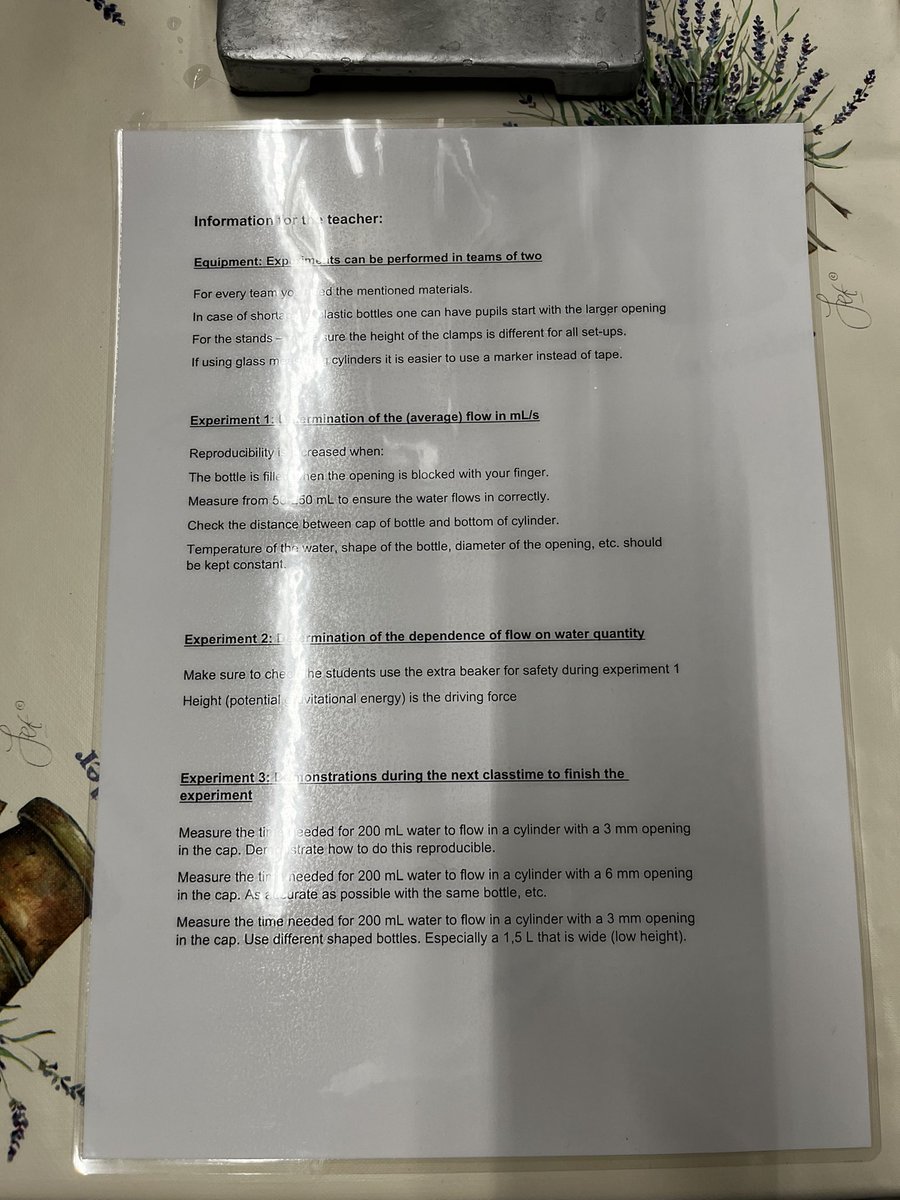
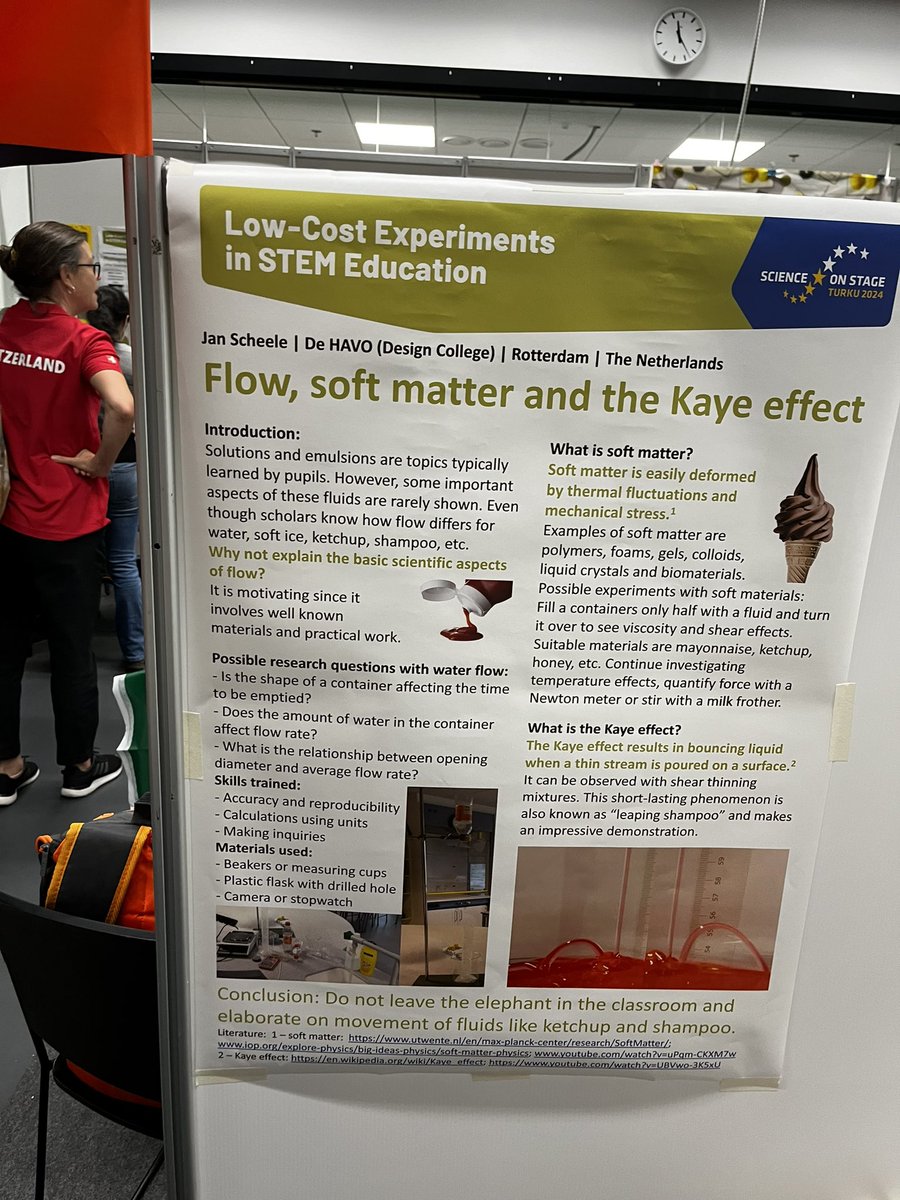
@ScienceonStage#sos2024@ScienceonStage Jan Sheele had some interesting demonstrations of the Kaye effect (that's the streams of liquid coming from the impact point.
It was great to see so many teachers at our @ScienceonStage workshop from all over Europe learning how to do science magic with me and @ProfRuteOli. If you want to learn how to do the tricks, click on the link below for videos and a pdf booklet. https://t.co/e1bStRCDee
#sons2024