I'm proud to announce that a story I wrote almost 2 decades ago has found a home. Day Meeting was recently published by @WYCZine
If you're familiar with Ray Bradbury's Martian Chronicles, you may recognize the inspiration for my tale #WritingCommunity
https://t.co/a5IqcZOwPy
@WW3finalboss How do we get inside that supply chain to cause the most disruption of the Russian armaments program? Like, Israeli beepers level infiltration & self-destruction in warehouses full of other armaments?
Things to add to my survival stash:
Lighters (or matchbooks), tubes of Antibiotics, AA & AAA batteries. I've already got bulk painkillers & mini bottles of liquor.
I do keep rolls of small silver too (mostly pre-1964 dimes) for trade. Any other barter goods you'd recommend?
일곱번째 생존법.
위기가 오면 금, 달러, 귀금속을 챙기라고 말합니다. 하지만 보스니아 내전, 베네수엘라 국가 부도, 우크라이나 사태를 직접 겪은 생존자들의 증언은 정반대입니다.
전력망과 금융 시스템이 멈춘 순간, 종이돈은 불쏘시개일 뿐이고, 금괴는 당신과 가족을 약탈 1순위 표적으로 만드는 가장 위험한 금속입니다.
도시 인프라가 멈추고 마트 선반이 털린 지 72시간이 지나면, 세상은 오직 '물물교환(Barter)'으로만 돌아갑니다. 그 지하 경제에서 목숨을 지키며 거래하는 5가지 철칙입니다.
1. 금괴를 들고 나가는 순간, 당신은 걸어 다니는 ATM입니다.
100g짜리 금괴를 들고 나가서 쌀 1kg이나 통조림 2개를 살 수 있을까요? 상대방은 "거스름돈이 없으니 금괴 전부를 달라"고 강요하거나, 거래하는 척 뒤를 밟아 당신의 은신처 전체를 털어버립니다. 재난 초기 몇 달 동안 금은 쪼갤 수도 없고, 당장 먹을 수도 없는 쓸모없는 쇳덩이에 불과합니다. (귀금속은 치안과 사회가 어느 정도 재건되는 먼 훗날에나 통합니다.)
2. 1등 지하 화폐는 '라이터(Lighter)'입니다.
불을 피울 수 없는 생존자는 영하의 추위와 오염된 물 앞에서 며칠을 버티지 못합니다. 편의점에서 파는 흔한 일회용 라이터 하나는 약 1,000번에서 1,500번의 불을 피울 수 있는 '압축된 생명'입니다. 부피가 극도로 작고, 주머니에 여러 개가 들어가며, 누구나 가치를 직관적으로 알기 때문에 잔돈을 거슬러주거나 기본 화폐 단위로 쓰기에 완벽합니다.
3. 2등 화폐: 소금, 설탕, 그리고 '기호품'의 폭발적 위력.
인간은 소금 없이는 전해질 쇼크로 탈진해 쓰러집니다. 소금과 설탕은 음식을 보존하고 염장하는 데 없어서는 안 될 핵심 자산입니다.
그리고 극도의 공포와 스트레스에 짓눌린 사람들에게 인스턴트 커피(믹스커피), 담배, 미니 양주(소형 보드카/위스키)는 총알보다 더 강력한 ��상 카드가 됩니다. 담배 몇 개비나 커피 몇 포로 결정적인 생존 정보를 사거나 검문소를 통과할 수 있습니다.
4. 3등 화폐: 항생제 연고와 소염진통제, 표준 규격 배터리.
분쟁·재난 지역의 가장 흔한 사망 원인은 총상이 아니라, 녹슨 못이나 깨진 유리에 긁힌 작은 상처의 패혈증입니다. 후시딘, 마데카솔 같은 항생제 연고 1개, 타이레놀이나 이부프로펜 1통은 금 한 돈보다 더 귀하게 대접받습니다. 여기에 라디오와 랜턴을 켤 수 있는 표준 AA, AAA 건전지는 마트가 문을 닫는 즉시 현금처럼 통용됩니다.
5. 물물교환 시 목숨을 건지는 OPSEC(보안) 3대 수칙.
물건을 바꾸러 나갈 때 지키지 않으면 반드시 당하는 수칙입니다:
- 절대 내 은신처 근처에서 거래하지 마라: 거래 장소는 집에서 최소 1km 이상 떨어진 시야가 확보된 중립 지대여야 합니다.
- 전 재산을 보여주지 마라: "집에 더 많다"는 말은 자살행위입니다. 오늘 바꿀 물건 딱 1~2개만 주머니에 넣고, "나도 이게 가진 것의 전부다"라는 태도를 끝까지 유지해야 합니다.
- 반드시 2인 1조로 움직여라: 1명이 거래하는 동안, 1명은 20~30m 밖 엄폐물 뒤에서 사각지대를 감시하고 퇴로를 지켜야 합니다. 혼자 나간 거래는 90% 약탈로 끝납니다.
결론:
위기가 닥쳤을 때 금고 속 골드바나 수표를 믿지 마세요.
주머니 속 라이터 10개, 소금 1kg, 타이레놀 몇 통, AA 배터리 20알이
어떤 귀금속보다 당신과 가족의 숨을 더 길게 이어줍니다.
The reason your credit card charges you 22% is that back in 1980, Citibank wrote its own law and South Dakota passed it in a single day.
Citi was losing a fortune on credit cards back then. New York capped card interest at 12%, but inflation had pushed what Citi paid to borrow money up near 20%. Their chairman, Walter Wriston, later put it plainly. They were lending at 12 and paying 20, and you didn't have to be Einstein to see they were headed out of business. The card unit had already lost more than $1 billion.
New York wouldn't budge, so Citi's people called South Dakota's governor, Bill Janklow. Four times in one day.
South Dakota was broke. Farmers were paying almost 50 cents a bushel just to haul wheat that sold for $2.20, and the state was already working on getting rid of its interest rate cap. Citi offered 400 jobs if South Dakota would invite its card business in. According to Janklow, Citibank drafted the bill itself, and his legislature passed it in one day.
What made a South Dakota law matter to somebody in Ohio was a Supreme Court case from December 1978. A bank in Nebraska had been mailing credit cards to people in Minnesota at 18%, even though Minnesota capped rates at 12%. The Court sided with the bank unanimously. Whatever state your bank calls home gets to set your rate, no matter where you live.
Delaware passed its own version a year later, and the big New York banks packed up their card operations and moved there. Pretty much every credit card in America has been running on that one-day law for 46 years, which is why state rate caps have mostly been for show ever since.
A federal cap would be the first time the banks had nowhere to move.
Congress has come close before. In November 1991, President Bush mentioned at a fundraiser that he'd like to see card rates come down. The next day Senator Al D'Amato tacked a 14% cap onto a banking bill, and it passed the Senate 74 to 19 after about half an hour of debate. The Dow fell 120 points that Friday, the White House backed away, and the House let it die within days.
Back then the average card charged about 19% while Treasury bills paid 4.6%, so cards ran roughly 14 points above what the government paid to borrow. That was enough to get 74 senators to vote yes in an afternoon. Today the average card that charges interest sits at 22.36%, and the Fed's benchmark rate is under 4%. The spread is bigger now than it was the week the Senate lost its patience.
The politics are weirder this time too. Trump called for a 10% cap back in January. Josh Hawley and Bernie Sanders already have a 10% bill. And Elizabeth Warren is expected to run the Senate Banking Committee when Democrats take over Congress in January.
If something like this actually passes, keep an eye on the fees. In 1980, when Carter froze new credit card signups for a few months, the banks used the moment to start charging a $20 annual fee, and almost nobody canceled. The last time Washington squeezed card pricing, a brand new fee showed up within months.
I wonder who owns the rights to Broadway Brawler now? And could it ever be made? Perhaps as a tribute to Bruce Willis?
Also, talk about a killer agent move! Instead of costly litigation, everyone walked away with multi-millions!
Disney detuvo la producción cuando más de la mitad de los 28 millones ya estaba gastada. Otra fuente cifra el gasto en unos 15 millones. La película nunca se terminó, y el público jamás pudo verla en los cines ni en vídeo.
Stock buybacks (open-market share repurchases) were largely avoided or practically restricted because they risked violating federal anti-manipulation statutes.
•The Pre-1982 Landscape: Following the Great Depression and the passage of the Securities Exchange Act of 1934 (which prohibited artificial price manipulation), companies rarely performed open-market buybacks. The Securities and Exchange Commission (SEC) viewed large-scale corporate repurchases with high skepticism because they could be used to artificially inflate stock prices. Instead of an outright statutory ban, there was an atmosphere of severe regulatory risk and ambiguity.
•
•The 1982 Turning Point (SEC Rule 10b-18): In 1982, under the Reagan administration, the SEC adopted Rule 10b-18, which established a "safe harbor" for companies. As noted on https://t.co/pTrG1V7nMW, the rule set specific conditions regarding the manner, timing, price, and volume of repurchases. Meeting these guidelines assured companies the SEC would not treat the buyback as illegal market manipulation.
•
•Current Debate & Legislation: Critics—including lawmakers who have introduced measures like the Reward Work Act—argue that the 1982 rule opened the door to using corporate cash to inflate short-term stock prices and executive bonuses rather than investing in workers or R&D. Conversely, defenders maintain that buybacks are a flexible way to return excess capital to shareholders, much like dividends
@TokenMidlander@ryanjmccomb There's a big difference between "I'd like my local government to do something out of current tax tevenue" & "I'd like to commit future revenue to debt financing for something I want done by my local government".
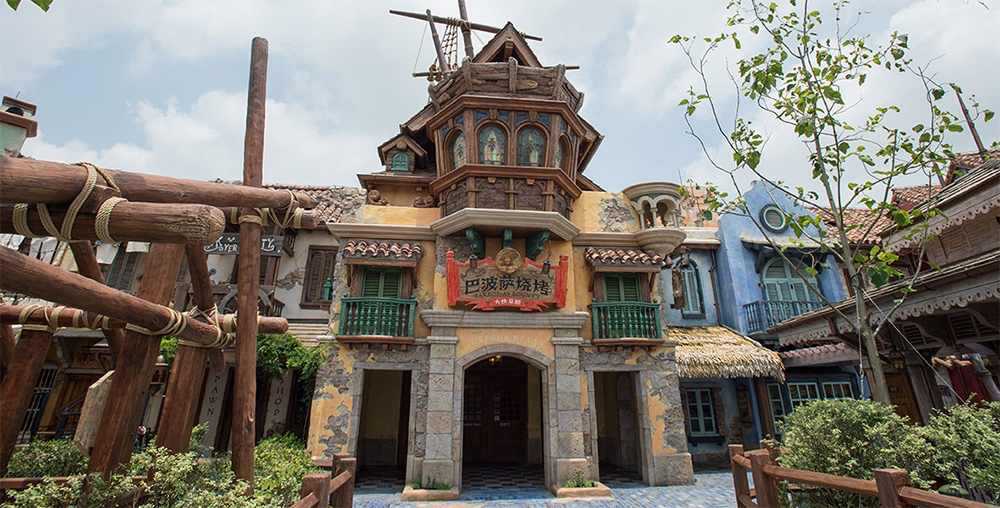
Barbossa's Bounty at Shanghai Disneyland is one of the park's largest and most elaborately themed restaurants. Often compared to Disneyland's Blue Bayou, its waterfront dining area offers direct views of boats passing through Pirates of the Caribbean: Battle for the Sunken Treasure, yet accounts for only about 25% of the restaurant's enormous seating area.
The remaining space consists of sprawling, ramshackle pirate-themed dining rooms resembling Caribbean grog shops and taverns. Its massive serving area includes an open demonstration kitchen where guests can watch chefs preparing barbecue and other specialties.
Interestingly, Shanghai Disneyland permits guests to bring their own food into the park, subject to certain restrictions, although this is not a special policy of Barbossa's Bounty. And if it's on the menu, try the Grilled Squid!
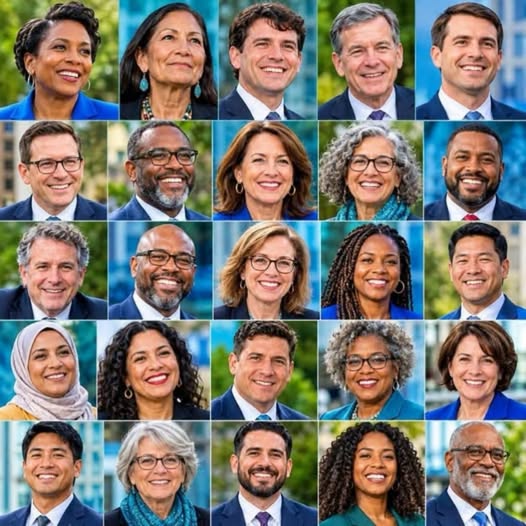
One of the more striking aspects of this election is the repudiation of Trump's efforts to whitewash everything. They ended DEI and focused on placing white men in power. Democrats responded by electing the most diverse slate of candidates this country has ever seen. Really impressive, and more in line with what this country actually looks like.
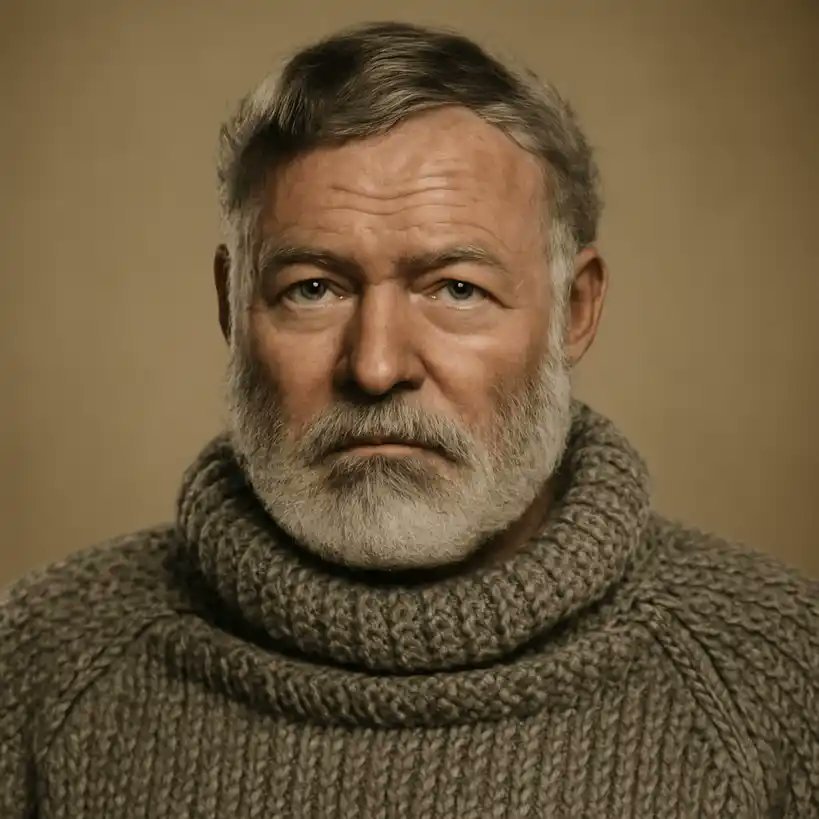
In December 1960 the most famous writer in the world was checked into the Mayo Clinic under his own doctor's name, officially for his blood pressure, and given up to fifteen rounds of electric shock to the brain, and when he came out he could no longer write a sentence, and six months later he was dead.
Ernest Hemingway was 61. He had the Nobel Prize, the Pulitzer, the houses in Cuba and Idaho, and a head that had been battered more times than anyone could count. He had been blown up by a mortar in Italy in 1918, split his skull open in a London car crash in 1944, been thrown from a motorcycle by a shell in France the same year, and walked away from two plane crashes in Africa on consecutive days in 1954, the second leaving fluid leaking from his skull. He drank enormously. By 1960 he was paranoid, convinced the FBI was following him, unable to finish the Paris memoir he had nearly completed.
The Mayo psychiatrist, Howard Rome, treated it as depression and gave him the treatment of the day. Electroconvulsive therapy was the modern answer in 1960, quicker than analysis and tidier than the lobotomy it had replaced. Hemingway went home to Ketchum in January.
He was worse. Asked to write a single line for a presentation volume for the new President Kennedy, he sat at his desk for a week, could not do it, and wept that it just won't come anymore. In April his wife Mary found him in a state that terrified her, and he was flown back to Rochester for another course of shocks.
At the Mayo he told his friend A.E. Hotchner what the treatment had done. His memory was his capital, he said, the thing his whole trade was built on, and they had wiped it and put him out of business. "It was a brilliant cure but we lost the patient."
The clinic discharged him at the end of June as improved. On the morning of 2 July 1961, at home in Ketchum, he took his own life.
The psychiatrist who has studied his head injuries most closely, Andrew Farah, argues that the man in Rome's office was not simply depressed but living in a brain wrecked by a lifetime of concussions and drink, and that electricity was the last thing it needed. The FBI files released in the 1980s showed he really had been watched for years, which is a hard way to learn that a patient's paranoia was partly a report.
None of that got a hearing in 1960. The diagnosis was in the textbook, the treatment was in the textbook, and the patient's complaint that it was taking his mind was in the textbook too, listed as a side effect, expected and temporary.
They treated the most observant man in American letters for being wrong about what he was seeing, and the last thing he saw clearly was what they had done to him.
O discurso de James Talarico, político ligado ao Partido Democrata e recém-eleito Senador pelo Estado do Texas, que está repercutindo no mundo todo:
"Pessoas trans são 1% da população. Os muçulmanos são 1% da população. Os imigrantes ilegais são 1% da população. Nós estamos focados no 1% errado.
Pessoas trans não estão afetando o nosso sistema de saúde. Os muçulmanos não estão retirando o financiamento das nossas escolas. Imigrantes não estão cortando impostos para si mesmos e seus amigos ricos.
São os bilionários e seus políticos fantoches. As guerras culturais são uma cortina de fumaça. Tantas das divisões neste Estado e neste País são fabricadas por bilionários que nos querem lutando entre si ao invés de lutando contra eles."