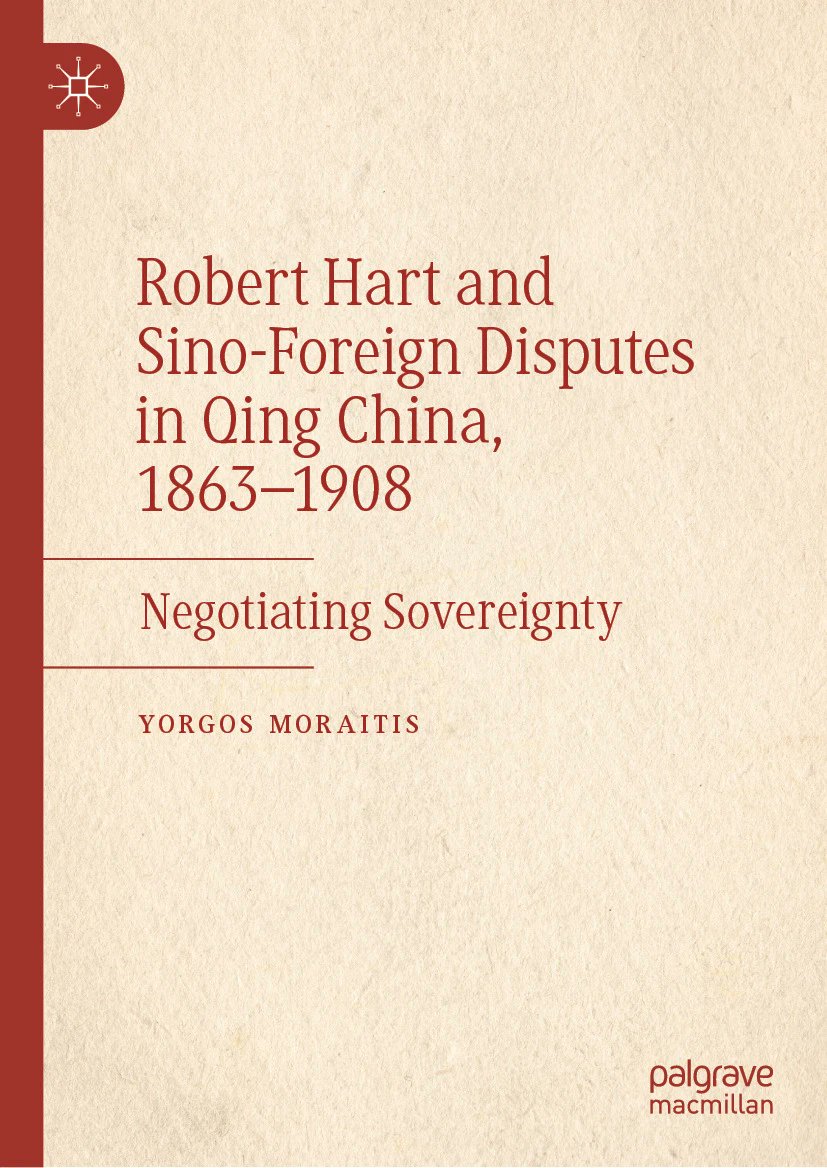
My book "Robert Hart and Sino-Foreign Disputes in Qing China, 1863-1908: Negotiating Sovereignty" has officially been published!
Link: https://t.co/nzUVnGiJWP
Are we gonna get a headline next year about how Chicago ended up paying a billion to Anthropic and so have to shut down all their humanities departments?
My advice for students starting a PhD in history this fall: Learn another language. You will never be as free of obligations as in these early years. Programs & funding are being cut; the opportunity might never present itself again. You never know how it may change your career.
One of its most magnificent funeral processions as Li Hongzhang’s coffin left the capital to be transported back to Hefei for burial, Spring 1903.
Li Hongzhang (1823–1901), the towering Qing statesman, diplomat, and Self-Strengthening Movement leader who modernized China’s military, navy, and industry while navigating crises with Western powers, died in Beijing on November 7, 1901 after exhausting Boxer Protocol negotiations.
The imperial funeral was granted grand honors: Prince Gong presided over rites, the court awarded him the title of Grand Tutor and First Class Marquis Suyi, plus 5,000 taels of silver. Thousands of mourners, officials, soldiers, and banners filled the streets in a solemn, mile-long spectacle reflecting his unmatched service to the dynasty.
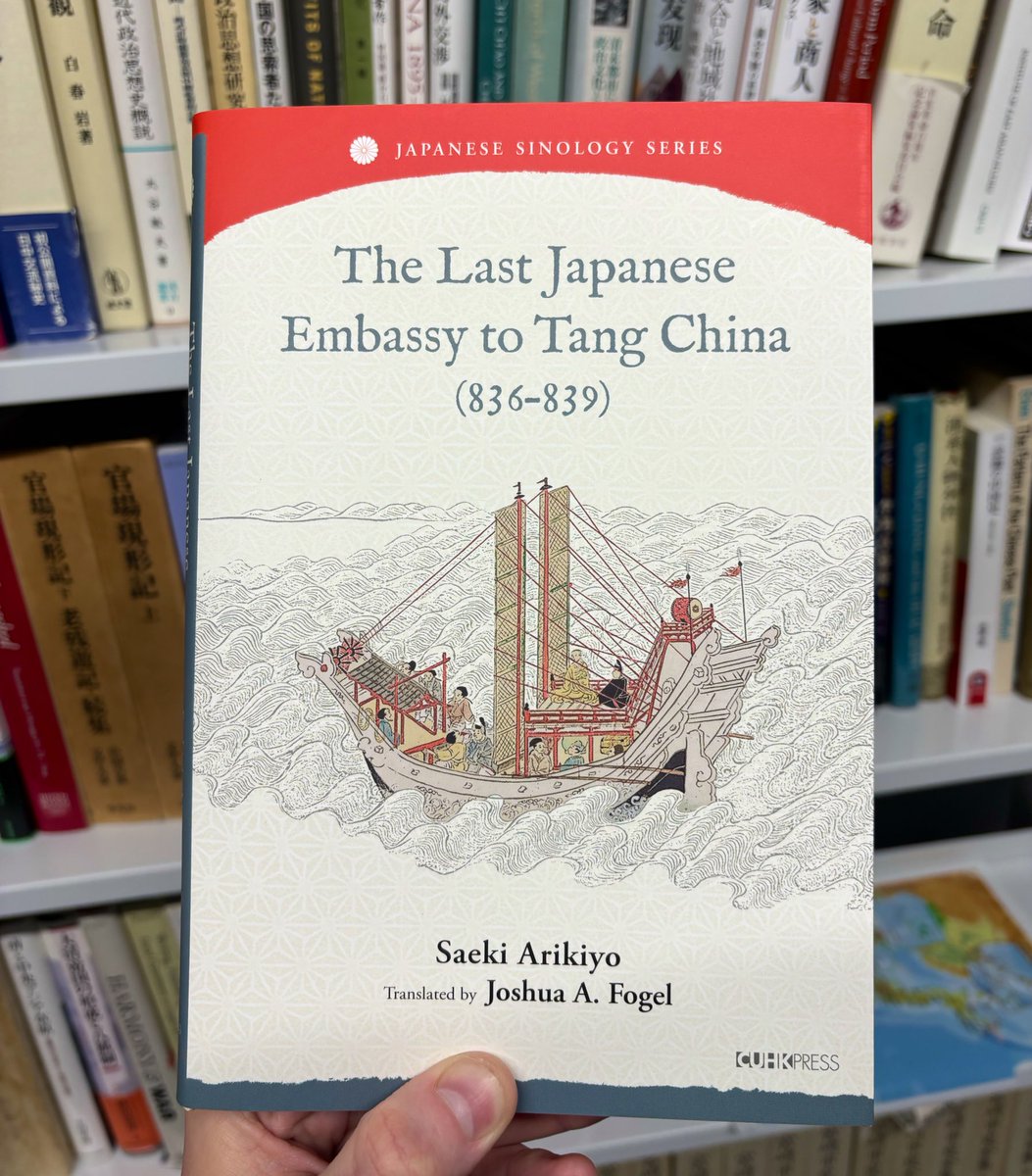
Now available: Saeki Arikiyo’s 佐伯有清 The Last Japanese Embassy to Tang China (836-839), the second title in our Japanese Sinology series with @CUHKPress. The translation was handled by the ever industrious Josh Fogel, my series co-editor.
https://t.co/xetJ2AbDMk
Out today! In this volume, Kristin Stapleton, Els van Dongen, and I share one simple goal: to invite leading scholars in the field to explain why history matters so deeply for understanding present-day China. 😊
https://t.co/qNfVhZvRo4
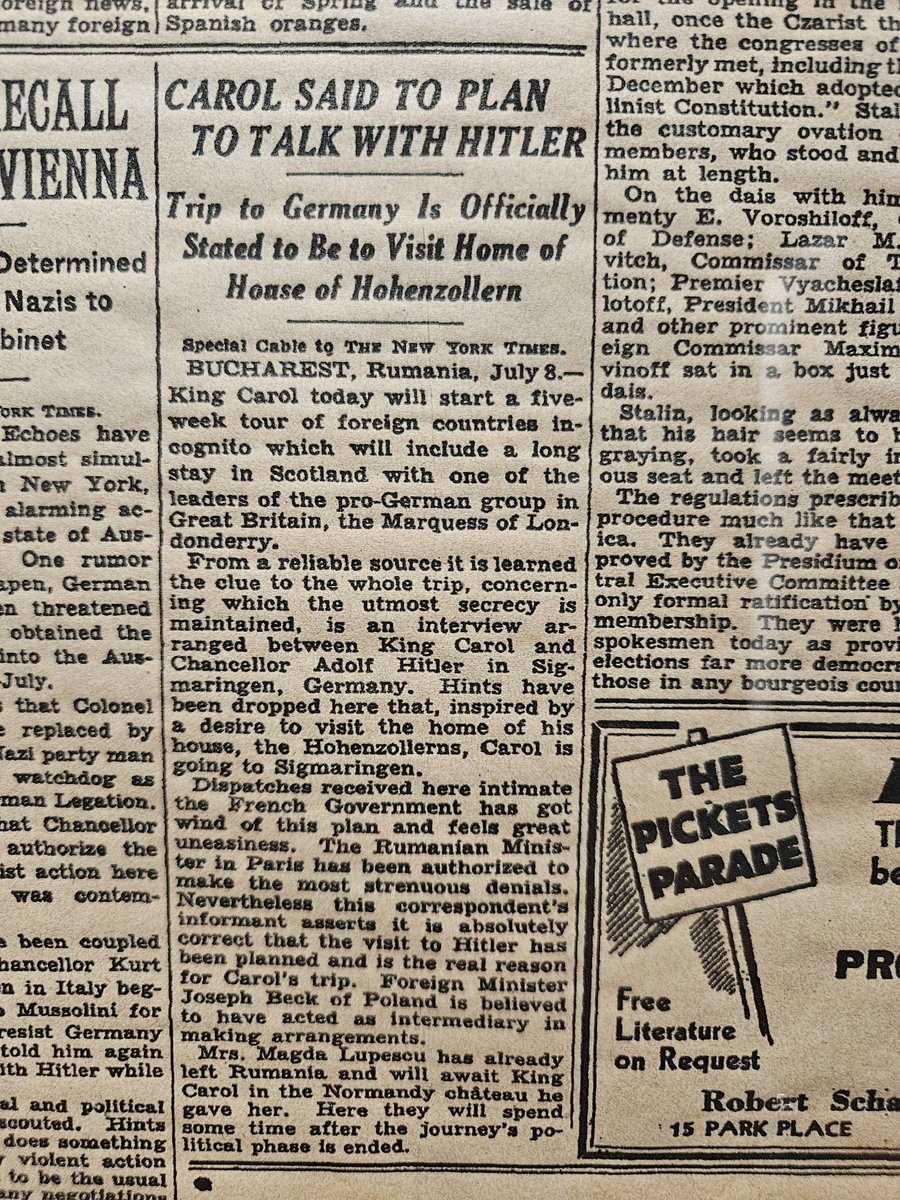
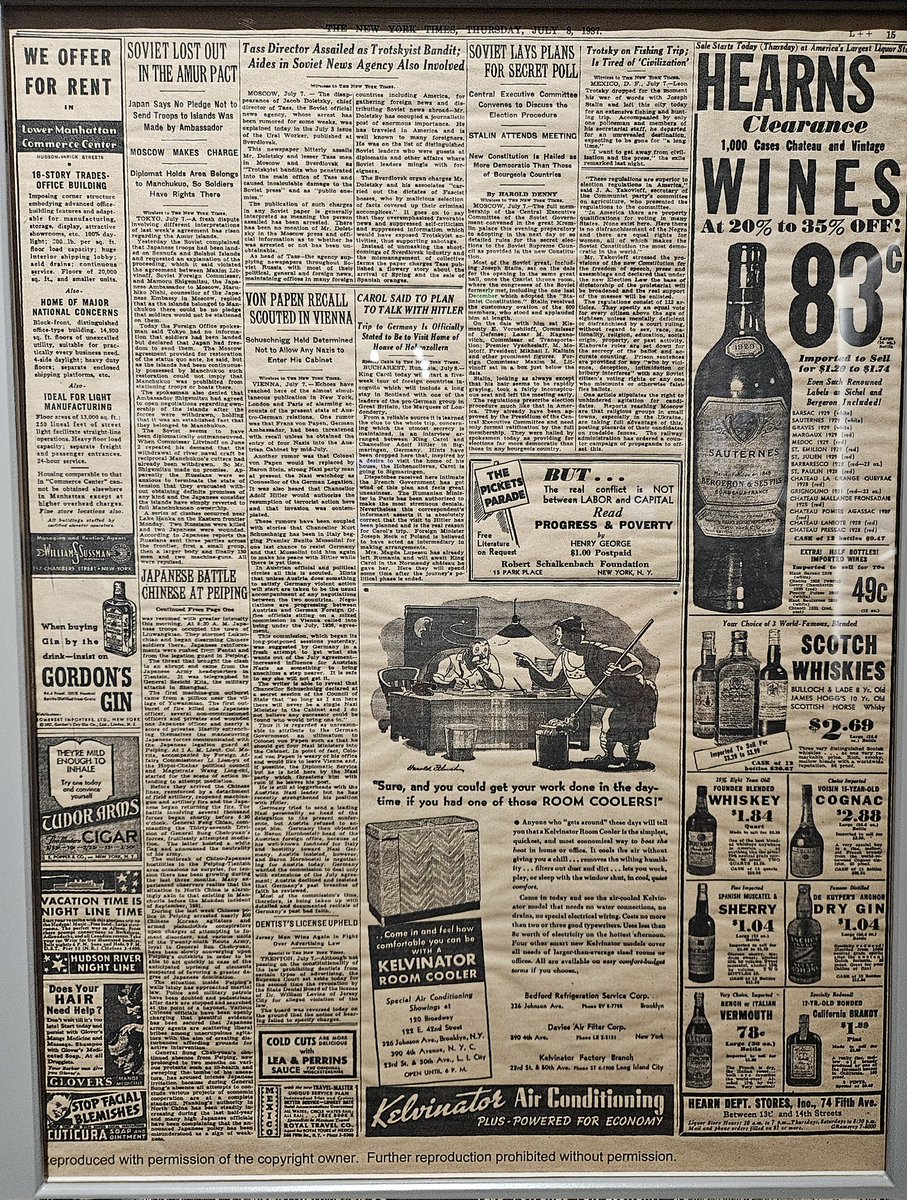
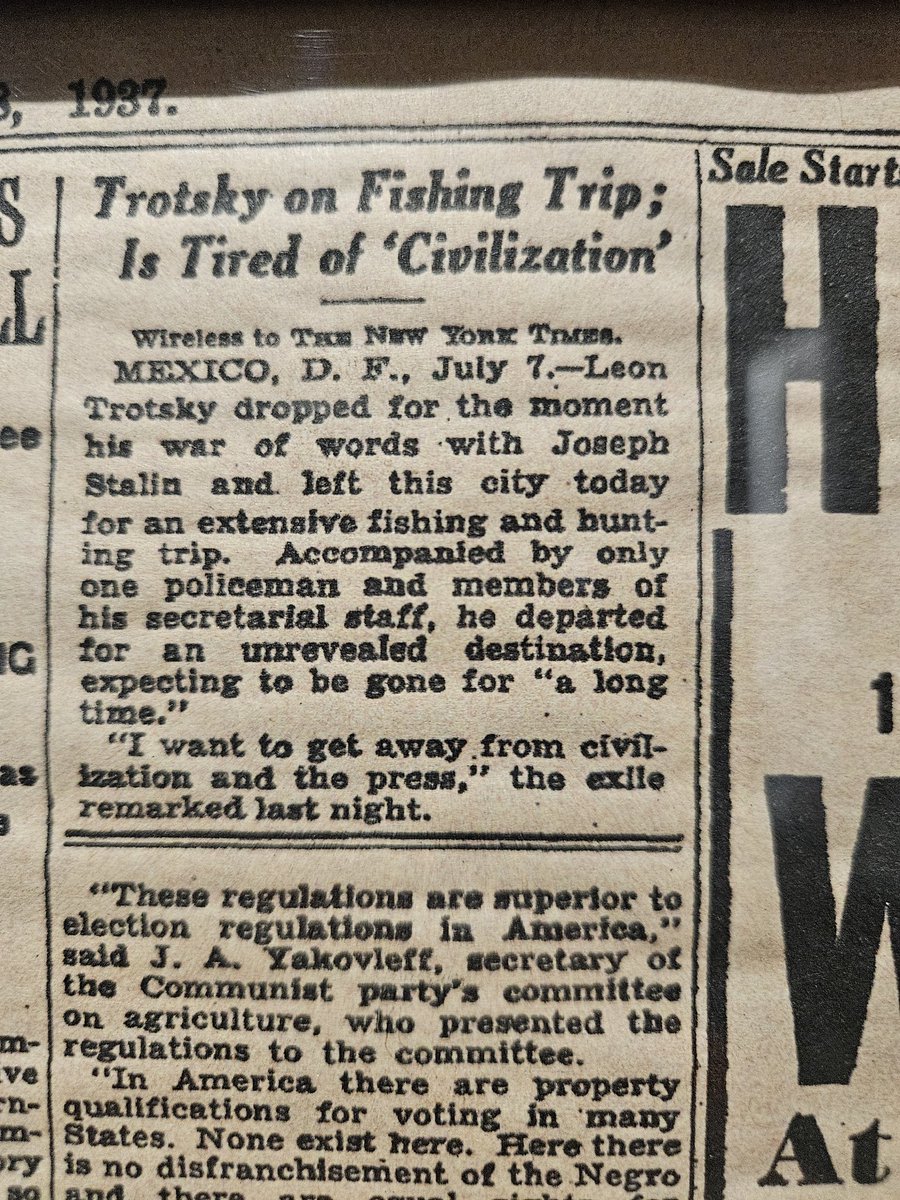
It's July 8, 1937, and during your morning coffee you've hit page 15 of The New York Times: you read that King Carol plans a visit with Hitler, that the head of TASS (the Soviet news agency) disappeared after being called a “Trotskyist bandit,” that there's been a battle between Japanese and Chinese soldiers in Beijing (it would turn out to be the start of the full-fledged Japanese war of aggression in China), and that Trotsky went fishing, cuz he's "tired of civilization." On the bright side, Scotch whiskies on sale for just $2.69 on 74 Fifth Avenue.
Recently, we have been working on the Greek translation of Prof. Bickers' book The Scramble for China, a work that covers a period of Chinese history largely unfamiliar to most Greek readers, yet one that explains China’s modern relations with the West.
Prof. Bickers was kind enough to invite me to contribute an article to his blog, sharing reflections on my book about Hart. To see my words featured alongside those of the many esteemed scholars he has invited to write for his blog is truly an honor.
https://t.co/jfBgVnN02x
This is a great chance to revisit the collection. I drew on it in my book, including Swire’s advice: "As a rule, it's a mistake to take a high hand in disputes with those having authority-you set their back up, n mak'em obstinate in their opinion. Never bark unless you can bite!"
This year we are celebrating 50 years of the archives of John Swire & Sons being at SOAS. We will be posting about 50 key events and challenges in the history of the firm and will launch an online exhibition later this year #JSSArchives50 🧵
My book "Robert Hart and Sino-Foreign Disputes in Qing China, 1863-1908: Negotiating Sovereignty" has officially been published!
Link: https://t.co/nzUVnGiJWP