While total area loss is still dominated by gradual sea level rise, the acceleration of this loss is actually driven by extreme weather. Check out the our full paper in Nature Communications: https://t.co/xidLnCSt4i
A new study from researchers in the @GERSLab in the Department of Natural Resources and the Environment found that tidal wetland areas have been shrinking globally and the loss is accelerating in the U.S., driven by extreme weather events.
https://t.co/UXQg6eDnMm
This researcher created a fictional illness, and fake studies funded by the Professor Sideshow Bob Foundation and University of the Fellowship of the Ring and the Galactic Triad.
LLMs warned people the illness was real.
https://t.co/3sFc9cTD6J
New GERS Laboratory study shows that global artificial nighttime light is getting more volatile based on daily Black Marble data. You can check our paper here: https://t.co/1LltSSsbwL
NASA has also made some nice videos to visualize our results here: https://t.co/KdvJrN5Wwf
Can image fusion really improve downstream tasks? Yes! Better fusion yields better applications.
Our #RSE paper introduces RASSFM 2.0, an enhanced MS-to-MS fusion model newly defined as M2Msharpening, that delivers advanced 3-m land cover classification.
https://t.co/QVRQYqa7uK
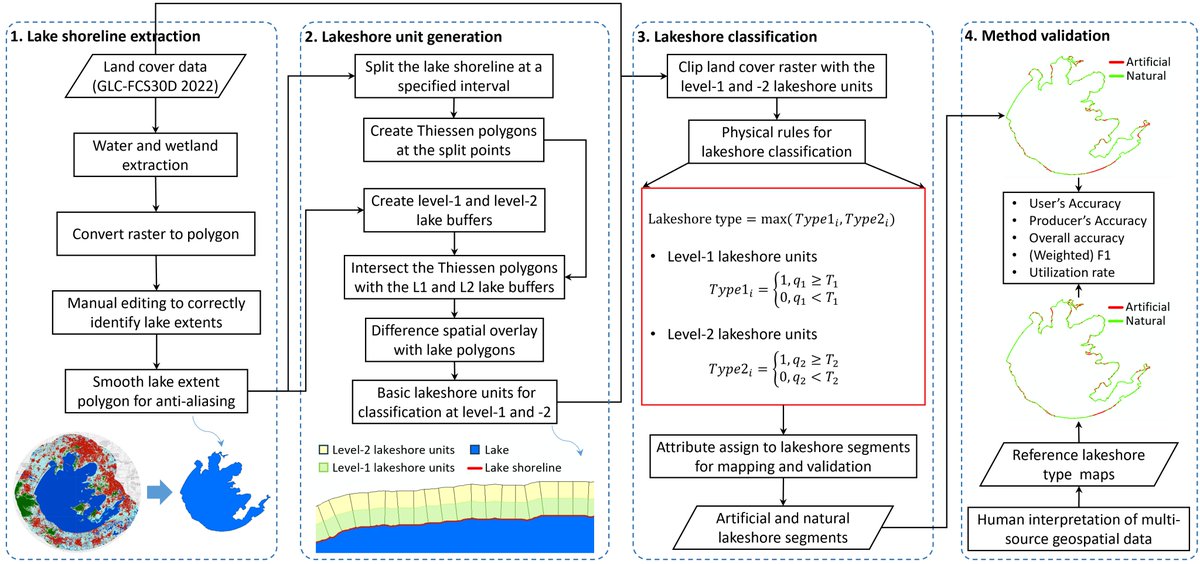
Lakeshores support critical ecological and socioeconomic functions. How can we efficiently identify artificial vs. natural lakeshores and assess their utilization at large scales? RoLaSTIM answers, enabling consistent and scalable lakeshore monitoring.
https://t.co/1HEggiVlLV
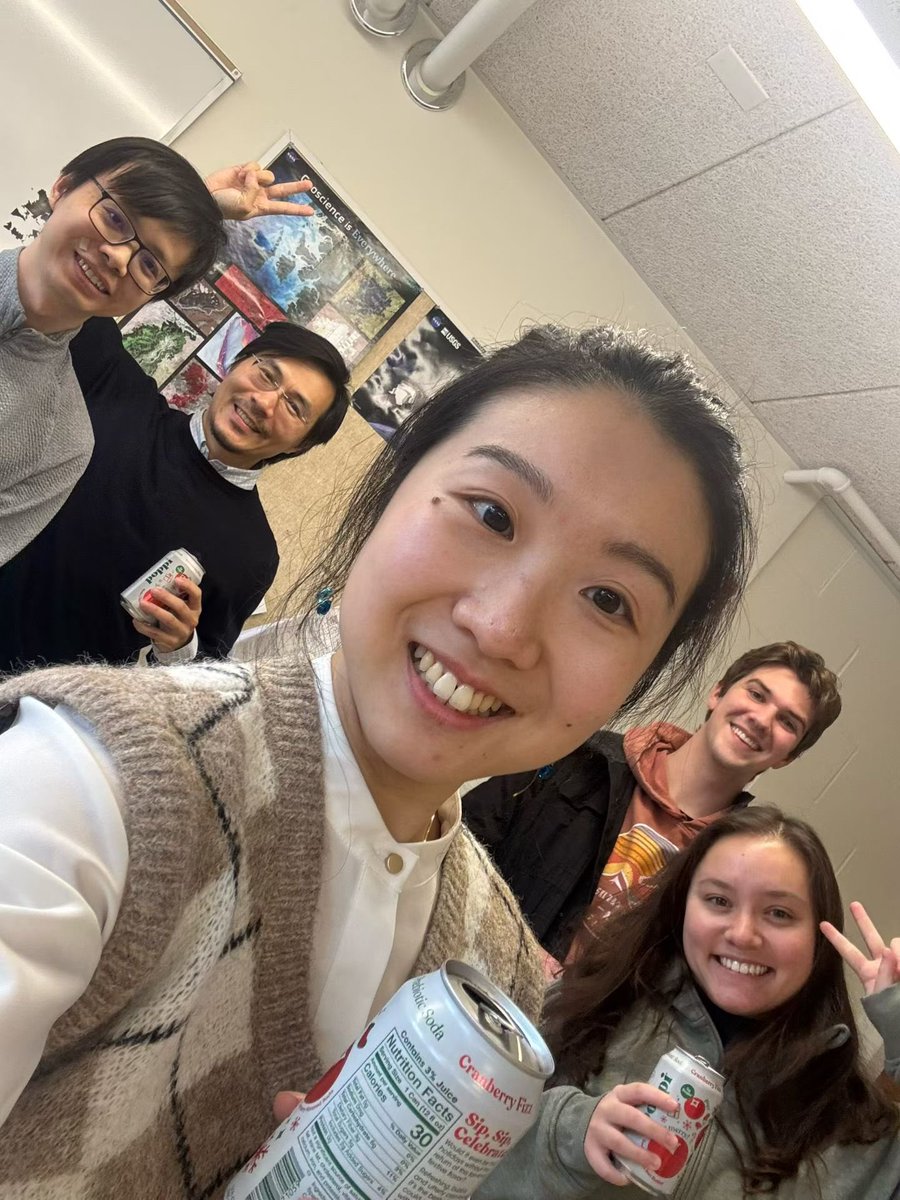
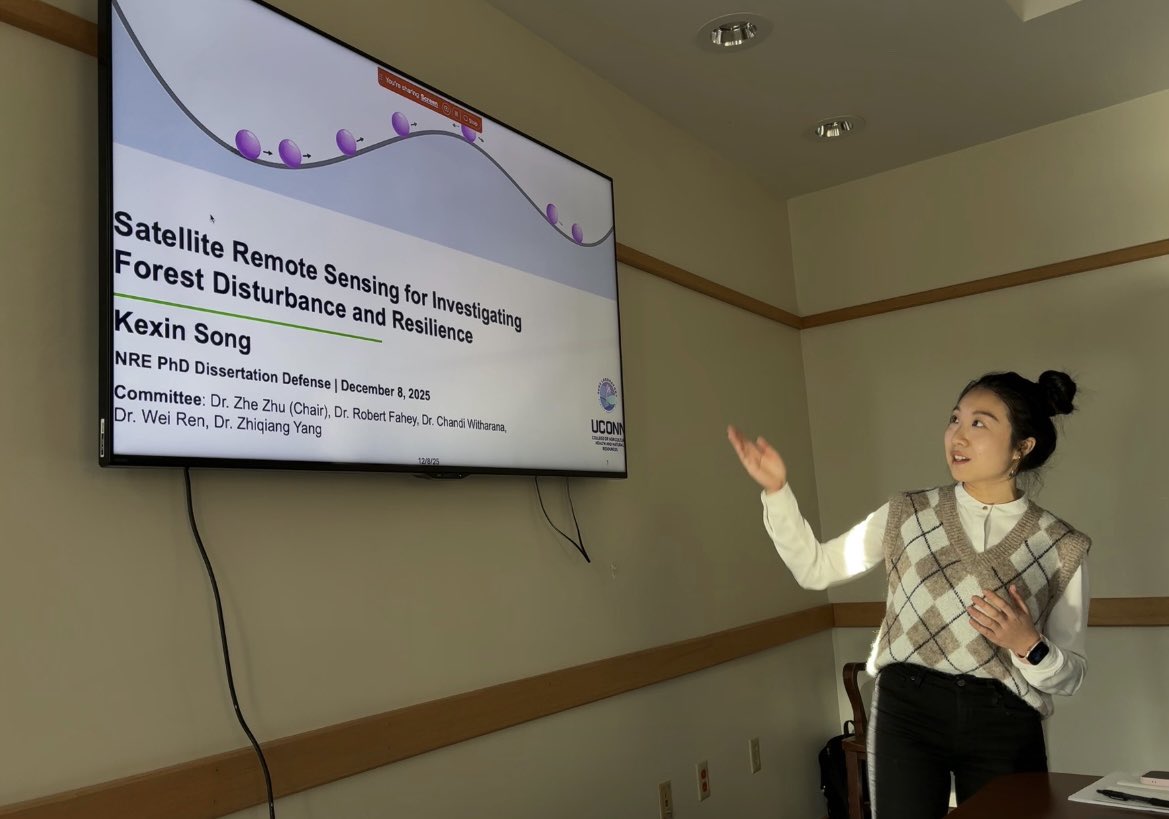
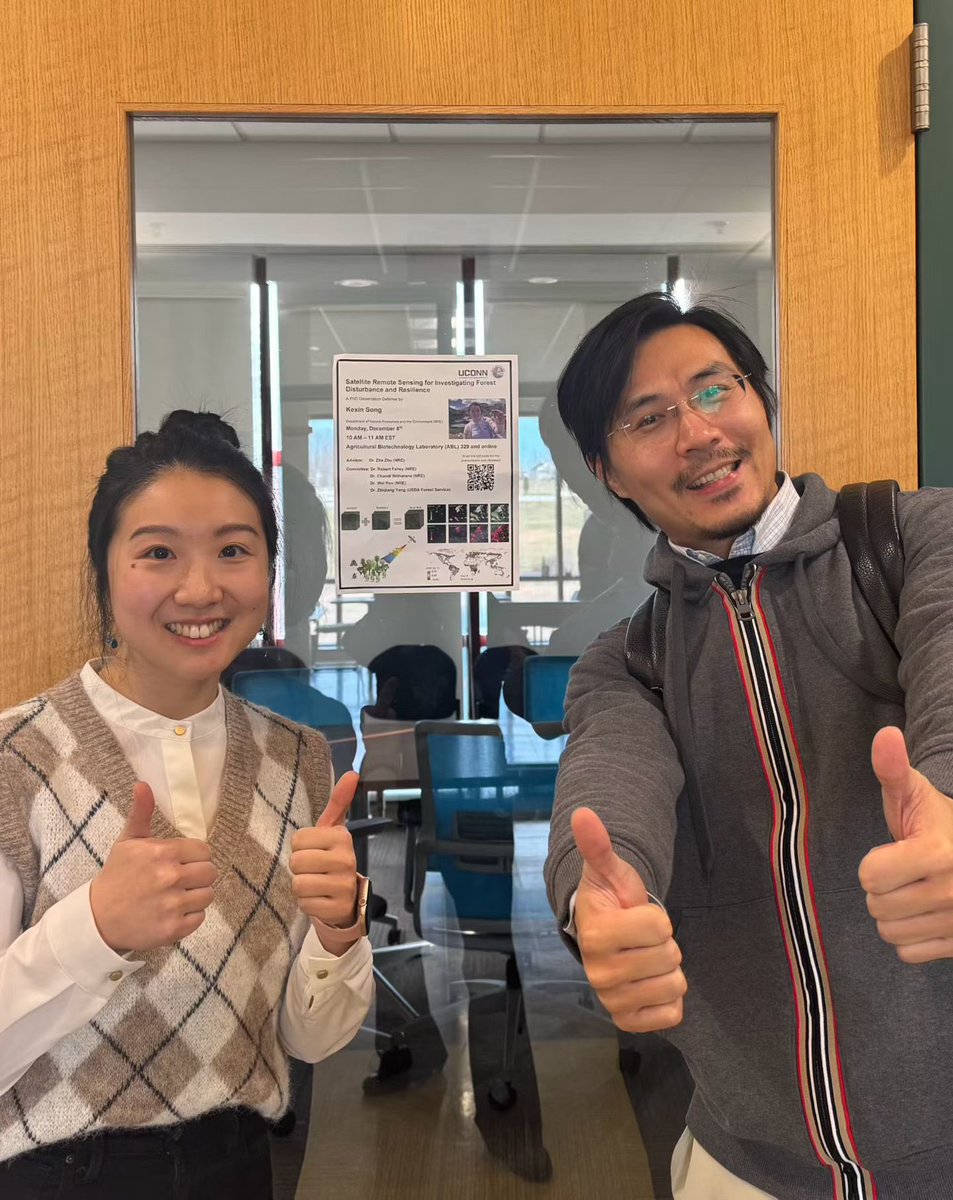
Third PHD from GERS Laboratory! Congratulations Dr. Kexin Song. We are very fortunate to have you in the past five years and looking forward to your next chapter at Yale.
To Apply
Please submit the following materials as a single PDF file to Dr. Zhe Zhu at: [email protected], in include (i) Cover Letter describing your research interests, qualifications and why you are interested. (ii) CV, and (iii) Contact Information for three references.
A new postdoctoral researcher position available in Remote Sensing & Global Environmental Change, at Global Environmental Remote Sensing (GERS) Laboratory
Start Date: Flexible and the earliest date is Feb. 1st (Review begins in Dec. 20th)
Salary Range: $62,232~$70,344
I am thrilled to announce the release of the python package "pyxccd" for latest CCDC algorithm (COLD) and its state-space form (S-CCD), supporting CCDC-like analysis for any band combination and any sensor. @GERSLab
$pip install pyxccd
Tutorial: https://t.co/hUw4ifHnb8
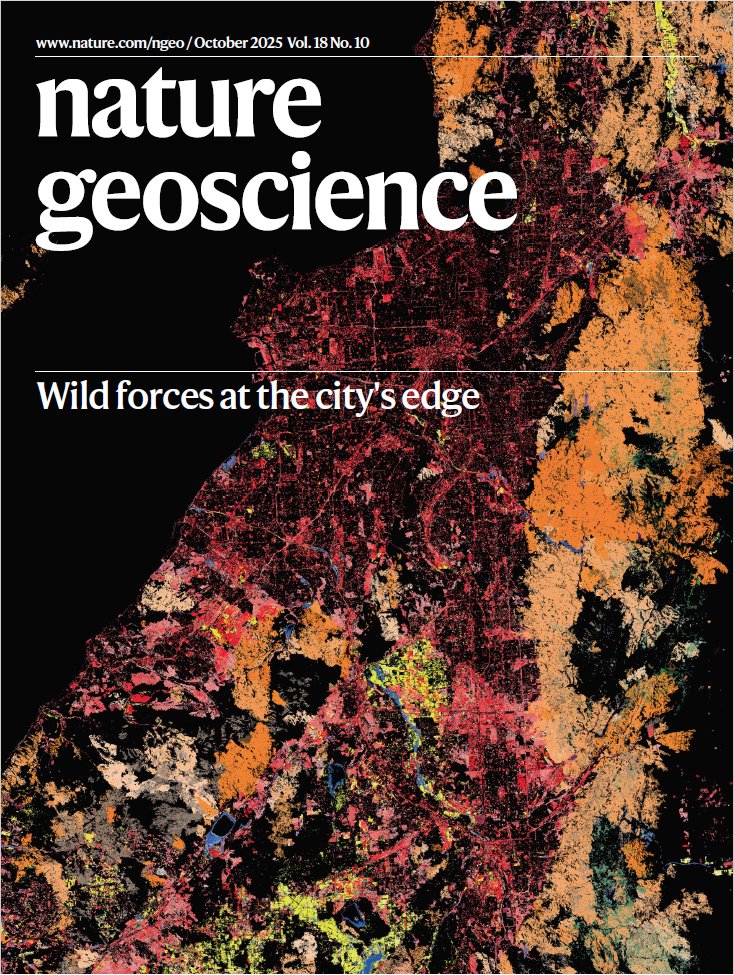
October issue out now: including content on soil nitrogen loss from thawing permafrost, oceanic plate delamination, land disturbances in the USA, and more!
https://t.co/8odRJf6TdV
Our US disturbance paper has been selected as the featured cover paper for Volume 18, Issue 10, October 2025 (https://t.co/jWWYhqmpVx), by Nature Geoscience. We have seen many photo or satellite image-based covers, but using remotely sensed thematic maps is rare.
I'm thrilled to share that my first RSE paper, the Time-series Image Fusion (TIF) algorithm is published online!
🔗 Read the [paper]: https://t.co/pus4mNUtJb
💻 Explore the [code]: https://t.co/FlcZp2Zaz3
More on threads..
This piece provides a lot of background information on how this work was started and the major challenge we have gone through (temporal consistency!), as well as the vital support from the USGS-NASA Landsat Science Team. @Shi60604194
Article: Direct human impact on land disturbances in the US is declining, while less controllable undirected wild disturbances are increasing
@Shi60604194@GERSLab
https://t.co/E1DiGIr2oX
A 40-year satellite study led by UConn @GERSLab director Zhe Zhu of the Department of Natural Resources & the Environment reveals disturbances from logging and construction are waning, but events like mega-fires and extreme storms are becoming more common
https://t.co/QG3QYZlnQu
Our new @NatureGeosci study, led by @Shi60604194, reveals a major shift in what's reshaping the USA.
After analyzing 35 years of satellite data, we found that while human-led disturbances are declining, "wild" forces are surging. Check our paper 👇
https://t.co/5iLoO8Zr4K
Finally, the second version of Comprehensive Remote Sesing book series is done. If you are teaching remote sensing image processing or are interested in this topic, you can read the second volume edited by me, in which we provided lots of classical and new techniques.
The next Landsat vs Landsat Next. The Landsat Science Team’s perspective is all in this preprint. “The next Landsat: Mission turning point?” https://t.co/O8S4R6cFj6








![kexinsong_'s tweet photo. I'm thrilled to share that my first RSE paper, the Time-series Image Fusion (TIF) algorithm is published online!
🔗 Read the [paper]: https://t.co/pus4mNUtJb
💻 Explore the [code]: https://t.co/FlcZp2Zaz3
More on threads.. https://t.co/qgnffCODaq](https://pbs.twimg.com/media/G2YoH6xWoAAdUVZ.jpg)


