@sungsgoogling @surflightroy, redefining the next generation digital #UI & #AI#UX with touch, gestures, voice, & vision using our organic information structure
Astronomers need to keep the following three points in mind while they discuss options for the 2020s and beyond: 1) "Recognize that size matters," 2) "Plan internationally," and 3) "Think long-term." In addition to the three points and key, astronomers and universities need 1/4
to be far-sighted, strategic and responsive. Science, not economics, must come first. And the outcomes must meet the needs of future researchers: today’s postdocs and PhD students, not just those sitting at National Academy tables. To quote Michelangelo, “The greater danger 2/4
for most of us lies not in setting our aim too high and falling short; but in setting our aim too low, and achieving our mark.” I would also include semiconductor manufacturers and services leading quantum technology research and development, citizen science and 3/4
Excited about ““Single Photon Visible Light Image Sensors for Science and Technology” based on #sensors startups <eg @EricRFossum @Gigajot> working on #imaging. Look forward to use cases as result of @ESO MUSE being adapted to clinical settings. HT @ATTRACTEU cc @UnistellarOptics
Getting closer to David Marr's dream of a singular vision science <https://t.co/CC0Y3ckj04,> HT @SCSatCMU@CMU_DietrichHSS@fordhampsych. Check out BOLD5000 @ https://t.co/Wlpm3cLMHr, datasets & study of human #vision to better reflect modern computer vision methods. #HCI#UX#UI
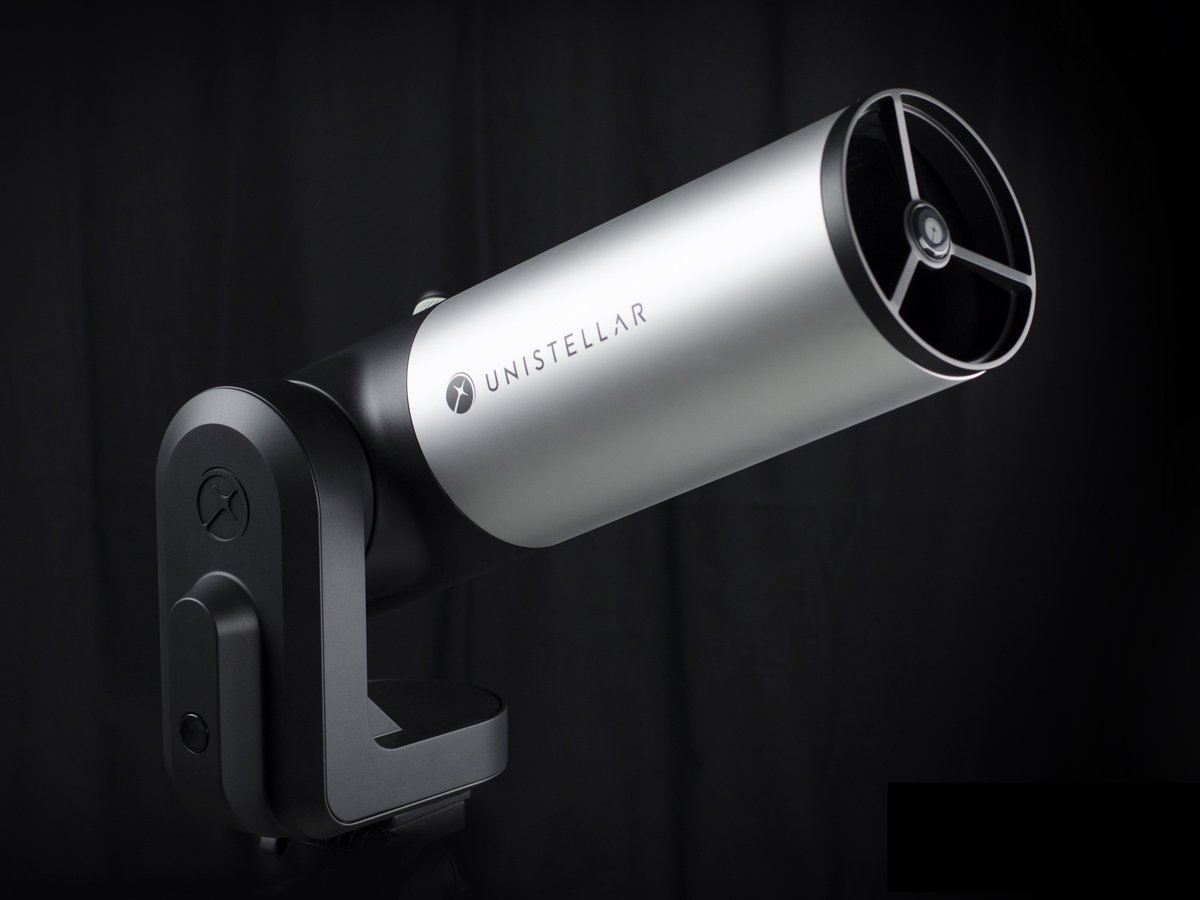
Easy to dismiss connected rigid & sturdy mount <high-quality polar-alignment; motors on both the right ascension & declination axes.> Quality of mount is related to quality assurance in manufacturing. See @UnistellarScope prototype mount in action. #Unistellar#citizenscience 2/3
At the same time, easy to overlook latency, the latency between @UnistellarScope beta mobile app and prototype connected rigid & sturdy mount is > 1 second &/ or 1 to 3 seconds even when operating in a crowded space with more than 4 wifi networks operating. See attached demo. 3/3
A real-time rendering system to visualize expansion microscopy/lattice light sheet datasets (https://t.co/YvOIJDe874), made by Toshiba Memory Corp & us. Credit: Y. Bando (Toshiba/MIT), K. Hiwada (Toshiba), @Ruixuan3, @ShohAsano, @rxist525, Y. Aso, E. Betzig, E. Boyden.
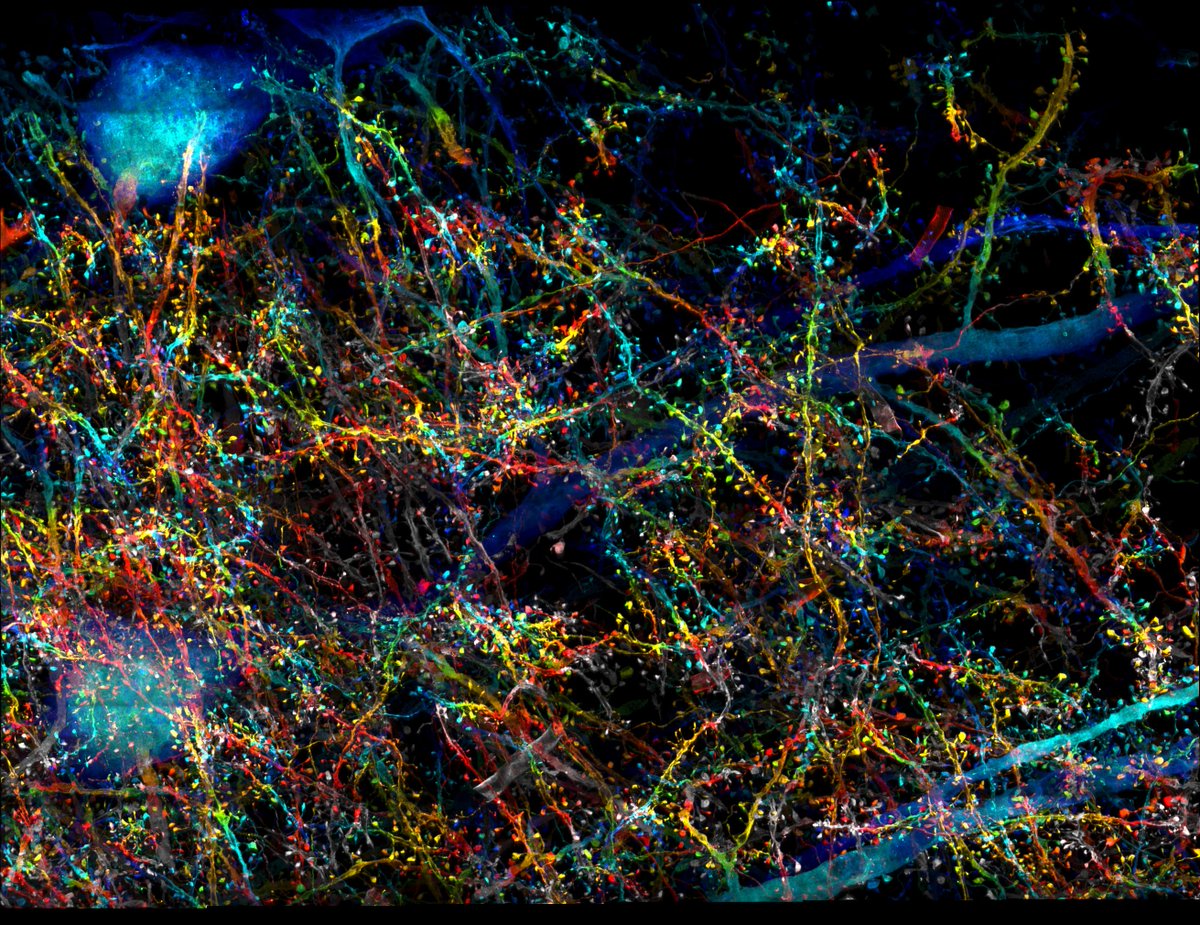
The teams also examined synapses across the layers of the mouse cortex. Here are dendritic spines in a small part of this dataset, with z-depth shown as a color code. 3/5
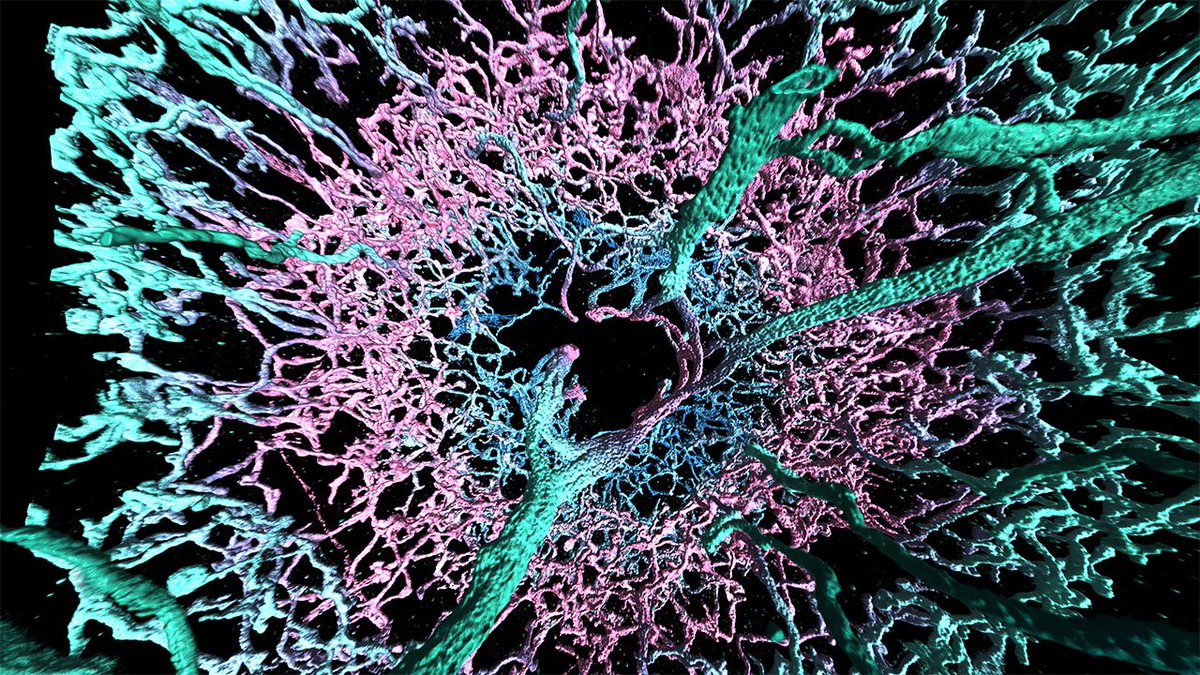
We also mapped, throughout the fly brain, dopaminergic neurons and synapses. Here is a 3-D micrograph, color coded by depth, of dopaminergic neurons that innervate or pass through the ellipsoidal body in the brain of a fruit fly, extracted from a data set of the whole brain. 4/5
Our friend, Karin Johansson, is investigating how Smartfins successfully engage surfers in citizen science for her Master’s degree The University of Exeter.
To get involved, check out Karin’s survey at https://t.co/er6SQUXaBt.
Poster design: @abii_birkett
As we are finishing industrial design, a new kind of popular astronomy is coming for good. Therefore, @UnistellarScope will be closing its crowdfunding campaign on December the 5th. To celebrate that step forward, we offer a special discount of -30%.
https://t.co/DnpnM2vJ9V