🪐 Orbtimus : Arbitrage Beyond Bots.
One Stock. Multiple Pools. Different Prices. One Public Engine. Tokenized stocks on Robinhood Chain trade across fragmented Uniswap V3 liquidity pools, creating price discrepancies traditionally captured by private arbitrage bots. Orbtimus changes that.
A permissionless flash arbitrage infrastructure designed to bring price convergence into public execution.
⚡ What Powers Orbtimus?
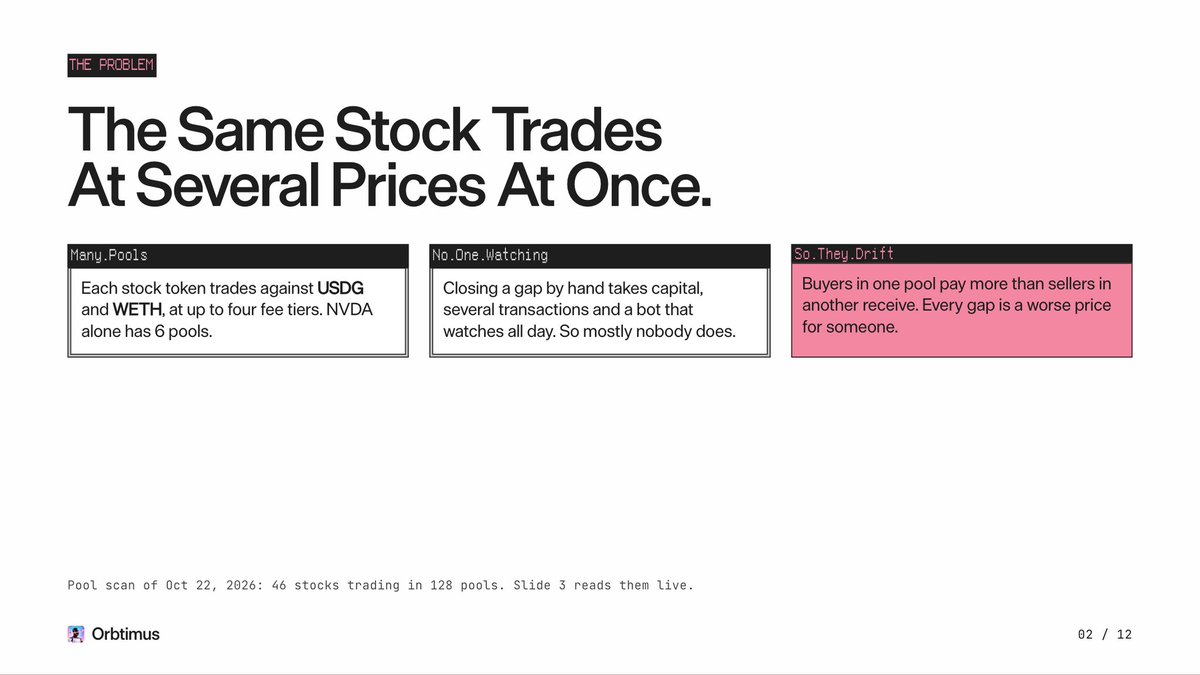
🔹 Onchain Scanner, Monitors 46 tokenized stocks across 128 identified liquidity pools.
🔹 Atomic Flash Arbitrage, Executes capital-efficient arbitrage within a single transaction.
🔹 Intelligent Routing, Optimizes execution across liquidity depth, fees, and price impact.
🔹 Public Price Oracle, Delivers depth-weighted consensus prices and TWAP references.
🔹 Permissionless Execution, Open to anyone, with 90% of realized arbitrage profits going to callers and 10% to the protocol treasury.
Turning fragmented liquidity into open financial infrastructure, where market efficiency isn't controlled by a handful of private bots.
The engine is live : $ORBTIMUS
0x2d628f7d09c3672bac3f99bae24d33c6e553f0bc
🌐 Every Stock, One Price. // https://t.co/XMVrKr2NlB
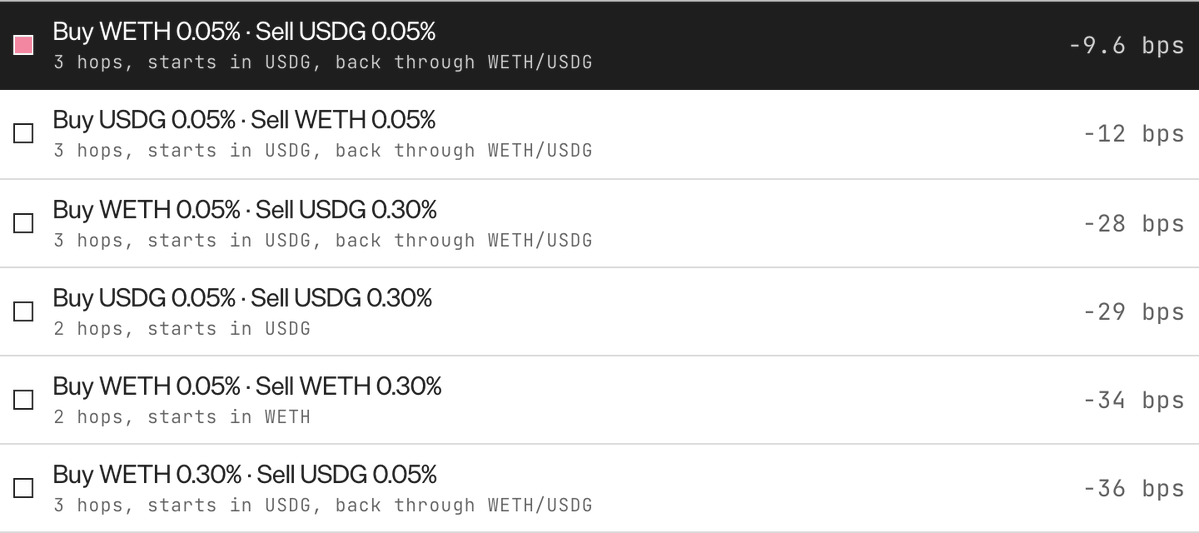
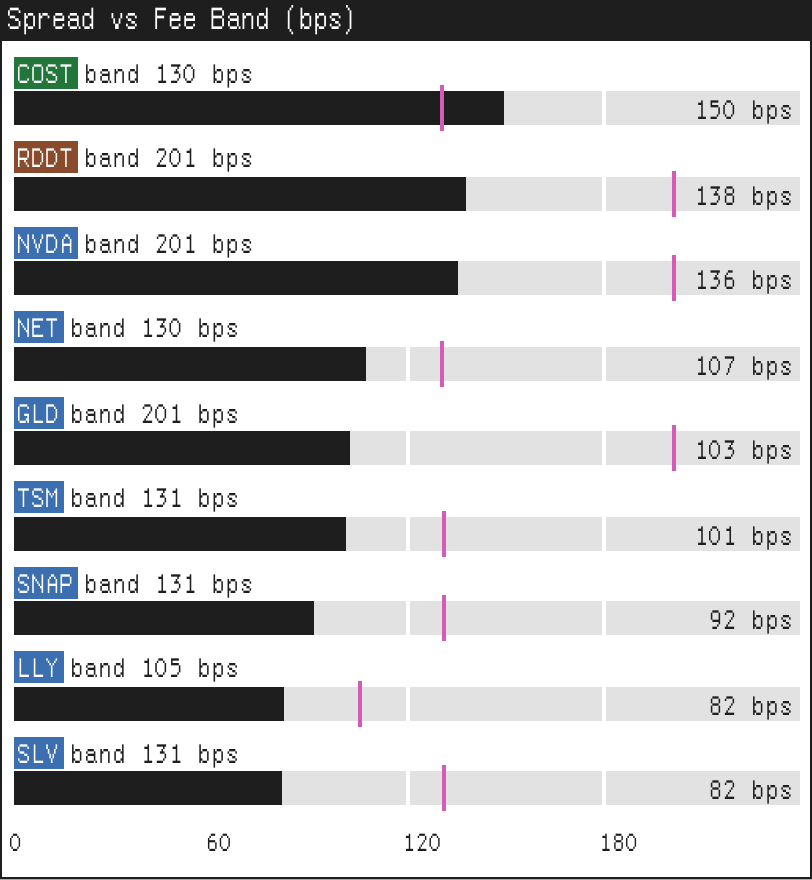
When we took this, every NVDA route sat inside its fee band. That is normal.
Gaps open in bursts: after big trades, ETH moves and new pools. Then they close fast.
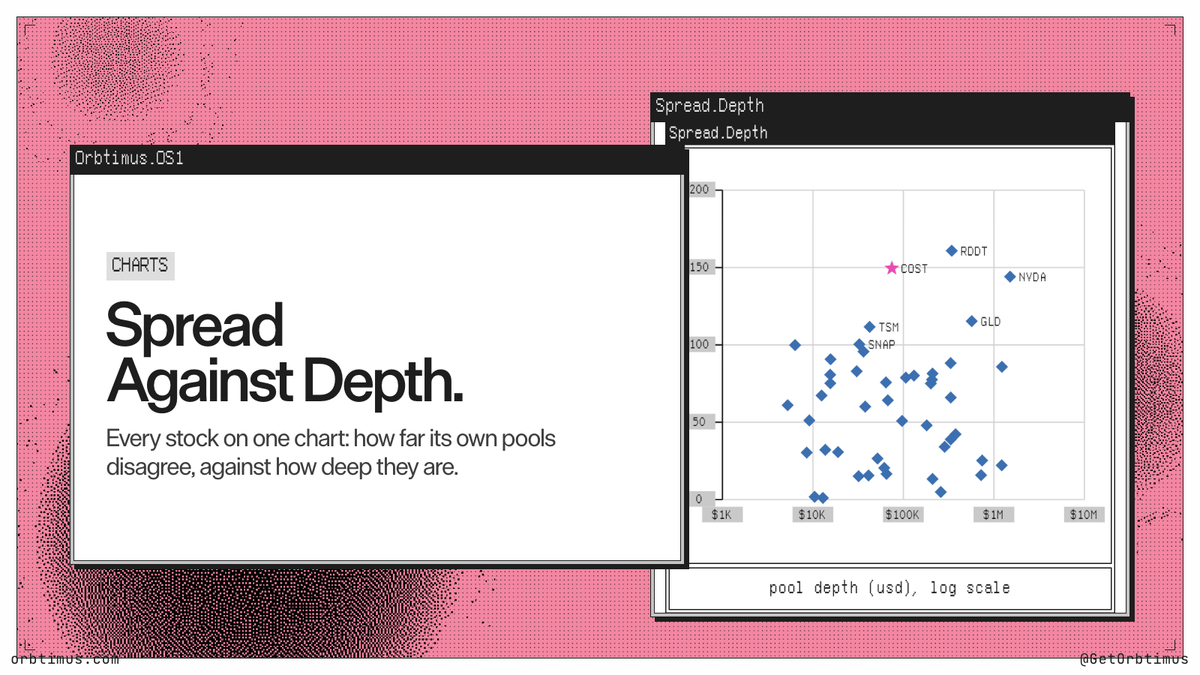
The same stock trades at several prices at once.
Each pool only moves when someone trades in it. So one share carries many prices, and a gap sits there until someone closes it.
Demo on a mainnet fork: the cycle landed, +$38.22 to a wallet that held zero tokens a minute before. One transaction.
On mainnet, gaps that wide are rare and close fast. The app tells you which way it is.
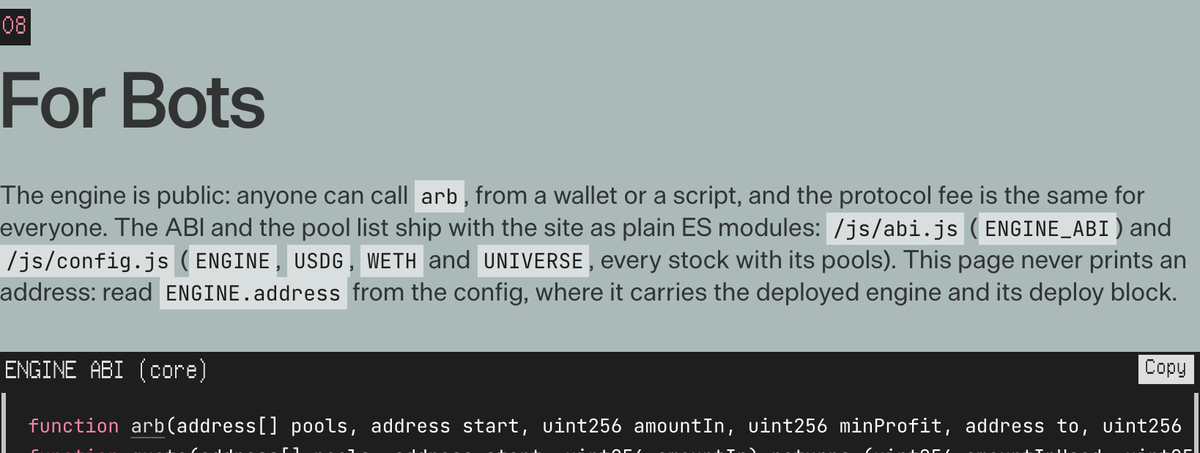
arb(pools, start, amountIn, minProfit, to, deadline)
One function. minProfit is what you must receive after the fee, so a cycle never lands below what you asked for.
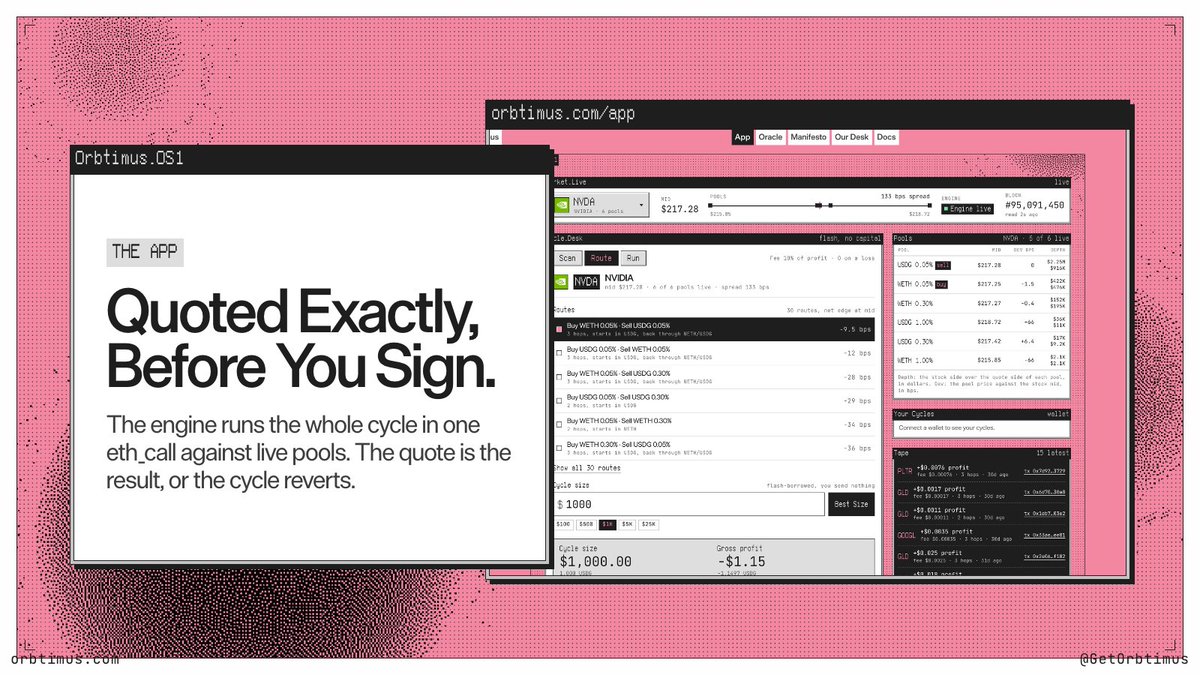
Pick a stock, see every route, hit Best Size.
When the gaps sit inside their fee bands, the app says so before you sign. When one breaks out, the button turns into Run Cycle.
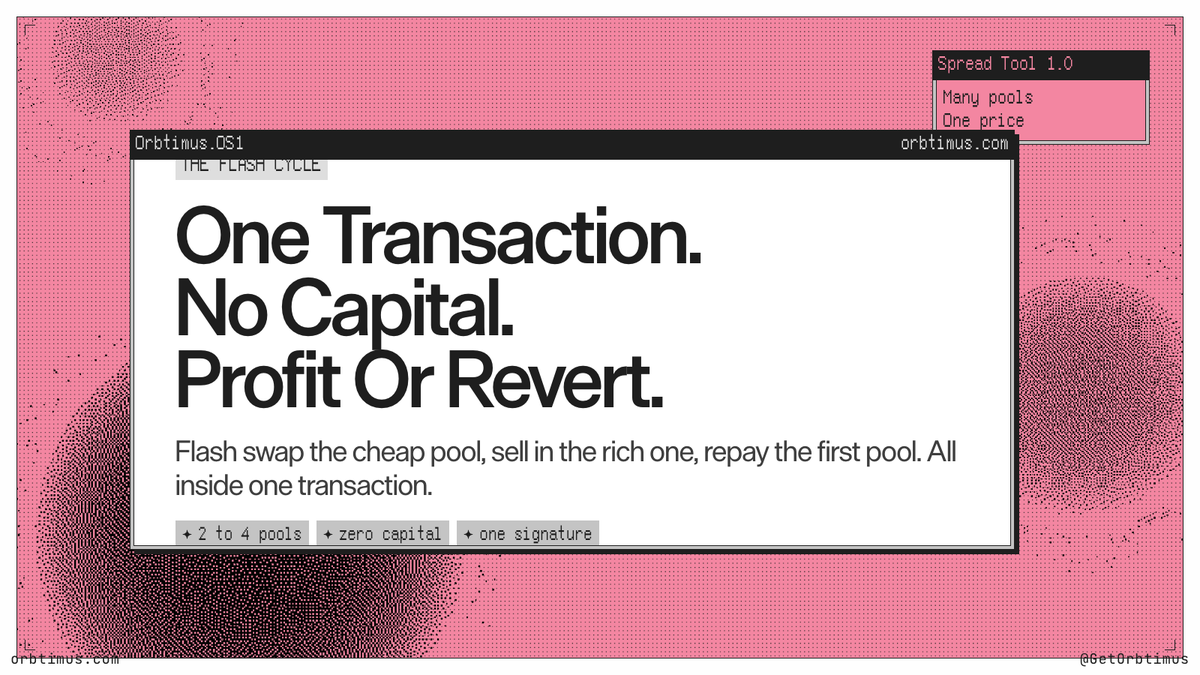
One transaction. No capital. Profit or revert.
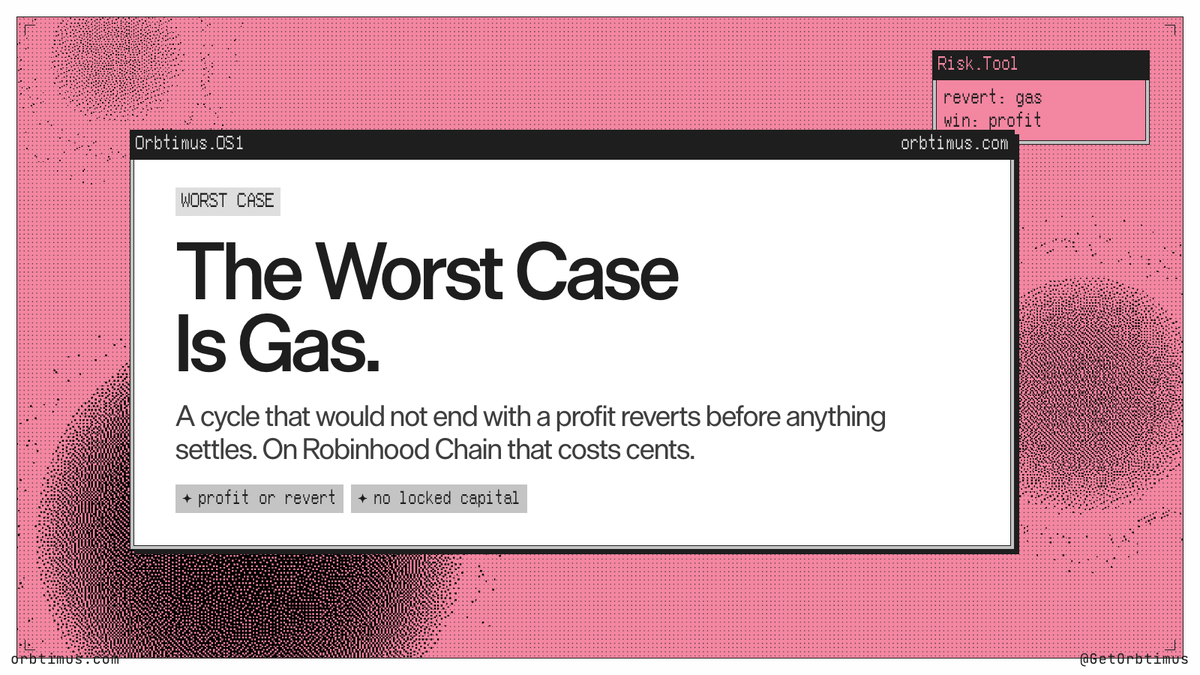
That is the whole deal. If a cycle would not end with more than it started with, it reverts, and the only cost is gas.
Best Size finds the size where profit peaks.
Bigger is not better. Every swap moves its pool, so profit rises with size, peaks, then falls, usually long before the gap is gone.
Only canonical Uniswap v3 pools. Only USDG, WETH and real Robinhood stock tokens, recognised by their code hash, not by their name.
A memecoin wearing a stock's ticker cannot get into a cycle.
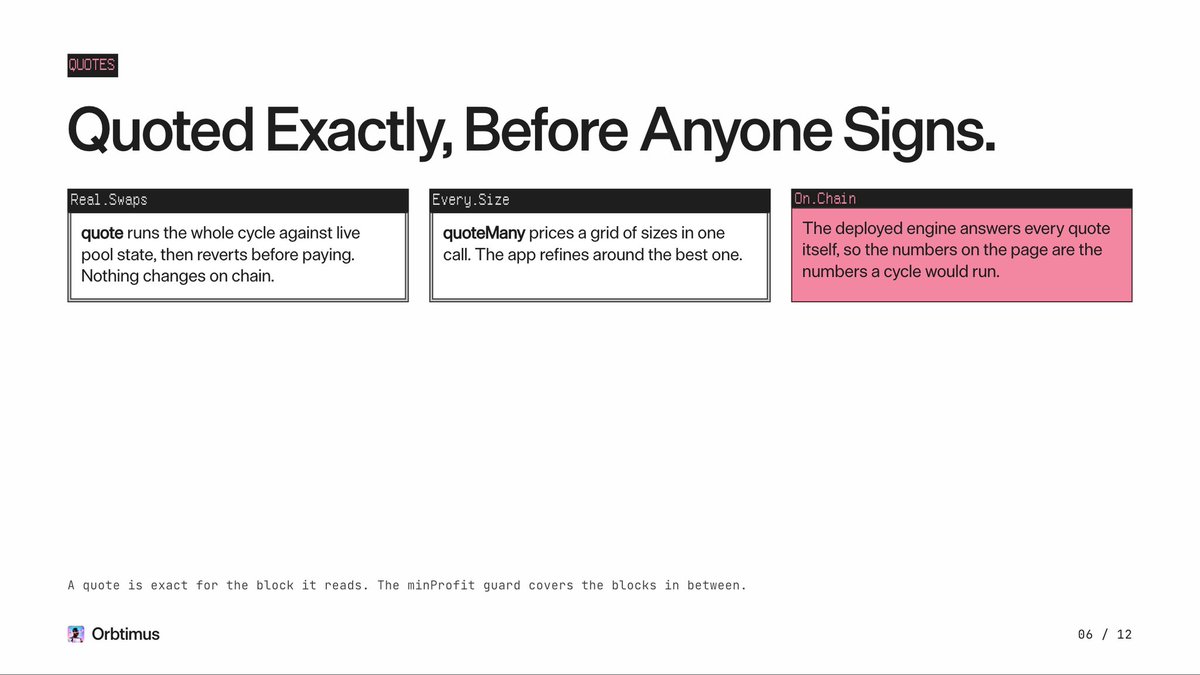
Quoted exactly, before you sign.
Orbtimus runs the whole cycle against live pools in one eth_call and shows you the result. The number you see is the number that lands, or the cycle reverts.
Flash arbitrage for Robinhood stock tokens.
You bring no capital. The cycle borrows from the first pool, sells in the second and repays the first before the transaction ends.
The worst case is gas.
If the market moves between your quote and your transaction, the engine checks again on chain. No profit, no trade. You never end up holding the stock.
When ETH moves, every WETH pool reprices in dollars at once while the USDG pools stand still. For a moment, every stock with both kinds of pool has a gap.
A cycle, start to finish, on a fork of Robinhood Chain mainnet:
One pool pushed out of line. A wallet holding zero tokens. Best Size, Run Cycle, one transaction. Profit to the caller, 10% to the protocol, the engine back to zero.
The price oracle for Robinhood stock tokens.
One consensus price per stock: the mid of its live pools, weighted by depth. Next to it, a 30 minute TWAP of the deepest pool, how far the pools sit apart, and how deep they are.
Open to every bot.
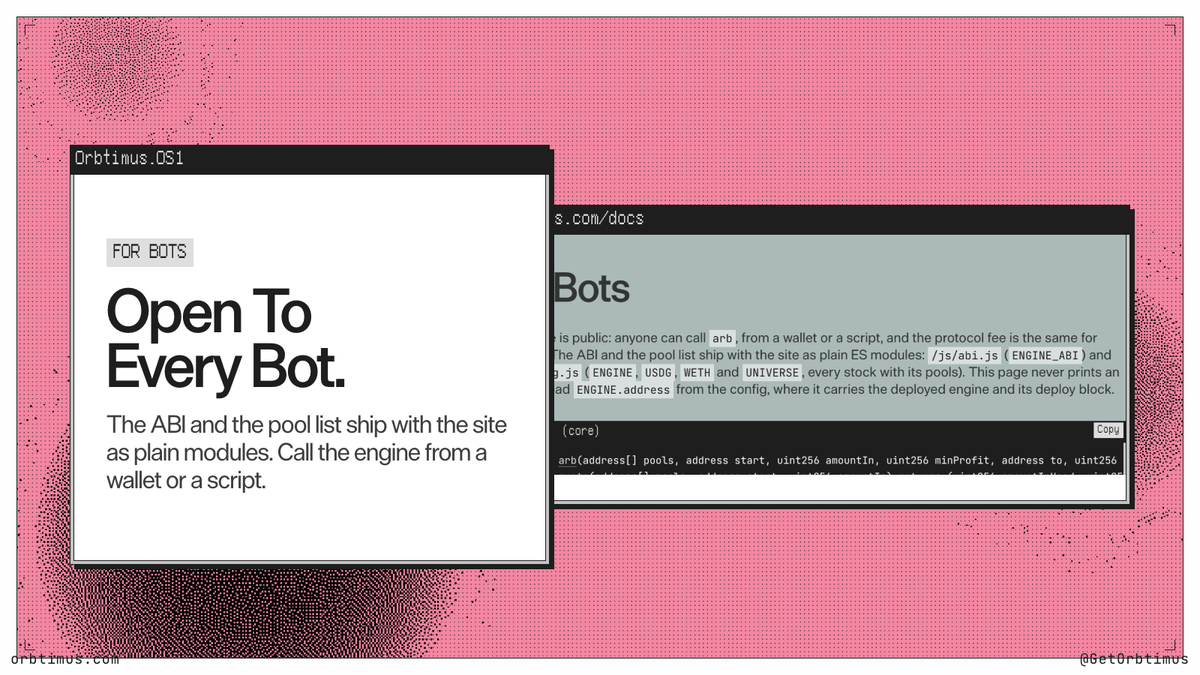
The engine ABI and the pool list ship with the site as plain ES modules. Quote with ethers in a few lines, send the cycle from any script.
Most gaps never pay.
A gap is only an arbitrage when it beats the sum of the fees on its path. That sum is the fee band, and most of the time most stocks sit inside it.