The Global Feminisms Project (GFP) collects interviews with women’s and gender studies scholars and activists from sites around the world.
#globalfeminisms
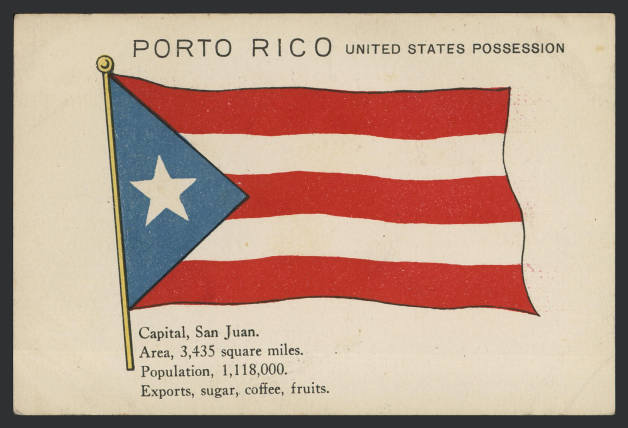
The Global Feminisms Project is proud to launch our Puerto Rico site, featuring interviews with 11 activists and other materials prepared by Dr. Yarimar Rosa Rodriguez and Dr. Valerie Asencio Torres of the University of Puerto Rico! Visit the site here: https://t.co/0CPHK9Y5Zw
Can't be there in person? Watch the livestream of Celebrating Global Feminisms: Two Decades of Collaborative Engagement, 2002-2025 - https://t.co/ps5fXidFol
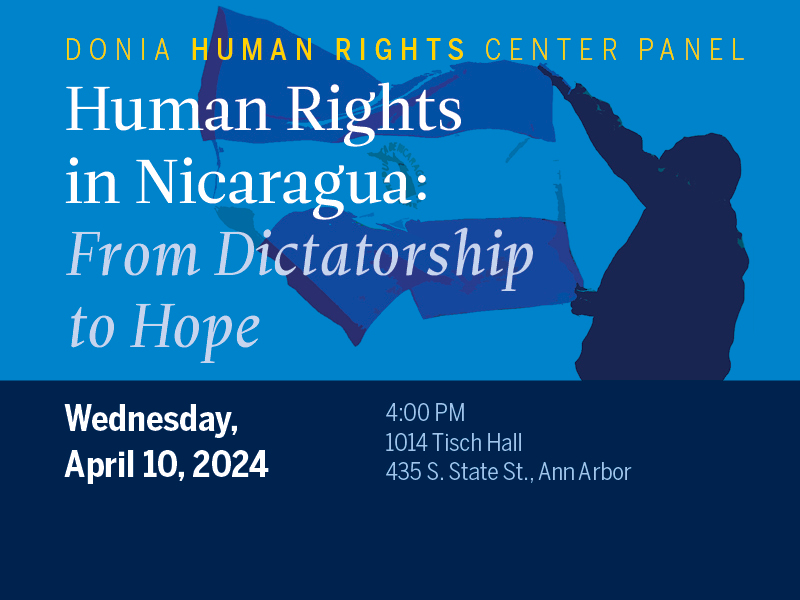
1/3 Join @UMHumanRights for a discussion on human rights in Nicaragua featuring panelists Tamara Dávila Rivas, Dora María Téllez, and Ana Margarita Vijil.
2/3 They will speak about the Nicaraguan political context and their experiences fighting for human rights, freedom and democracy, as well as their current status as exiled, stripped of their citizenship after being imprisoned in solitary confinement for 20 months.
Another great keynote! This one from Dr Abigail Stewart on global feminisms.
Similar to what I tell my students, you can engage in activism at any age ♥�� #SPSSICON23
7/7 Psychologists can bring these nuanced understandings of vulnerability to therapeutic, relational, and organizational spaces; and challenge the systems and structures that (re)produce vulnerabilities by exposing the underlying mechanisms.
*Publication Alert* @ozgetweets, Sueann Caulfield, Hanna Smith, Madeline House, and Abigail Stewart’s recently published article in @FemPsychJournal 1/7
https://t.co/oeonHDEMnE
6/7 Authors conclude feminist psychologists are uniquely positioned to apply the insights that emerge from the work of these feminists by investigating vulnerability and victimhood not as predispositions of individuals, but as structural and generated within systems of oppression
7/7 Psychologists can bring these nuanced understandings of vulnerability to therapeutic, relational, and organizational spaces; and challenge the systems and structures that (re)produce vulnerabilities by exposing the underlying mechanisms.
6/7 Authors conclude feminist psychologists are uniquely positioned to apply the insights that emerge from the work of these feminists by investigating vulnerability and victimhood not as predispositions of individuals, but as structural and generated within systems of oppression