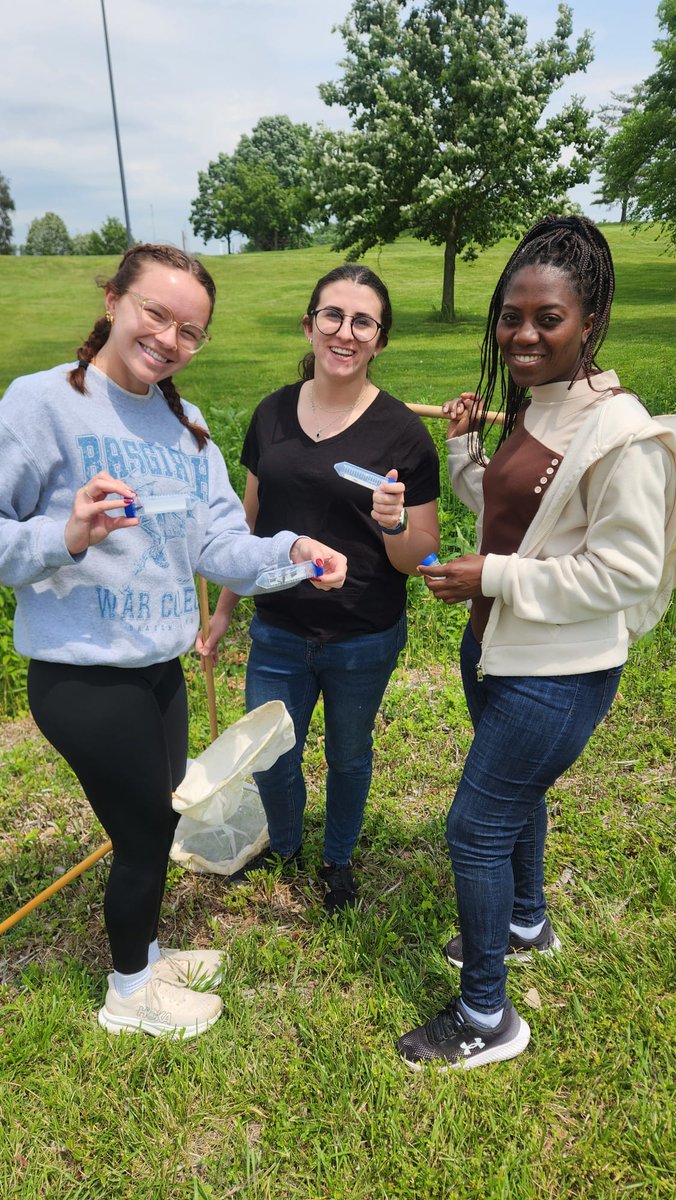
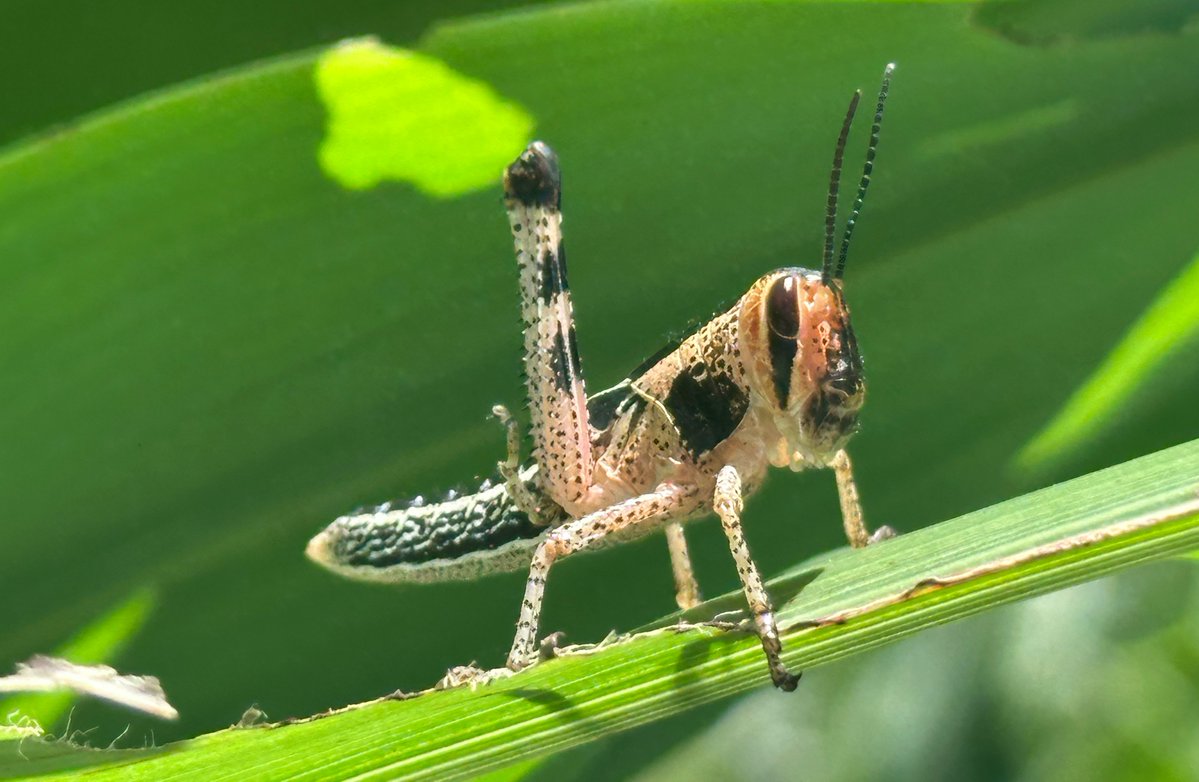
GLI collaborates across borders to manage pests and improve human livelihoods. Check out the website below for more information about how to get involved! 🦗
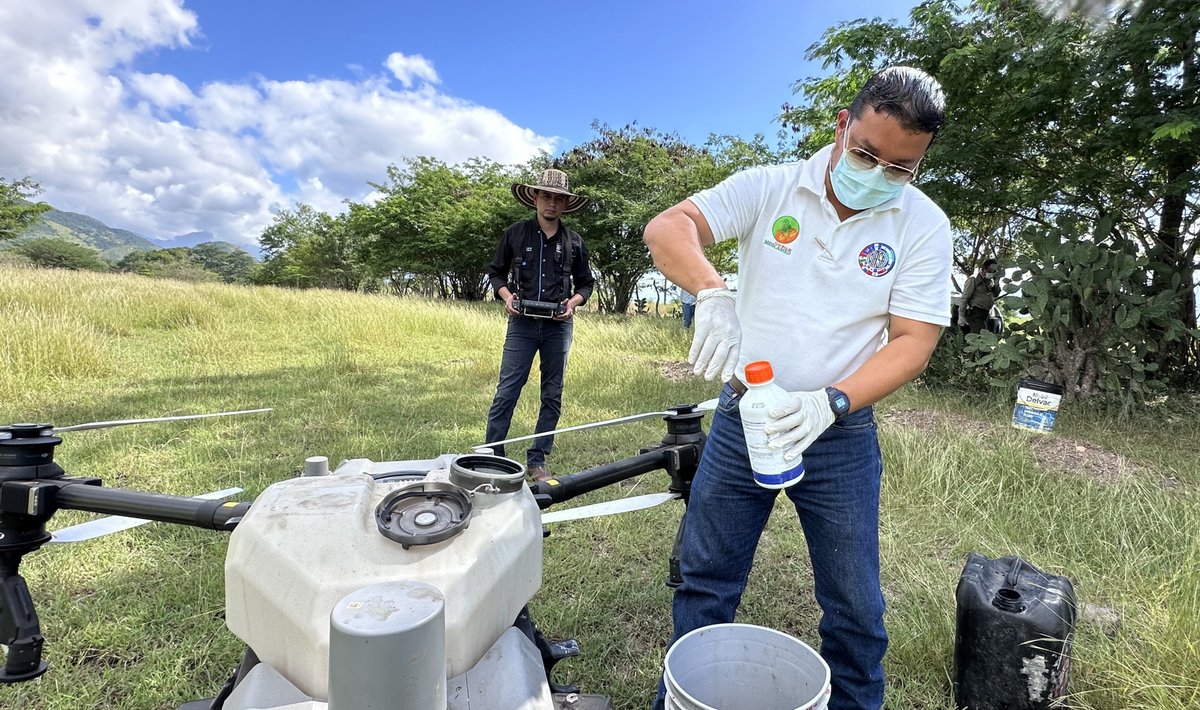
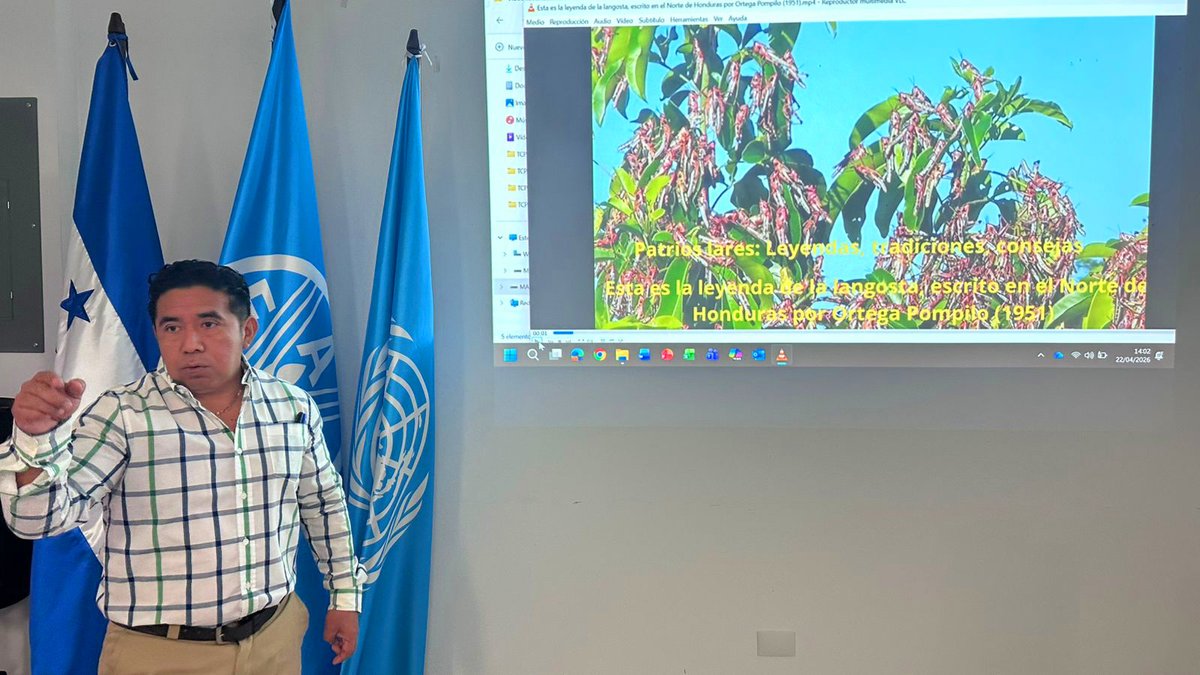
👉 El taller responde a la emergencia fitosanitaria declarada por SAG-SENASA a mediados de 2025, cuando en los municipios de Olanchito y Arenal, en el departamento de Yoro, se enfrentó un brote de langosta voladora. Desde entonces, el OIRSA brindó asistencia técnica, contribuyendo a reducir el riesgo de afectación a los cultivos 🌽 y garantizar la seguridad alimentaria en las zonas vulnerables.
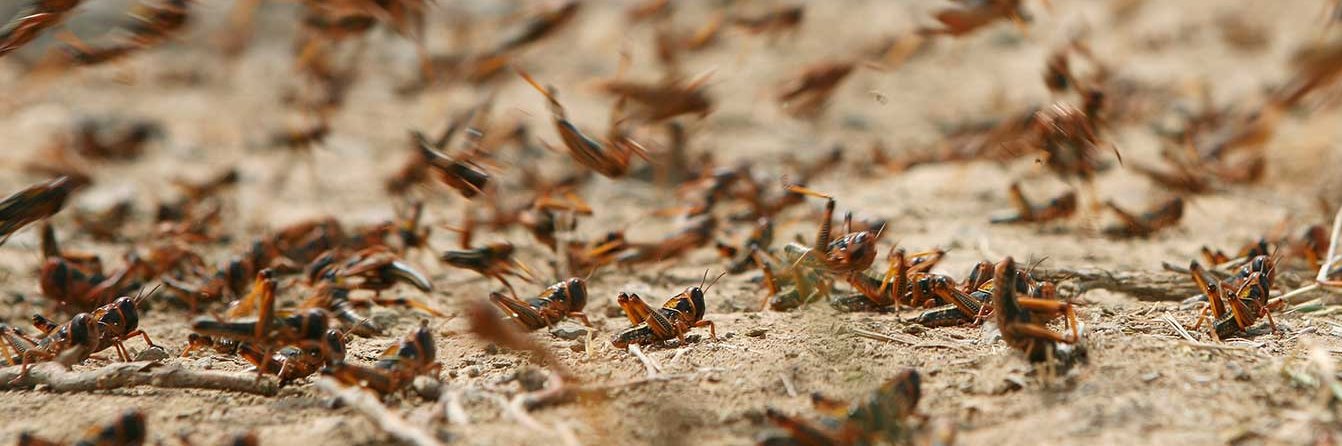
👉 La langosta voladora es una de las plagas históricamente más devastadoras en la región. Una sola manga puede consumir hasta 30 toneladas de materia vegetal 🍃 por día, afectando gravemente cultivos agrícolas 🫘 y poniendo en riesgo la seguridad alimentaria. Su comportamiento migratorio y transfronterizo, que se activa en condiciones de alta temperatura, humedad adecuada del suelo y vientos favorables, exige respuestas inmediatas y coordinadas entre países.
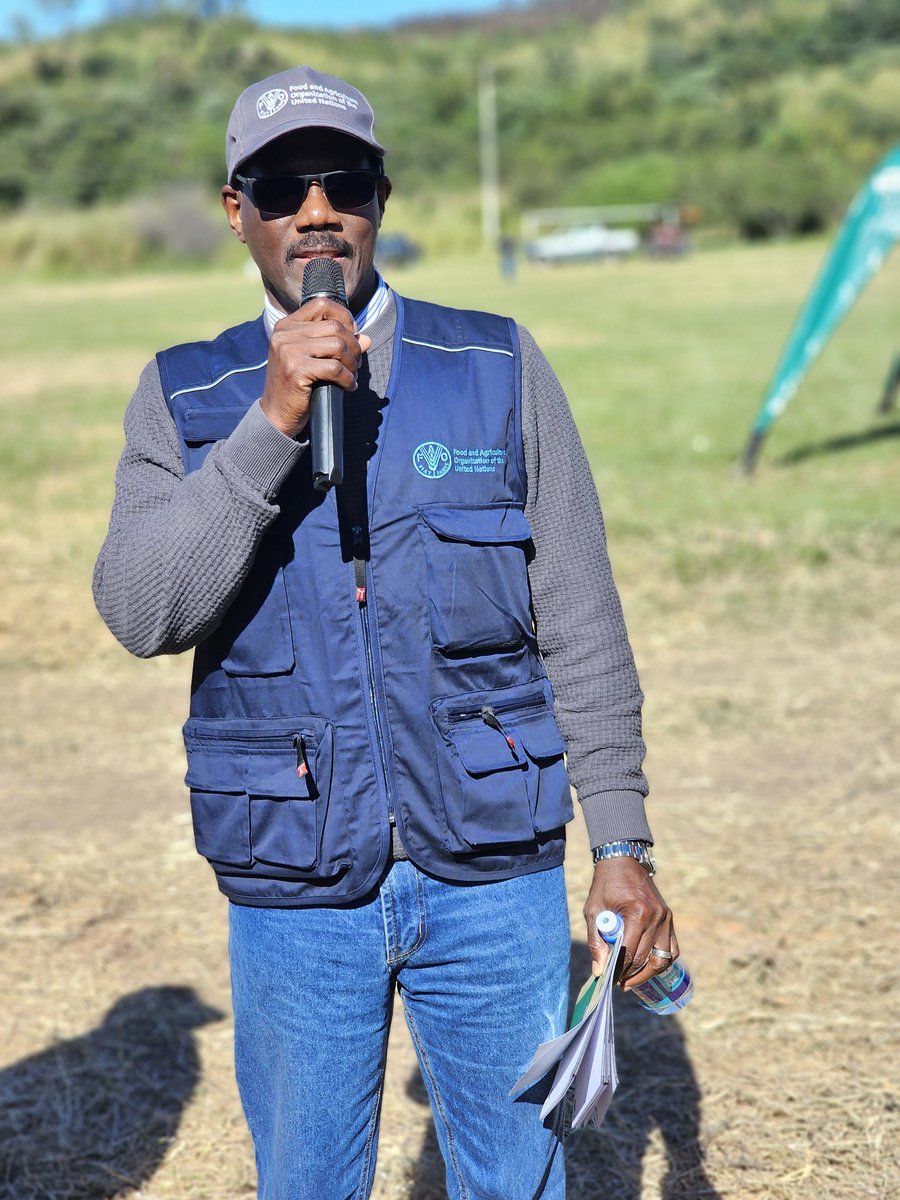
#Honduras🇭🇳 El OIRSA y la @FAOHonduras capacitan a técnicos del SAG-SENASA para prevenir y controlar brotes de langosta centroamericana 🦗.
👉 Se realiza un taller sobre el manejo de brotes de langosta voladora centroamericana, dirigido a técnicos del Servicio Nacional de Sanidad e Inocuidad Agroalimentaria (@SagSenasaHn) y del OIRSA. Como resultado de esta actividad se elaborará un plan de trabajo 📖 para la prevención ante posibles nuevos brotes de esta plaga.
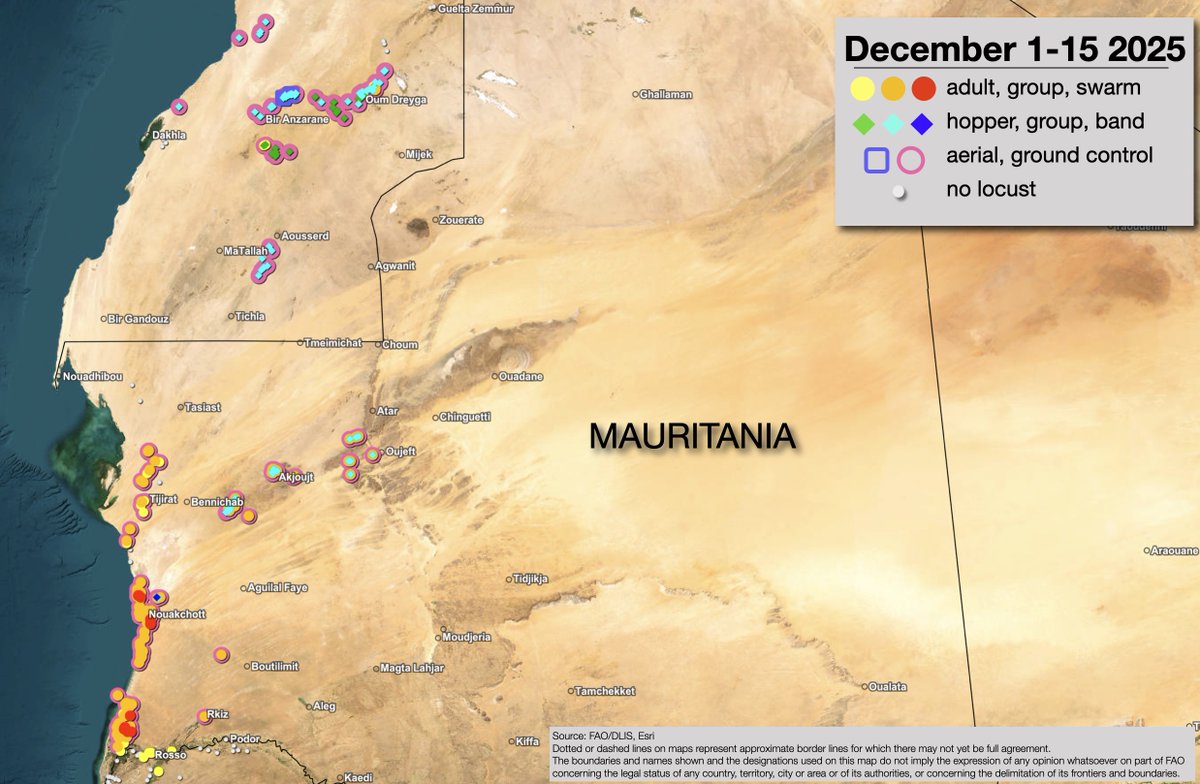
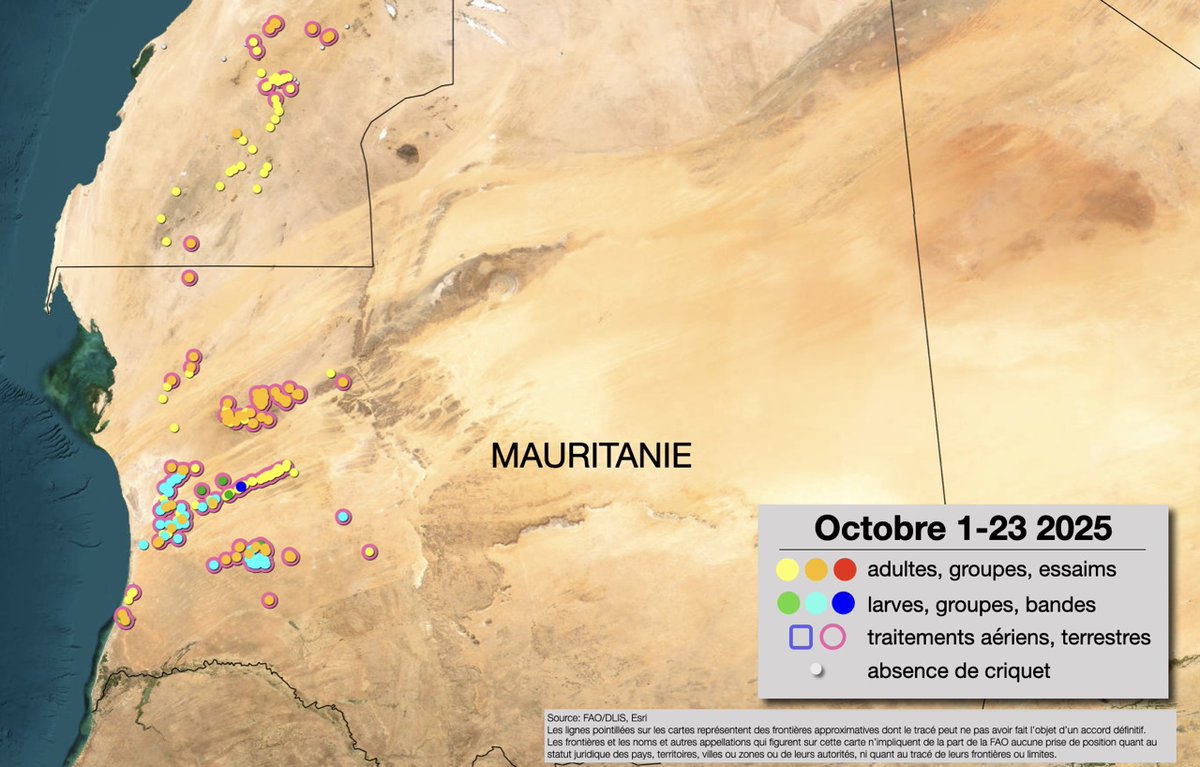
🚨 16 Dec 2025 (UPDATE): Serious #DesertLocust outbreak continues in Western Region
➡️ Immature small swarms along Mauritania’s Atlantic coast; hopper groups widespread in Western Sahara
⚠️ Risk of 3rd generation & further spread in January
🔗 https://t.co/V49C2EaLVS
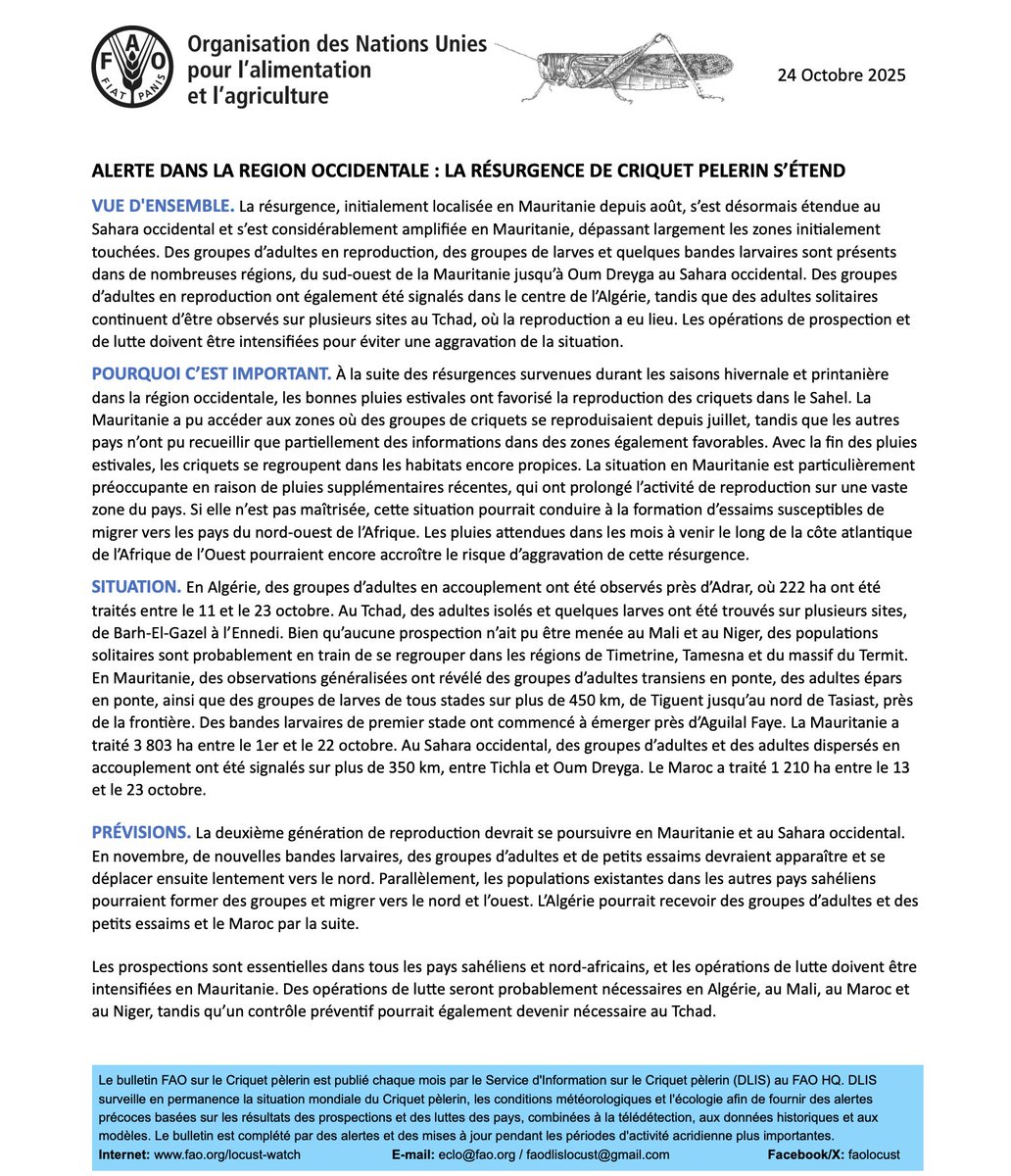
🚨Alerte dans la region occidentale: La résurgence de criquet pelerin s’étend
➡️Vue d'ensemble: La résurgence localisée en Mauritanie s'est étendue à tout l'ouest Mauritanien et au Sahara occidental.
https://t.co/N403sXz3Dd
#DesertLocust
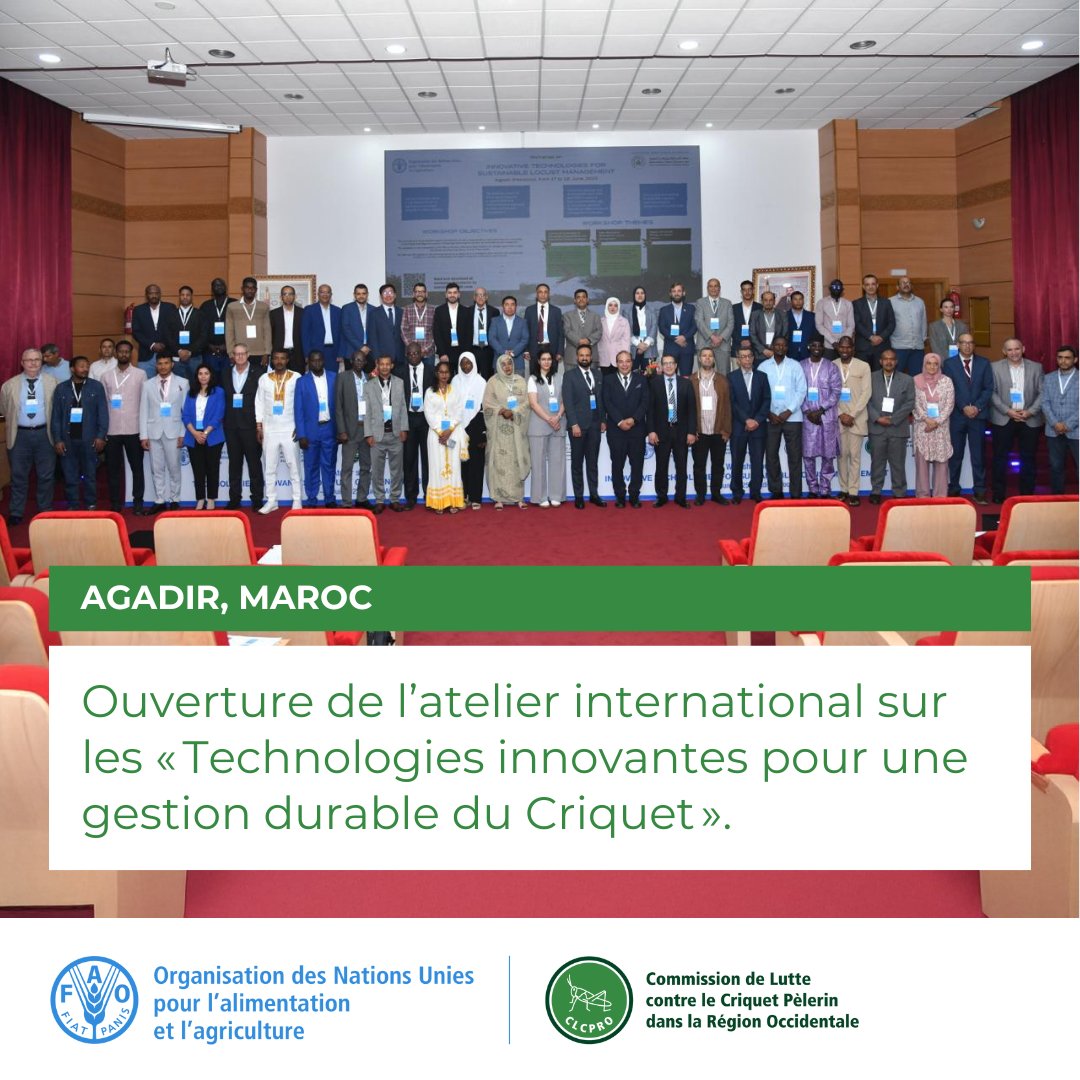
Un atelier international intitulé "Technologies innovantes pour une gestion durable du #CriquetPèlerin" organisé à l'Institut agronomique et vétérinaire Hassan II d'Agadir, au Maroc, du 17 au 19 juin 2025
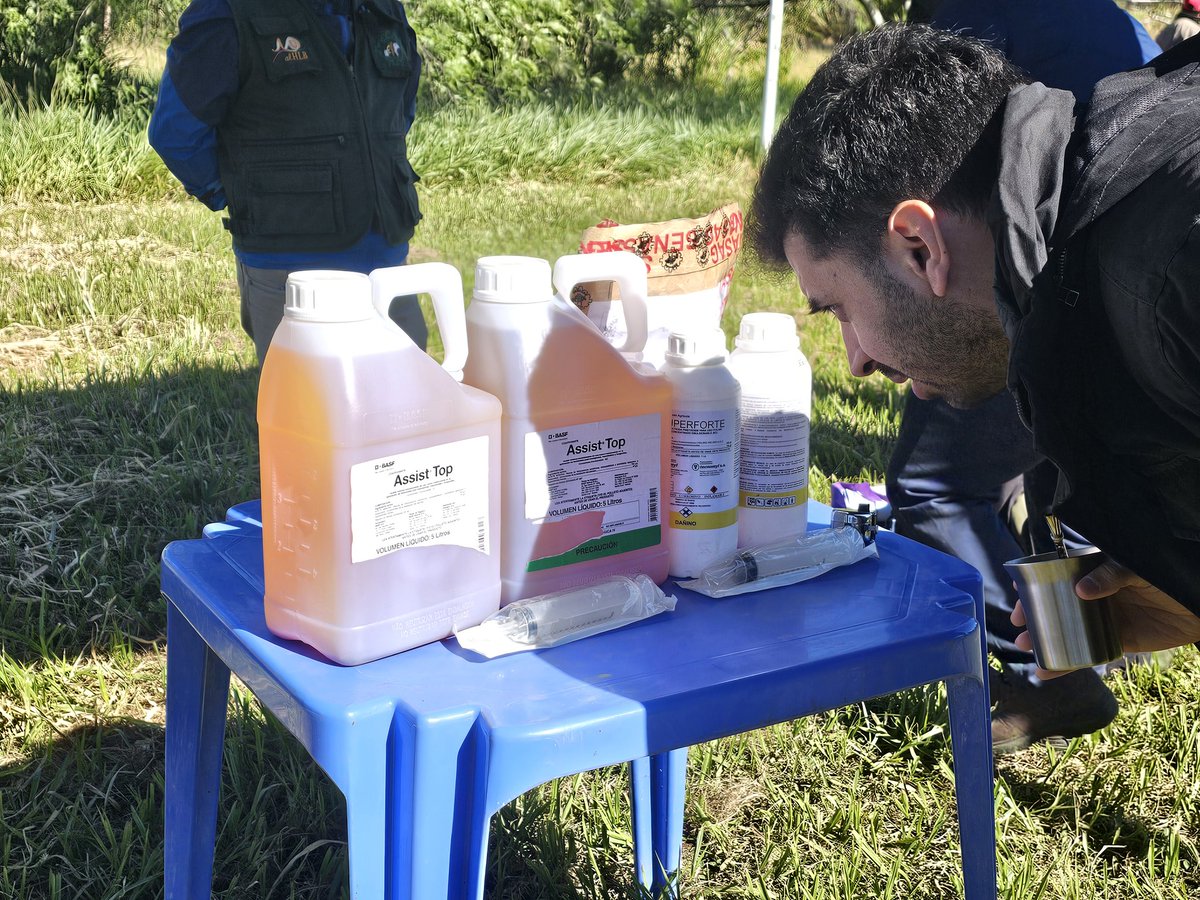
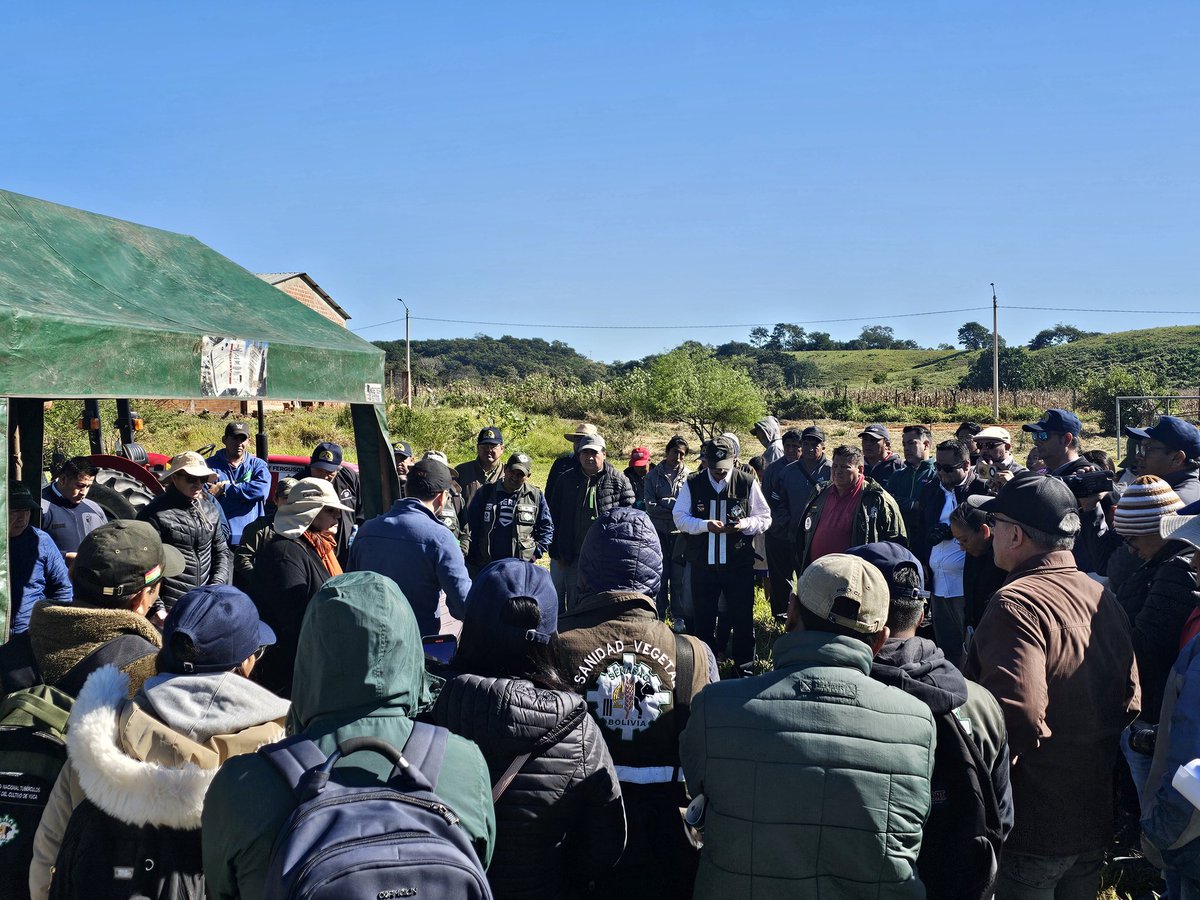
📍Estamos en El Torno, Santa Cruz, en el Simulacro de respuesta a la #langosta sudamericana, plaga que arrasa con cultivos🦗🌱
Expertos de diversos países comparten su experiencia con técnicos y productores, sentando las bases para articular una red de respuesta 🙌
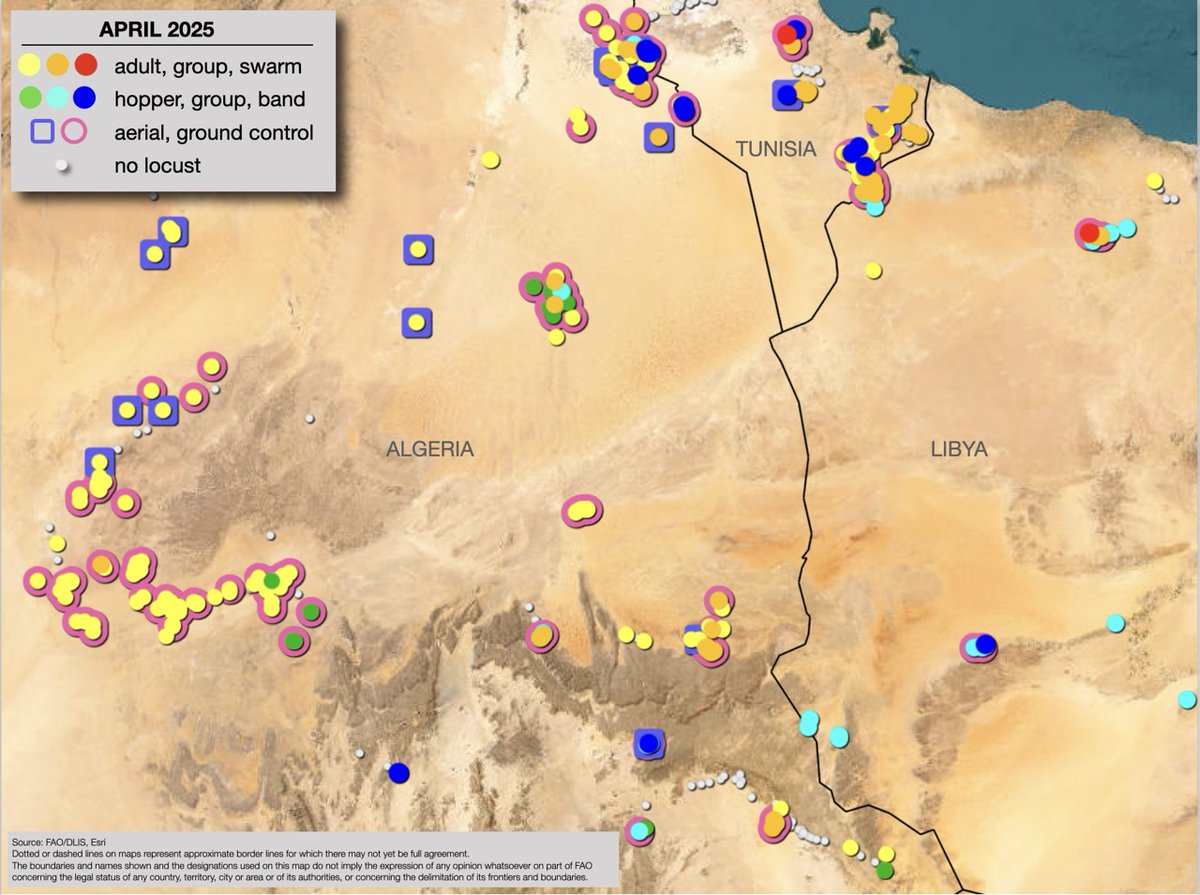
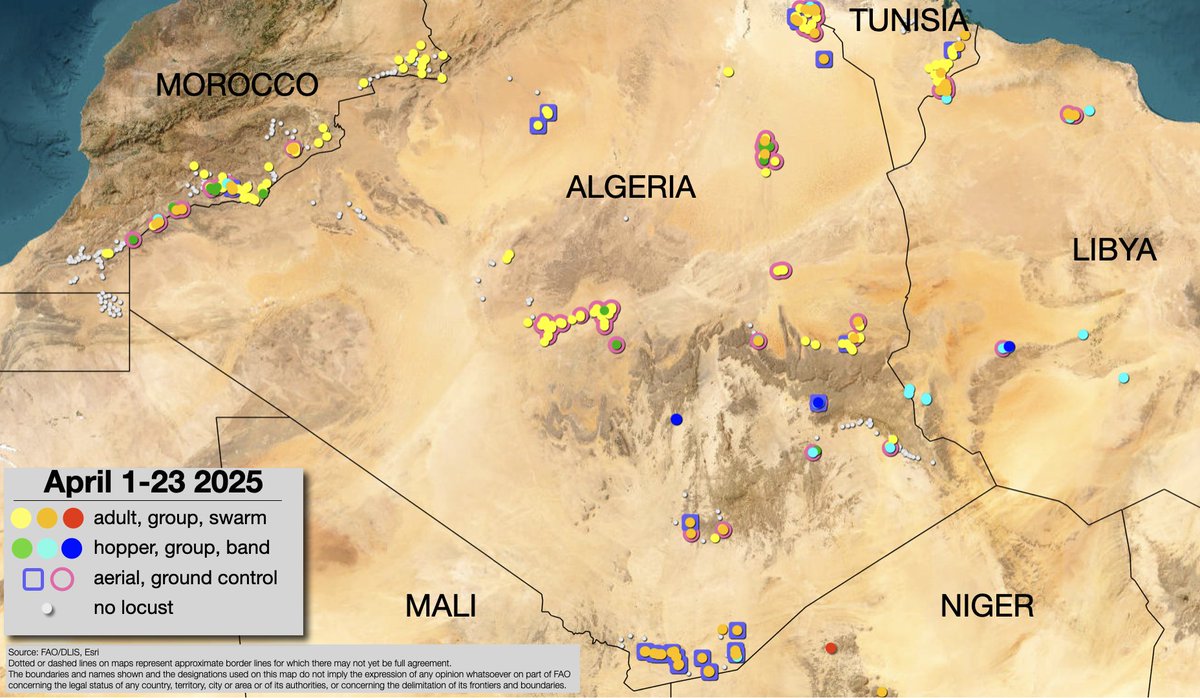
ℹ️Desert locust Bulletin: Outbreaks persisted in southern #Sahara and Northwestern Africa
➡️Groups, breeding & bands increased in #Algeria, #Libya, and #Tunisia; adult groups in #Niger, breeding and groups in #Morocco, adults and a small band in #Chad.
https://t.co/MmirTHnOBF
NEWS | @FAO is supporting countries in North and West Africa to develop a coordinated regional response a potential new #desertlocust outbreak. The plan will guide timely interventions an effort that could prove decisive in preventing a full-scale crisis.
https://t.co/uWk3Lj1yZh
📢 15th International Congress of Orthopterology (ICO2026)! 🦗
La Patagonia Argentina, será sede de este prestigioso evento.
8 - 12 de marzo, San Martín de Los Andes 🏔
Para más información:
📍 https://t.co/3qZoBNKKih
#ICO2026#Orthopterology#Langostas#Locust
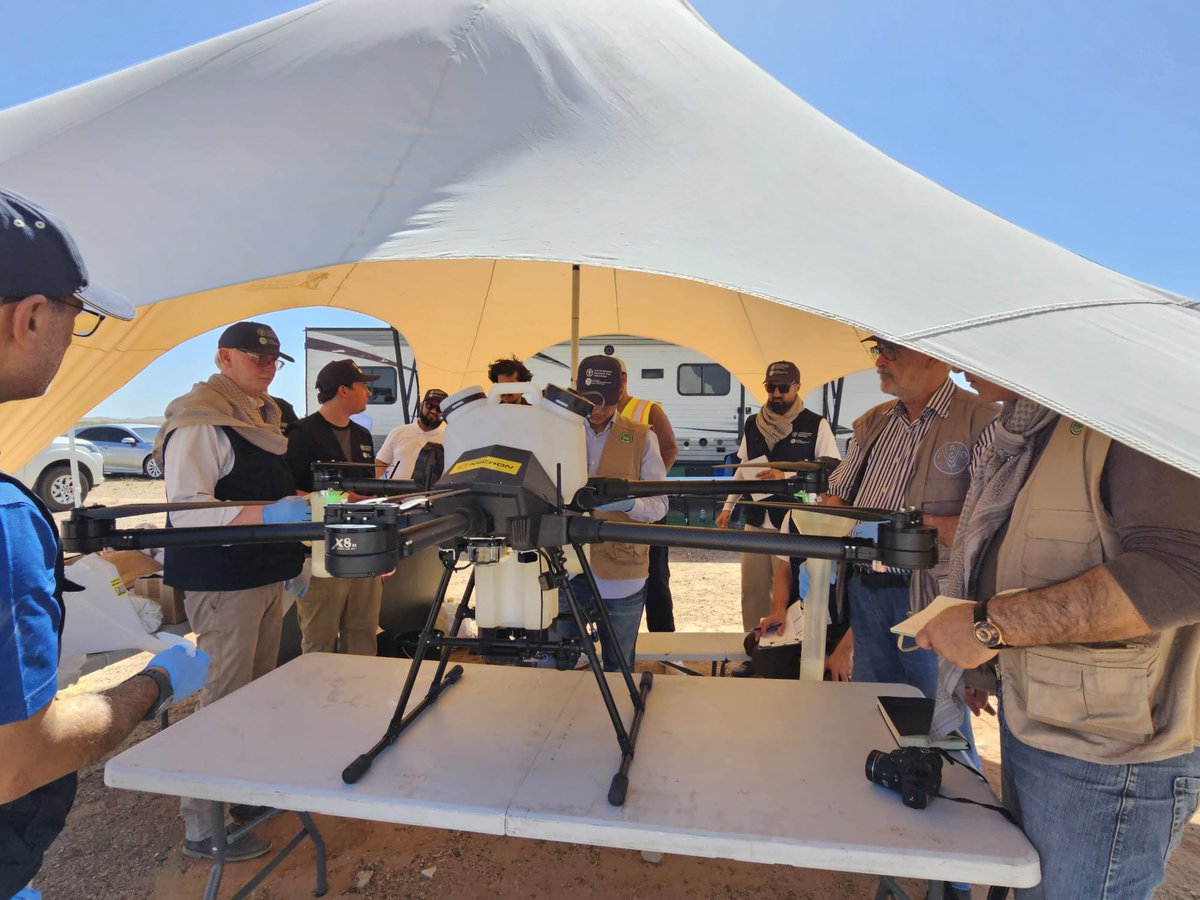
The city of Sur in the Sultanate of Oman is currently hosting (April 27th - May 1st, 2025) the second field trial to test the effectiveness of drones in controlling the desert locusts.
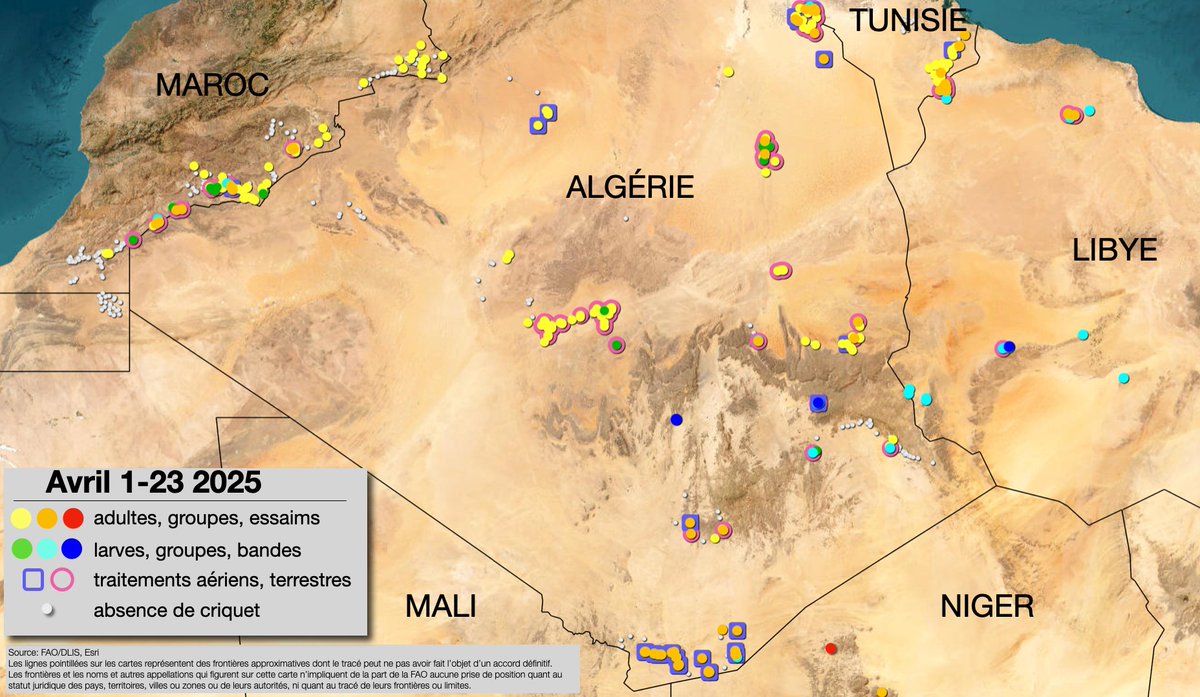
ℹ️Les résurgences de criquet pelerin continuent en Afrique du Nord-ouest
➡️La reproduction printanière continuera en #Algérie, #Libye, #Maroc et #Tunisie
➡️Opérations nécessaires dans toutes les zones de reproduction printanières de la région Occidentale
https://t.co/N403sXyvNF
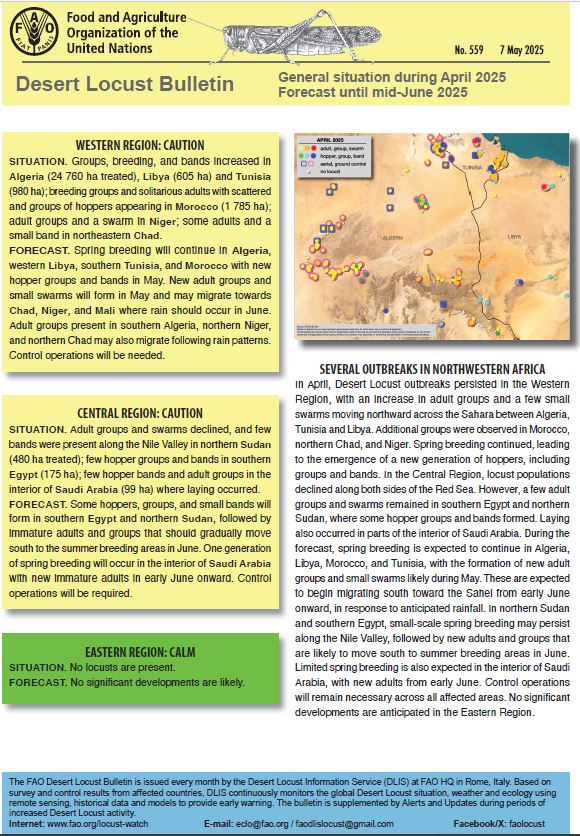
ℹ️Desert locust update: Outbreaks continue in Northwestern Africa
➡️Adult groups and bands increase in Sahara, while few groups & bands along the Nile Valley.
➡️Spring breeding to continue in #Algeria, #Libya, #Morocco and #Tunisia.
https://t.co/I9OsQ6v4k1
3rd video docuseries of BPRI!: Transdisciplinary approach taken by the BPRI and the Global Locust Initiative (https://t.co/cDJazISvmN) and the global impact of our work. @GlobalLocust@NSF_BPRI
https://t.co/Gj9x5x3UGp
Biodiversity data published in JOR is now even more easily accessible thanks to our new data portal! The JOR data portal currently features six datasets and almost 50 occurrences - explore it here: https://t.co/Ds6F8GpuCy
https://t.co/JlH6cpxdCW