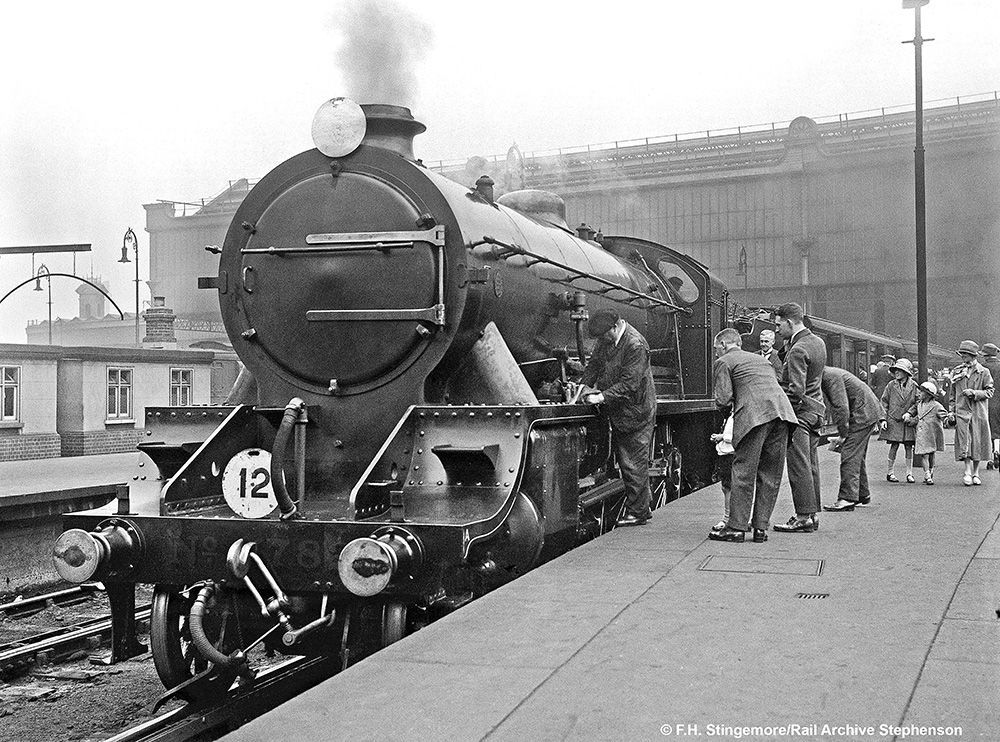
URIE N15 CLASS 4-6-0 – NO. 782
Photograph by F.H. Stingemore from Rail Archive Stephenson courtesy Rail-Online.
Taken from ‘The Glorious Years of the Southern Railway’ by Peter Tuffrey
20% off coupon code smt26
https://t.co/WMShHIkj2s
#steamtrain#heritagerailway#Locomotive
The N15s built by the company were slightly different in having a loading gauge to suit areas now in the SR’s territory, rather than just the LSWR’s routes. Also, a new design of cab was fitted and the smokebox door was secured by several fasteners instead of the usual handles.
Happy 150th birthday Sir Nigel Gresley!
All our Gresley books at special offer price.
Plus save a further £2.50 per book on orders over £21.
https://t.co/vsVxEzJnxe
#Gresley#steamtrain#heritagerailway#Locomotive
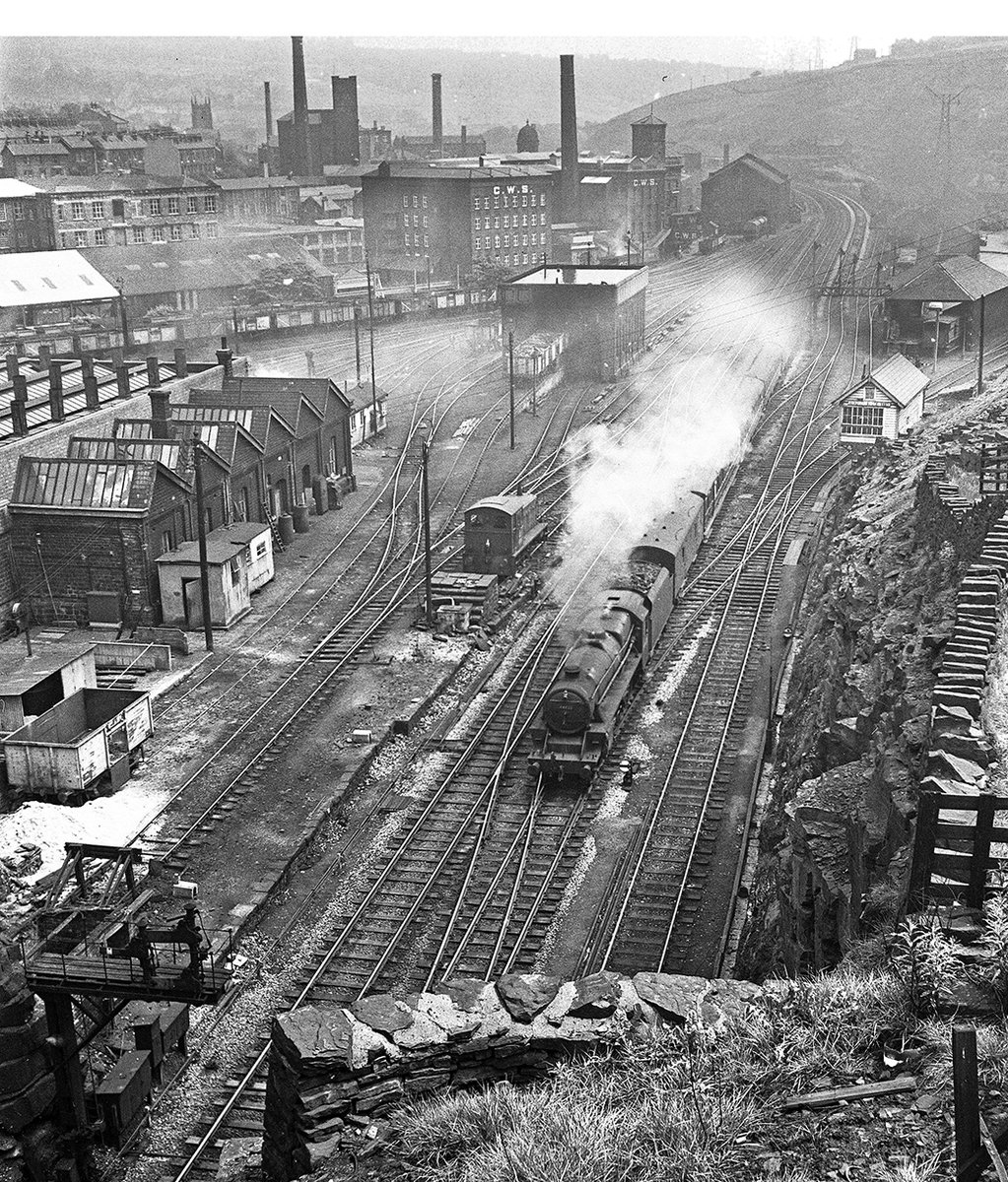
Smoke, grime and mill chimneys were still characteristic of upper Calderdale in the early 1960s.
5MT No. 44823 is about to enter Sowerby Bridge tunnel with a York to Liverpool Exchange express on 14th June 1961.
The engine shed, closed in 1964, is on the left of the picture.
Apart from the mainline engineered by George Stephenson, coverage includes its later offshoot to Halifax and Bradford as well as the steeply graded branch from Todmorden over Copy Pit summit to Burnley.
A nostalgic portrayal of a pioneer railway that pierced the mountain chain by what was initially the world’s longest railway tunnel. It shows how it had also to force a passage through steep-sided valleys already choked with mills, chimneys belching smoke and an adjoining canal.
Scottish Steam 1948-1967
By Peter Tuffrey
Special offer £14.99 inc. UK delivery
A beautiful hardback book, featuring over 230 stunning photographs of locomotives on the Scottish railways in the final years of steam traction
https://t.co/FkZiPNjQq3
#Scotland#Steam#Railway
Ten of the H4 Class were built in 1920 and 1921, with no. 1003 in traffic from October 1920. The locomotive is at New Southgate with a northbound train in the following year. N2 Class no. 1726 is also visible on a local train.
This was left on the drawing board but following the success of the three-cylinder 2-8-0, a 2-6-0 with a much bigger boiler – 6 ft 0 in. diameter, which was the largest in use at the time – was put in hand at Doncaster in mid-1919.