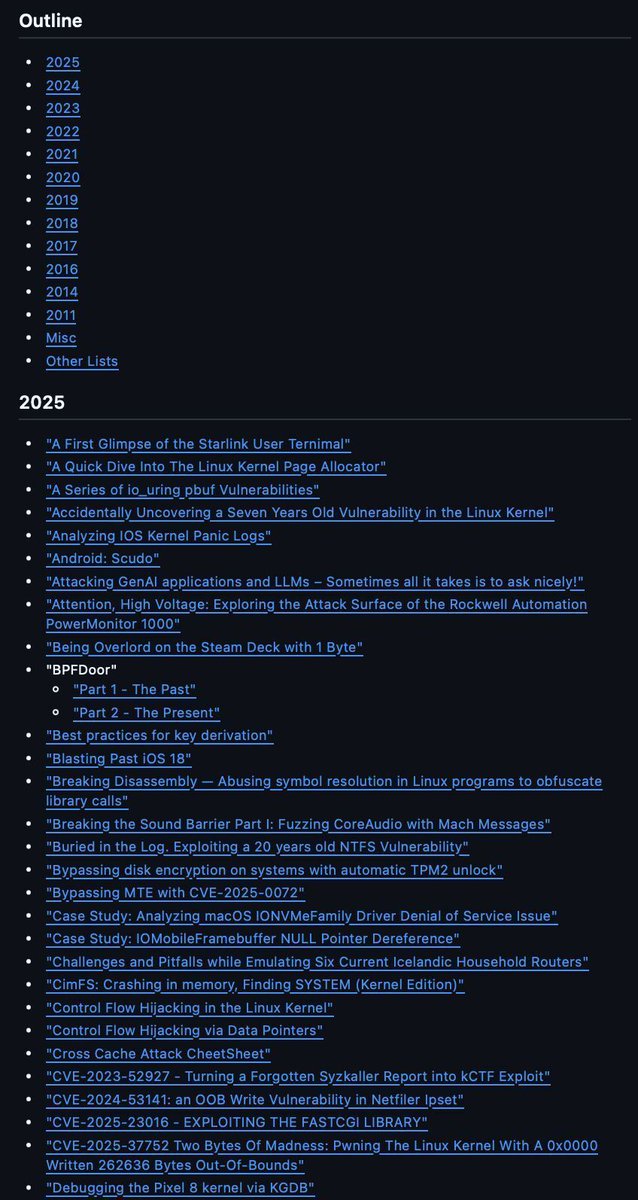
AI-Red-Teaming-Guide — A comprehensive guide to adversarial testing and security evaluation of AI systems, helping organizations identify vulnerabilities before attackers exploit them. https://t.co/grbpBHSaef
10 GitHub repos that should be illegal — they're killing $50 billion in corporate revenue.
SAVE IT
1. yt-dlp
Downloads any video from YouTube, X, TikTok, Instagram, anywhere. YouTube Premium charges $14 a month to do less than this. It is 100% free.
Repo → https://t.co/TaRtkcd4qy
2. Ollama
Run GPT-4-class AI on your laptop. No API costs. Developers spend $500 a month on OpenAI for what Ollama runs offline for $0.
Repo → https://t.co/gyZhUdzsnZ
3. Fooocus
Midjourney-quality image generation on your own GPU. Midjourney charges $30 a month. Fooocus runs unlimited generations for free.
Repo → https://t.co/NDPJpIdYJs
4. Whisper
OpenAI's transcription model, open-sourced. Otter charges $20 a month for what Whisper does for free, in 99 languages.
Repo → https://t.co/blaJ4i4MnH
5. Plausible Analytics
Privacy-first Google Analytics replacement. Google Analytics 360 costs $150,000 a year for enterprises. Plausible self-hosted costs $0.
Repo → https://t.co/RFrcpqTBQ7
6. AppFlowy
Open-source Notion. Notion charges $20 per user per month for teams. AppFlowy runs unlimited users on your server for free.
Repo → https://t.co/IDMykTCkMU
7. Penpot
Open-source Figma. Figma charges $45 per editor per month. Penpot does the same job, self-hosted, free forever.
Repo → https://t.co/Lx1CYUP4p4
8. n8n
Open-source Zapier. Zapier Pro costs $600 a month for a real workflow. n8n self-hosted runs unlimited automations for $0.
Repo → https://t.co/hdycABGGc1
9. Cal .com
Open-source Calendly. Calendly Teams costs $16 per user per month. Cal. com is free for individuals and open source for teams.
Repo → https://t.co/haz8ihRsHm
10. Bitwarden
Open-source 1Password. Password managers charge $8 per user. Bitwarden is unlimited, forever, free.
Repo → https://t.co/XCZ2JtWqWQ
Here's the wildest part:
That's $50 billion in corporate revenue these repos are quietly destroying every single year.
None of these are illegal.
All of them should be.
Save this. Share it with the person in your life still paying for what's been free this whole time.
100% free. 100% open source.
Big news from GitHub Constellation India 🇮🇳
India is now home to 27M developers on GitHub, the largest community in the world.
Watch the highlights from the keynote.
Watch on YouTube
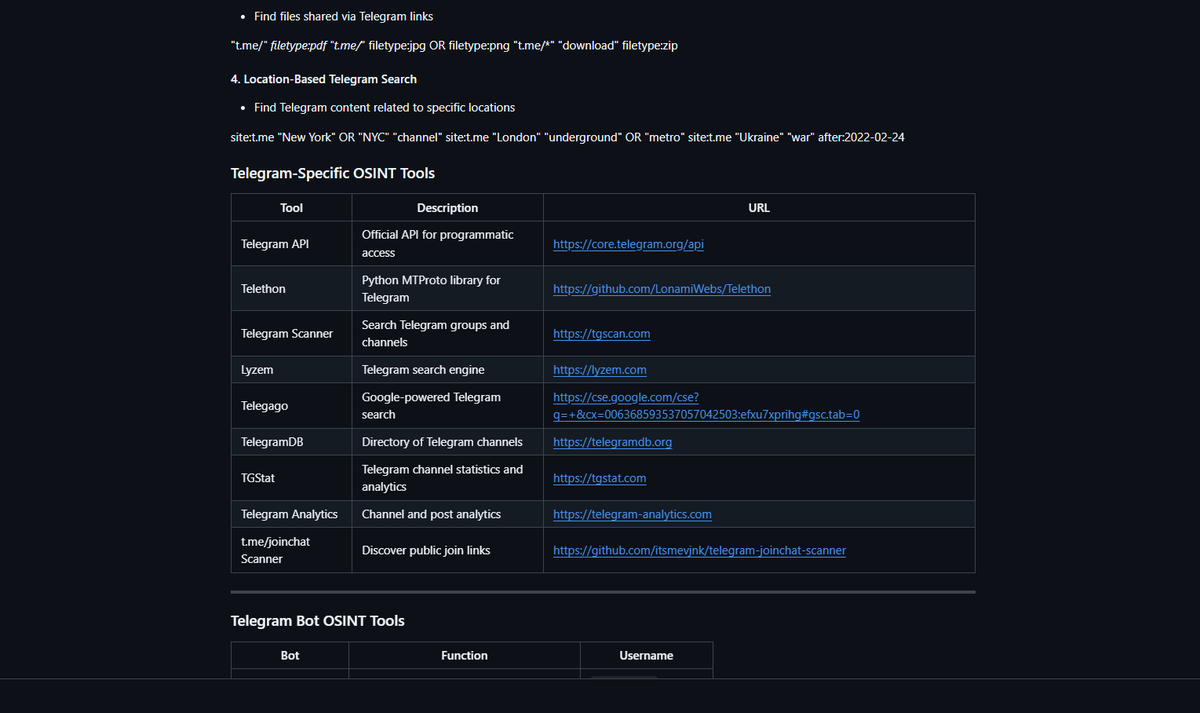
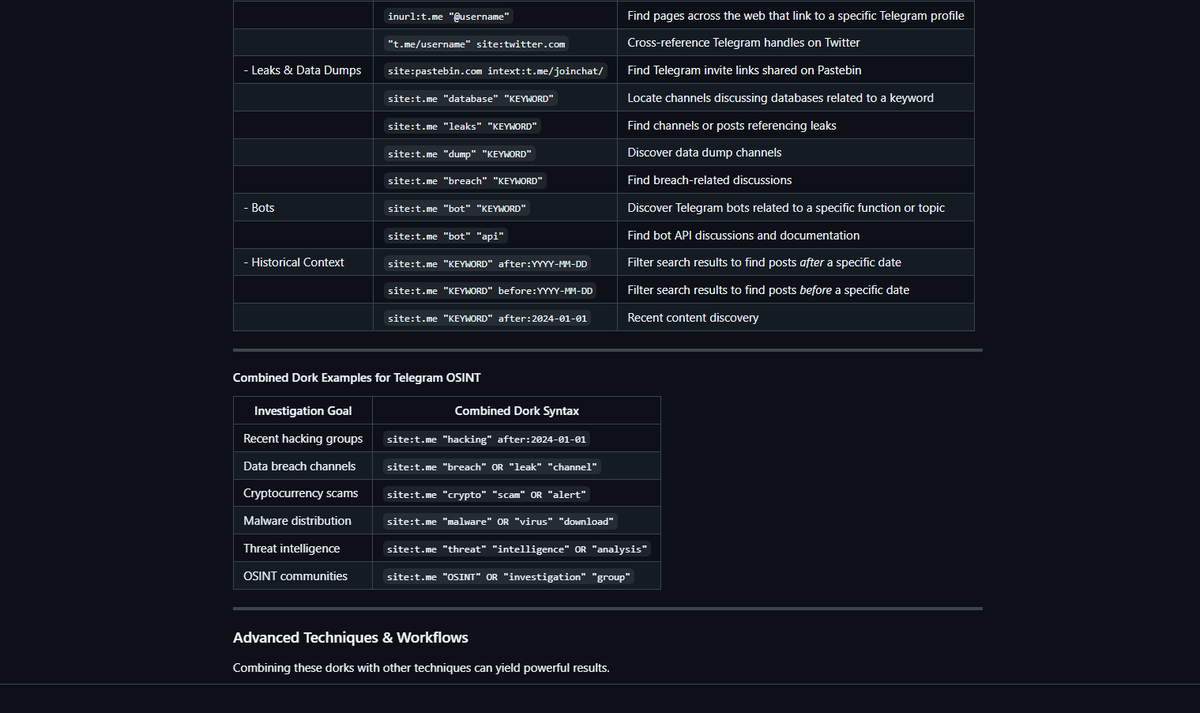
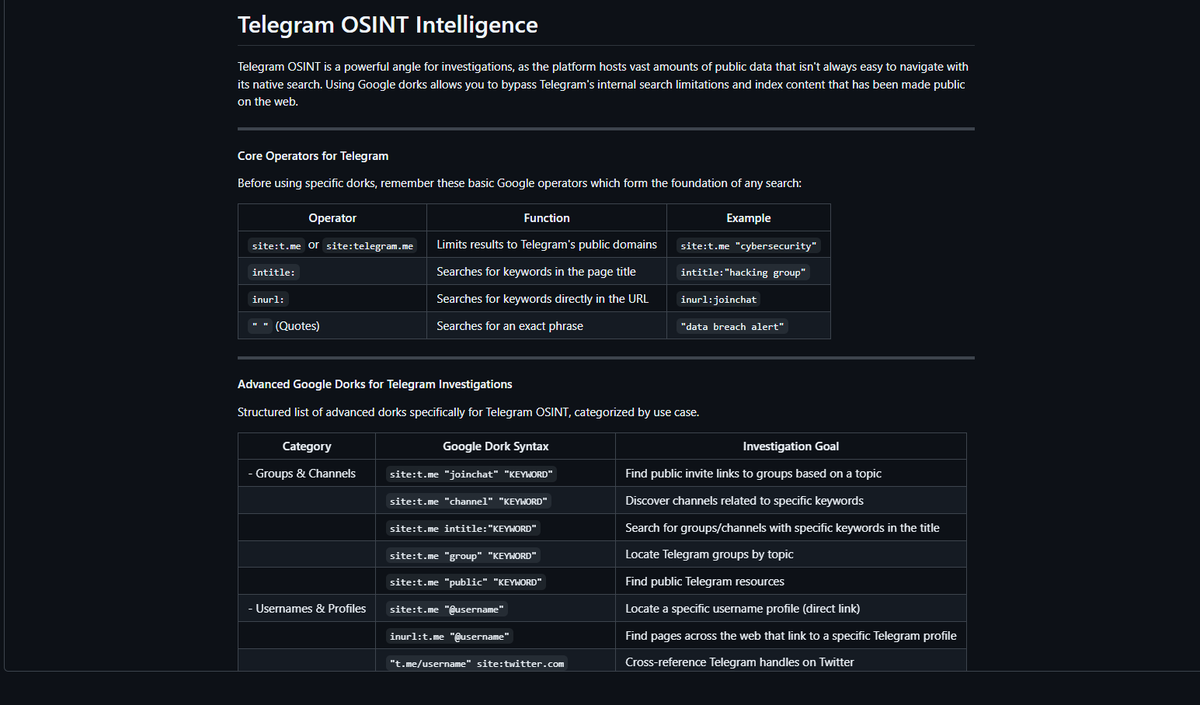
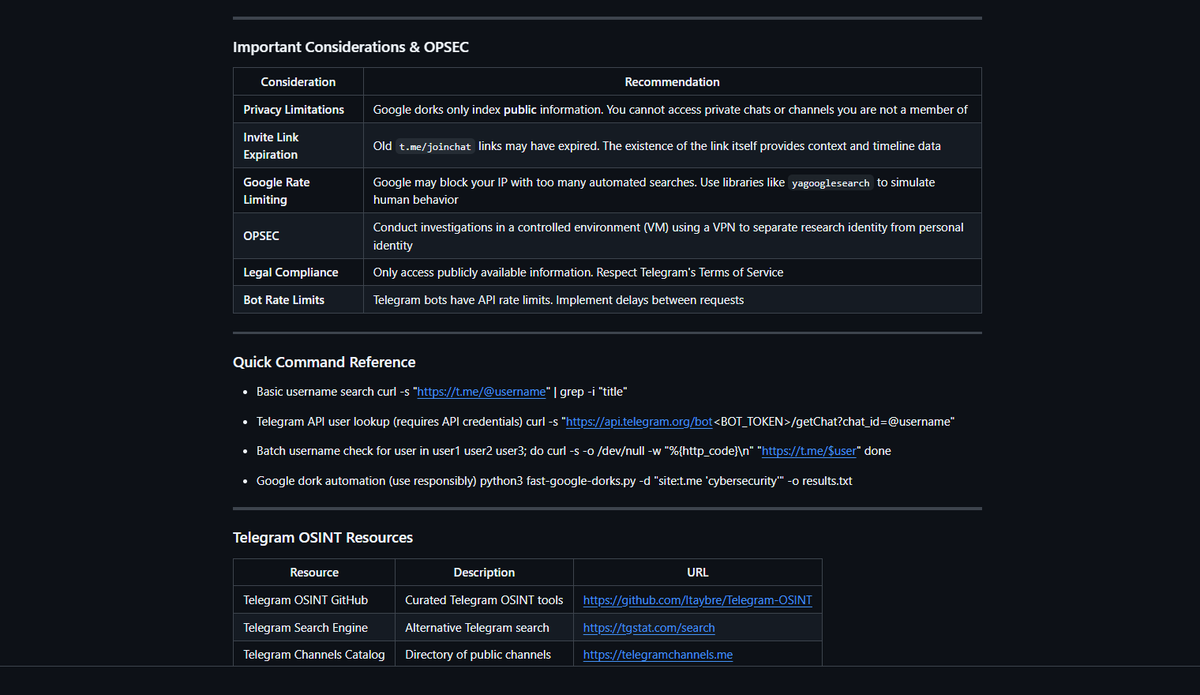
Telegram OSINT Intelligence
D4rk_Intel-OSINT-Investigative-Toolkit has been updated with Telegram OSINT - a powerful angle for investigations, as the platform hosts vast amounts of public data that isn't always easy to navigate with its native search.
#OSINT#Cybersecurity
Most breaches don’t start with “elite hacking” they start with overlooked basics.
Exposed APIs. Weak auth. Misconfigured storage.
As engineers, we love building. As security researchers, we question everything we build.
Build. Break. Repeat.
#CyberSecurity#bugbounty#Engineering
OSINT is one of the most powerful skills in a hacker's arsenal, and most people barely scratch the surface!
In this tutorial, I cover tools and techniques for vehicle investigation using open source intelligence:
https://t.co/gkYuuvb653
@three_cube@DI0256@co11ateral
🚨 BREAKING: Someone just open-sourced a full offline survival computer with AI, Wikipedia, and maps built in.
Project N.O.M.A.D. is an open-source offline survival computer.
Self-contained.
Zero internet required after install.
Zero telemetry. Everything runs locally on your hardware.
What it includes:
→ Full Wikipedia archives via Kiwix
→ Offline maps via OpenStreetMap
→ Local AI models via Ollama + Open WebUI
→ Calculators, reference tools, resource libraries
→ A management UI to control
everything from a browser
One curl command installs the entire system on any Debian-based machine.
Runs headless as a server so any device on your local network can access it.
Minimum specs to run the base system: dual-core processor, 4GB RAM, 5GB storage.
To run local LLMs offline, you want 32GB RAM and an NVIDIA RTX 3060 or better.
No accounts.
No authentication by default.
No cloud dependency.
No phone-home behavior.
Built to function when nothing else does.
The grid, the cloud, the API you depend on. None of it is guaranteed.
The people building local-first systems right now are the ones who won’t be asking for help when access disappears.