mPedigree is known for our work in sensitive and critical consumer goods supply chains such as pharmaceuticals, agro-inputs, cosmetics, and automotive parts.
From our start in the anti-counterfeiting space, we have long been associated with quality assurance and certification through a consumer safety and regulatory support lens.
But our platforms like Chiron have long expanded that scope. It is best to see our contribution as offering a "Trust Engine for the Social Economy".
Case in point: our partnership with Oryx in Tanzania is driving the uptake of clean cookstoves. Working with them and relevant government agencies to shift consumers from dirty fuels demonstrates the power of mPedigree's technologies to impact both climate response and health (dirty fuels = soot in lungs) in far-reaching ways.
Trust is the ultimate currency of social change.
#CantFakePassion
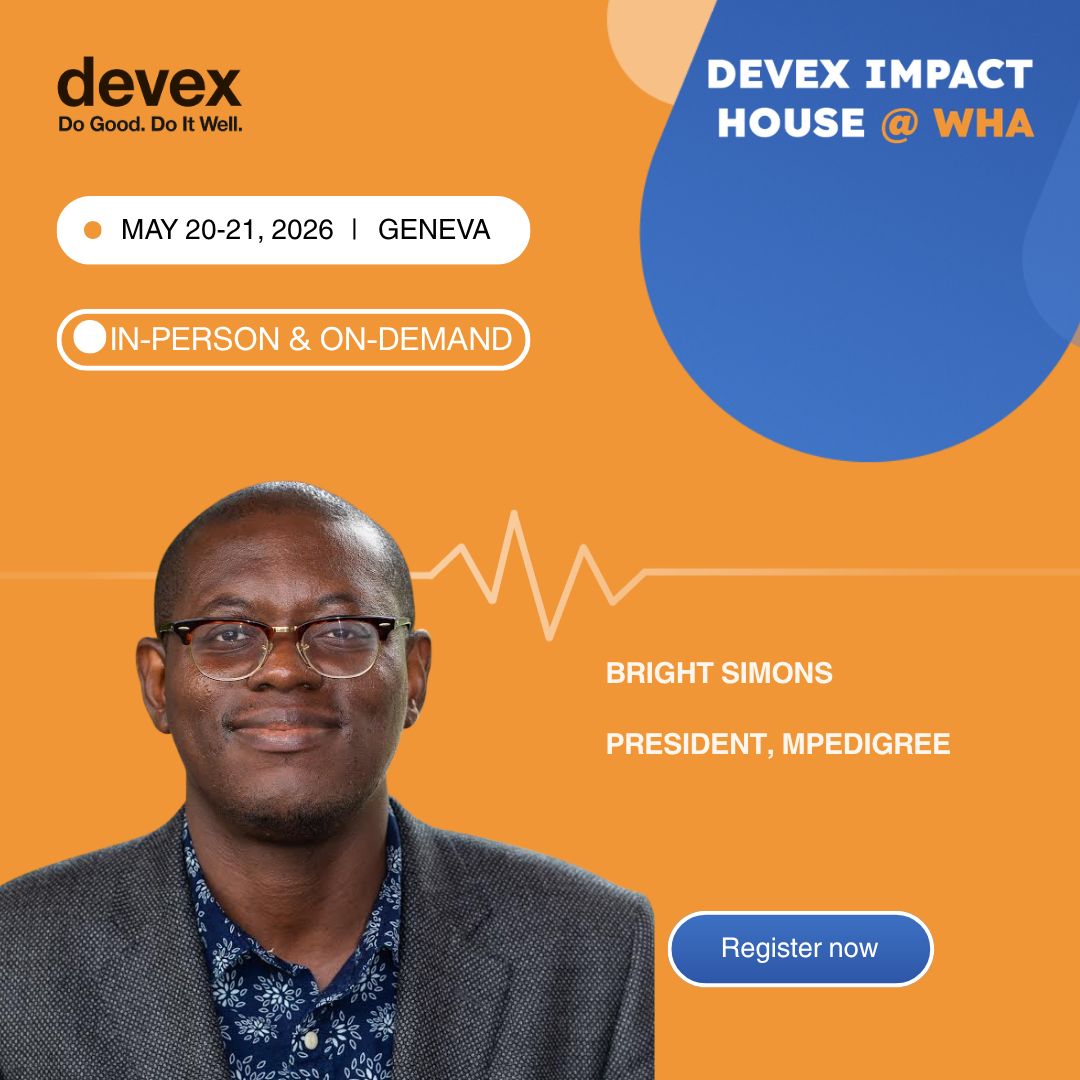
At Devex's WHA event, Bright Simons argued that AI systems ultimately depend on human relationships, judgment, and collaboration — and warned that overly automating healthcare could erode the very intelligence these systems rely on. https://t.co/4ZIFGUSA2n
Watch Bright make the argument that "...that AI systems ultimately depend on human relationships, judgment, and collaboration" and also warn that... "overly automating health care could erode the very intelligence these systems rely on."
Video: https://t.co/JiWTXHmgHI
He was speaking about his recently published "Social Edge Framework" on a panel at Devex Impact House at the ongoing World Health Assembly in Geneva moderated by Rumbi Chakamba of Devex. Co-Panelist: Dr. Mary-Ann Etiebet of Vital Strategies.
Thinkers and practitioners in the field of global development are gathering in London this week to take stock of the seismic developments reshaping their sector. Stay tuned as the insights and pledges roll in.
(Tip: Bright's keynote will be on "transmediation", a concept many years in the making.)
It is heating up seriously at the OECD Center in Paris. So much energy on a wet Parisian day. The focus this week is on rethinking development and international cooperation radically. Bright will be delivering a keynote tomorrow. He will, as usual, bring an entrepreneurial perspective to the deep policy changes required to improve the lives of the marginalised populations of the world.
Happening right now in Oxford:
Bright and colleague panelists will be discussing the future of work and talent management in Africa. What will the continent look look like in 2045? AI, economic growth, higher education shifts, policy innovation, etc. The whole nine yards.
A thoroughly packed agenda at the Spring Meetings (World Bank - IMF) for us!
Our Bright was spotted in a few places.
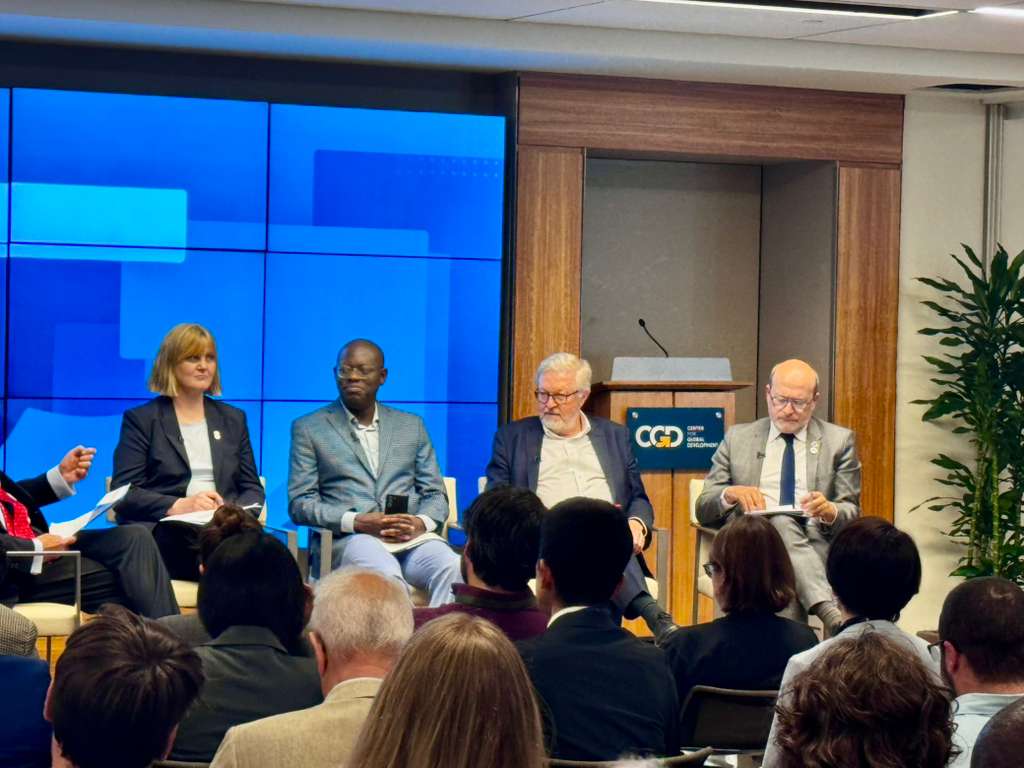
1. At the HQ of the Center for Global Development, where he joined Carsten Staur of the OECD DAC, Gunn Jorid Roset of NORAD, and Rémy Rioux of AFD to discuss the prospects and challenges of development aid. Expertly moderated by Masood Ahmed.
One key contribution was a suggestion that the crisis in the development aid arena must be assessed as a symptom of a deeper crisis in "development" itself. The concept has been losing its moorings for a while now, and much that provided direction has become unhinged. The merits, personnel, directions, processes, priorities, endgames, they are all in flux now. Aid is meant to be fuel for an engine. But the rocket to host the engine has become disassembled and it is no longer clear what kind of machine it is anymore.
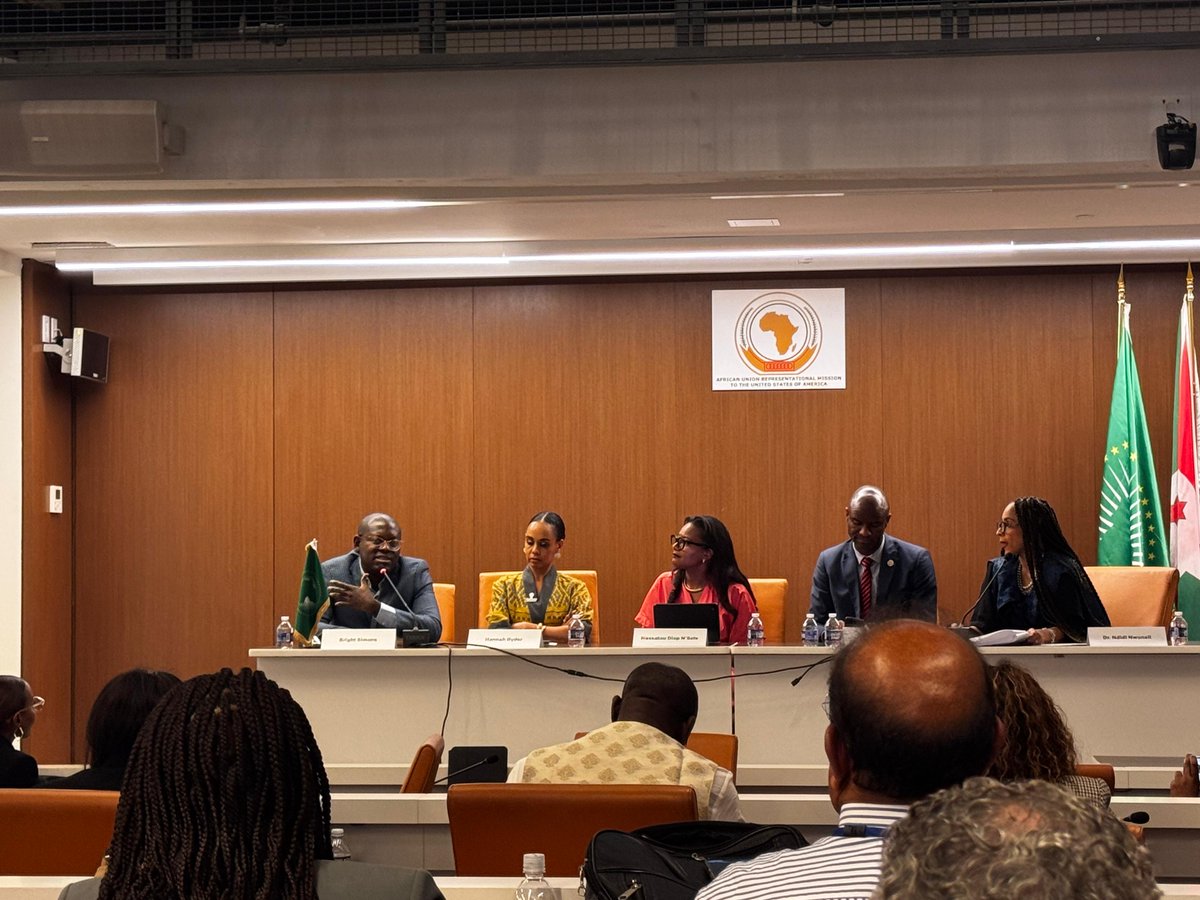
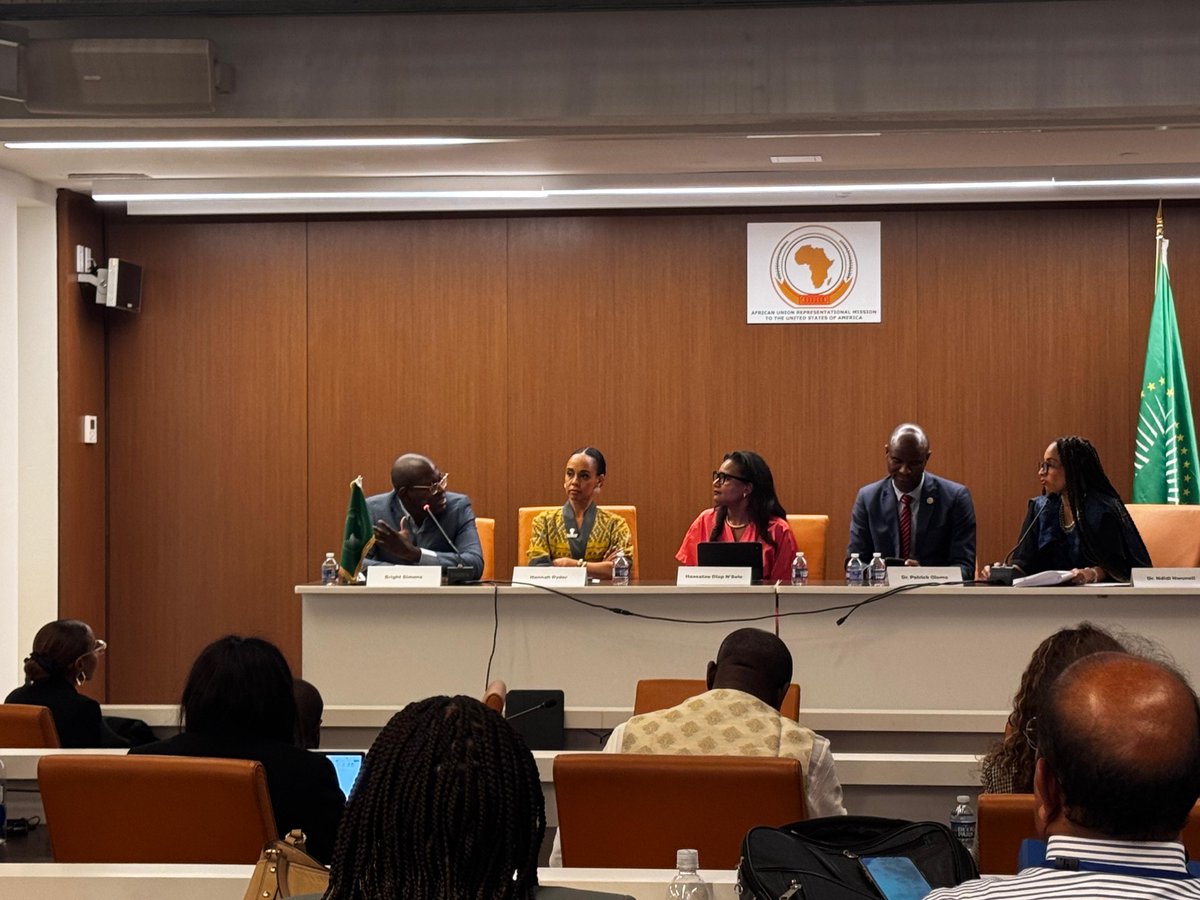
2. At the African Union Mission in Washington, where he joined Hassatou Diop N'Sele of the AfDB, Dr. Patrick NDZANA OLOMO of the African Union, and Hannah Ryder (芮 婉 洁) of Development Reimagined to discuss Africa's geostrategic focuses as various processes pick up momentum to address burning issues such as the debt and cost of capital/living crisis. Expertly moderated by Ndidi Okonkwo Nwuneli.
Bright's one key contribution was that the time of comfortable narratives about Africa's condition that everyone can rally behind is behind us. Most did not lead to sustainable and effective action. We must move towards resolving challenges at the level of uncomfortable detail, where tradeoffs and contradictions are inevitable. On matters such as one currency, one central bank, one credit rating agency, and one payment system, the fragments abound. What remains is the very hard work of piecing together conflicts and tensions, clarity and intuition, and go all in. We must plunge deep or not at all.
Two more days to go!
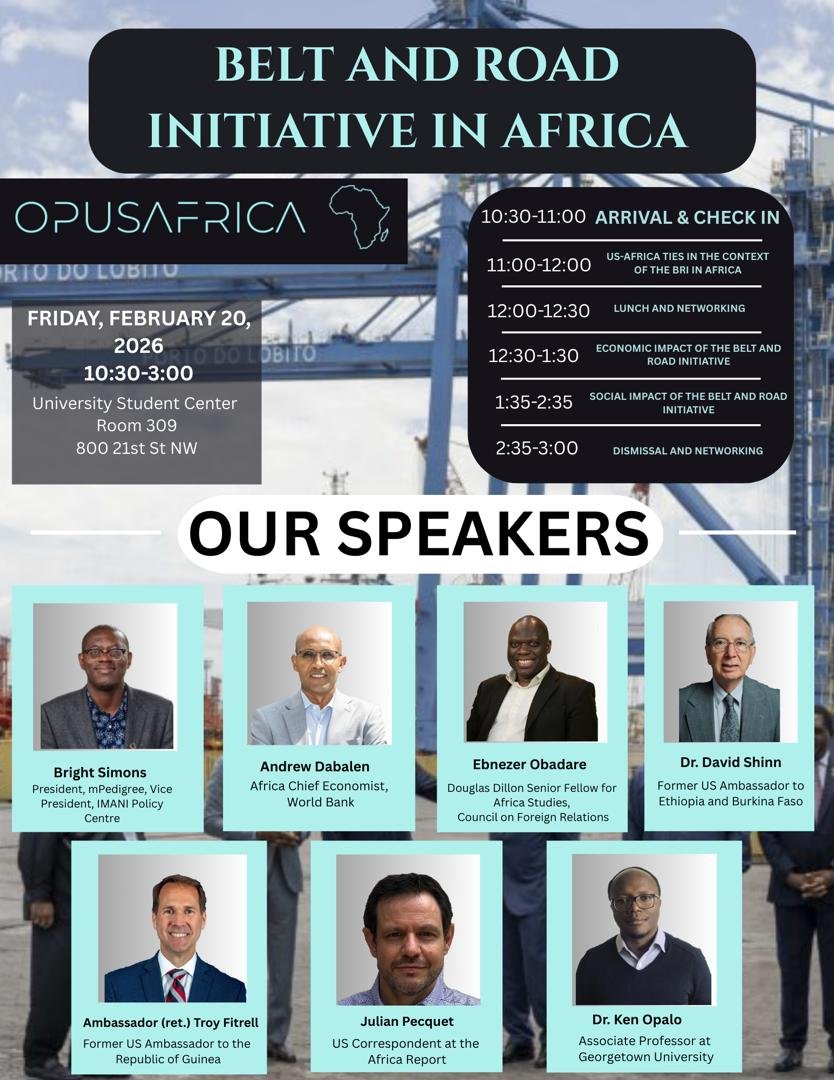
Join our Bright and a group of international analysts discuss and debate the economic impact of China's Belt & Road Initiative at Georgetown University this Friday.
An interesting outcome of Mayor Sadiq Khan's visit to Accra last summer is this fascinating event held today at the Bank of Ghana with the FCDO partnering.
Some of the issues tackled include how to empower the Ghanaian diaspora to serve as a bridge between Ghana and the UK, and to surface opportunities.
Bright reminded the audience that London and Accra both need each other. London's youth employment rate is about 25% higher than the UK national average, making it one of the most critical issues for the city. Accra likewise has a booming youth population with many struggling to find jobs.
The opportunity here is to boost services trade between the UK and Ghana. Currently the UK accounts for just 0.1% of Ghana's global services imports. And the reverse direction is equally underwhelming.
If post-Brexit UK and post - DDEP Ghana are going to find new growth poles to boost job creation, this is clearly a place to look. London is an established gateway, and Accra is an emerging gateway. One can spark the other to keep itself evergreen.
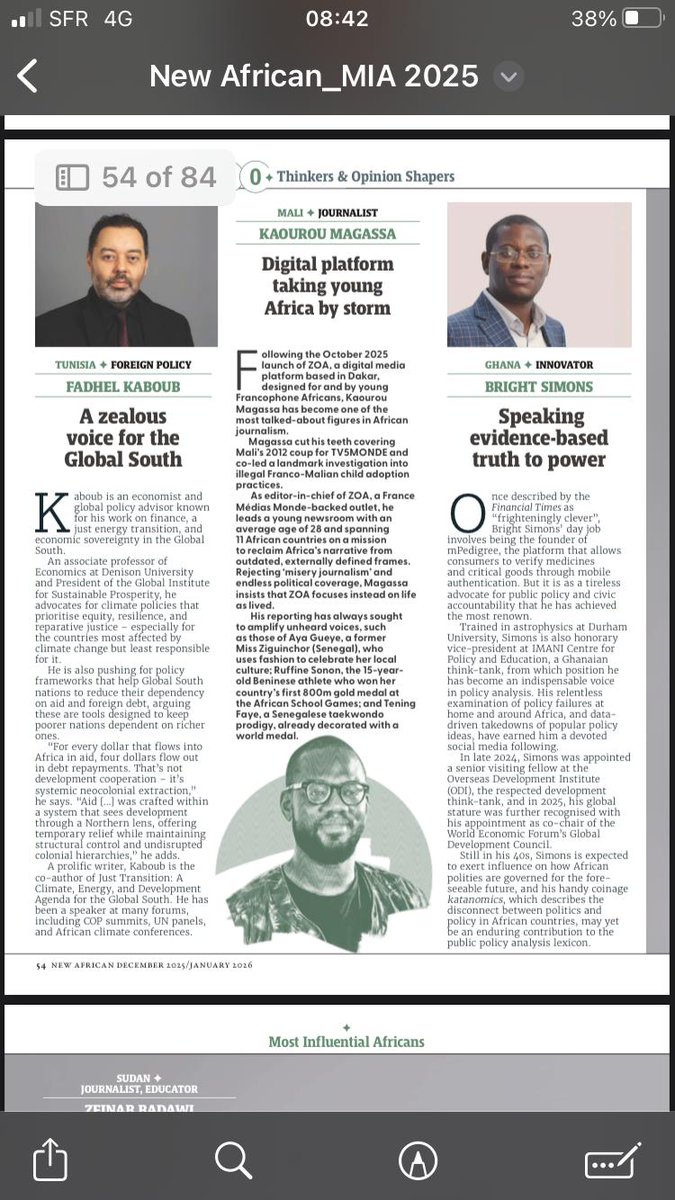
A defining recognition for Bright Simons, featured in the 100 Most Influential Africans in 2025.
He is an innovator and policy thinker known for speaking evidence-based truth to power, combining technology, rigorous analysis and civic advocacy to challenge weak governance and flawed public policy across Africa.
➡️ Read his full profile on MIA 2025 and join the conversation by sharing your thoughts.
🔗 Discover more on MIA 2025:
https://t.co/FZOPK7wY5F
@BBSimons
Highly recommended weekend/holiday read. From the Pwalugu Dam to the United Petroleum Price Fund (UPPF) and the never-ending galamsey fight, this paper explains ‘katanomic’ democracy, using Ghana largely as a case study. High political accountability, low policy accountability. Same failures on repeat. No national learning. Just political noise and vibes. The paper argues that this persistent policy failure is what’s giving democracy a bad name.
A nice shout-out to our compatriot, Bright, as he makes the List of 100 Most Influential Africans by New African Magazine, a staple of the annual African highlights calendar.
🌟👏🏽👏🏽👏🏽🌟
Full list: https://t.co/tdwbFHxufh
BREAKING NEWS: The #G20 Africa Expert Panel consists of leaders from various industries worldwide. This panel focuses on growth, debt and development opportunities for a new African partnerships.
This is who our panelists are.
#PartneringForAfrica
#G20SouthAfrica
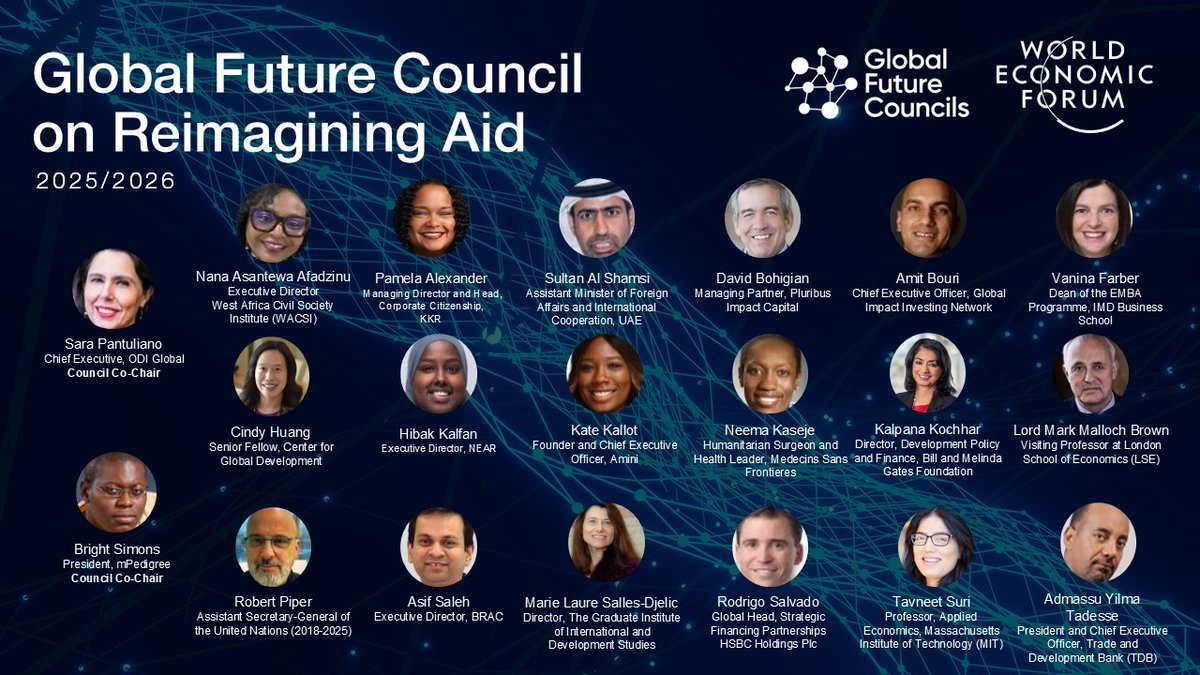
Massive cuts to development aid, geopolitical upheaval, and the erosion of support for multilateralism have upended global development. The World Economic Forum has thus convened a council of leaders co-chaired by Bright & Sara Pantuliano to explore fresh ideas for progress.
I had a great time chatting to Tobi Lawson & Feyi Fawehinmi on the Ideas Untrapped show. We talked about a wide range of subjects across innovation, political economy, & systems thinking. I know you're busy. I won't be pitching this if I didn't feel you'd like it. 😊
Question:
"If we were building the global development, solidarity and cooperation model afresh, would you vote for anything in the current one?"
Wilton Park, a think tank based in Sussex, is challenging leaders to think hard about the moral and intellectual choices that have led us to the world as we know it.