@mhdksafa Chocolate, wine, and coffee are all endangered by climate change, and I have no idea why that isn't the core and central message in advocacy.
@JamesThrot When COVID began circulating in the human population, "normal" fundamentally changed.
As more carbon enters the atmosphere, the climate's "normal" continues to change.
@JamesThrot I think what they have in common is the perception of "normal". Many people seem to understand the world as some kind of baseline to which everything will return after some event. I think they are unable to understand that "normal" changes over time.
Capitalism is not a system in which you can buy what you choose, that's commerce.
Capitalism is a system in which investors buy a percentage of your earnings, from your employer.
Instead of discussing how Elon Musk is now the world's first trillionaire, we should talk about how he killed hundreds of thousands of people through his dismantling of food and medical aid to poor countries
https://t.co/8kY171r5w1
@kenklippenstein The alternate point of view is that it's not idiotic, it's manipulative. Platner is popular among women voters, so the message that has to be pushed is that his campaign is problematic for women. If they successfully break his support in that group, their candidate might win.
@sjvn@TheRegister It's a little weird to suggest that CentOS release latency improved, making the Stream change unexpected, when the opposite is true.
Release latency was getting worse. Users of the GA users were running unpatched systems for 2-3 months out of the year.
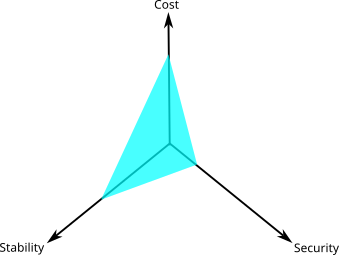
Free LTS systems optimize for cost and stability, but security coverage isn't great as a result. Upstreams stop producing patches long before the distribution ends the release, and free distributions aren't staffed to produce their own security patches for everything they ship.
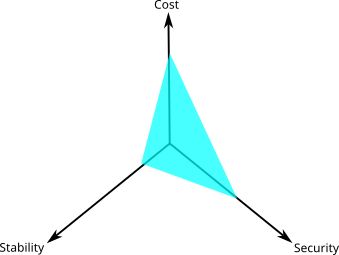
Fedora, on the other hand, optimizes for cost and security coverage. The trade off is long-term stability. A release can only reasonably last as long as upstream project releases typically do.