Episodic decision event: "A situation or event, out of a series of multiple events, in which a choice has to be made by an agency’s stakeholders towards the agency."
(6/n) @PPMG2018#Public#Reputation#PubAdmin
https://t.co/RLl8SU9qhi
Structurally related units: "Units that can be the object of (different) reputational beliefs but are related in such a way that for example one unit is a necessary component of, is defined by, or is managed by the other unit."
(5/n) @PPMG2018
https://t.co/RLl8SU9qhi
🔹 ranking information, which is reported and applied by ordering units according to this rank, results in relatively more attention being paid to the top-ranked units.
https://t.co/4mU6Wtrg5o
(5/n)
Rankings are used to present information and aggregate multiple dimensions of performance into an overall score.
@PMReview_
(1/n)
https://t.co/4mU6Wtrg5o
🔹 the addition of ranking information draws attention away from other performance information, suggesting the existence of a substitution effect
https://t.co/4mU6Wtrg5o
(4/n)
... but maybe politicians, media outlets, (and researchers!) should not only be focused on the smallest differences in society, but also take a step back and give some room for the fundamental things that are very similar across groups in society.
https://t.co/VRl8ypoUTH
When following the US presidential elections and the recent transfer of power, one would think that Republicans and Democrats disagree on almost anything, including many aspects of how good education should take place.
https://t.co/VRl8ypoUTH
Building on a sample of 19,032 US citizens, it seems that citizens are not that polarized compared to the rhetoric of politicians. For opinions on the purpose of education, we hardly find any differences between democrats and republication,…
https://t.co/VRl8ypoUTH
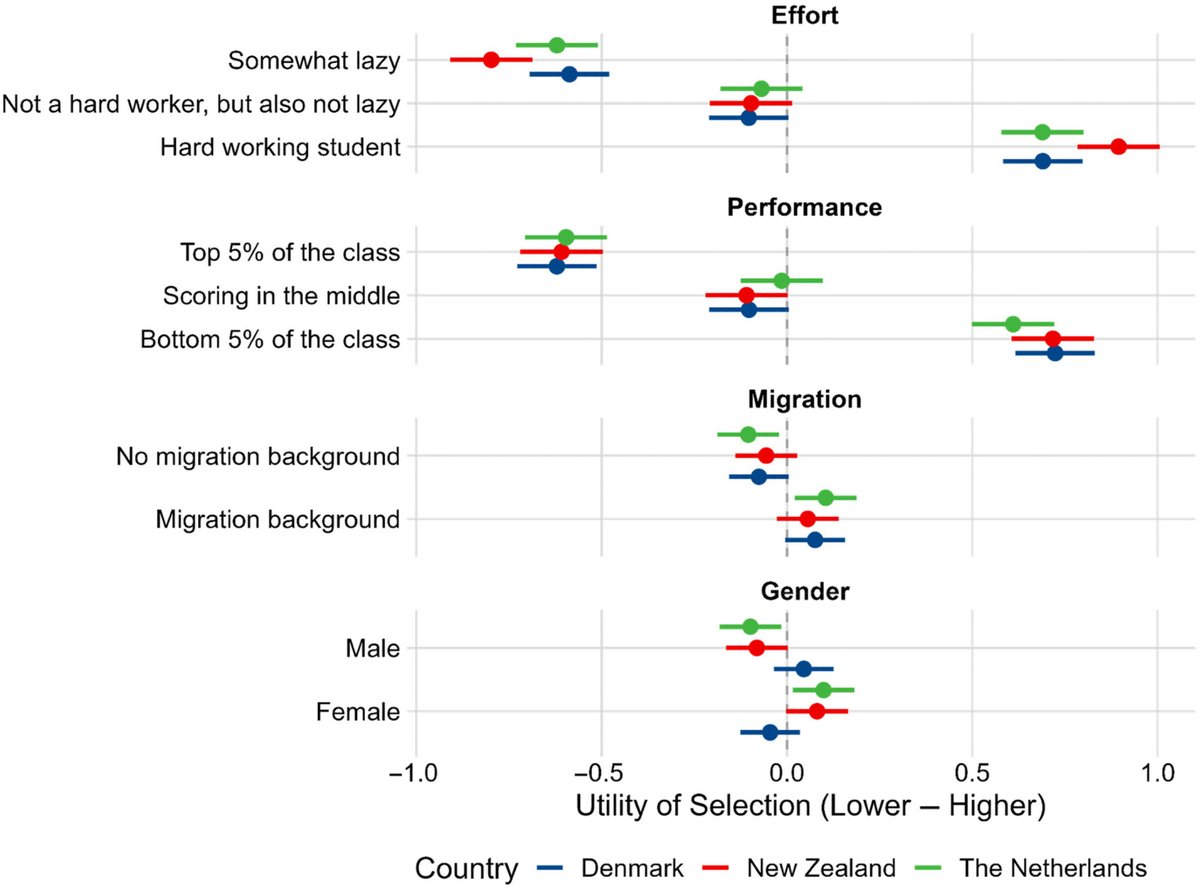
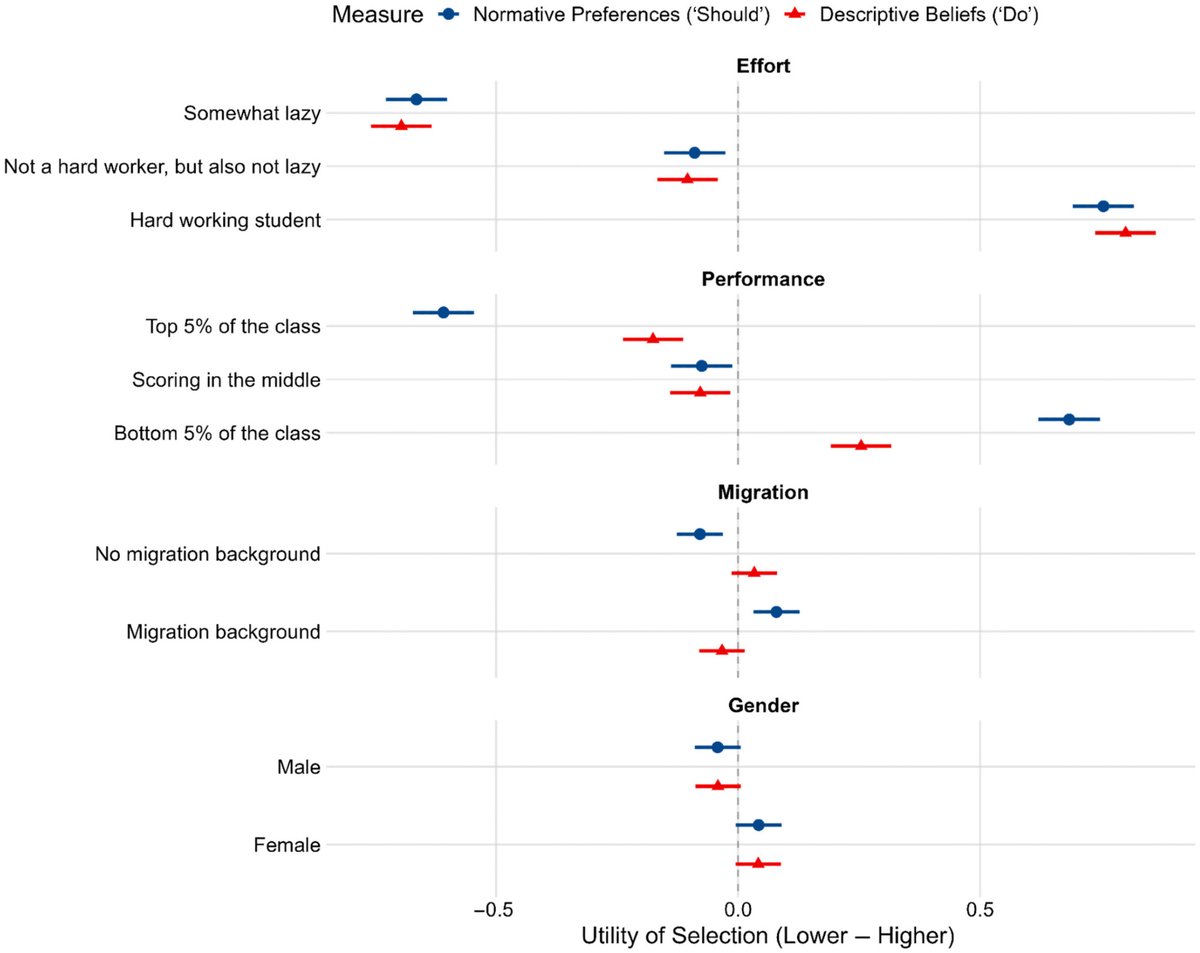
Public servants often need to prioritize clients in public services, because of the limited resources they have for dealing with an almost infinite demand of public and social needs.
(1/n)
https://t.co/hcHeUPhhFo