🏰 MANOIR DE LA SAUCERIE
📍 Normandy, France
Built between the 15th and 17th centuries, the Manoir de la Saucerie is a rare fortified manor house in Normandy, blending medieval defensive architecture with early Renaissance design.
12/ Today, the fortress remains one of Scotland's most atmospheric ruins—a grim monument to centuries of war, intrigue, and frontier violence.
"The guardhouse of the bloodiest valley in Britain." ⚔️🏰
1/🏰 Hermitage Castle — Scotland’s Darkest Frontier Fortress
Rising alone in the desolate valley of Liddesdale, Hermitage Castle is one of the most intimidating medieval fortresses ever built in Britain.
Known as the "Strength of Liddesdale"
Let's Explore 🧵👇
11/ THE WEST RANGE
The remains of the West Range can still be seen inside the courtyard.
This area once contained service rooms, kitchens, storage spaces, and accommodation for the castle's garrison, forming the logistical heart of the fortress.
🏠 THE SMALLEST HOUSE IN GREAT BRITAIN
📍 Conwy, Wales
Measuring just 72 inches (1.8 m) wide, this tiny red house on Conwy's quayside is officially the smallest house in Great Britain.
Remarkably, it remained a home until 1900 and is now a Grade II listed landmark.
🏰 WALSINGHAM PRIORY
📍 Norfolk, England
Once known as "England's Nazareth," Walsingham was one of medieval Europe's greatest pilgrimage sites, drawing royalty and commoners alike for nearly 500 years.
Henry VIII destroyed it in 1538 during the Dissolution of the Monasteries.
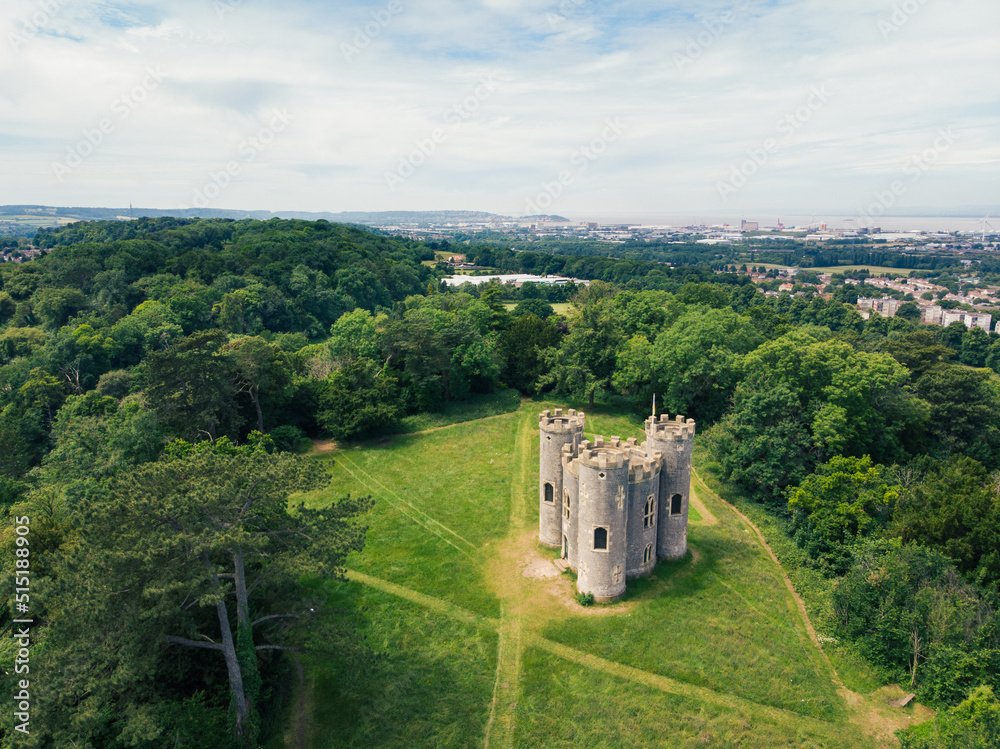
12/ BLAISE CASTLE TODAY
The surviving castle remains one of Britain's finest Gothic Revival follies.
Its round tower, turrets, battlements, Gothic openings and limestone construction perfectly capture the Romantic era’s fascination with medieval architecture.
11/ ROOF VIEWING PLATFORM
Above the tower lies one of Blaise Castle’s most famous features.
The roof platform provides panoramic views across:
-Bristol
-Avon Gorge
-Severn Estuary
-South Wales
The viewpoint was a key purpose of the entire structure.
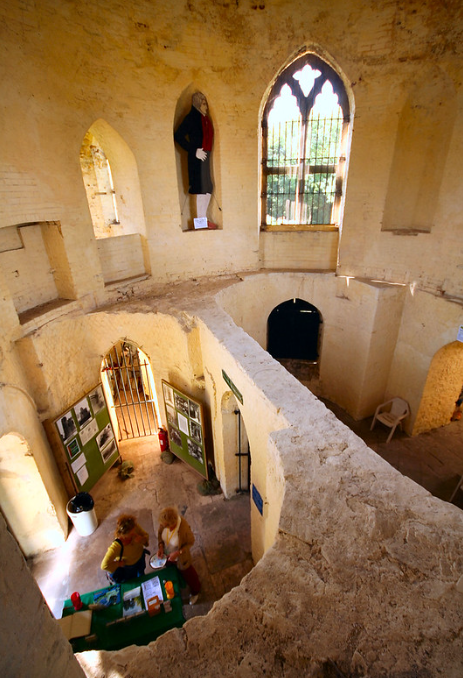
10/ INTERIOR CHAMBER
Inside is a compact circular chamber contained within the central tower.
-Curved internal walls
-Stone construction
-Minimal decorative ornamentation
-Access to upper viewing levels
The interior was designed for visitors rather than long-term residence.
9/ ENTRANCE ARCHWAY
The entrance is framed by a pointed Gothic arch.
Architectural details:
-Dressed limestone surrounds
-Symmetrical composition
-Medieval-inspired proportions
It creates an imposing first impression despite the castle's decorative purpose.
8/ GOTHIC WINDOWS
Small Gothic-style openings punctuate the stone walls.
Features:
-Pointed arches
-Deep stone surrounds
-Narrow proportions
They reinforce the illusion of a medieval fortress while allowing light into the interior.
5/ NORTH TURRET
One of three projecting turrets attached to the main tower.
Features include:
-Circular form
-Narrow slit-style openings
-Crenellated top
-Decorative medieval appearance
These turrets enhanced the castle’s romantic silhouette rather than its defenses.
7/ BATTLEMENTS
The castle is crowned by crenellated parapets.
Architectural elements:
-Alternating merlons and embrasures
-Continuous stone parapet
-Elevated viewing platform
These battlements imitate genuine castle defenses but were built purely for appearance.
6/ SOUTH TURRET
Mirroring the other corner turrets, the south turret creates balance in the castle’s design.
Its projecting form adds vertical emphasis and reflects the Gothic Revival fascination with medieval military architecture.