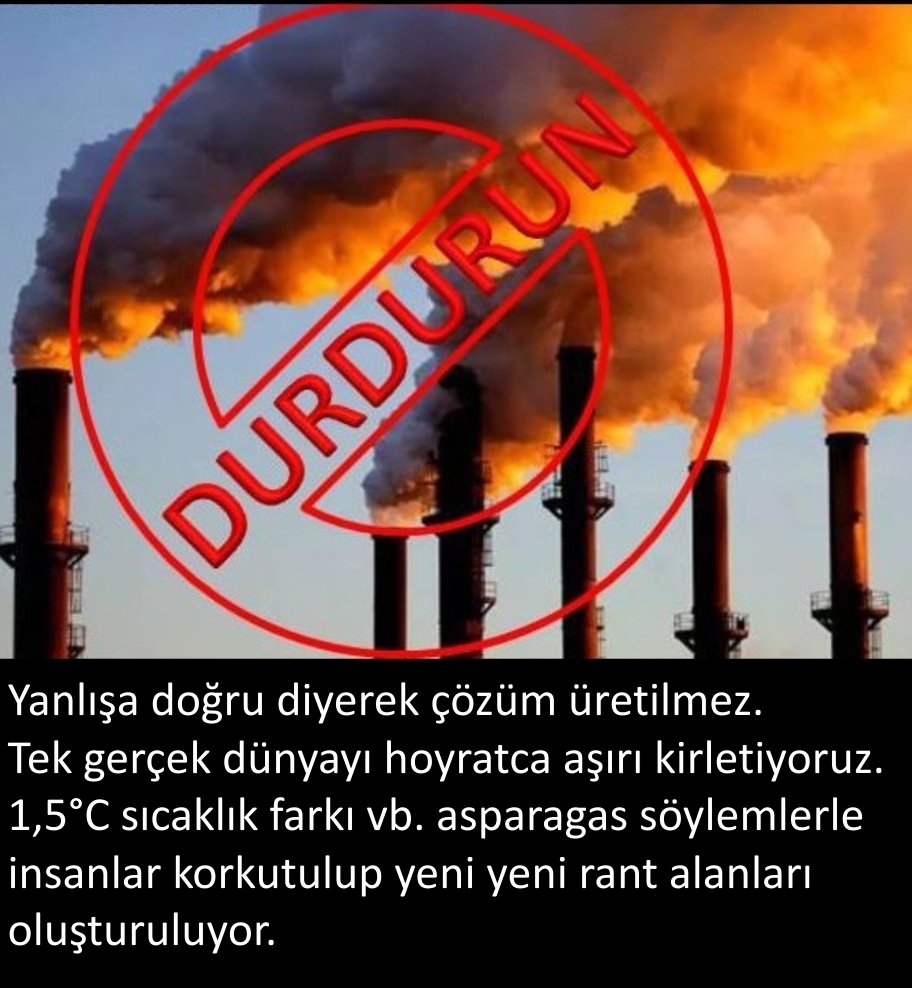
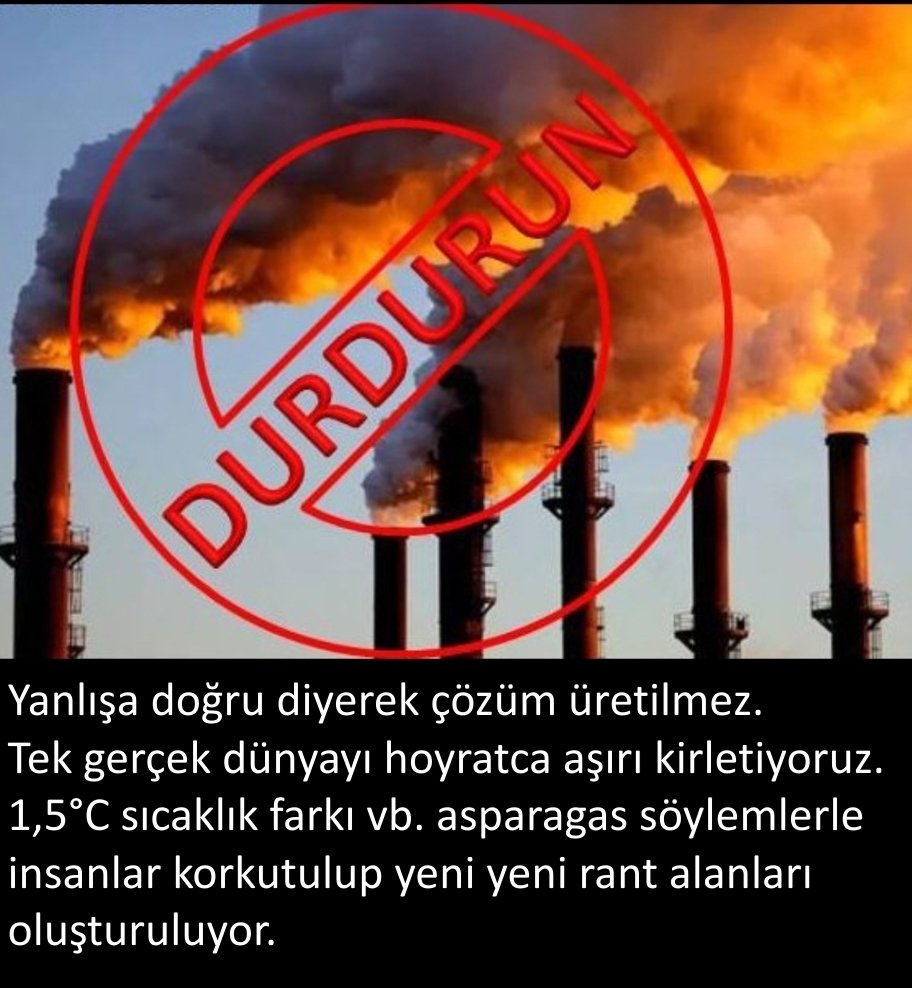
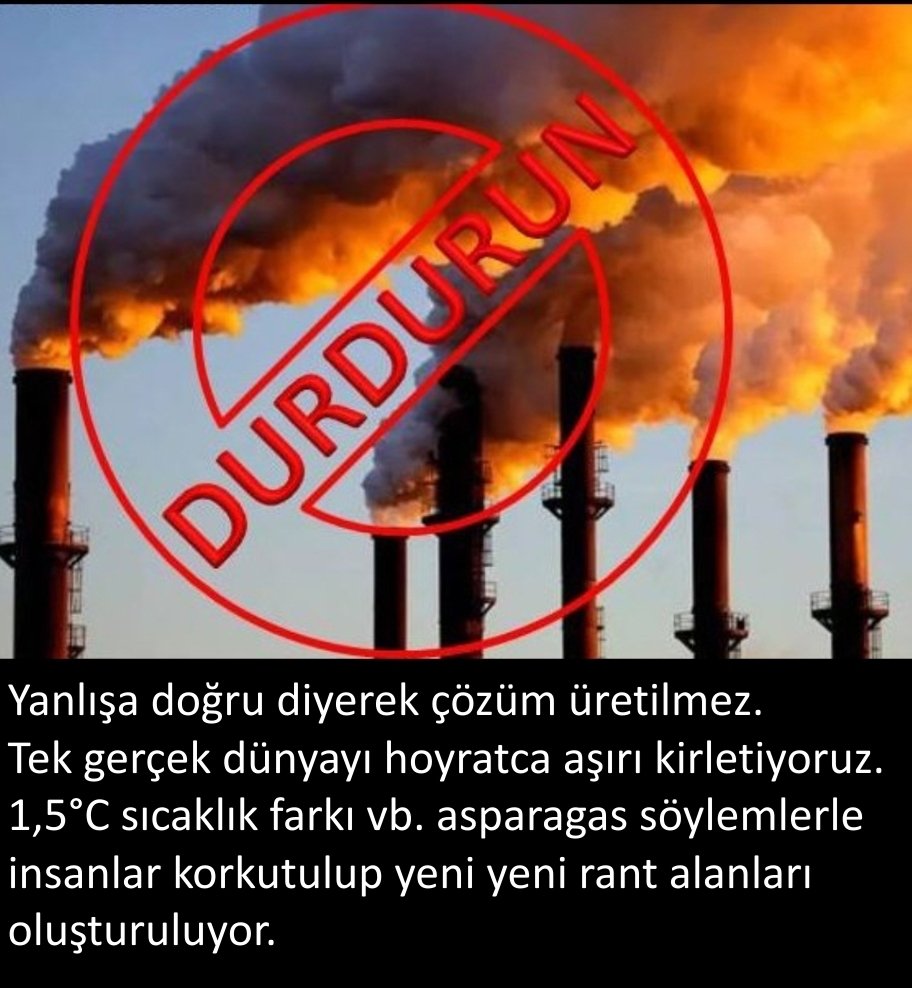
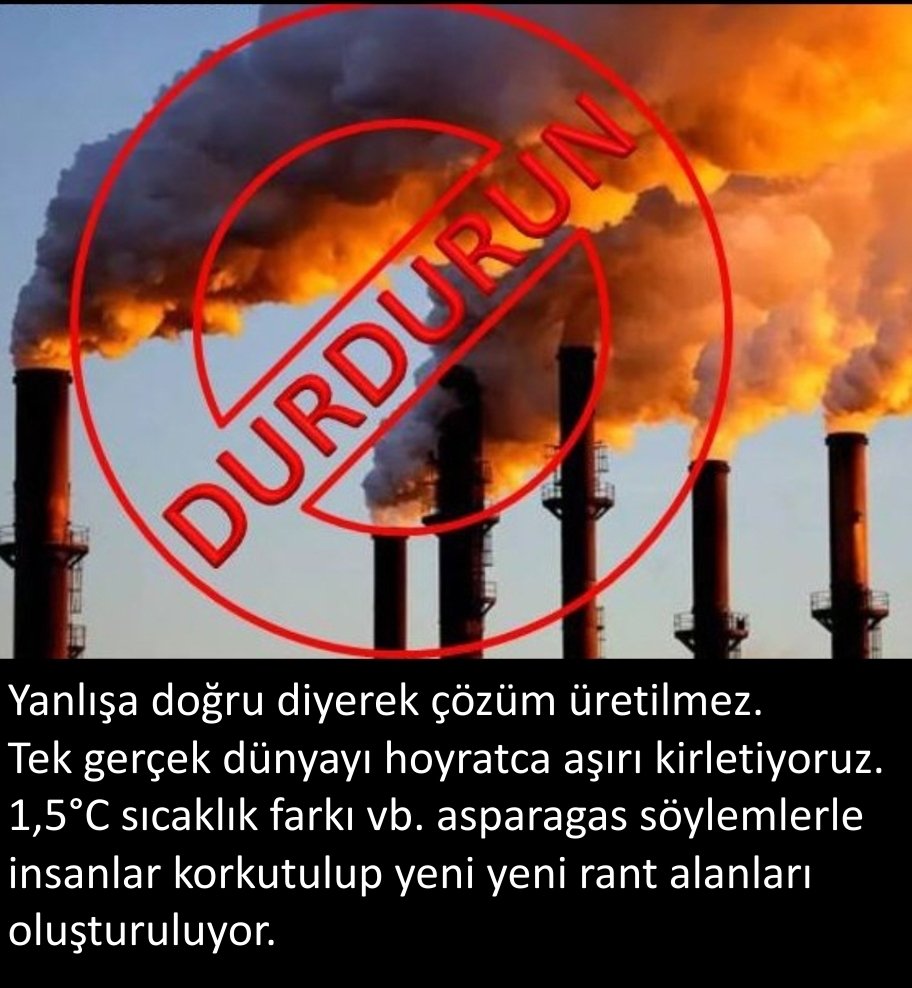
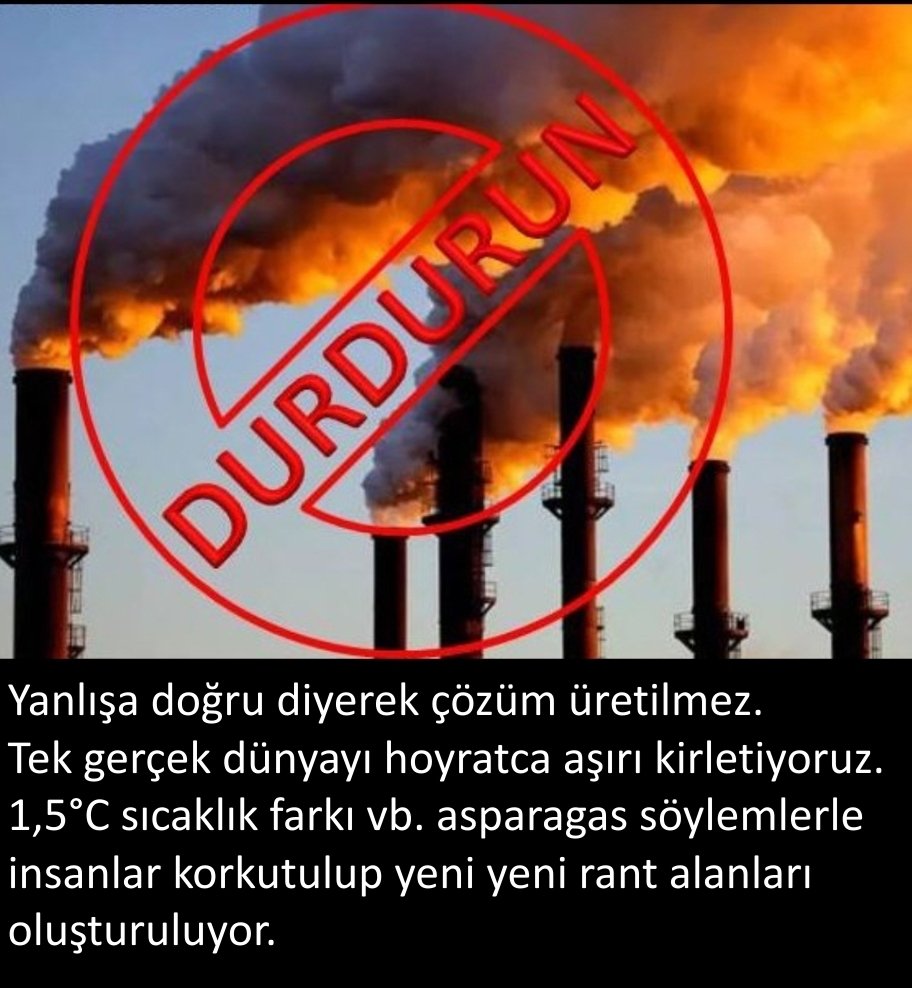
@aBayraktar1@samedagirbas
Yenilenebilir Enerji(HESler hariç)hiçbir zaman ana enerji kaynağı olamayacak.Yapılacak yatırımların faydasından çok zararı var
Mevcut YenilenebilirEnerji kaynakları(RES veGES)kısa vakitte verimli kullanım ömürlerini tamamlayacaklar
Ya sonra❓https://t.co/kKtUKIUiIN
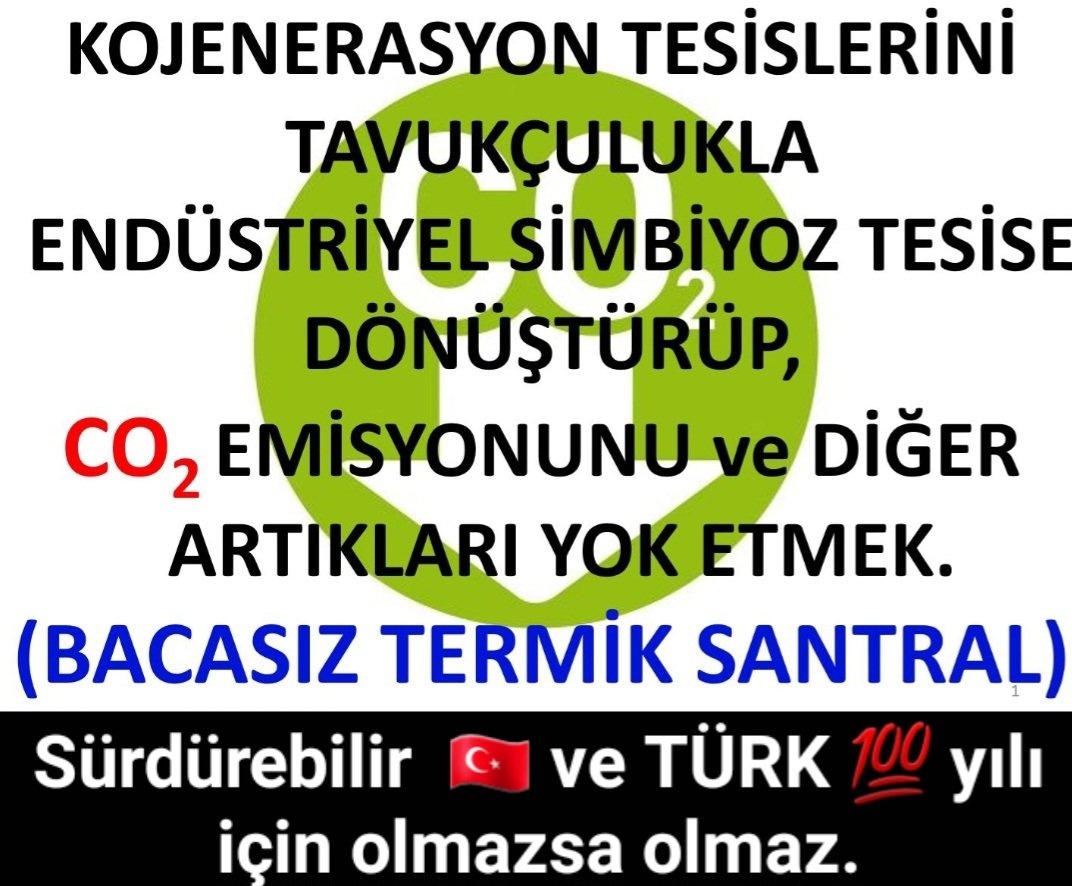
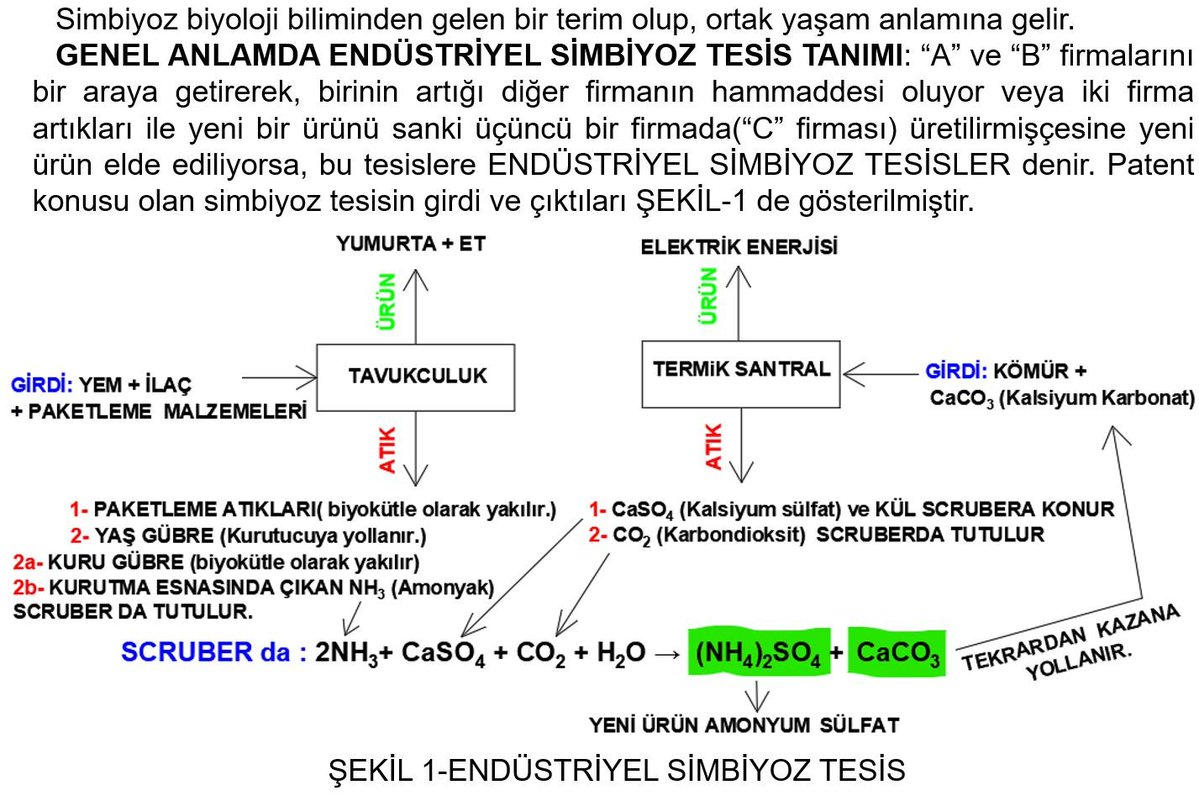
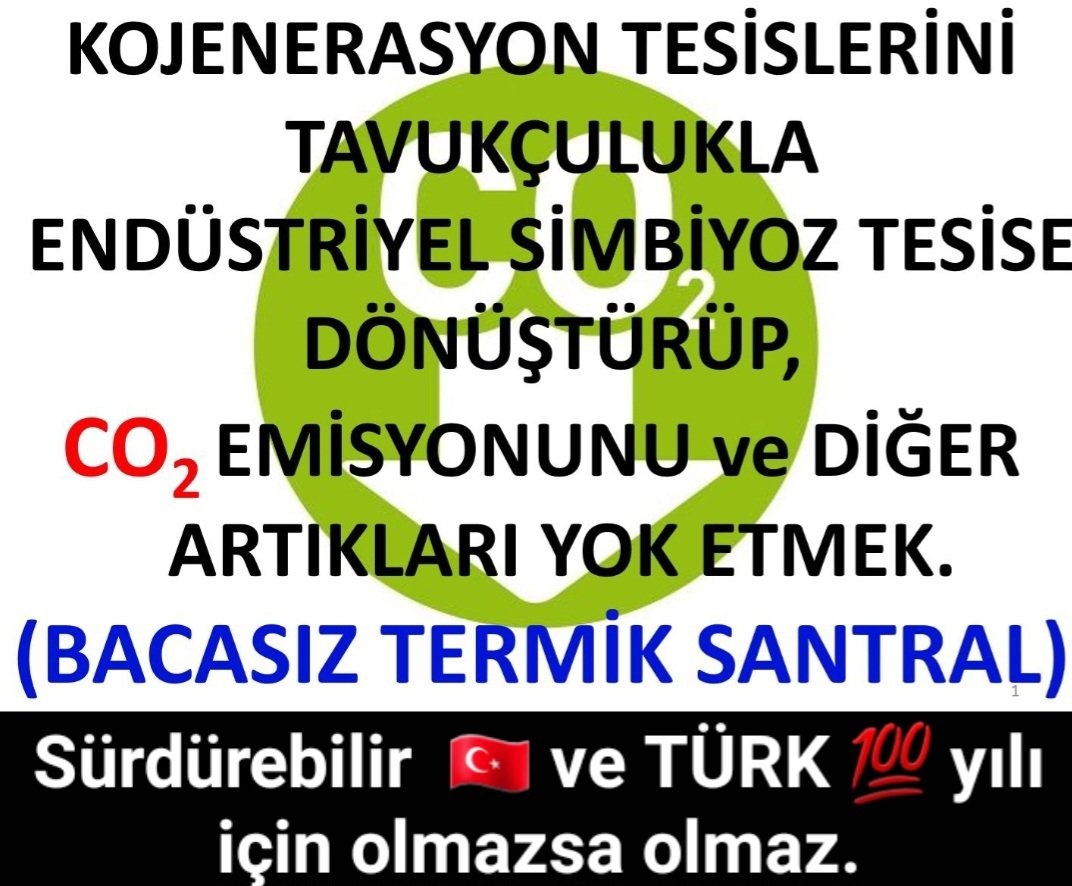
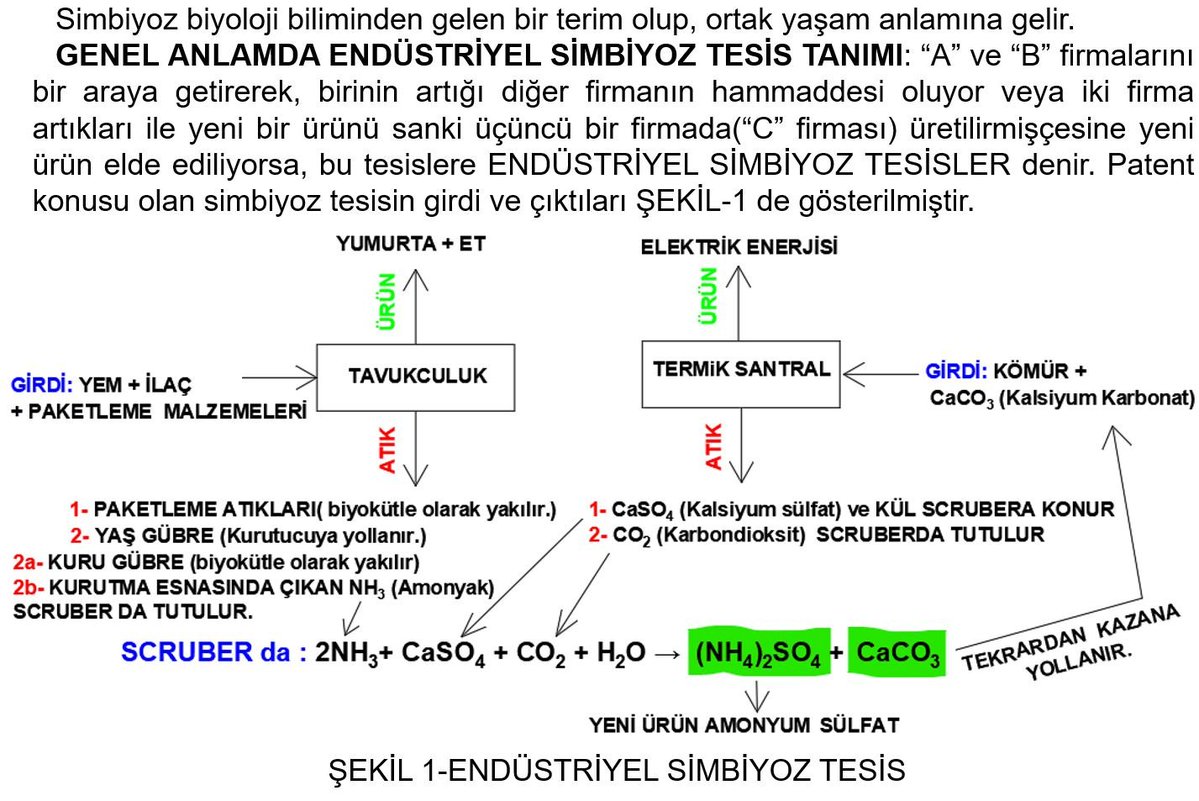
@mustafaciftcitr@EmineErdogan Termik Santralleri Tavukculukla SİMBİYOZLAŞTIRIP #BACASIZLAŞTIRIRSAK sürdürebilir,mükemmel ekosisteme sahip oluruz.
Hayvancılık,tarım,madencilik, ihracat çok artacak.Halk ucuzYUMURTA ve ET yiyecek
#SıfırAtık'ın en güzel hayat bulmuş hali olacak.
Çevre,İnsan ve herkes KAZANCAK⤵️
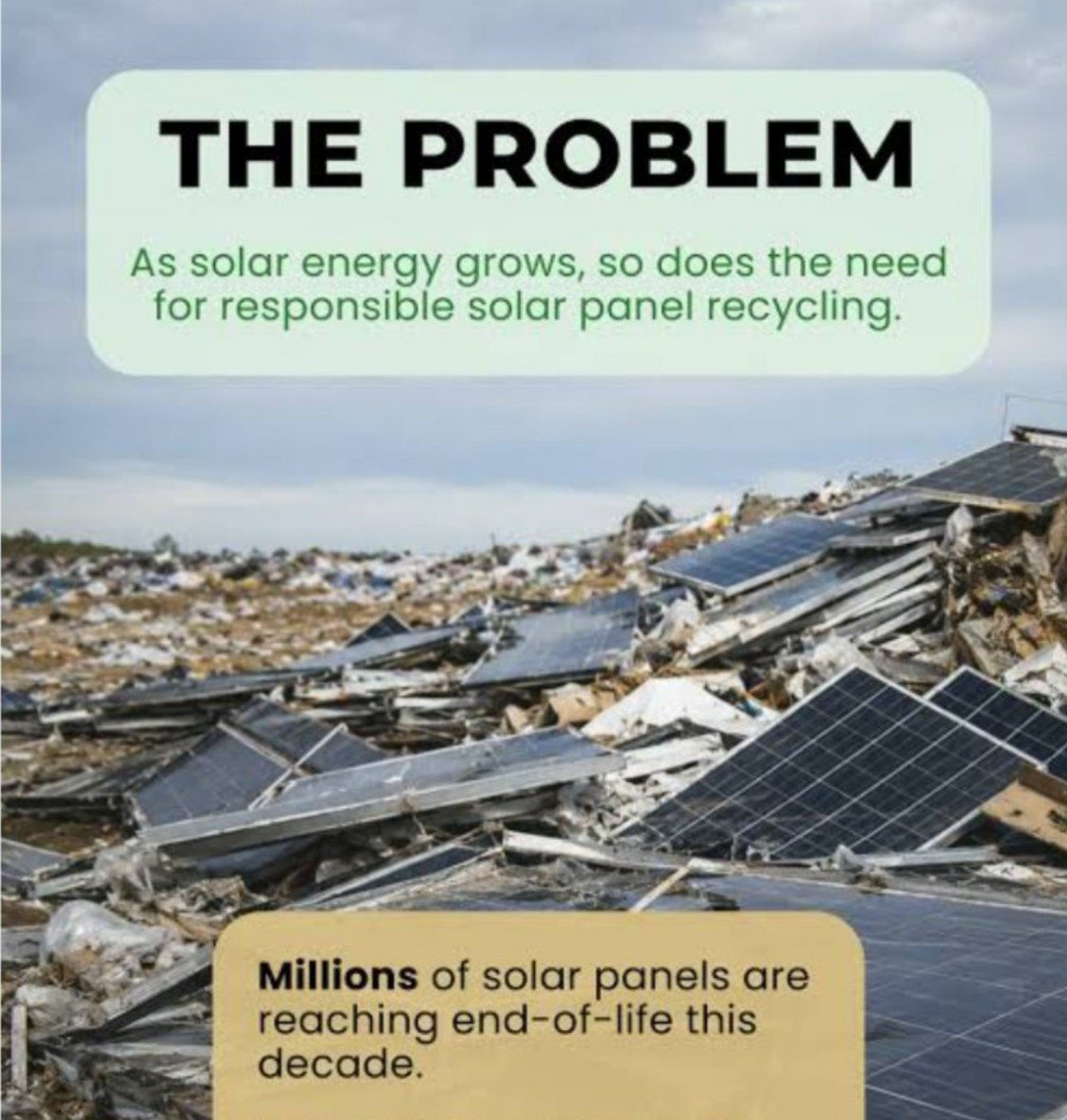
Millions of solar panels are hitting their end-of-life cycle, and the world is completely unprepared for the coming toxic avalanche.
By 2050, the International Renewable Energy Agency projects up to 78 million metric tons of solar e-waste. Where is it all going to go?
The industry boasts that solar panels are '95% recyclable'. Technically, yes - because they are made of glass, aluminum and copper. But economics always trumps physics. In Australia and the US, it costs roughly $20 to $28 to properly disassemble and recycle a single panel, but only about $4 to dump it in landfill.
Because there is no financial incentive, up to 90% of decommissioned panels go straight into the ground.
Each solar panel is an industrial 'sandwich' bound tightly by heavy polymers. To extract the microscopic amounts of valuable silver and high-purity silicon requires energy-intensive chemical and thermal baking.
When they are crushed or left to fracture in landfills, heavy metals like lead and cadmium can leach into the surrounding soil and groundwater, turning 'clean energy' into a multi-generational hazardous waste problem.
The crisis is accelerating faster than models predicted. Because solar cells degrade and lose efficiency, and because newer, cheaper panels hit the market, consumers and solar farms are ripping out functional systems at least a decade early to upgrade.
This compressed lifecycle creates an endless loop of unrecyclable industrial trash.
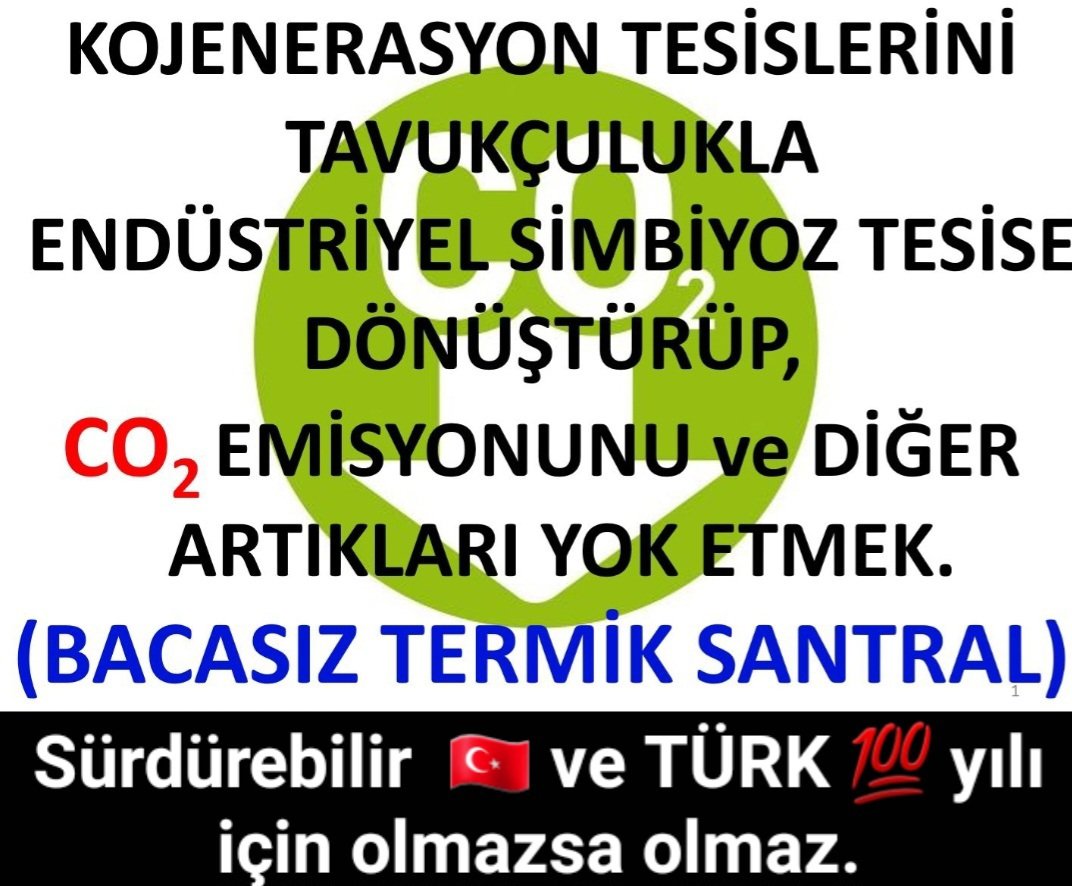
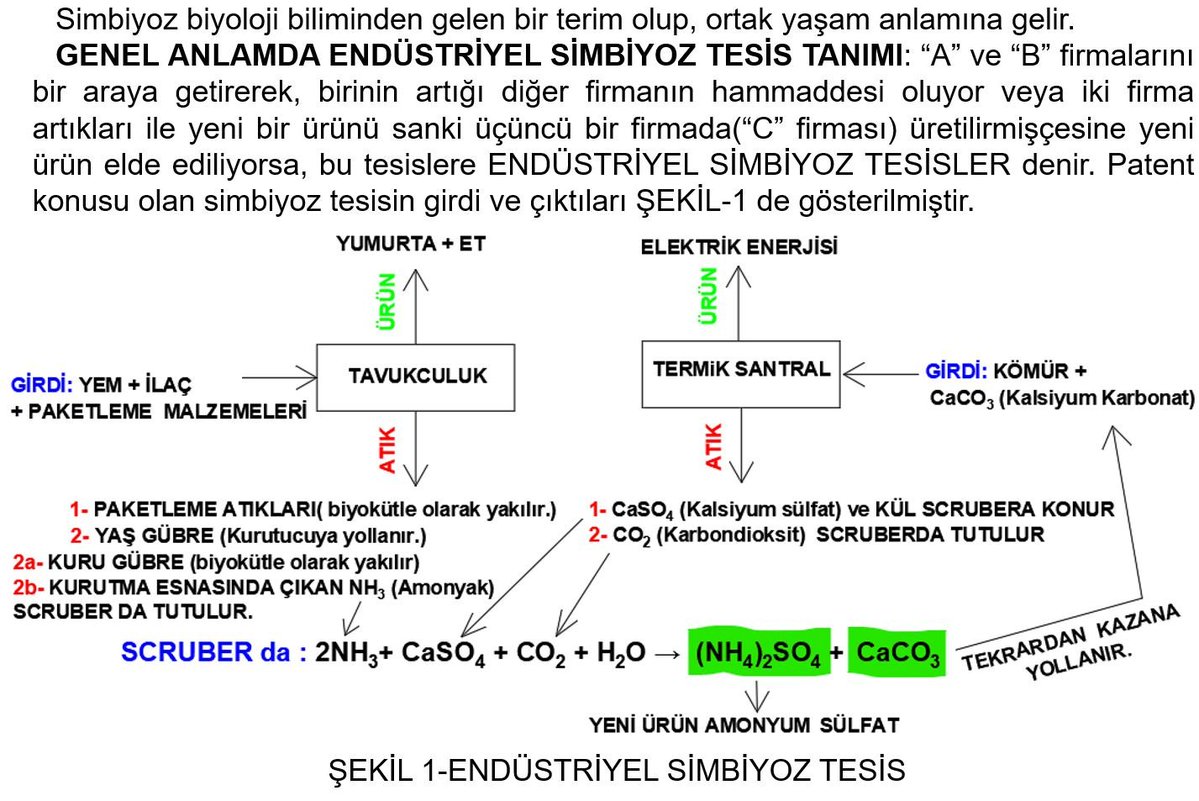
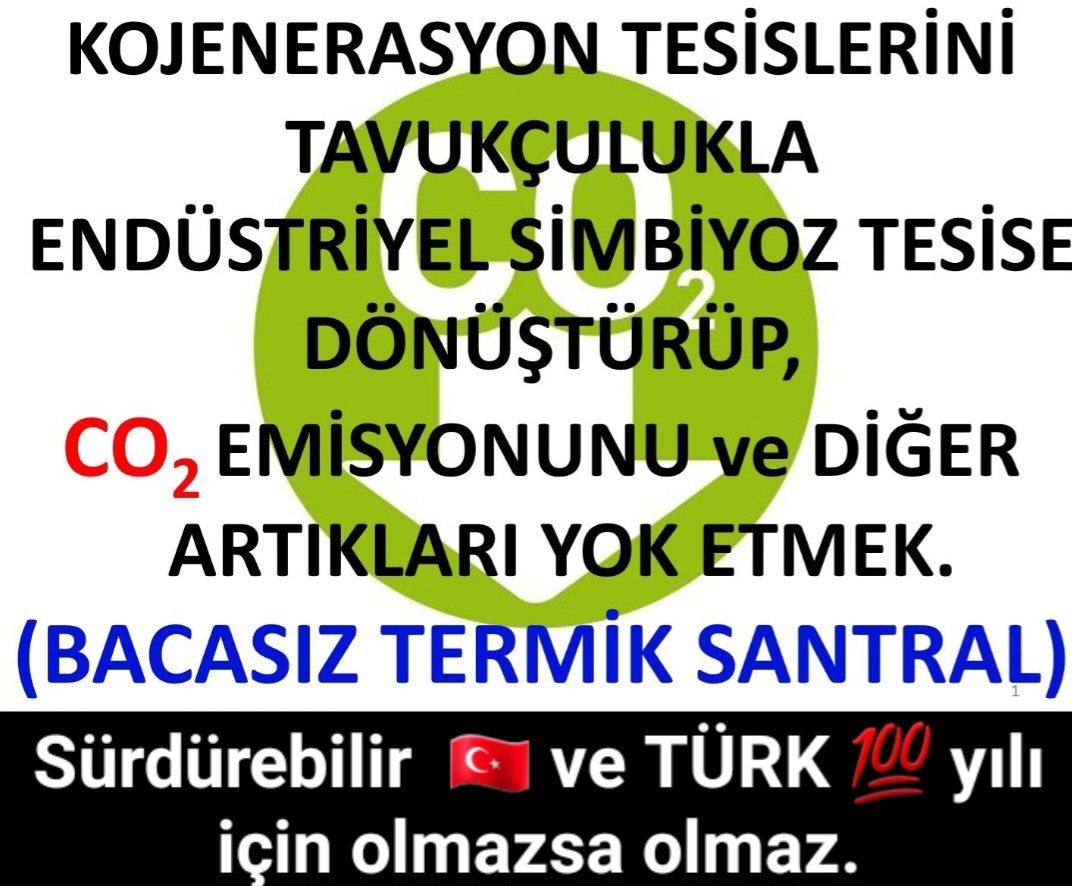
@gulsenorhan Termik Santralleri Tavukculukla SİMBİYOZLAŞTIRIP #BACASIZLAŞTIRIRSAK sürdürebilir,mükemmel ekosisteme sahip oluruz.
Hayvancılık,tarım,madencilik, ihracat çok artacak.Halk ucuzYUMURTA ve ET yiyecek
#SıfırAtık'ın en güzel hayat bulmuş hali olacak.
Çevre,İnsan ve herkes KAZANCAK⤵️
The world has spent $7 trillion on wind and solar. That global fleet produces an average of around 630 GW.
The same $7 trillion could have built roughly 1,400 modern nuclear reactors, producing around 1,400 GW on average -- so more than twice the power.
Wind and solar generally last around 20 years (a lot less by some estimates), whereas nuclear plants can operate for 80 years or more.
Over 80 years, wind and solar must be built four times -- a cost of $28 trillion to maintain 630 gigawatts.
The same $28 trillion spent on nuclear would deliver roughly 5,600 gigawatts -- nearly nine times the power.
Also, nuclear produces this regardless of the weather, whereas wind and solar require 24-7 backup (usually gas, not included in these calculations).
One gigawatt of wind capacity requires about 2,900 tons of copper. At a standard ore grade of 0.6%, 99.4% of the ore is not copper.
Producing those 2,900 tons therefore requires processing roughly 480,000 tons of ore. That is about 1,200 full loads in a 400-ton-class mining truck.
And it excludes the waste rock, overburden and processing losses. Count those and the total material moved can exceed 1 to 2 million tons.
And that's before adding the steel, concrete, fiberglass and other materials required by the wind project.
The "green" turbine does not begin with the wind. It begins with a mountain being blasted, hauled and crushed.
Sokaktan topladığı ekmekleri paylaşan bir adam Cumhurbaşkanı Erdoğan'a seslendi:
"İsrafta dünya birincisiyiz. Sayın Cumhurbaşkanım israf kanunu çıkartalım."