Welcome to GraphDevs 🛠️ The hub for devs building on The Graph!
Featuring:
🔷 Tutorials & best practices
🔷 Developer spotlights & success stories
🔷 AMAs with The Graph team
🔷 Tips & tricks for optimizing your dApps & more!
Sharing content for builders, by builders 🏗️
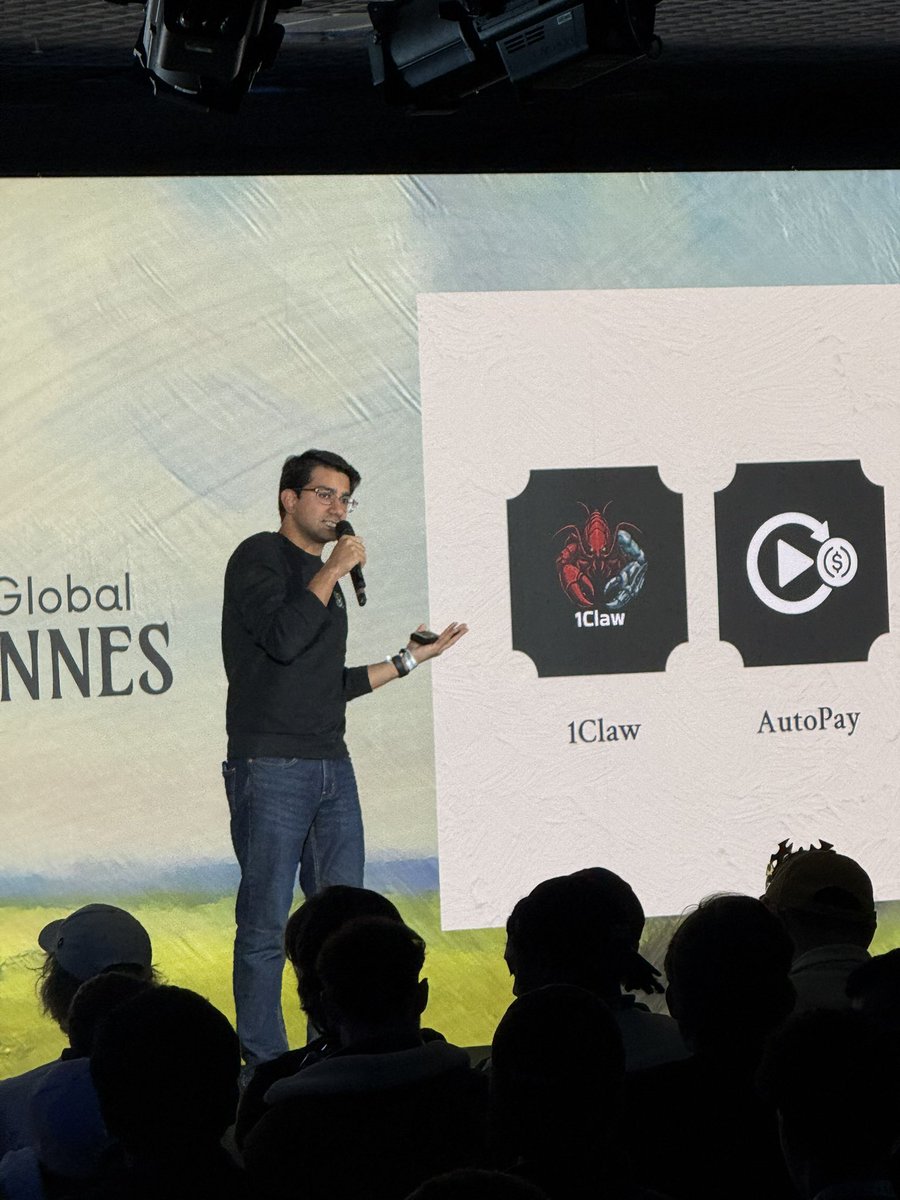
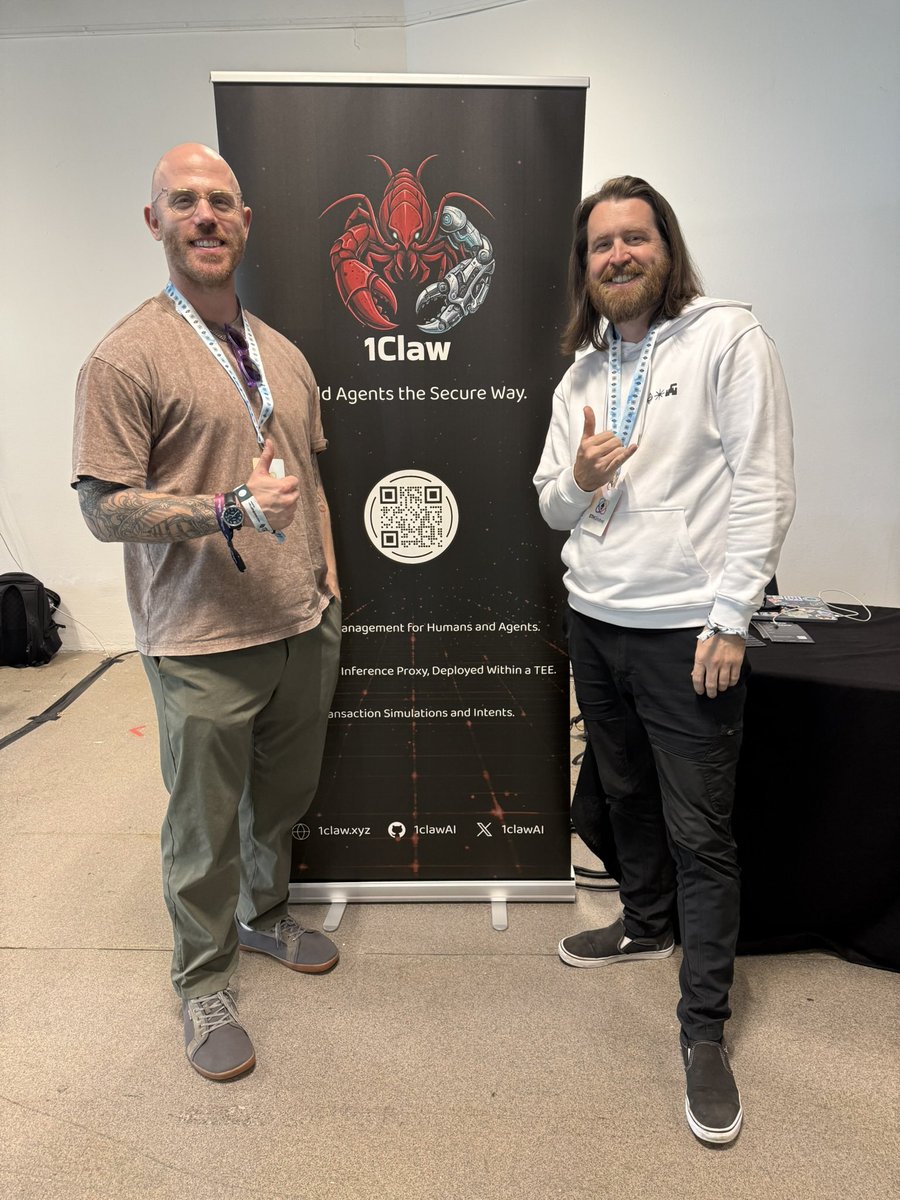
1Claw was in full effect at ETHGlobal Cannes, helping hackers build AI Agents the secure way. 🔐
ICYMI checkout https://t.co/fYdcm3ykYU and be sure to follow this account for a ton of content on that topic.
Starting with a series of bootcamps starting next week.🫡
Thanks again for having us @ETHGlobal and @EthCC
See you at the next event!
My favorite way to describe @edgeandnode's Amp is:
"What if we rebuilt Postgres from the ground up knowing it would be purpose-built for blockchain data?"
That's Amp.
@graphprotocol
Check out the repo ⬇️
Curious about Amp - the blockchain native database?
Live today @ 1pm EST on @graphprotocol Office Hours!
@leoyvens (Sr. Eng @edgeandnode) joins me on @GraphDevs to share why Amp was built, what inspired it, and what’s ahead for web3.
�� on @GraphDevs
Q's on Discord ⬇️🔗
🇦🇷 Hackers at @ETHGlobal Buenos Aires were the first to use Amp, the blockchain native database designed for building, publishing, and remixing smart contract datasets instantly.
Amp turns onchain activity into structured, real-time datasets that developers can query with standard SQL. Builders write contracts, register datasets, run queries, and integrate the results directly into their products.
But what exactly can you do with Amp?
Here are the ETHGlobal Hackathon winners showcasing what can be built with Amp:
💻 Amplify
Amplify created a full smart contract development environment in the browser. Developers wrote Solidity contracts, deployed them locally, and instantly queried the blockchain events using SQL because Amp automatically converted contract ABIs into SQL tables.. The team also added charting and dataset visualization on top. Using Amp, they shortened the loop between writing a contract and using its data in a product.
💻 Bleeth
Bleeth introduced a liquidity-competition mechanic where users migrate assets between pools during an attack window. The team relied on Amp to take a snapshot of liquidity positions and user balances at the exact moment the event occurred. They used SQL queries to identify who lost the liquidity contest and to compute the resulting outcomes. Using Amp, the team avoided custom indexing logic and made the core mechanic possible within the time constraints of a hackathon.
💻 ALA
ALA focused on research-driven market making using Uniswap v4. The project combined natural-language prompts, SQL generation, and simulation. Amp provided the underlying datasets, and the system translated research questions into SQL that ran against those datasets. This allowed the team to prototype a workflow where users move from an idea to a research output without having to manually prepare data.
💻 RangeSeeker
RangeSeeker built an agentic liquidity manager for Uniswap v3 on Base. Users described their strategy in natural language, and the agent used Amp data to monitor pool conditions, estimate volatility, and determine when to rebalance. Because Amp updates in real time, the logic could react to fresh onchain state without relying on external indexing services.
Across these projects, several patterns were clear. Teams shipped products that required structured onchain data without spending hours on indexing or backend setup.
- Real-time datasets removed waiting periods and made rapid iteration possible.
- SQL provided a familiar interface for analytics, strategy logic, dashboards, and agents.
- The range of use cases was broad, which suggests that developers will apply Amp to many more categories once the full release is available.
If you want to follow updates on Amp and future developer preview opportunities, keep an eye on the Edge and Node channels and The Graph ecosystem announcements.