GRAPPA - Group for Research and Assessment of Psoriasis and Psoriatic Arthritis is an international collaboration aiming to improve the care of Pso/PsA patients
👏 Please join us in welcoming GRAPPA member Javohir Mullokulov from Uzbekistan!
Javohir is a rheumatologist and assistant professor at Tashkent State Medical University. His research interests include reactive arthritis, psoriatic arthritis, and improving rheumatology care in underserved communities.
We look forward to collaborating with Javohir to advance psoriatic disease research and strengthen connections across Central Asia.
🌎 We're delighted to have you as part of the GRAPPA community, Javohir!
#GRAPPA #PsoriaticDisease
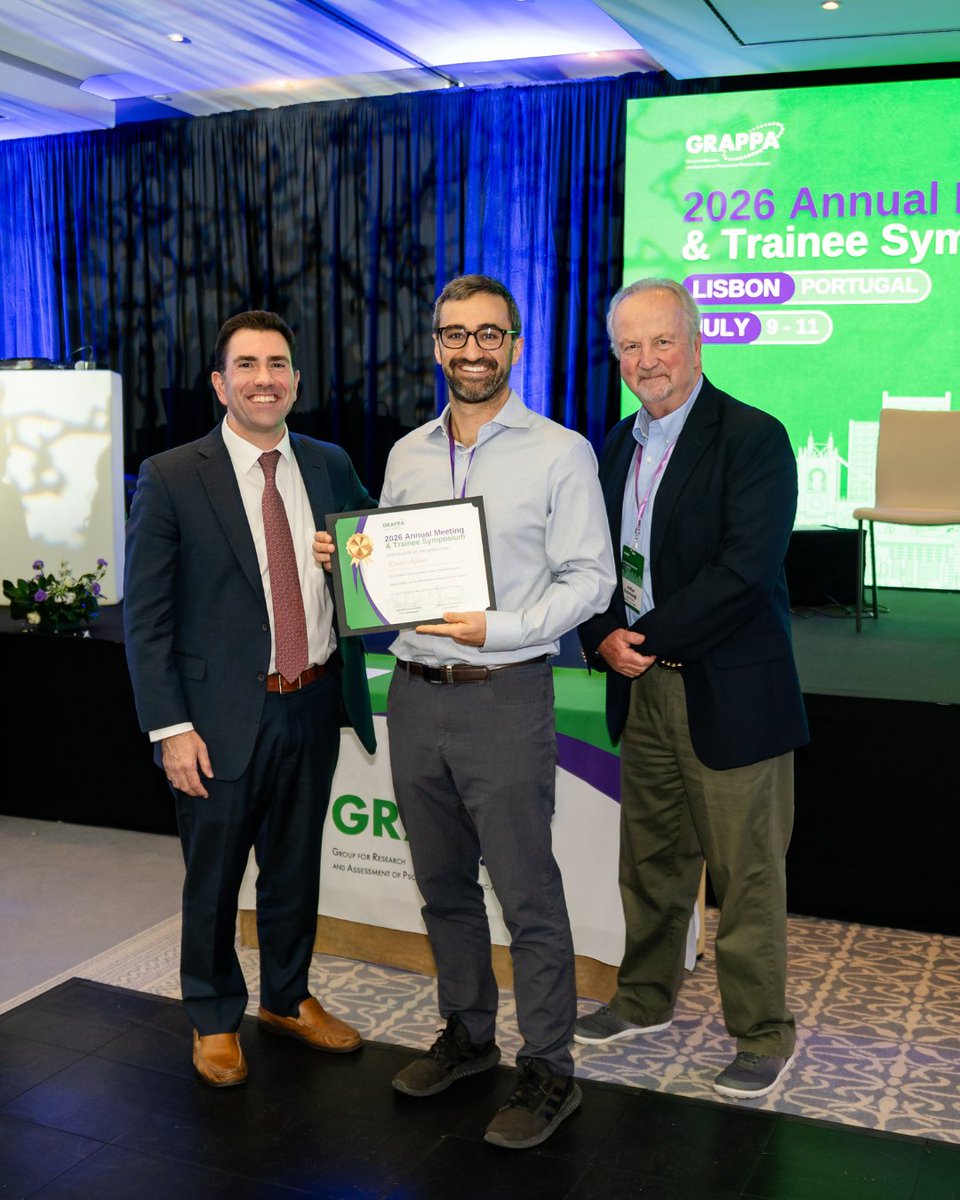
🌟 Trainee Abstract Oral Presentation Highlight from the GRAPPA Trainee Symposium at the 2026 Annual Meeting in Lisbon 🌟
David Kellner, from UCLA, United States, delivered the following presentation:
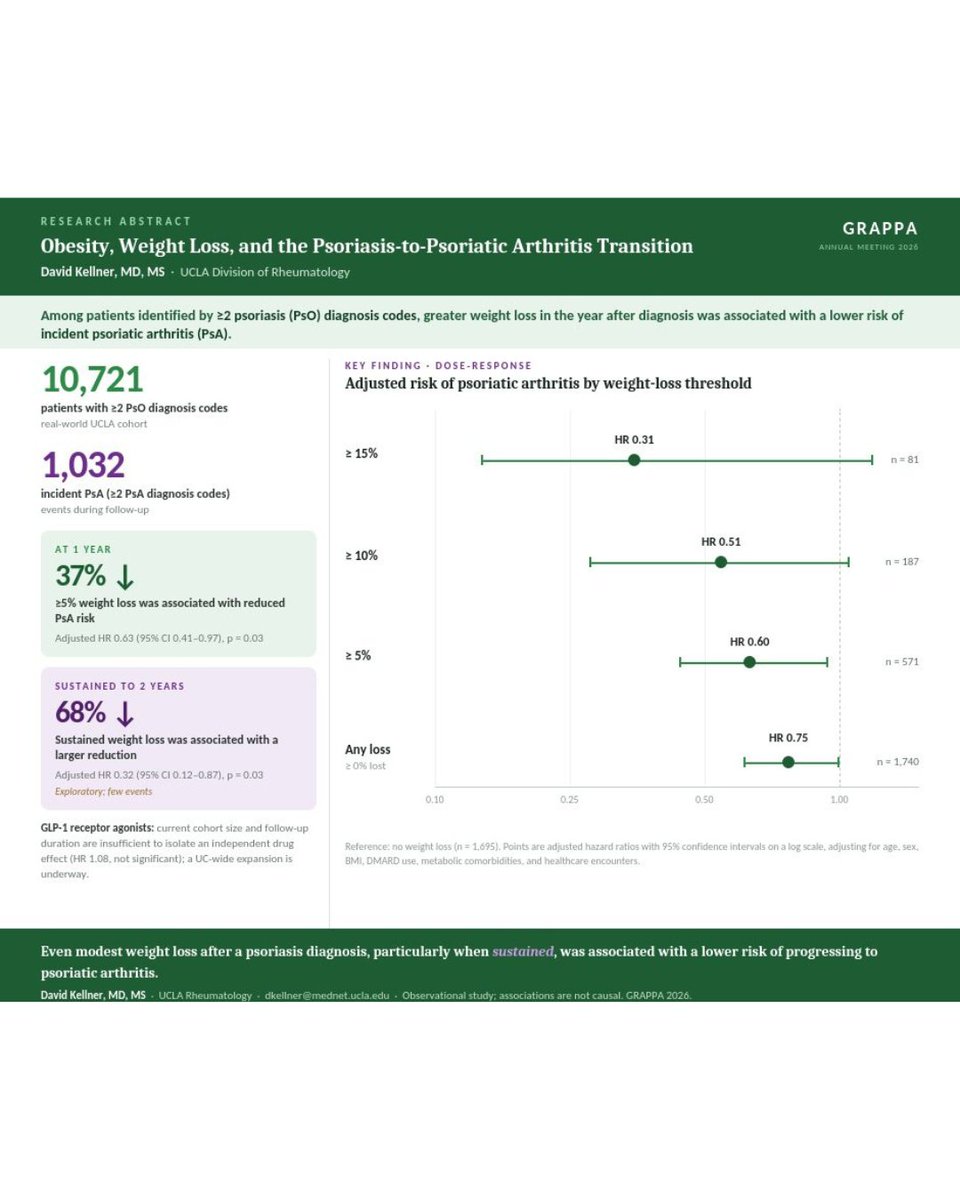
"Obesity, Weight Loss, and the Psoriasis-to-Psoriatic Arthritis Transition"
Lay Summary: People with psoriasis, a chronic inflammatory skin condition, are at risk of developing a related joint disease called psoriatic arthritis. Carrying excess weight is known to increase that risk, but it has been unclear whether losing weight after a psoriasis diagnosis can reduce it.
We studied 10,721 patients with psoriasis seen at UCLA, of whom 1,032 went on to develop psoriatic arthritis. We found that patients who lost at least 5% of their body weight in the year following their psoriasis diagnosis had a 37% lower risk of developing psoriatic arthritis compared to those who did not. Importantly, the more weight patients lost, the lower their risk, a pattern that held across every weight-loss threshold we examined.
We also found that patients who kept the weight off through two years had an even greater reduction in risk, suggesting that maintaining weight loss over time may matter as much as losing it in the first place.
Finally, we examined whether GLP-1 receptor agonists, a class of weight-loss and diabetes medications that includes drugs like Ozempic and Wegovy, reduced psoriatic arthritis risk beyond what weight loss alone would explain. We did not find a significant independent effect, but our study was not large enough to answer this question definitively. We plan to study a much larger group of patients across the University of California system to address this.
Congratulations to David on this exciting work and thank you for contributing to psoriatic disease research!
🔗 View this and other full abstracts in GRAPPA's Abstract Library:
https://t.co/TbVK23HRC2
#GRAPPA2026 #GRAPPAAnnualMeeting #PsoriaticDisease #MedicalResearch
👏 We are pleased to welcome Somaya Shah as our newest GRAPPA member!
Somaya is a consultant rheumatologist at Kulsum International Hospital in Islamabad, Pakistan. Her clinical and research interests include inflammatory arthritis, spondyloarthritis, and improving access to rheumatology care in underserved communities.
She is also involved in research focused on reproductive health in women with rheumatic diseases and expanding rheumatology services through telemedicine.
🌎 Welcome to the GRAPPA community, Somaya!
#GRAPPA #PsoriaticDisease
👏 We are pleased to welcome Zoe Rutter-Locher as our newest GRAPPA member!
Zoe is a rheumatologist and Academic Clinical Lecturer at the University of Oxford in the United Kingdom. Her research focuses on understanding pain mechanisms in inflammatory arthritis.
She also co-chairs the British Society for Rheumatology Pain Special Interest Group and is interested in advancing pain research in psoriatic disease.
🌎 Welcome to the GRAPPA community, Zoe!
#GRAPPA #PsoriaticDisease
🗳️ Meet the Candidates for the GRAPPA Board of Directors election!
We are pleased to introduce the eight candidates running for two open Member-at-Large positions on the GRAPPA Board of Directors: one representing dermatology and one representing rheumatology.
With four candidates for each position, we encourage all GRAPPA members to take a moment to learn more about the candidates ahead of the upcoming election!
📅 Voting Period: November 30 – December 20, 2026
🔗 Meet the candidates: https://t.co/fht24p31wC
Your voice matters! Help shape the future of GRAPPA by participating in this important election.
#GRAPPA #PsoriaticDisease #GRAPPAElections #Dermatology #Rheumatology
How closely does your approach to psoriasis and obesity align with expert practice?
Join us November 24 for an interactive virtual webinar with Philip J. Mease, MD, MACR, FRCP, and Luis Puig Sanz, MD, PhD to explore the connection between psoriasis and obesity, benchmark your clinical approach against expert assessments, and gain practical strategies for integrating obesity screening and management into compassionate, culturally sensitive care.
📅 November 24 | 11:00–12:00 PM ET | Virtual
Register Now: https://t.co/2Gtuokgja1
#Psoriasis #Obesity #Dermatology #CME #ScientificActivation #EvidenceToAction #Decode
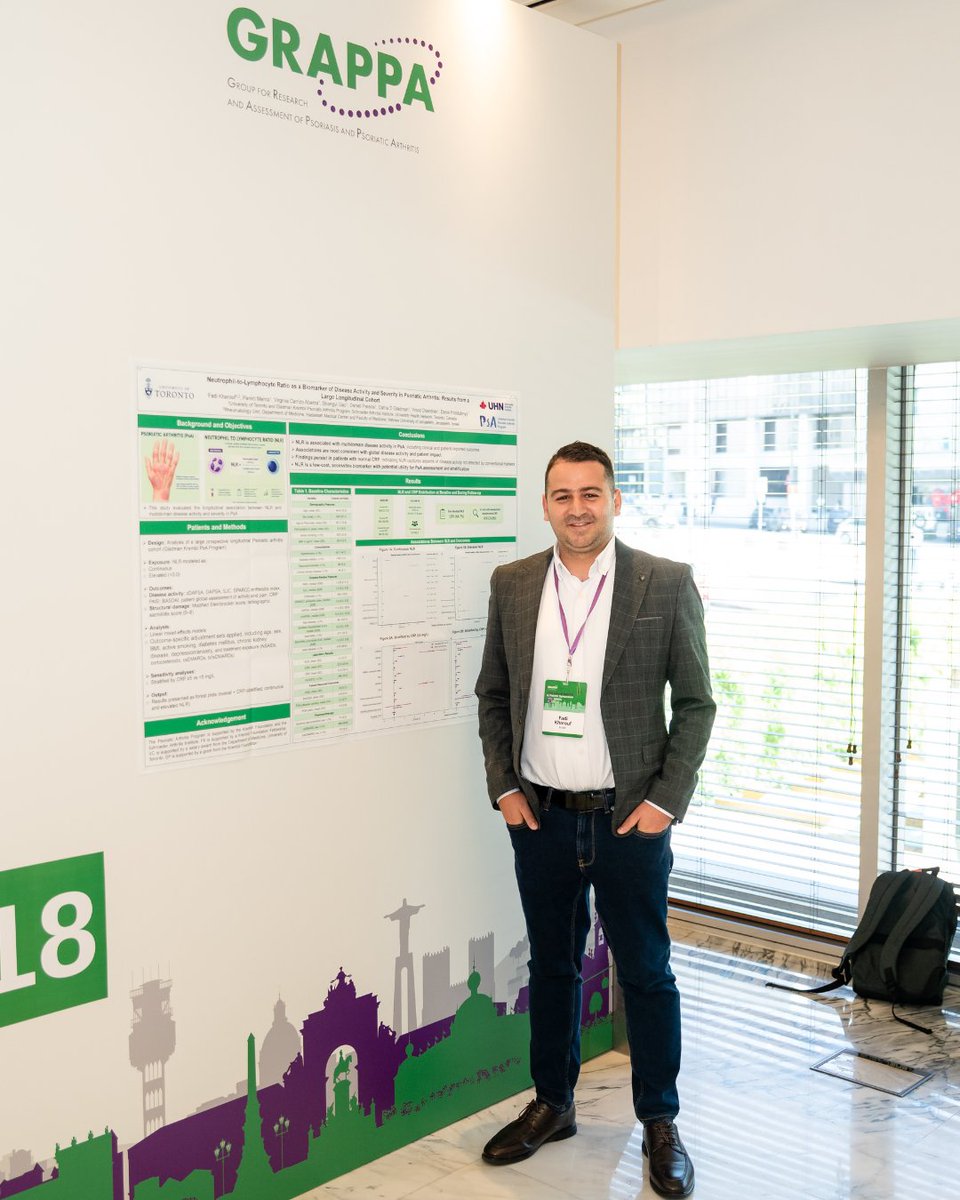
🌟 Trainee Abstract Poster Highlight from the GRAPPA Trainee Symposium at the 2026 Annual Meeting in Lisbon 🌟
Fadi Kharouf from the University of Toronto, Canada, and Hadassah Medical Center, Israel, presented the following poster:
"Neutrophil-to-Lymphocyte Ratio as a Biomarker of Disease Activity and Severity in Psoriatic Arthritis: Results from a Large Longitudinal Cohort"
Lay Summary: Psoriatic arthritis (PsA) is a chronic inflammatory disease that can affect the joints, spine, tendons, and skin. Monitoring disease activity is important because ongoing inflammation can lead to pain, disability, and permanent joint damage. However, commonly used blood tests, such as C-reactive protein (CRP), do not always reflect how active the disease is.
In this study, we examined whether the neutrophil-to-lymphocyte ratio (NLR), a simple measure calculated from a routine blood count, could help assess disease activity in people with PsA. We analyzed data from more than 1,600 patients who were followed over nearly 10 years in a large prospective cohort. We compared NLR levels with multiple measures of disease activity, including joint and skin involvement, pain, patient well-being, and imaging findings.
We found that higher NLR levels were consistently associated with more active disease, greater pain, worse patient-reported outcomes, and radiographic damage. Importantly, these associations were observed even in many patients whose CRP levels were normal, suggesting that NLR may detect inflammation that is missed by traditional blood tests.
Because NLR is inexpensive, widely available, and already included in routine blood tests, it may provide clinicians with additional information when evaluating patients with PsA. These findings suggest that NLR could become a practical tool to help monitor disease activity and identify patients who may be at greater risk of poor outcomes.
Congratulations to Fadi in this exciting work and thank you for contributing to the future of psoriatic disease research!
View this and other full abstracts in GRAPPA's Abstract Library:
https://t.co/xV7nynJiUO
#GRAPPA2026 #GRAPPAAnnualMeeting #PsoriaticDisease #MedicalResearch
🎉 Please join us in welcoming Yael Cohen to GRAPPA!
Yael is a rheumatologist and clinical research fellow in Psoriatic Arthritis and Musculoskeletal Ultrasound at Women's College Hospital in Toronto, Canada.
Her current research focuses on the impact of menopause on psoriatic arthritis disease activity and the association between obesity and structural radiographic progression in patients with psoriatic arthritis.
🌎 Welcome to the GRAPPA community, Yael!
#GRAPPA #PsoriaticDisease
🔬 ACR Convergence 2026 is wrapping up, but the learning doesn't stop here!
Join GRAPPA on December 2 for our upcoming Virtual Congress Highlights of Psoriatic Disease at ACR 2026!
Our outstanding international faculty will come together to review and discuss key abstracts, exciting research, and important developments in psoriatic disease presented at this year's ACR Convergence in Orlando.
Whether you attended ACR in person or followed from afar, this virtual session is a great opportunity to catch up on noteworthy findings and hear expert perspectives on the latest advances in the field.
📅 Wednesday, December 2, 2026
⏰ 10:00–11:30 AM EST | 4:00–5:30 PM CEST
💻 Virtual Event
Don't miss this opportunity to continue the conversation and explore some of the most impactful research from ACR 2026!
🔗 Register today at https://t.co/HIXzvbEOcN!
#GRAPPA #ACR2026 #PsoriaticDisease #Rheumatology #MedicalEducation
Psoriasis and obesity are closely connected, but how should that shape clinical care?
Join Philip J. Mease, MD, MACR, FRCP, and Luis Puig Sanz, MD, PhD, for an interactive virtual webinar exploring practical approaches to integrating obesity screening and management into psoriasis care.
Benchmark your approach against expert perspectives and gain strategies for supporting compassionate, culturally sensitive conversations.
📅 November 24 | 11:00–12:00 PM ET | Virtual
Register Now: https://t.co/e4KrKq4aNC
#Psoriasis #Obesity #Dermatology #CME #ScientificActivation #EvidenceToAction #Decode
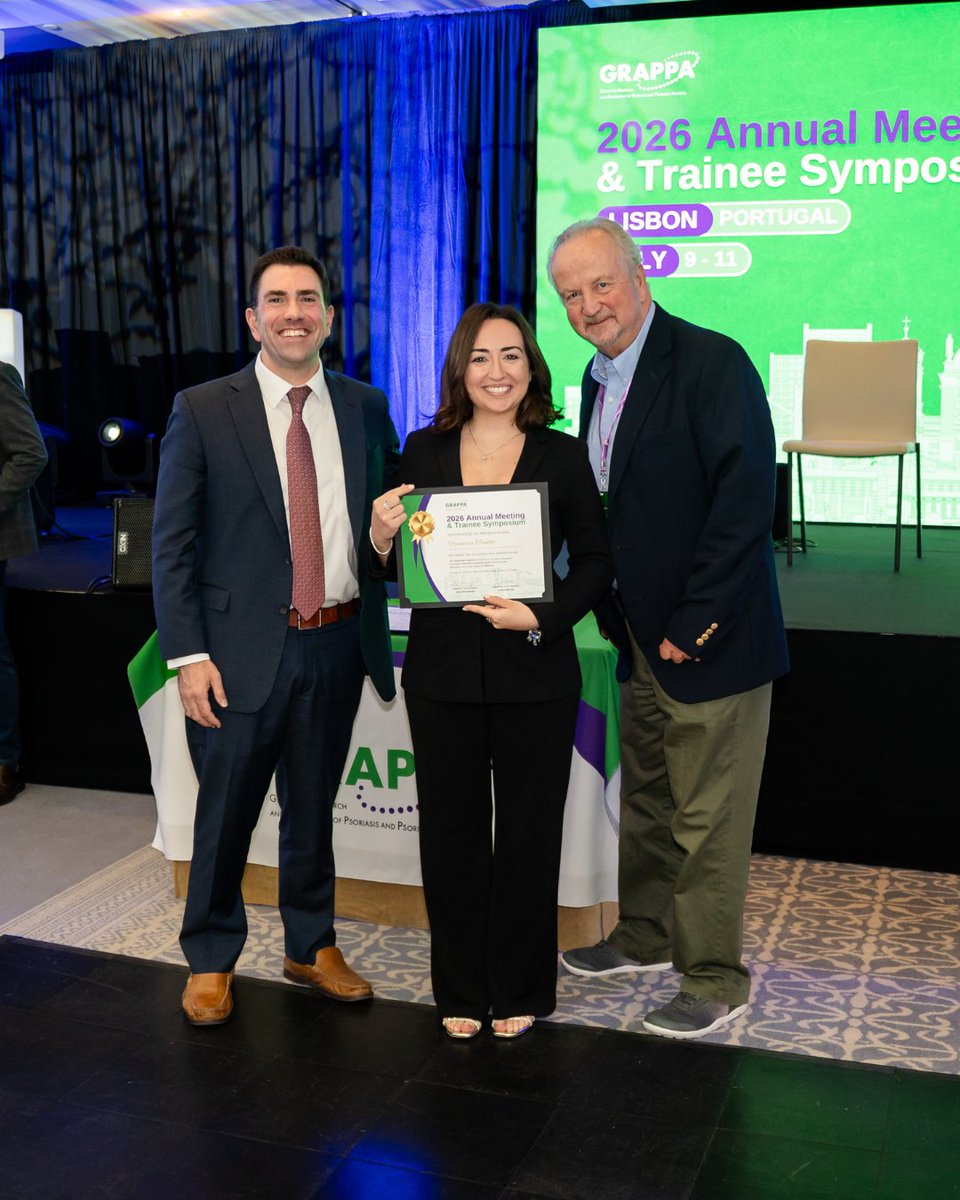
🌟 Trainee Abstract Poster Highlight from the GRAPPA Trainee Symposium at the 2026 Annual Meeting in Lisbon 🌟
Francesca Trunfio from the University of Leeds, United Kingdom, presented the following poster:
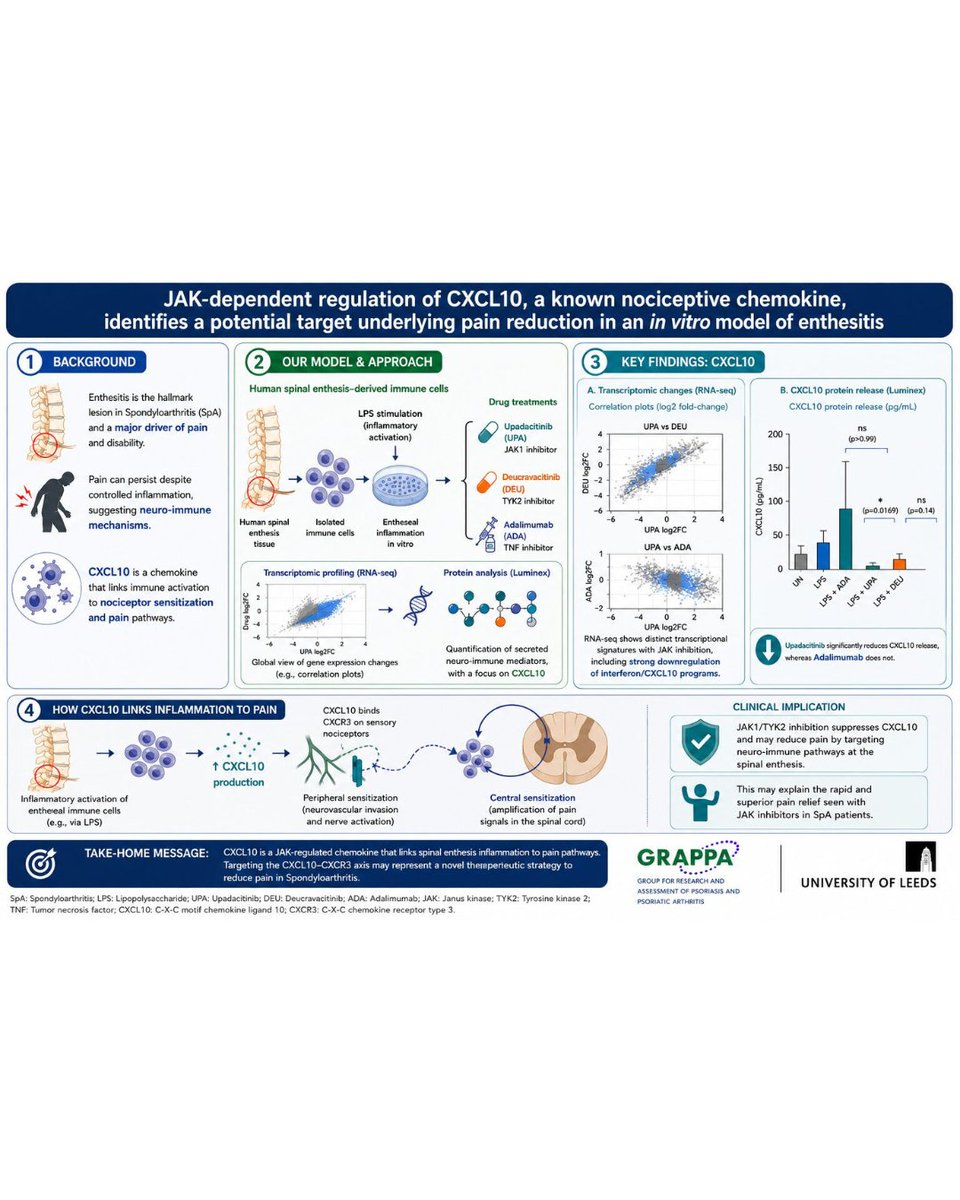
"JAK-Dependent Regulation of CXCL10, a Known Nociceptive Chemokine, Identifies a Potential Target Underlying Pain Reduction in an In Vitro Model of Enthesitis"
Lay Summary: People with spondyloarthritis (SpA) often continue to experience pain even when inflammation is well controlled. This suggests that factors beyond inflammation may contribute to persistent symptoms. We focused on the enthesis—the site where tendons and ligaments attach to bone—which is the primary site of inflammation in SpA and may also play an important role in pain generation.
Using immune cells isolated from human spinal enthesis tissue, we developed a laboratory model of enthesitis to investigate molecules that could link inflammation to pain. We compared the effects of two Janus kinase inhibitors (JAKi), upadacitinib (UPA) and deucravacitinib (DEU), with those of the tumour necrosis factor inhibitor adalimumab (ADA).
We identified CXCL10, an immune signalling molecule known to activate pain pathways, as a potential contributor to persistent pain. UPA markedly reduced CXCL10 production, whereas ADA did not show the same effect.
These findings suggest that JAK inhibitors may reduce pain not only by controlling inflammation but also by limiting neuro-immune signals that sensitize pain pathways. Although further studies in patients are needed, CXCL10 may represent a promising therapeutic target for persistent pain in SpA and help explain why JAK-i often provide greater pain relief than expected from their anti-inflammatory effects alone.
Congratulations to Francesca on this exciting work and thank you for contributing to the future of psoriatic disease research!
#GRAPPA2026 #GRAPPAAnnualMeeting #PsoriaticDisease #MedicalResearch
📣 Calling All Young GRAPPA Members: Get Involved and Make an Impact!
Young GRAPPA (Y-GRAPPA) is excited to announce its 2026 Call for Subcommittee Applications!
Are you passionate about advancing psoriatic disease research, education, and collaboration? This is your opportunity to take a more active role in Y-GRAPPA, connect with colleagues from around the world, and help shape the future of our growing community.
We are currently accepting applications for subcommittee members, as well as three Subcommittee Chair positions:
🔹 Derm-Rheum
🔹 Education
🔹 Newsletter
Whether you're interested in contributing your ideas or stepping into a leadership role, we encourage you to apply!
📅 Application Deadline: November 8, 2026
🔗 Learn more about the available positions and application process: https://t.co/jL9OAuMPB0
Help us continue building an engaged, collaborative, and dynamic Young GRAPPA community!
#YoungGRAPPA #GRAPPA #PsoriaticDisease #MedicalEducation #Leadership
We're just 3 weeks away from GRAPPA Adjacent to ACR 2026!
Join us in Orlando, Florida, on Sunday, November 8, as the GRAPPA community comes together for an evening of education, collaboration, and engaging discussions focused on psoriatic disease.
This is a wonderful opportunity to connect with colleagues, exchange ideas, and explore important developments in psoriatic disease research and clinical care alongside experts from around the world.
📅 Sunday, November 8, 2026
⏰ 6:00–8:00 PM
📍 Hyatt Regency Orlando | Orlando, Florida
We look forward to seeing familiar faces and welcoming new colleagues!
🔗 Register today at https://t.co/FGGgVwA15l and make plans to join us! #GRAPPA #ACR2026
#PsoriaticDisease #Rheumatology #MedicalEducation
🌟 Trainee Abstract Oral Presentation Highlight from the GRAPPA Trainee Symposium at the 2026 Annual Meeting in Lisbon 🌟
Giulia Marchionni, from Polytechnic University of Marche, Italy, delivered the following oral presentation:
"Inflammatory Signals in Subclinical Psoriatic Arthritis Predict Severe and Polyarticular Disease at Diagnosis"
Lay Summary: Psoriatic arthritis is a condition that can develop in people with psoriasis, causing joint pain, stiffness, swelling, and inflammation. However, it may not appear suddenly. In many patients, the disease may develop gradually through earlier stages, when symptoms are already present but arthritis has not yet been formally diagnosed.
The SPADE study looked at 122 people with psoriasis who later developed psoriatic arthritis. The aim was to understand whether simple clinical signs present before diagnosis could help identify patients at risk of more severe disease or earlier progression.
Many patients already had musculoskeletal symptoms at their first rheumatological evaluation, and in more than one third of cases these symptoms were considered inflammatory by the rheumatologist. This suggests that some patients may already be in an “at-risk” phase before psoriatic arthritis becomes clinically clear.
We found that morning stiffness and higher levels of C-reactive protein, a blood marker of inflammation, were associated with more active psoriatic arthritis at diagnosis. Female sex and morning stiffness also seemed to be linked to a more aggressive disease presentation. Interestingly, higher C-reactive protein was associated with more active disease at diagnosis, but also with greater improvement during the first year of follow-up. This may be because patients with clearer signs of inflammation receive earlier or more intensive treatment.
We did not identify strong predictors of faster transition from psoriasis to psoriatic arthritis. Overall, patients with psoriasis, musculoskeletal symptoms, persistent morning stiffness, or raised inflammatory markers may benefit from earlier rheumatology referral.
Congratulations to Giulia on this exciting work and thank you for contributing to the future of psoriatic disease research!
#GRAPPA2026 #GRAPPAAnnualMeeting #PsoriaticDisease #MedicalResearch
👏 We're excited to welcome Francisco Alves Bezerra Neto from Natal, Brazil, to GRAPPA!
Francisco is a rheumatologist and Professor of Rheumatology at the Federal University of Rio Grande do Norte. He also serves as coordinator and clinical preceptor of the Rheumatology Residency Program at Onofre Lopes University Hospital.
His work combines clinical care, medical education, and research, with a particular interest in spondyloarthritis and psoriatic arthritis.
We're happy to have Francisco join our global community and look forward to the knowledge and perspectives he'll bring to GRAPPA! 🌎
#GRAPPA #PsoriaticDisease
👏 Please join us in welcoming Rosario Foti from Catania, Italy, to GRAPPA!
Rosario is a rheumatologist and Head of Rheumatology at San Marco Hospital, where he has dedicated more than 20 years to the clinical care and research of psoriatic arthritis.
His work includes leading clinical trials, advancing treatment research, and promoting collaboration between rheumatology and dermatology.
We're excited to welcome Rosario to our international community and look forward to the experience and expertise he brings to GRAPPA! 🌎
Welcome, Rosario!
#GRAPPA #PsoriaticDisease
👏 GRAPPA is pleased to welcome José Maximiliano Martínez Pérez from Guayaquil, Ecuador!
José is Chief of the Department of Rheumatology at Hospital de Especialidades Paulson, where his work focuses on rheumatology and dermatology, particularly psoriatic disease.
He also chairs the Research Committee of the Ecuadorian Society of Rheumatology and has led a joint dermatology-rheumatology clinic since 2019.
🌎 We're excited to have José join the GRAPPA community! @jocmaximiliano
#GRAPPA #PsoriaticDisease
👏 Please join us in welcoming Lidia Sacchelli as a new GRAPPA member!
Lidia is a dermatologist and research fellow at IRCCS Policlinico Sant'Orsola in Bologna, Italy. Her clinical and research interests focus on inflammatory skin diseases, particularly psoriasis, with an emphasis on the effectiveness and safety of biologic therapies.
We are delighted to welcome Lidia to the GRAPPA community! 🌎
#GRAPPA #PsoriaticDisease
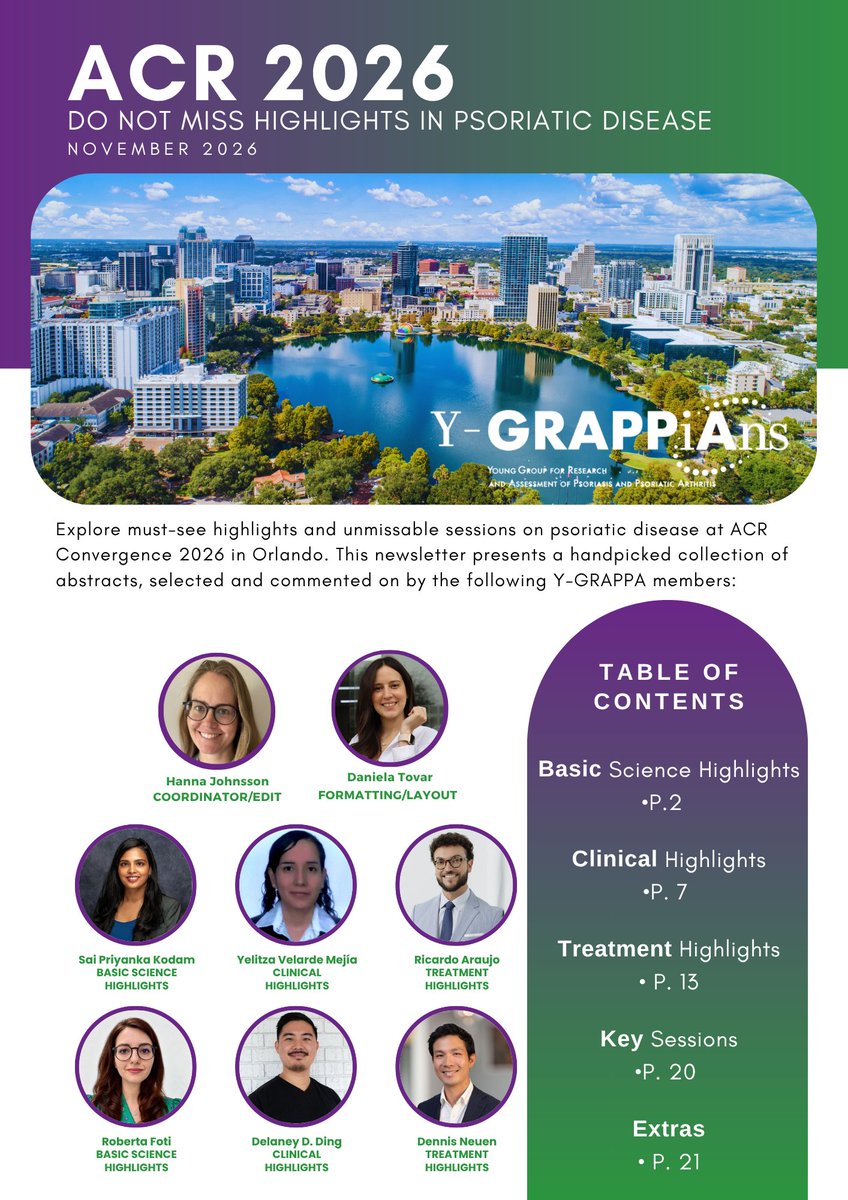
🔬 Now Available: Young GRAPPA’s “Do Not Miss” Highlights at ACR Convergence 2026!
Heading to ACR Convergence in Orlando? Young GRAPPA has done some of the homework for you!
Our Young GRAPPA members have curated a selection of must-see abstracts in psoriatic disease being presented at this year's ACR Convergence, highlighting exciting research and important developments across three key areas:
🔹 Basic Science
🔹 Clinical Topics
🔹 Treatment Highlights
Whether you're attending in person or following the Congress from afar, this curated resource will help you discover what's new, what's relevant, and what deserves your attention!
👏 A big thank you to our Young GRAPPA contributors for putting together this valuable resource for the GRAPPA community.
📢 Explore the “Do Not Miss” Highlights and make the most of ACR Convergence 2026!
https://t.co/Xjl3ewo4kS
#YoungGRAPPA #GRAPPA #ACR2026 #PsoriaticDisease #Rheumatology
🎙️ New Episode of Inside GRAPPA: Deucravacitinib in Psoriatic Disease!
How is deucravacitinib shaping the evolving treatment landscape of psoriatic disease?
In our latest episode of Inside GRAPPA, Dr. Andre Lucas Ribeiro, Dr. Anna López Ferrer, and Professor Philip J. Mease explore the role of deucravacitinib, a selective TYK2 inhibitor, in the management of psoriasis and psoriatic arthritis.
🔬 Tune in as our experts discuss:
🔹 Unmet needs in psoriatic disease treatment
🔹 Clinical evidence on efficacy and safety
🔹 Where deucravacitinib may fit among current treatment options
🔹 Individualized treatment decisions and future research opportunities
🎧 Listen now online or wherever you get your podcasts! Join the conversation and gain valuable insights into emerging treatment options and the future of psoriatic disease care.
🔗https://t.co/FNHRE0Y9uI
#InsideGRAPPA #GRAPPA #PsoriaticDisease #PsoriaticArthritis #Dermatology